Knee Replacement Patient Needing Assisted Physiotherapy
Comprehensive guide to physiotherapy and rehabilitation for knee replacement patients in Patna
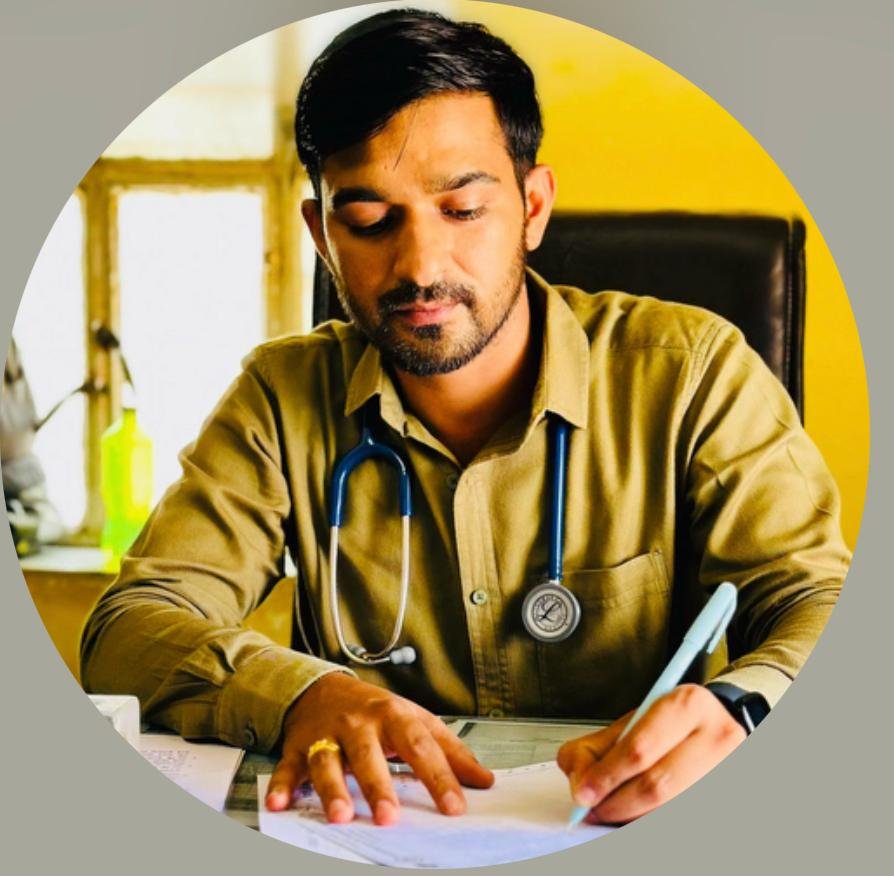
Knee replacement surgery, also known as knee arthroplasty, has become increasingly common in Patna as our population ages and medical technology advances. As a medical practitioner with extensive experience in post-operative care, I’ve observed that the success of knee replacement surgery largely depends on the quality and consistency of post-operative physiotherapy. This comprehensive guide addresses the critical role of assisted physiotherapy in knee replacement recovery and presents our integrated care model tailored for patients in Patna.
Understanding Knee Replacement Surgery
Knee replacement surgery involves removing damaged cartilage and bone from the knee joint and replacing them with artificial components made of metal alloys, high-grade plastics, and polymers. The procedure is typically recommended for patients with severe arthritis or significant knee damage that hasn’t responded to conservative treatments.
In Patna, we’ve seen a growing number of knee replacement surgeries in recent years, particularly among the elderly population. However, the post-operative care landscape hasn’t kept pace with this increase, leaving many patients without adequate physiotherapy support. This gap in care is precisely what At Home Care Patna aims to address through our specialized assisted physiotherapy services.
The Critical Role of Physiotherapy After Knee Replacement
Physiotherapy is not just beneficial but essential after knee replacement surgery. It plays a crucial role in multiple aspects of recovery:
- Restoring Range of Motion: Preventing stiffness and regaining full knee extension and flexion
- Strengthening Muscles: Rebuilding quadriceps and hamstring strength to support the new joint
- Gait Training: Relearning proper walking patterns with the new knee
- Pain Management: Using movement and specific techniques to reduce pain
- Preventing Complications: Reducing risk of blood clots, stiffness, and other post-operative issues
- Functional Independence: Enabling return to daily activities and improved quality of life
“The success of a knee replacement isn’t determined in the operating room alone. It’s the weeks and months of dedicated physiotherapy that truly determine whether a patient regains full function and experiences the life-changing benefits of the surgery.” – Dr. Anil Kumar
Challenges Faced by Knee Replacement Patients in Patna
Through my years of practice in Patna, I’ve identified several unique challenges that knee replacement patients face when it comes to accessing quality physiotherapy:
- Limited Access to Specialized Facilities: Patna has few dedicated physiotherapy centers with expertise in post-operative knee rehabilitation.
- Transportation Difficulties: Traffic congestion and lack of accessible public transportation make regular clinic visits challenging for patients with limited mobility.
- Financial Constraints: The cost of long-term physiotherapy can be prohibitive for many families in Patna.
- Lack of Continuity: Gaps between hospital discharge and starting physiotherapy can lead to complications and slower recovery.
- Cultural Barriers: Traditional beliefs about rest after surgery can sometimes conflict with the need for early mobilization.
- Home Environment Limitations: Many homes in Patna lack the space and equipment necessary for effective rehabilitation exercises.
Our Integrated Assisted Physiotherapy Model
At At Home Care Patna, we’ve developed an integrated assisted physiotherapy model specifically designed to address these challenges. Our approach brings expert physiotherapy directly to patients’ homes, ensuring continuity of care and eliminating many of the barriers that traditionally hinder recovery.
Key Components of Our Model
- Early Intervention: We begin physiotherapy within 24-48 hours of hospital discharge, ensuring no gap in care.
- Specialized Physiotherapists: Our team includes physiotherapists with specific expertise in knee replacement rehabilitation.
- Personalized Treatment Plans: Each patient receives a customized physiotherapy program based on their specific needs and goals.
- Progressive Exercise Protocols: We implement evidence-based exercise programs that advance as the patient recovers.
- Pain Management Integration: Our physiotherapists work closely with medical staff to manage pain during therapy sessions.
- Home Environment Optimization: We assess and modify the home environment to support effective rehabilitation.
- Family Education: We train family members to assist with exercises and support the recovery process.
- Technology-Enhanced Monitoring: We use digital tools to track progress and adjust treatment plans accordingly.
The Recovery Timeline: What to Expect
Understanding the typical recovery timeline helps patients set realistic expectations and stay motivated throughout their rehabilitation journey. Based on our experience with hundreds of knee replacement patients in Patna, here’s what patients can generally expect:
Focus on basic mobility, wound care, and initial exercises. Patients typically walk with a walker or crutches and begin gentle range of motion exercises.
Progression to cane walking, increased range of motion exercises, and introduction of strengthening exercises. Most patients can manage stairs with assistance by the end of this period.
Transition to independent walking, advanced strengthening exercises, and functional training for daily activities. Many patients return to driving and light activities.
Focus on fine-tuning gait, advanced balance exercises, and sport-specific activities if appropriate. Preparation for return to more demanding activities.
Continued improvement in strength and endurance. Most patients achieve near-normal function for daily activities.
Final improvements in function and adaptation to the new knee. Patients typically achieve their maximum recovery potential by one year post-surgery.
Essential Physiotherapy Exercises for Knee Replacement
Our assisted physiotherapy program incorporates a progressive series of exercises tailored to each phase of recovery. Here are the key exercises we typically include:
Early Phase Exercises (Week 1-2)
Bed-Based Exercises
- Ankle Pumps: Gentle ankle movements to promote circulation and prevent blood clots
- Quadriceps Sets: Tightening the thigh muscles to maintain muscle activation
- Gluteal Sets: Squeezing buttock muscles to support hip stability
- Heel Slides: Gently sliding the heel toward the buttocks to improve knee flexion
- Knee Extension: Placing a rolled towel under the ankle and pressing the knee down
Intermediate Phase Exercises (Week 3-6)
- Standing Knee Bends: Gentle bending of the knee while standing for support
- Mini-Squats: Partial squats within a safe range of motion
- Step-Ups: Using a small step to strengthen muscles and improve coordination
- Side-Lying Leg Lifts: Strengthening hip abductor muscles
- Stationary Cycling: Low-resistance cycling to improve range of motion and cardiovascular fitness
Advanced Phase Exercises (Week 7-12)
- Full Squats: Progressing to deeper squats as tolerated
- Lunges: Forward and sideways lunges for functional strength
- Balance Exercises: Single-leg standing and dynamic balance activities
- Resistance Band Exercises: Adding resistance to strengthen muscles further
- Functional Activities: Practicing real-life movements like getting up from the floor
Pain Management During Physiotherapy
Pain management is a critical component of successful physiotherapy after knee replacement. Our integrated approach includes:
- Pre-Session Medication: Coordinating pain medication timing to maximize comfort during therapy
- Cryotherapy: Applying ice before and after sessions to reduce pain and swelling
- Gentle Movement: Using slow, controlled movements to minimize pain during exercises
- Positioning Techniques: Proper positioning to reduce stress on the surgical site
- Relaxation Techniques: Teaching breathing and relaxation methods to manage pain perception
- Gradual Progression: Advancing exercises only when the patient is ready, avoiding pain flare-ups
Doctor’s Perspective: The At Home Care Patna Advantage
As a physician who has worked extensively with knee replacement patients in Patna, I’ve seen firsthand the difference that quality assisted physiotherapy can make. Our integrated model at At Home Care Patna offers several distinct advantages:
First, we eliminate the critical gap between hospital discharge and beginning physiotherapy. This continuity is essential for preventing complications and maintaining momentum in recovery. Many patients in Patna traditionally experience delays in starting physiotherapy due to various logistical challenges, which can significantly impact their final outcomes.
Second, our home-based approach allows us to address the specific environmental and cultural factors that affect each patient’s recovery. We can modify the home environment, involve family members in the rehabilitation process, and adapt exercises to work within the constraints of typical Patna homes.
Third, our integrated care model ensures that physiotherapy is coordinated with all other aspects of post-operative care, including medication management, wound care, and nutritional support. This holistic approach addresses the patient’s needs comprehensively rather than treating physiotherapy as an isolated component.
Finally, our use of technology for progress monitoring and communication with the surgical team ensures that everyone involved in the patient’s care is informed and aligned. This level of coordination is particularly valuable in a city like Patna where communication between different healthcare providers can sometimes be challenging.
Overcoming Common Recovery Challenges
Even with the best physiotherapy, knee replacement patients may face certain challenges during recovery. Our assisted physiotherapy program is designed to address these common issues:
Managing Stiffness
Stiffness, particularly in the morning, is common after knee replacement. Our approach includes:
- Specific range of motion exercises performed before getting out of bed
- Consistent exercise throughout the day to maintain mobility
- Heat therapy before exercise sessions when appropriate
- Positioning devices to maintain knee extension during rest
Dealing with Swelling
Swelling can persist for several months after surgery and may limit mobility. We address this through:
- Elevation techniques to reduce fluid accumulation
- Compression stockings as appropriate
- Cryotherapy after exercise sessions
- Gentle movement to promote circulation
Building Patient Confidence
Many patients feel anxious about using their new knee, particularly during weight-bearing activities. Our physiotherapists help build confidence through:
- Gradual progression of activities
- Hands-on guidance and support during exercises
- Education about the strength and durability of the new joint
- Celebrating small achievements to maintain motivation
The Role of Technology in Knee Replacement Rehabilitation
At At Home Care Patna, we leverage technology to enhance the effectiveness of our assisted physiotherapy program:
- Exercise Tracking Apps: Customized apps that guide patients through their exercise routines and track completion
- Video Demonstrations: Visual guides that patients can reference between therapy sessions
- Progress Monitoring: Digital tools to measure range of motion, strength, and functional improvements
- Tele-rehabilitation: Virtual sessions for additional guidance and monitoring
- Data Analytics: Analyzing recovery patterns to optimize treatment plans
Nutrition and Recovery: An Integrated Approach
Proper nutrition plays a crucial role in supporting the physical demands of physiotherapy and tissue healing after knee replacement. Our integrated approach includes nutritional guidance that:
- Provides adequate protein for muscle repair and building
- Includes anti-inflammatory foods to reduce pain and swelling
- Ensures sufficient calcium and vitamin D for bone health
- Addresses constipation, a common side effect of pain medication
- Maintains appropriate caloric intake to support healing without excessive weight gain
Family Involvement in the Recovery Process
In Patna’s family-centric culture, involving family members in the rehabilitation process is essential for success. We provide comprehensive family education that includes:
- Training family members to assist with home exercises
- Teaching proper techniques for helping with transfers and walking
- Educating about signs of complications that require medical attention
- Providing guidance on creating a supportive home environment
- Addressing family concerns and questions throughout the recovery process
Success Stories: Transforming Lives in Patna
Over the years, our assisted physiotherapy program has helped numerous knee replacement patients in Patna achieve remarkable recoveries. One particularly inspiring case involved a 68-year-old retired teacher who had been virtually housebound for years due to severe knee arthritis. After knee replacement surgery, she participated in our home-based physiotherapy program and was able to return to teaching part-time and even resume her favorite hobby of gardening within four months.
Another success story features a 55-year-old business owner who was concerned about the impact of surgery and recovery on his work. Through our intensive assisted physiotherapy program, he was able to return to managing his business within three weeks and resumed playing badminton, his favorite sport, after six months.
Preparing for Knee Replacement: Pre-Operative Physiotherapy
While this article focuses on post-operative care, it’s worth noting that pre-operative physiotherapy can significantly improve outcomes. At At Home Care Patna, we offer pre-habilitation programs that:
- Strengthen muscles before surgery to speed post-operative recovery
- Educate patients about what to expect after surgery
- Practice using assistive devices like walkers or crutches
- Begin range of motion exercises that will continue after surgery
- Address any pre-existing functional limitations
Long-Term Maintenance: Beyond the Initial Recovery
Recovery from knee replacement doesn’t end when formal physiotherapy concludes. We provide guidance for long-term maintenance that includes:
- Lifetime exercise programs to maintain strength and mobility
- Activity modifications to protect the new joint
- Strategies for managing occasional stiffness or discomfort
- Guidelines for returning to sports and recreational activities
- Regular follow-up assessments to ensure optimal function
Conclusion: The Path to Successful Recovery
Knee replacement surgery offers the promise of reduced pain and improved function, but realizing this promise requires commitment to a comprehensive rehabilitation program. In Patna, where access to quality physiotherapy can be challenging, At Home Care’s integrated assisted physiotherapy model provides the support patients need to achieve optimal outcomes.
Through our home-based approach, we eliminate barriers to care, ensure continuity of treatment, and provide personalized support that addresses each patient’s unique needs and circumstances. Our team of experienced physiotherapists, working in coordination with medical professionals, helps patients navigate the recovery journey with confidence and achieve the life-changing benefits of their knee replacement surgery.
If you or a loved one is facing knee replacement surgery and needs assisted physiotherapy in Patna, our team is here to help. We bring expert care to your home, supporting you every step of the way on your path to recovery.
Medical Disclaimer
This article is for informational purposes only and does not constitute medical advice. The information provided is based on general medical knowledge and the professional experience of the author. Always consult with your healthcare provider for medical advice and treatment tailored to your specific condition. If you are experiencing a medical emergency, please call emergency services immediately.
Frequently Asked Questions
Physiotherapy typically begins within 24 hours after knee replacement surgery, starting with gentle exercises in the hospital bed. At Home Care Patna, we ensure continuity of care by transitioning patients to home-based physiotherapy as soon as they are discharged, usually within 2-3 days post-surgery. Early mobilization is crucial for preventing complications and promoting faster recovery.
Most patients can walk with assistance within 24-48 hours after surgery. Walking without aids typically takes 4-6 weeks, while normal walking patterns may continue to improve for 3-6 months or longer. With our assisted physiotherapy program in Patna, many patients achieve independent walking by 3-4 weeks, though full recovery of strength and function may take up to a year.
Key exercises after knee replacement include quadriceps strengthening, straight leg raises, heel slides, knee flexion and extension exercises, and gait training. At At Home Care Patna, we emphasize a progressive exercise program that starts with basic movements and advances to functional activities. Our physiotherapists customize these exercises based on each patient’s specific needs and recovery progress.
Research shows that home-based physiotherapy can be equally effective as clinic-based therapy for knee replacement patients, with the added benefits of convenience and better compliance. In Patna, where transportation to clinics can be challenging, our home-based physiotherapy program has shown excellent outcomes, with patients often demonstrating better adherence to exercise regimens and faster functional gains.
At Home Care Patna provides comprehensive assisted physiotherapy for knee replacement patients, including in-home sessions with experienced physiotherapists, personalized exercise programs, pain management during therapy, progress monitoring, and coordination with your surgical team. Our integrated approach ensures continuous care from hospital to home, addressing all aspects of recovery in the comfort of your own environment.