Spine Surgery Patient Needing Log-Roll and Wound Care
Essential guide to post-spine surgery care, focusing on proper log-roll techniques and wound management for patients in Patna
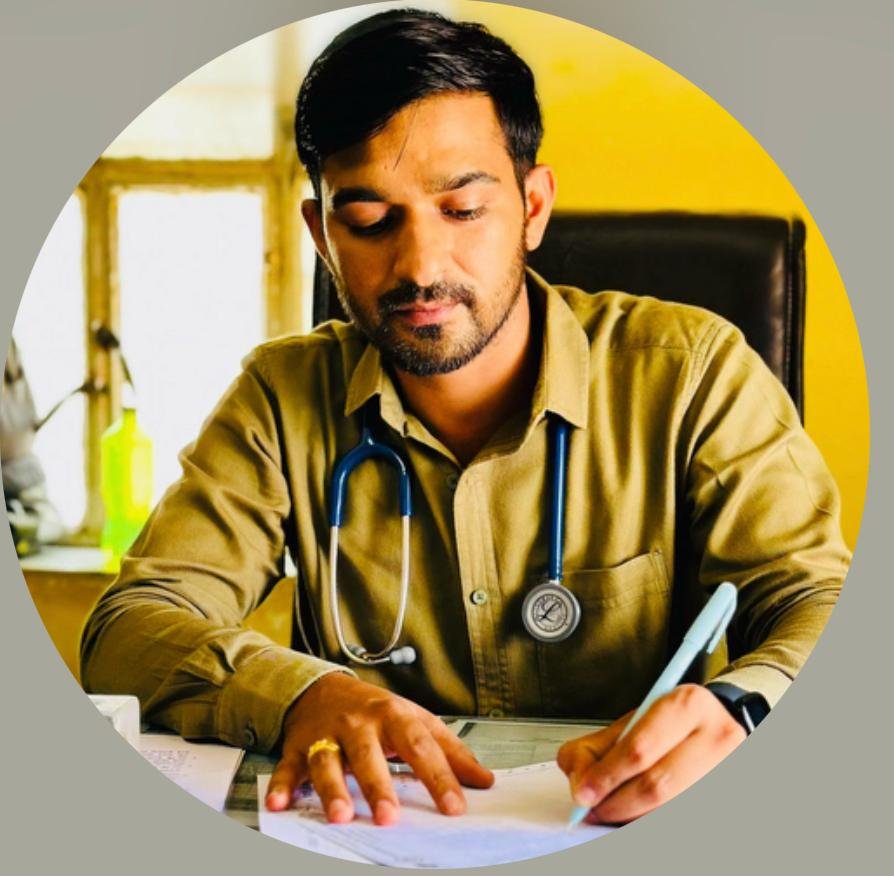
Spine surgery represents one of the most significant medical interventions a person can undergo. The post-operative period is exceptionally delicate, with the success of the surgery hinging on meticulous care. As a medical practitioner in Patna, I’ve seen that the two most critical aspects of this care are proper patient movement using the log-roll technique and impeccable wound management. This guide provides a comprehensive overview of these essential components and explains how our integrated care model at At Home Care Patna ensures the safest and most effective recovery for spine surgery patients.
Understanding the Critical Nature of Post-Spine Surgery Care
The spine is the central pillar of our body’s structure and function. Any surgical intervention, whether it’s a discectomy, laminectomy, or spinal fusion, creates a period of profound vulnerability. The surgical site needs time to heal without any stress, movement, or contamination. This is why the initial weeks following spine surgery are so crucial.
In Patna, we face unique challenges. The traditional home environments, often with firm charpoys and multi-generational living situations, are not always conducive to the strict recovery protocols required after spine surgery. Furthermore, while family support is strong, the specific technical knowledge needed for safe patient handling and sterile wound care is typically absent. This gap between the need for specialized care and the available resources is precisely what our integrated home care model addresses.
The Log-Roll Technique: A Lifeline for Spine Patients
The log-roll technique is not merely a helpful suggestion; it is a mandatory procedure for any patient recovering from spine surgery. The principle is simple yet profound: the patient’s entire body—from head to heels—must move as a single, straight unit, like a rolling log. This prevents any twisting, bending, or rotation at the surgical site, which could be catastrophic.
Why is the Log-Roll Non-Negotiable?
- Prevents Hardware Disruption: In cases of spinal fusion, screws, rods, and bone grafts need perfect immobility to fuse correctly. Improper movement can lead to hardware failure or non-union.
- Protects Nerve Roots: Swollen and delicate nerves around the surgical area can be easily irritated or damaged by improper movement, leading to pain, weakness, or numbness.
- Avoids Dural Tears: The dura mater, the covering of the spinal cord, can be compromised during surgery. Twisting movements can cause a CSF (cerebrospinal fluid) leak, a serious complication.
- Ensures Proper Healing: Muscles, ligaments, and bone need to heal in the correct alignment. Any stress can lead to improper healing and chronic pain.
The Step-by-Step Log-Roll Procedure
This technique requires at least two trained people. Our caregivers at At Home Care Patna are rigorously trained in this exact protocol:
- Preparation: Explain the process to the patient to reduce anxiety. Ensure the bed is at a working height and the destination side (where they will roll) is clear of obstacles. Place a pillow between the patient’s knees to align them.
- Positioning: One person stands at the patient’s chest, the other at the hips/legs. They should stand with wide, stable stances.
- The Command: The person at the head gives clear, calm commands. “On the count of three, we’re going to roll you together. Keep your arms crossed over your chest.”
- The Cross-Arm Position: The patient crosses their arms over their chest. This prevents their arms from getting trapped and helps maintain shoulder alignment.
- The Roll: On the count of three, both caregivers place one hand on the patient’s shoulder and one on the hip/leg. They roll the patient smoothly and slowly as a single unit toward them. The patient’s spine must remain straight.
- Securing the Position: Once on their side, pillows are placed immediately: one against their back for support, one under the head, and one between the knees. This prevents them from rolling back or forward.
- Returning to Supine: The process is reversed to return the patient to their back, again moving as a single unit.
“In my years of practice, I’ve seen that improper movement after spine surgery is one of the most common and dangerous mistakes families make. It’s not their fault—it’s a technical skill. This is why professional assistance isn’t a luxury; it’s a necessity for patient safety.” – Dr. Anil Kumar
Wound Care: The First Line of Defense Against Infection
A spinal surgery incision is a significant portal for infection. Given the proximity to the spinal cord and vertebrae, a post-operative infection is not merely an inconvenience; it can be a life-altering or even life-threatening complication. Meticulous wound care is, therefore, paramount.
Principles of Post-Spine Surgery Wound Care
Our registered nurses in Patna follow a strict, evidence-based protocol for all spine surgery wound care:
- Hand Hygiene: The process begins and ends with thorough hand washing. This is the single most important step to prevent introducing pathogens.
- Sterile Technique: All supplies—gauze, saline, tape—are sterile. The nurse wears sterile gloves during the dressing change to maintain a clean field.
- Gentle Cleaning: The wound is typically cleaned with sterile saline or a solution prescribed by the surgeon. We clean from the incision line outward, never from contaminated areas toward the incision.
- Thorough Inspection: With each dressing change, our nurses meticulously inspect the wound for signs of healing or complications. They look for proper edge approximation, absence of drainage, and healthy granulation tissue.
- Proper Dressing Application: A sterile, non-adherent dressing is applied. It’s secured in a way that prevents irritation but is not so tight as to compromise circulation.
- Meticulous Documentation: Every aspect of the wound—its size, color, drainage type and amount, and the condition of the surrounding skin—is documented and photographed (with consent) to track progress.
⚠️ Warning Signs of Wound Complications
If you or your caregivers observe any of the following signs, contact your surgeon or our 24/7 helpline immediately:
- Increasing redness or warmth spreading from the incision site
- Swelling that worsens after the first 48-72 hours
- Pus or cloudy, foul-smelling drainage from the wound
- The edges of the incision separating or opening up
- Fever above 101°F (38.3°C) or chills
- Sudden, severe pain at the surgical site
Challenges for Spine Surgery Patients in the Patna Context
Providing this level of care in Patna requires overcoming several unique challenges that our integrated model is specifically designed to address:
- Environmental Factors: Many traditional homes in Patna have low beds (charpoys) which are unsafe for transfers. The heat and humidity can increase perspiration, potentially compromising the sterile field around the wound and increasing infection risk. Dust is another environmental contaminant that must be managed.
- Knowledge Gap: Family caregivers, despite their best intentions, are not trained in sterile techniques or the biomechanics of the log-roll. There’s a common misconception that “rest” means complete immobility, which can lead to complications like blood clots and pneumonia.
- Resource Availability: Access to sterile medical supplies like specific dressings, saline solution, and even proper gloves can be inconsistent in local markets.
- Cultural Practices: Traditional remedies, such as applying herbal pastes to wounds, are sometimes used and can be harmful. Our team provides culturally sensitive education to explain why modern medical protocols are essential.
- Follow-Up Difficulties: Transporting a patient who cannot sit or bend for a post-operative check-up is a logistical nightmare in Patna’s traffic. Our home-based care and teleconsultation capabilities bridge this gap.
Our Integrated Care Model: A Doctor’s Perspective
As a physician, I believe that the care we provide at At Home Care Patna for spine surgery patients represents the gold standard for post-operative recovery in our region. Our model is built on the principle that the hospital’s responsibility doesn’t end at discharge; it extends until the patient is safely on the path to full recovery at home.
Our integrated approach is multi-faceted and addresses every critical need:
1. Skilled Nursing for Wound Care
Our registered nurses are the cornerstone of wound management. They bring the hospital-level standard of care directly to the patient’s bedside. This includes not just dressing changes but also a comprehensive assessment of the patient’s overall condition—monitoring vitals, checking for signs of systemic infection, managing pain medication, and ensuring bowel and bladder function, which can be affected by spine surgery and anesthesia.
2. Trained Caregivers for Log-Roll and Mobility
Our patient care attendants undergo rigorous training specifically on the log-roll technique and safe patient handling. They are physically trained to perform these moves without straining themselves or the patient. This assistance is available around the clock for repositioning (to prevent bed sores), using the bedpan, and other essential movements, ensuring the spine is never put at risk.
3. Physiotherapy Tailored for Spine Patients
While the spine must be protected, complete immobility is dangerous. Our physiotherapists, in close consultation with the surgeon, introduce gentle, approved exercises. This includes ankle pumps to prevent deep vein thrombosis (DVT), breathing exercises to prevent pneumonia, and isometric contractions to maintain muscle tone without moving the spine. This is critical for a safe and complication-free recovery.
4. Home Environment Optimization
We assess the patient’s recovery environment and provide practical recommendations. This might include suggesting a firm mattress on a sturdy bed frame at an appropriate height, clearing pathways, arranging a commode chair, and ensuring the room is well-ventilated and clean to minimize infection risk.
5. Family Education and Empowerment
We don’t replace the family; we empower them. Our nurses and caregivers teach family members the “do’s and don’ts,” how to recognize warning signs, and ways they can provide non-technical support like emotional encouragement and managing the household. This creates a supportive ecosystem for the patient.
6. Seamless Coordination with the Surgical Team
Our care is not in a vacuum. We maintain a detailed log of the patient’s progress, wound photos, and any concerns. This information is shared with the operating surgeon, ensuring they are kept in the loop and can intervene if necessary, creating a true continuum of care.
A Day in the Life: Our Care in Action
Imagine a 60-year-old teacher in Patna, Mrs. Verma (name changed), who has just returned home after a lumbar fusion. Her day with our team might look like this: Morning visit from a nurse for wound assessment and dressing change. A caregiver helps her with a log-roll to use the bedside commode. The physiotherapist guides her through gentle ankle pumps and breathing exercises. Throughout the day, caregivers reposition her every two hours to prevent pressure sores, always using the log-roll. The family is present, providing emotional support, having been trained by our team on what to watch for. This comprehensive, professional support continues until her surgeon clears her for the next phase of mobility.
Pain Management: The Unsung Hero of Recovery
Effective pain management is intrinsically linked to successful mobility and wound care. A patient in severe pain cannot participate in necessary movements, and chronic pain can impede the healing process. Our integrated model includes:
- Medication Scheduling: Ensuring pain medication is given on a strict schedule to stay ahead of the pain, especially before physiotherapy or dressing changes.
- Non-Pharmacological Methods: Teaching relaxation techniques, proper positioning, and the use of cold packs (as approved by the surgeon) to manage pain.
- Monitoring for Side Effects: Our nurses watch for side effects like constipation, a common issue with opioid pain medication, and manage it proactively with diet and medication.
Nutrition and Hydration: Fueling the Healing Process
Healing from major surgery requires significant nutritional resources. Our integrated care includes guidance on:
- Protein Intake: Ensuring adequate protein for tissue repair and muscle maintenance.
- Vitamin C and Zinc: These micronutrients are crucial for wound healing.
- Hydration: Maintaining proper fluid balance is essential for tissue health and preventing complications like blood clots.
- Fiber: Managing the constipation that often follows surgery and pain medication.
The Psychological Aspect of Recovery
The period of extreme immobility and dependence after spine surgery can be psychologically challenging. Patients may feel anxious, depressed, or helpless. Our caregivers and nurses are trained to provide not just physical but also emotional support. They celebrate small milestones, offer encouragement, and create a positive, healing environment. This human connection is a vital, though often overlooked, component of recovery.
Conclusion: A Partnership for Safety and Healing
Recovering from spine surgery is a journey that demands precision, expertise, and unwavering attention to detail. The log-roll technique and meticulous wound care are not optional extras; they are fundamental requirements for a successful outcome. In the complex environment of Patna, attempting to navigate this recovery without professional support is a significant risk.
At At Home Care Patna, our integrated care model is designed to eliminate that risk. We bring the highest standards of post-operative care directly to your home, ensuring that the delicate process of healing can occur in the comfort and familiarity of your own surroundings, without compromising on safety or quality. Our team becomes an extension of the hospital’s care, a partner in your recovery, and a source of reassurance for your family.
If you or a loved one is facing spine surgery, remember that the most critical phase of your treatment begins after you leave the hospital. Ensure you have the right support for this journey. Your spine—and your future—depends on it.
Medical Disclaimer
This article is for informational purposes only and does not constitute medical advice. The information provided is based on general medical knowledge and the professional experience of the author. Always follow the specific post-operative instructions provided by your surgeon and healthcare team. If you are experiencing a medical emergency, please call emergency services immediately.
Frequently Asked Questions
The log-roll technique is a specific method of moving a spine surgery patient that keeps their spine aligned as a single unit, like a rolling log. It’s crucial because it prevents twisting, bending, or excessive pressure on the surgical site, which could disrupt the healing process, damage implants, or cause serious complications. At At Home Care Patna, our trained caregivers are experts in this technique, ensuring patient safety during all movements.
The frequency of wound dressing changes depends on the surgeon’s specific instructions and the type of dressing used. Typically, the initial dressing is changed within 24-72 hours after surgery. Subsequent changes may be required every 1-3 days, or less frequently if a waterproof, longer-lasting dressing is applied. Our nurses in Patna follow the surgeon’s protocol precisely and monitor the wound daily for any signs of infection.
Key signs of wound infection include increased redness or warmth around the incision, swelling that worsens after the first few days, pus or foul-smelling drainage from the wound, fever over 101°F (38.3°C), and increasing pain at the surgical site. If you notice any of these signs, it’s crucial to contact your surgeon or our 24/7 helpline in Patna immediately. Early intervention is critical to prevent serious complications.
Family members play a vital role in recovery. They can help by preparing a recovery-friendly home environment, ensuring the patient follows medication schedules, providing emotional support, and most importantly, learning the correct techniques from our professionals. At Home Care Patna provides comprehensive training to family caregivers in Patna on safe assisting techniques, wound care observation, and recognizing warning signs, empowering them to be effective partners in the recovery process.
Professional home care is highly recommended because spine surgery recovery requires specialized skills that most family members lack. Our team in Patna provides expert log-roll assistance, sterile wound care, pain management, and continuous monitoring. This specialized care reduces the risk of complications like infections or re-injury, ensures proper healing, and provides peace of mind for both the patient and their family during this critical period.