Trauma Patient Needing Temporary Full-Time Care
A comprehensive guide to providing integrated, full-time home care for trauma patients in Patna, addressing both physical and psychological recovery.
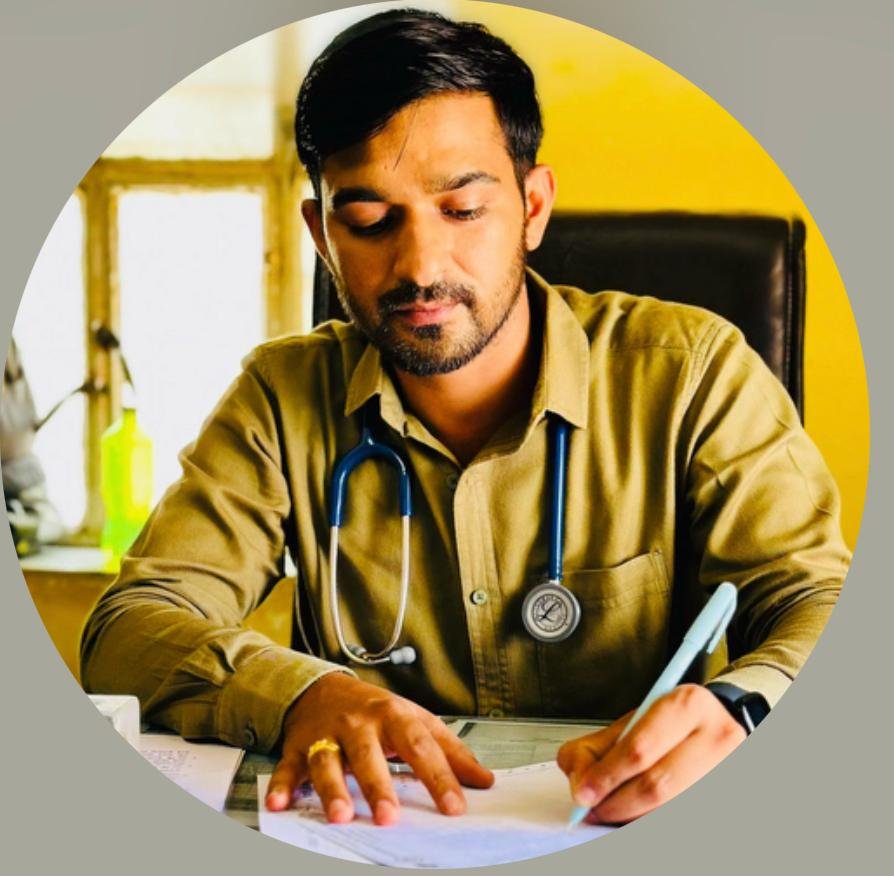
Trauma is a life-altering event that strikes suddenly, leaving in its wake not just physical injuries but profound psychological shock. A patient surviving a serious accident, fall, or violent incident faces a long and arduous journey to recovery. This journey is rarely linear and is fraught with challenges that extend far beyond the initial hospital treatment. As a medical practitioner in Patna, I have witnessed that the period immediately following discharge from the hospital is perhaps the most critical. It is during this time that the foundation for either a successful recovery or a lifetime of complications is laid. This guide explores the complex needs of trauma patients and presents our integrated model of temporary full-time care, designed to navigate this crucial phase.
Understanding the Multifaceted Needs of a Trauma Patient
Unlike a planned surgery, trauma is chaotic. The injuries are often multiple, affecting different body systems. A victim of a road traffic accident, for instance, might have a fractured femur, a head injury, internal bleeding, and severe lacerations all at once. This complexity means that care cannot be fragmented; it must be holistic and integrated. The needs of a trauma patient can be broadly categorized into three interconnected domains:
1. Complex Physical Needs
The physical aftermath of trauma is a constellation of issues that require simultaneous management. This includes:
- Wound and Fracture Care: Multiple surgical wounds, casts, or external fixators need regular, sterile dressing changes and monitoring for infection.
- Pain Management: Trauma pain is severe and multifactorial. It requires a carefully managed regimen of medications, often around the clock, with constant monitoring for side effects.
- Mobility and Function: Depending on the injuries, the patient may be completely bedridden or partially immobilized. This necessitates assistance with all Activities of Daily Living (ADLs) – from turning in bed to using the toilet.
- Neurological Monitoring: In cases of head or spinal injury, vigilant monitoring of neurological status is paramount to detect any deterioration early.
2. Critical Psychological Needs
The invisible wounds of trauma are often the deepest and most persistent. The psychological impact can be more debilitating than the physical injuries themselves. Key psychological needs include:
- Addressing PTSD: Flashbacks, nightmares, severe anxiety, and avoidance behaviors are hallmarks of Post-Traumatic Stress Disorder. A safe, predictable environment is the first step in healing.
- Combating Depression and Anxiety: The sudden loss of independence, chronic pain, and uncertainty about the future can lead to significant mood disorders.
- Rebuilding a Sense of Safety: The world may suddenly feel threatening. Re-establishing a sense of security, both physically and emotionally, is crucial for recovery.
3. Comprehensive Functional Needs
This domain bridges the physical and psychological, focusing on returning the patient to a life of purpose and independence.
- Rehabilitation: Intensive physiotherapy and occupational therapy are needed to regain strength, mobility, and the ability to perform daily tasks.
- Nutritional Support: The body is in a hypermetabolic state after trauma, requiring increased protein, calories, and specific micronutrients to heal tissues and bones.
- Social Reintegration: Helping the patient and their family adjust to new realities and reconnect with their community and work life.
The Patna Context: Navigating Unique Challenges
Providing this level of comprehensive care in Patna comes with a distinct set of challenges that our integrated model is specifically designed to address:
- The Care Gap: There is a significant chasm between the high-quality acute care available in Patna’s hospitals and the follow-up care available at home. Patients are often discharged with a list of instructions but with little to no professional support to implement them.
- Family Caregiver Burden: In our close-knit family structure, the responsibility of care falls on relatives. However, they are untrained, often overwhelmed, and must also manage their own emotional distress and work commitments. This leads to caregiver burnout and suboptimal patient care.
- Environmental Barriers: Many homes are not equipped for a patient with mobility limitations. Narrow doorways, stairs, and traditional Indian toilets can make navigating the home impossible and unsafe.
- Stigma and Mental Health: There is often a stigma associated with psychological distress. Families may not recognize or know how to address the signs of PTSD or depression, focusing only on the visible physical injuries.
- Logistical Nightmares: Coordinating multiple doctors’ appointments, physiotherapy sessions, and diagnostic tests in Patna’s traffic is a monumental task for a family already under stress.
Doctor’s Perspective: The Imperative of Integrated Full-Time Care
From a medical standpoint, sending a trauma patient home to a piecemeal, unstructured care environment is a recipe for failure. It increases the risk of readmission, chronic complications, and poor long-term outcomes. The solution is an integrated, full-time care model that acts as a bridge between the hospital and full recovery.
This model is not about having a single person at home 24/7. It is about deploying a coordinated team of professionals—nurses, attendants, physiotherapists, and counselors—who work under a unified care plan. This team becomes the single point of accountability, ensuring that nothing falls through the cracks. They manage medications, prevent complications, provide rehabilitation, and offer psychological support, all while keeping the family and the primary doctors informed.
“The period after a trauma patient leaves the hospital is where the real battle for recovery is fought or lost. In Patna, we cannot afford to leave this battle to chance. An integrated, professional full-time care model is the most powerful weapon we have to ensure our patients not only survive their injuries but truly thrive in their aftermath.” – Dr. Anil Kumar
The Six Pillars of Our Full-Time Care Model
At At Home Care Patna, our approach is built on six foundational pillars, each addressing a critical aspect of the trauma patient’s journey.
24/7 Medical Supervision
Our registered nurses provide round-the-clock oversight. They manage complex medication schedules, perform sterile wound care, monitor vital signs, and watch for early signs of complications like infection, DVT, or changes in neurological status. They are the medical authority in the home, ensuring clinical protocols are followed precisely.
Expert Personal Care
Our trained patient care attendants provide compassionate assistance with all ADLs. This includes bathing, grooming, toileting, feeding, and safe mobility transfers. They are trained in moving patients with multiple injuries without causing pain or further harm, and they provide the constant companionship that is vital for psychological well-being.
Integrated Rehabilitation
Rehabilitation begins from day one. Our physiotherapists design customized programs that start with gentle bed-based exercises and progress as the patient heals. Our occupational therapists focus on restoring the ability to perform daily tasks, from dressing to cooking, using adaptive techniques and equipment. This ensures the patient is working towards functional independence.
Psychological First Aid
We recognize that trauma is as much a mental event as a physical one. Our team includes counselors who provide a safe space for patients to process their experience. They use techniques to manage anxiety, establish routines that create a sense of safety, and work with both the patient and family to foster resilience and a positive mindset for recovery.
Nutritional Management
Healing cannot happen without proper fuel. Our nutritionists work with the patient’s preferences and dietary needs to create meal plans that are rich in protein, vitamins, and minerals essential for tissue repair. We also manage issues like poor appetite or constipation, which are common after trauma and with pain medication.
Care Coordination
We act as the central hub for all aspects of the patient’s care. We schedule appointments, arrange for diagnostic tests, procure medical supplies, and maintain a detailed record of the patient’s progress. We communicate regularly with the entire team of doctors, ensuring a seamless continuum of care and preventing conflicting medical advice.
A Day in the Life: The Integrated Model in Action
To illustrate the power of this approach, let’s consider the case of Rohan (name changed), a 32-year-old software engineer from Patna who was the victim of a hit-and-run accident. He sustained multiple fractures in his right leg, a fractured pelvis, and a moderate head injury. After three weeks in the hospital, he was discharged home, but he was unable to bear weight, was in significant pain, and was experiencing severe anxiety.
Rohan’s Recovery Journey with At Home Care Patna
Our nurse arrives, checks Rohan’s vitals, assesses his pain levels, and reviews his wounds. The attendant then assists him with a gentle bed bath and oral care, ensuring his comfort and dignity.
A high-protein breakfast, prepared according to our nutritionist’s plan, is served. The nurse administers his morning medications, carefully timing them to manage pain before his physiotherapy session.
Our physiotherapist arrives. They begin with gentle range-of-motion exercises for his uninjured limbs and progress to non-weight-bearing strengthening for his injured leg. The session is challenging but empowering.
After lunch, Rohan rests. Our attendant ensures he is positioned comfortably to prevent pressure sores. His family visits, and our counselor facilitates a conversation, helping them understand his anxiety and how they can best support him.
The nurse performs a sterile dressing change on his surgical wounds, carefully inspecting for any signs of infection. She also performs a neurological assessment, checking his responses and strength.
Our OT works with Rohan on adaptive techniques for daily tasks. Today, they practice strategies for him to safely dress his upper body and use a tablet while lying down, helping him reconnect with his work and hobbies.
After dinner and his evening medications, our nurse spends time talking with Rohan about his day, addressing his fears. A detailed report of his progress, pain levels, and any concerns is logged and shared with the supervising doctor.
This coordinated, comprehensive care ensured Rohan’s physical healing was optimal, his psychological distress was managed, and his family was empowered and involved. He progressed from being bedridden to using a walker within eight weeks, a significantly better outcome than might have been possible with fragmented care.
Conclusion: Building a Bridge to a Fuller Recovery
Recovering from trauma is a marathon, not a sprint. It demands more than just time; it requires expertise, compassion, and an unwavering commitment to addressing the patient’s needs as a whole. In the complex and often challenging environment of Patna, relying on ad-hoc family support is a gamble with a patient’s future.
Our integrated full-time care model at At Home Care Patna is designed to remove that gamble. It builds a sturdy, professional bridge from the hospital bed back to a life of meaning and independence. It is a system where medical excellence meets human compassion, where every need—physical, psychological, and functional—is met with skill and dedication.
If you or a loved one is facing the long road to recovery after a traumatic event, remember that you do not have to walk it alone. Professional, full-time support is not an indulgence; it is the most critical investment you can make in a true and complete recovery.
Medical Disclaimer
This article is for informational purposes only and does not constitute medical advice. The information provided is based on general medical knowledge and the professional experience of the author. Always consult with your healthcare provider for medical advice and treatment tailored to your specific condition. If you are experiencing a medical emergency, please call emergency services immediately.
Frequently Asked Questions
The duration varies significantly based on the severity of injuries and the patient’s progress, typically ranging from a few weeks to several months. Our integrated care model in Patna is flexible, scaling down the intensity of care as the patient regains independence. We conduct regular assessments to determine the appropriate level of support, ensuring the patient receives the right amount of care at each stage of their recovery journey.
At At Home Care Patna, we provide comprehensive care for a wide range of trauma patients, including victims of road traffic accidents, falls from height, workplace injuries, and assaults. Our team is experienced in managing patients with multiple fractures, head injuries, spinal cord injuries, and complex wounds. We customize our care plan to address the specific combination of physical and psychological challenges each patient faces.
Psychological support is a cornerstone of our integrated care model. We have trained counselors who work with patients to address PTSD, anxiety, and depression. Our attendants and nurses create a safe, predictable environment that helps reduce stress. We also involve family members in the healing process, educating them on how to provide supportive communication. We believe that healing the mind is just as important as healing the body.
While family support is crucial, trauma care requires specialized medical skills that family members typically lack. Our professional team in Patna provides 24/7 medical monitoring, skilled wound care, proper medication management, and rehabilitation support. This expertise prevents complications, ensures faster recovery, and protects family members from caregiver burnout, allowing them to focus on providing emotional support rather than medical care.
We can arrange our full-time care services very quickly, often within 24 hours of a request. Our streamlined process in Patna includes an initial assessment of the patient’s needs, development of a customized care plan, and deployment of the appropriate care team. We work closely with the hospital to ensure a smooth and safe transition from hospital to home, with no gap in critical care.