Post-Fall Patient Needing Observation Care
A critical guide to professional observation care for patients after a fall in Patna, focusing on preventing complications and reducing the risk of re-falls.
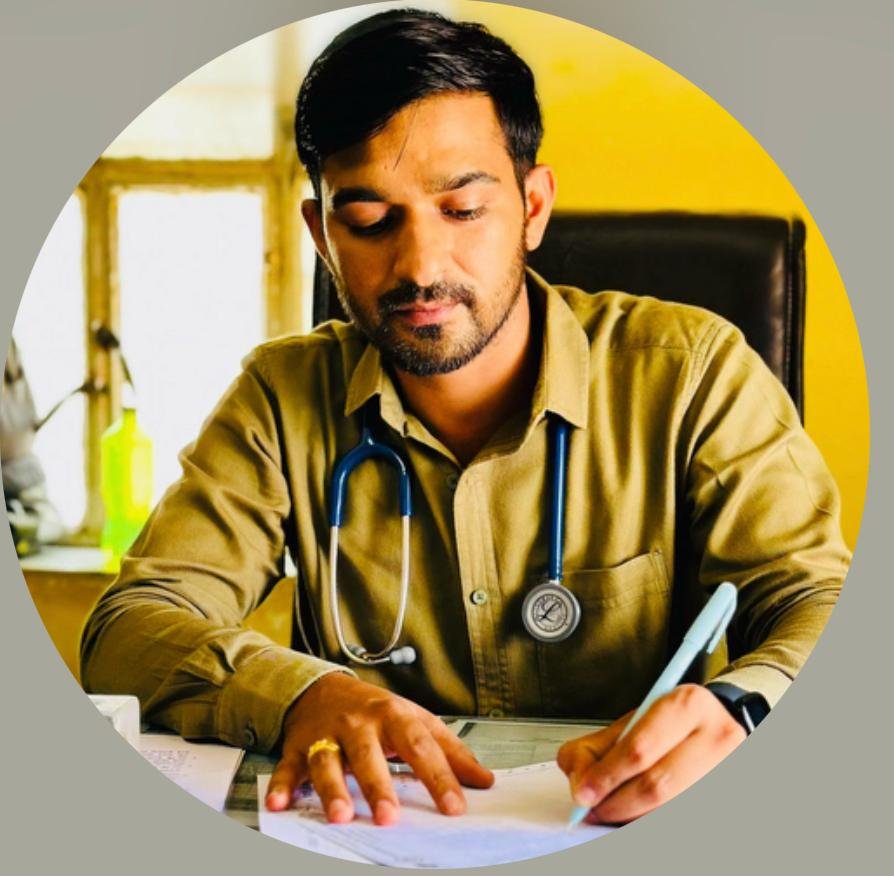
A fall is more than just a simple accident; it is a sentinel event, particularly for older adults or those with underlying health conditions. It is a critical warning sign that something is amiss. As a medical practitioner in Patna, I have seen countless times how a fall, even one that seems minor at first, can trigger a devastating cascade of health problems. The period immediately following a fall is a window of immense vulnerability and immense opportunity. With proper, professional observation care, we can prevent complications, address the root cause, and restore the patient’s confidence. Without it, we risk a rapid decline in health, a loss of independence, and the high probability of another, more serious fall.
The Hidden Dangers Lurking After a Fall
When an elderly person falls, the first concern is often an obvious fracture or a head injury. But the dangers are frequently more subtle and delayed. The fall itself is a symptom, and our job is to treat both the symptom and the underlying disease. The immediate aftermath is fraught with hidden risks:
1. The “Silent” Injuries
Not all injuries are apparent immediately. A patient might get up from a fall feeling “just a little shaken,” but serious issues can be developing:
- Subdural Hematoma: Bleeding can occur slowly between the brain and its outer covering. A patient might seem fine for hours or even days, only to then show signs of confusion, drowsiness, or a severe headache. By then, it can be a life-threatening emergency.
- Internal Bleeding: A fall can cause internal injuries, particularly in patients on blood thinners. This might not present as obvious pain but as general weakness, dizziness, or a drop in blood pressure.
- Undiagnosed Fractures: Hairline fractures in the hip, pelvis, or spine may not cause immediate, debilitating pain but can worsen with movement, leading to more severe injury and a longer recovery.
2. The Psychological Fallout
The emotional impact of a fall is often underestimated. It can shatter a person’s confidence and independence, leading to:
- Fear of Falling (Post-Fall Syndrome): This is a paralyzing anxiety that can cause a person to voluntarily restrict their activity. They become afraid to walk, even to the bathroom, leading to a sedentary lifestyle.
- Social Isolation and Depression: The loss of confidence can cause them to withdraw from social activities, leading to loneliness and depression, which further impairs physical recovery.
3. The Vicious Cycle of Deconditioning
This is the most common and dangerous pathway I see in my practice in Patna. The cycle looks like this:
The Fall Cycle
Fall → Injury/Fear → Immobility/Inactivity → Muscle Weakness & Poor Balance → Increased Risk of Another Fall
Each step in this cycle reinforces the next. A patient who was once independent can become frail and dependent in a matter of weeks if this cycle is not broken. Professional observation care is the single most effective tool we have to interrupt this devastating process.
Why Observation Care is a Medical Necessity, Not a Luxury
After a fall, a patient needs more than just a family member “keeping an eye on them.” They need clinical observation. There is a world of difference between the two. Family observation is passive and emotional. Clinical observation is active, systematic, and objective.
Our observation care at At Home Care Patna is a structured medical service. It involves:
- Regular Neurological Checks: Our nurses don’t just ask “Are you okay?” They perform systematic checks: asking the patient to state their name, the date, and where they are (orientation checks); checking pupil response; testing grip strength. These are designed to catch the subtle signs of a head injury long before it becomes obvious.
- Vital Signs Monitoring: Regular monitoring of blood pressure, heart rate, and temperature can reveal internal bleeding or infection that the patient might not feel.
- Pain and Mobility Assessment: We assess pain levels systematically and observe the patient’s ability to move. We don’t just take their word for it; we observe their gait, their ability to transfer from bed to chair, and their willingness to move.
- Medication Review: A fall can be a side effect of medication. Our nurses review the patient’s full medication list to identify potential culprits, such as blood pressure medications that can cause dizziness or sedatives that affect balance.
The Patna Context: Unique Challenges for Post-Fall Care
Providing this level of care in a home setting in Patna comes with its own set of challenges that our integrated model is built to address:
- The “It’s Just a Fall” Attitude: There is a cultural tendency to downplay the seriousness of a fall, especially if there is no obvious injury. Family members may say, “Dadu ne thoda dhakka lag gaya, ab theek hai” (Grandpa just had a small stumble, he’s fine now). Our nurses are trained to educate families on why a fall is a red flag that requires medical attention.
- Home Environment Hazards: Many homes in Patna are not fall-proof. Uneven flooring, low traditional charpoys, dim lighting, and bathrooms without grab bars are common. The very environment where the patient fell is often filled with other fall risks waiting to happen.
- Logistical Barriers to Follow-Up: Getting a frail, injured patient to a doctor for a follow-up visit in Patna’s traffic and through multi-story homes with no elevators is a monumental task. This often leads to missed appointments and a lack of proper medical oversight.
- Family Caregiver Limitations: While the intention is strong, family members may not know what to look for. They may not notice the subtle change in alertness that signals a problem. They are also juggling work and other responsibilities, making consistent 24/7 observation impossible.
Doctor’s Perspective: Observation as a Diagnostic Tool
From my perspective, the 24-48 hours after a fall are a diagnostic window. A trained observer in the home can provide me with more valuable information than a single, rushed examination in my clinic. They can track the patient’s progress over time, noting trends and changes that are impossible to capture in a 15-minute appointment.
Our observation care model acts as an extension of the physician’s eyes and ears. The detailed logs our nurses keep—documenting vital signs, neurological status, pain levels, and mobility—allow me to make informed decisions about whether the patient needs to come to the hospital, can continue healing at home, or needs further diagnostic tests. This proactive approach prevents emergencies before they happen, which is always better, safer, and more cost-effective than reactive care.
“In medicine, we often say ‘time is tissue,’ meaning the faster we treat a problem, the better the outcome. After a fall, ‘observation is prevention.’ The careful, clinical watching of a patient is the most powerful tool we have to prevent the next fall, the next hospitalization, and the next loss of independence.” – Dr. Anil Kumar
Our Integrated Observation Care Model: A Multi-Layered Safety Net
At At Home Care Patna, we don’t just send one person to “watch” a patient. We deploy a multi-layered safety net designed to address every risk factor associated with a post-fall patient.
Layer 1: Clinical Nursing Observation
Our registered nurses are the core of this service. They conduct the initial comprehensive assessment and perform regular, systematic checks. They manage medications, including administering pain relief and coordinating with the doctor on any necessary changes. They are the clinical decision-makers on the ground, trained to escalate care the moment they detect a sign of trouble.
Layer 2: Attendant Support for Safety and ADLs
Our trained patient care attendants provide the constant presence and physical support needed. They assist with all Activities of Daily Living (bathing, toileting, feeding) safely, preventing the patient from attempting risky movements on their own. They ensure the patient is positioned comfortably in bed or a chair to prevent pressure sores and assist them with walking, providing the physical stability that rebuilds confidence.
Layer 3: Physiotherapy for Fall Prevention
This is a crucial, proactive layer. Our physiotherapists don’t just wait for the patient to heal; they actively work to prevent the next fall. They conduct a thorough fall risk assessment, evaluating the patient’s strength, balance, and gait. They then prescribe simple, effective exercises that can be done at home to improve these areas. They also train the patient in safe mobility techniques, like how to get up from a chair or out of bed without becoming dizzy.
Layer 4: Environmental Hazard Assessment
We look at the patient’s home with a critical eye. Our team conducts a home safety audit, identifying trip hazards, poor lighting, and areas where grab bars are needed. We provide the family with a practical, prioritized list of modifications to make the environment safer. This is a vital step that is often overlooked but is fundamental to long-term prevention.
A Day in the Life: Observation Care in Action
Let me illustrate with a common scenario from our work in Patna. Mrs. Devi, an 80-year-old woman, fell in her bedroom. Her son took her to a local clinic, where an X-ray showed no fracture. She was sent home with painkillers. The family was relieved but worried.
They called At Home Care Patna. Here’s how our observation care unfolded over the next 48 hours:
First 24 Hours: Close Monitoring
- 2 PM: Our nurse arrives. Performs a full assessment: vitals are stable, but Mrs. Devi is slightly disoriented (she thinks it’s still morning). The nurse notes this and reports it to the supervising doctor.
- 4 PM: The nurse performs another set of neurological checks. Mrs. Devi is now oriented but has a headache. The nurse advises against giving her sedative painkillers and ensures she is resting in a quiet, dark room.
- 6 PM: The attendant helps Mrs. Devi to the commode safely, observing her balance. She is very unsteady on her feet. The attendant provides physical support and encourages her to take her time.
- 10 PM: Final night check by the nurse. Mrs. Devi is resting comfortably, her headache is better, and she is alert. The nurse documents everything in the log.
Second 24 Hours: Proactive Prevention
- 9 AM: The physiotherapist arrives. Assesses Mrs. Devi’s strength and finds significant weakness in her legs. She teaches her three simple bed-based exercises to start rebuilding strength.
- 11 AM: The nurse and attendant conduct a home safety check. They identify a loose rug and a dark hallway as major risks and advise the family to remove the rug and install a nightlight immediately.
- 2 PM: Mrs. Devi, with the attendant’s help, takes a few steps in her room. She is still fearful but is able to move. This is a huge psychological victory.
- 5 PM: The nurse provides a comprehensive report to the family and the doctor. The recommendation is to continue with attendant support for one more week and continue physiotherapy. The subtle disorientation from the day before is gone, suggesting no serious head injury.
In two days, we not only ensured Mrs. Devi was safe from hidden injuries but we also identified the root cause of her fall (leg weakness), began treating it, and made her environment safer. We broke the fall cycle before it could even begin.
Conclusion: Turning a Crisis into an Opportunity for Better Health
A fall is a crisis, but it is also an opportunity. It is a chance to intervene, to assess a person’s overall health, and to put systems in place to prevent future decline. Relying on ad-hoc family observation is a gamble with a person’s independence and life.
Professional observation care, like the integrated model we provide at At Home Care Patna, transforms this crisis into a catalyst for positive change. It provides the safety net that catches hidden complications, the expert eye that prevents the next fall, and the supportive hand that restores confidence. It is a medical service that pays for itself many times over in prevented hospitalizations, preserved independence, and improved quality of life.
If a loved one has fallen, please don’t just hope for the best. Ensure they get the best. Ensure they have the professional observation care they need to truly recover and thrive.
Medical Disclaimer
This article is for informational purposes only and does not constitute medical advice. The information provided is based on general medical knowledge and the professional experience of the author. Always consult with your healthcare provider for medical advice and treatment tailored to your specific condition. If you are experiencing a medical emergency, please call emergency services immediately.
Frequently Asked Questions
The duration of observation care depends on the patient’s condition, age, and risk factors. It can range from 24-48 hours for a simple fall with no obvious injury, to several weeks for a frail elderly patient with multiple risk factors. Our team in Patna conducts a thorough initial assessment and provides a recommended observation period, with the flexibility to extend or reduce the level of care based on the patient’s progress.
Critical signs to watch for include any changes in mental status (confusion, drowsiness, unusual behavior), which could indicate a head injury. Also watch for severe pain, especially in the hips or back, inability to bear weight, visible deformity, swelling, and bruising. Less obvious signs include dizziness, shortness of breath, and chest pain. Our observation care in Patna is specifically designed to monitor for these subtle but critical changes.
While family presence is comforting, professional observation is clinical. Our trained nurses and attendants in Patna know exactly what subtle signs of deterioration to look for, can perform systematic assessments like vital signs and neurological checks, and know how to respond appropriately. They provide an objective, expert eye, free from the emotional bias that can sometimes cause family members to downplay symptoms or, conversely, become overly anxious.
A fall risk assessment by our team in Patna is comprehensive. It includes evaluating the patient’s balance, strength, gait, and medication side effects. It also involves a thorough inspection of the home environment to identify hazards like loose rugs, poor lighting, lack of grab bars, and unsafe bathrooms. We then provide a detailed report with practical recommendations for modifications to make the home safer and prevent future falls.
Yes, absolutely. A key component of our observation care is fall prevention. By assessing the root cause of the initial fall and addressing risk factors—such as muscle weakness, balance issues, medication side effects, and environmental hazards—we can significantly reduce the risk of a subsequent fall. Our physiotherapists provide balance-strengthening exercises, and our team educates the patient and family on safe mobility techniques, making it a proactive service rather than just a reactive one.