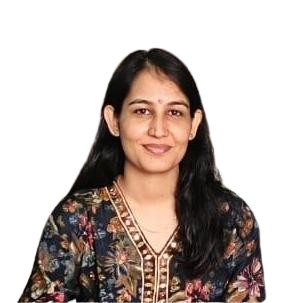
In the evolving landscape of healthcare in Patna, we are witnessing a significant paradigm shift. The traditional model of extended hospital stays is rapidly being replaced by a preference for home-based care. As a medical professional with over seven years of experience, including extensive work in public health centers, I have observed this transition closely. While the intention behind moving an elderly patient home is rooted in love and comfort, it introduces a complex challenge: How do we maintain clinical standards when family care replaces hospital supervision?
The Patna Context: A Shift in Care Dynamics
Patna, like many developing metros, has a unique demographic structure. Families are tight-knit, and the cultural expectation is often that children will care for their aging parents at home. However, the medical needs of the geriatric population are becoming increasingly complex. We are seeing a rise in chronic conditions such as diabetes, hypertension, post-stroke sequelae, and neurodegenerative disorders like dementia.
When a patient is discharged from a hospital in Kankarbagh or elsewhere in the city, the family assumes the role of the caregiver. This shift moves the patient from a monitored clinical environment to a home setting that may lack the necessary medical infrastructure. The transition is where the risks lie. It is not a question of the family’s capability to love, but rather their capacity to administer clinical care.
The Risks of Unsupervised Family Care
To understand why an integrated model is necessary, we must first acknowledge the limitations of pure family care in severe medical cases.
1. Medication Management Errors
Elderly patients are often polymedicated—taking five or more drugs daily. Managing timings, drug interactions, and side effects requires medical training. Without supervision, errors such as double dosing or missing critical cardiac medications are common.
2. Lack of Clinical Monitoring
Hospitals rely on vital sign monitoring. At home, families rarely track blood pressure, blood sugar, or oxygen saturation with the frequency required for unstable patients. A sudden spike in BP or a drop in O2 saturation can go unnoticed until it becomes a medical emergency.
3. Mobility and Injury Prevention
Patients recovering from fractures or strokes require specific physiotherapy protocols. Family members, trying to be helpful, might assist patients in moving incorrectly, leading to further injury or delayed recovery.
The Integrated Care Model: Bridging the Gap
This is where the Integrated Care Model championed by AtHomeCare™ becomes vital for the Patna healthcare ecosystem. This model does not replace the family; it empowers them. It creates a triad of support involving the patient, the family, and a medical team.
Clinical Protocols at Home
Under this model, a home is not just a residence; it becomes a care hub. Professional nurses and attendants are deployed not just to “help,” but to implement clinical orders. They ensure that the doctor’s plan is executed with the same rigor as it would be in a hospital ward.
The Role of Technology
Modern home healthcare in Patna is increasingly data-driven. Regular updates, digital vitals monitoring, and tele-consultations allow doctors like myself to track patient progress remotely. If a patient in Bankman Colony shows a trend of rising blood sugar, the home care team adjusts the diet or insulin protocol immediately, often preventing a hyperglycemic crisis.
Why Patna Needs Specialized Home Care
Accessibility is a major issue in Bihar. Traffic congestion in areas like Kankarbagh and the distance to specialized hospitals in the city center can make frequent check-ups difficult for the elderly.
Furthermore, the climate in Patna—extremely humid summers—can be harsh for bedridden patients, increasing the risk of bedsores (pressure ulcers). A trained home care nurse knows how to manage skin integrity, turn patients at regular intervals, and manage hygiene in ways that untrained family members might overlook.
Key Components of Effective Elderly Home Care
When we discuss “Managing Elderly Patients,” we are talking about a comprehensive package of services. Based on the integrated model, here is what families should look for:
- Skilled Nursing: For wound care, injections, IV fluids, and catheter management.
- Geriatric Care: Specifically trained attendants who understand the psychology of aging, handling patients with dementia or Alzheimer’s with patience and specific behavioral techniques.
- Physiotherapy: Rehabilitation programs designed for the home space to restore mobility.
- Palliative Support: For terminal illnesses, ensuring pain management and emotional support for both the patient and the family.
Conclusion
The future of elderly care in Patna lies in collaboration. As we move forward, the line between hospital and home will continue to blur. Family care is the foundation of our society, but it must be supported by clinical supervision to be safe and effective.
For families navigating the complex journey of caring for an elderly loved one, the message is clear: You do not have to do it alone. By adopting an Integrated Care Model, we ensure that our elders receive the dignity of being at home without compromising the quality of their medical treatment. This is the standard of care we must strive for, and it is the safety net our seniors deserve.