Home Rehabilitation for Complex Regional Pain Syndrome (CRPS)
A detailed clinical documentation of how multidisciplinary home healthcare — including physiotherapy, pain management, occupational therapy, and caregiver education — supported the functional recovery of a 34-year-old boutique owner in Patna diagnosed with CRPS Type I following a distal radius fracture treated with ORIF.
Disclaimer: This case study is entirely fictional and created solely for educational purposes. It does not represent a real patient. Any resemblance to actual individuals is purely coincidental. The information provided is intended for education only and should not be used as a substitute for professional medical advice, diagnosis, or treatment.
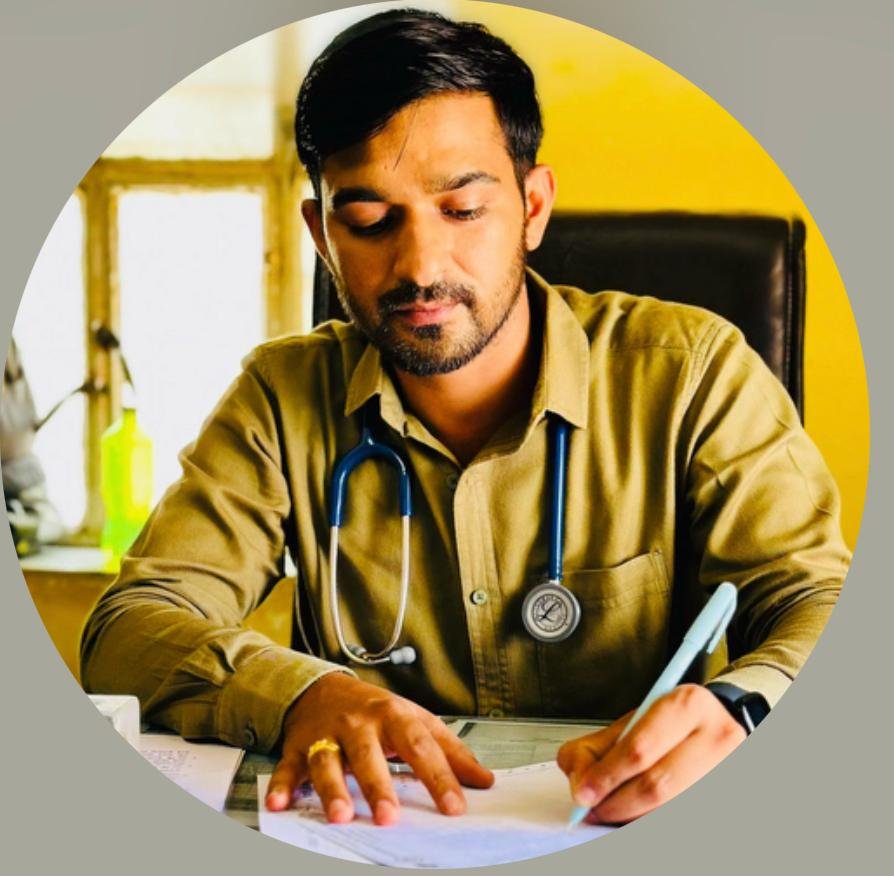
Dr. Anil Kumar
Patient Background & Medical History
The patient described in this fictional case study is Neha Prakash, a 34-year-old woman residing in Patna, Bihar. She owns and operates a fashion boutique in the city, a profession that demands considerable hand dexterity, fine motor control, and the ability to manage fabrics, sewing, and administrative tasks throughout the day. Her husband, an Income Tax Consultant, serves as the primary caregiver, while her mother — a retired college lecturer — provides secondary support during the daytime.
Prior to the incident documented here, Neha was functionally independent in all activities of daily living. She managed her boutique without assistance, performed all household tasks, and had no known chronic medical conditions that limited her physical function. Her lifestyle was active, and she had no history of prior fractures, significant injuries, or chronic pain conditions.
| Patient Name | Neha Prakash (Fictional) |
| Age | 34 Years |
| Gender | Female |
| City | Patna, Bihar |
| Occupation | Fashion Boutique Owner |
| Marital Status | Married |
| Primary Caregiver | Husband (Income Tax Consultant) |
| Secondary Caregiver | Mother (Retired College Lecturer) |
Associated Medical Conditions
At the time of her injury evaluation, the following associated conditions were documented. While none were the primary reason for her rehabilitation, each played a role in the overall treatment approach and recovery planning:
- Vitamin D Deficiency: Documented deficiency that could potentially affect bone healing and musculoskeletal recovery. This required supplementation as part of the overall management plan, particularly relevant given the nature of her fracture and the need for optimal bone metabolism during recovery.
- Mild Anxiety Disorder: Pre-existing condition that became clinically relevant as CRPS-related pain and functional limitation developed. Anxiety is known to amplify pain perception and can interfere with rehabilitation participation, making psychological support an important component of the care plan.
- Seasonal Allergic Rhinitis: A chronic but well-managed condition that did not directly impact the orthopedic or pain management aspects of her care, but was noted for completeness in medical documentation.
The treating team recognized that Vitamin D deficiency could impair bone healing and muscle function, requiring targeted supplementation. The mild anxiety disorder was particularly significant because CRPS itself can trigger or worsen psychological distress, creating a cycle where anxiety increases pain perception and pain increases anxiety. Addressing both simultaneously — through medication optimization and psychological counselling — was essential to breaking this cycle.
The Incident
Neha sustained a left distal radius fracture after slipping on a wet staircase. This is one of the most common fracture types in adults, typically resulting from a fall on an outstretched hand (FOOSH injury). The fracture was treated surgically with Open Reduction and Internal Fixation (ORIF) using a locking plate — a standard and effective surgical approach for displaced distal radius fractures that restores anatomical alignment and allows early mobilization.
The initial post-operative period progressed as expected. The surgical wound healed without infection, and X-rays confirmed satisfactory implant position and fracture alignment. Neha began basic finger movements as directed by her surgical team. However, approximately six weeks after surgery, the clinical picture changed dramatically.
Clinical Diagnosis & Assessment
Onset of CRPS Symptoms
Around six weeks post-surgery, Neha began experiencing persistent burning pain in her left wrist and hand that was markedly disproportionate to what would be expected at that stage of fracture recovery. The pain was not the typical post-surgical discomfort that gradually improves — it was a different quality of pain entirely: intense, burning, and constant. Even light touch from clothing against her hand triggered severe pain, a clinical phenomenon known as allodynia.
Alongside the pain, she noticed several additional symptoms that pointed toward a more complex problem than routine post-surgical recovery:
- Noticeable swelling of the wrist and fingers that did not resolve with elevation
- Progressive stiffness of the fingers limiting movement
- Changes in skin color of the affected hand compared to the opposite hand
- Increased sweating of the affected hand (a sign of autonomic dysfunction)
- Difficulty moving her fingers for everyday tasks
Diagnostic Evaluation
Neha was evaluated by both an orthopedic surgeon and a pain specialist. The orthopedic assessment confirmed that the fracture was healing appropriately and there was no evidence of implant complications, infection, or mechanical problems with the hardware. X-rays showed the locking plate in good position with no loosening or breakage.
The neurological examination revealed the characteristic features of a pain syndrome involving the nervous system rather than a structural orthopedic problem. Based on the clinical presentation — disproportionate pain, allodynia, swelling, skin color changes, temperature differences, and abnormal sweating — a diagnosis of Complex Regional Pain Syndrome Type I (formerly known as Reflex Sympathetic Dystrophy) was established.
CRPS Type I develops without confirmed nerve injury, unlike CRPS Type II which follows a documented nerve lesion. In this case, the triggering event was the fracture and surgery, but no specific nerve was identified as damaged. CRPS is thought to involve an abnormal response of the nervous system to injury, where pain signals become amplified and the body’s inflammatory and autonomic responses become dysregulated. The condition is recognized by the Budapest Criteria, a standardized diagnostic framework. Early recognition is critical because outcomes are significantly better when treatment begins within the first few months of symptom onset.
Presenting Condition After Discharge
| Parameter | Finding at Discharge |
|---|---|
| Severe burning pain | Persistent in left hand and wrist |
| Allodynia | Extreme sensitivity — clothing caused intense pain |
| Swelling | Present around the wrist and fingers |
| Finger stiffness | Significant limitation in flexion and extension |
| Grip strength | Only 35% of the unaffected hand |
| Hand coordination | Reduced — difficulty with fine motor tasks |
| Writing ability | Difficult for prolonged periods |
| Sleep disturbance | Pain significantly disrupted sleep quality |
| Fear of movement | Avoided using the affected hand |
| Emotional status | Frustration and heightened anxiety |
Vital Signs at Discharge
| Parameter | Value | Status |
|---|---|---|
| Blood Pressure | 118/74 mmHg | Normal |
| Heart Rate | 80 bpm | Normal |
| Respiratory Rate | 16/min | Normal |
| Temperature | 98.3°F | Normal |
| Oxygen Saturation | 99% on Room Air | Normal |
Disease-Specific Pain & Functional Assessment
| Parameter | Finding |
|---|---|
| Pain Score (VAS) | 8/10 — Severe burning pain |
| Grip Strength | 35% of unaffected hand |
| Allodynia | Severe — light touch provoked intense pain |
| Edema | Persistent around the wrist |
| Skin Temperature | Increased compared to opposite hand |
| Skin Discoloration | Mild discoloration present |
| Wrist ROM | Limited in all directions |
| Finger Dexterity | Reduced |
| Infection / Implant Issues | None identified |
Functional Assessment
- Buttoning clothes
- Hair grooming
- Cutting vegetables
- Carrying shopping bags
- Opening jars and bottles
- Writing for prolonged periods
- Household cleaning tasks
- Walking (full lower limb mobility)
- Eating (using right hand)
- Communication
- Decision-making
- Toileting
- Medication management
- Independent transfers
Hospital Treatment Course
Neha underwent an 8-day hospitalization specifically focused on intensive pain management, multidisciplinary evaluation, and rehabilitation planning for her newly diagnosed CRPS Type I. The hospital stay was not for surgical management — the fracture had already been treated — but rather for addressing the complex pain syndrome that had developed as a complication.
- Orthopedic Evaluation: Confirmation that the fracture and ORIF hardware were intact. X-rays showed satisfactory alignment and no implant complications.
- Neurological Examination: Detailed assessment of sensory function, motor function, and autonomic features to characterize the pain syndrome.
- Pain Specialist Consultation: Comprehensive pain assessment using standardized tools (VAS), identification of pain characteristics (burning, allodynia, hyperalgesia), and development of a pharmacological pain management strategy.
- Medication Optimization: Adjustment of pain medications to target the specific mechanisms of CRPS, including neuropathic pain agents and anti-inflammatory medications.
- Occupational Therapy: Assessment of hand function, initiation of adaptive strategies, and beginning of desensitization techniques under controlled hospital conditions.
- Mirror Therapy Initiation: Introduction of mirror visual feedback therapy — a specific intervention for CRPS that uses a mirror to create the visual illusion of normal movement of the affected limb, helping to retrain the brain’s pain processing.
- Physiotherapy: Gentle range of motion exercises, edema management techniques, and establishment of a safe exercise baseline.
- Psychological Counselling: Addressing the emotional impact of chronic pain, anxiety management strategies, and preparation for the rehabilitation journey ahead.
- Home Rehabilitation Planning: Development of a detailed, structured home care plan with clear goals, interventions, and monitoring parameters.
With a pain score of 8/10, severe allodynia, and significant functional impairment, the treating team needed a controlled environment to rapidly optimize medications, initiate specialized therapies like mirror therapy under expert supervision, and establish a rehabilitation baseline. The 8-day stay allowed the team to stabilize her pain to a manageable level before transitioning to home-based care — a strategic approach associated with better long-term functional recovery in CRPS.
Why Home Healthcare Was Clinically Appropriate
Following hospital discharge, the treating team recommended multidisciplinary home healthcare rather than continued hospitalization or regular outpatient visits. This recommendation was based on specific clinical reasoning.
1. CRPS Rehabilitation Requires Consistency, Not Intensity
CRPS responds best to frequent, gentle, consistent therapy sessions spread throughout the week. Daily short sessions at home are more effective than three lengthy hospital visits per week. Physiotherapy at home enabled this consistent approach without the burden of daily travel.
2. Desensitization Therapy Is Most Effective in the Patient’s Own Environment
Desensitization involves gradually exposing the affected hand to different textures and stimuli. This process works best when integrated into the patient’s actual daily environment — touching household fabrics, kitchen utensils, and personal items — rather than being limited to clinic-based materials.
3. Functional Rehabilitation Happens in Real-Life Context
Practicing functional tasks — buttoning clothes, using kitchen tools, writing — in her actual home environment allowed the therapy team to address real barriers. This approach, supported by patient care services at home, bridges the gap between clinical exercises and real-world function.
4. Pain Monitoring Between Doctor Visits
CRPS pain can fluctuate significantly. Having a trained home nurse monitor pain levels and coordinate with the visiting pain specialist ensured that any deterioration was detected early.
5. Psychological Comfort of the Home Environment
Given Neha’s pre-existing anxiety disorder and the emotional distress caused by CRPS, recovering in her familiar home environment reduced the additional stress that hospital visits might have caused. Reduced stress has a direct, measurable impact on pain perception in CRPS patients.
6. Caregiver Integration Into the Rehabilitation Process
Home healthcare allowed Neha’s husband and mother to be directly involved in her rehabilitation. They could observe therapy sessions, learn techniques, and reinforce the plan throughout the day. This level of caregiver integration is difficult to achieve in outpatient settings.
7. Reduced Infection Exposure
While her surgical wound had healed, Neha had an orthopedic implant in place. Avoiding unnecessary hospital visits reduced her exposure to hospital-acquired infections — a practical consideration for any patient with internal hardware.
Home Care Plan by AtHomeCare
The home rehabilitation plan was structured around four core pillars, each delivered by a specialized member of the home healthcare team. Every intervention was documented, measured, and reviewed during doctor’s home visits every three weeks.
The home nurse served as the clinical anchor of the rehabilitation plan. Home healthcare services ensured continuity between hospital and home.
- Pain Assessment: Daily VAS measurement, documenting pain character, triggers, and medication response to create trend records.
- Medication Administration: Ensuring prescribed pain medications, neuropathic agents, and Vitamin D supplements were administered consistently.
- Swelling Monitoring: Regular circumferential measurements and visual inspection, documenting trends over time.
- Skin Assessment: Monitoring for color changes, temperature differences, and signs of infection or dermatological changes.
- CRPS Education: Ongoing patient and family education about the condition, treatment rationale, and realistic expectations.
- Activity Encouragement: Gently encouraging use of the affected hand for appropriate activities, countering protective disuse.
- Specialist Coordination: Scheduling and preparing for doctor home visits, communicating clinical updates.
- Emotional Support: Providing compassionate, non-judgmental emotional support and recognizing signs of worsening anxiety or depression.
The patient attendant provided practical daily support. Patient care services bridged the gap between therapy sessions and everyday life.
- ADL Assistance: Helping with dressing, grooming, cooking while gradually encouraging independence.
- Exercise Reinforcement: Reminding and encouraging hand exercises between formal physiotherapy sessions.
- Emotional Reassurance: Providing companionship and support during pain flare-ups or frustration.
- Household Assistance: Managing tasks Neha could not perform, reducing stress about home management.
- Pain Level Monitoring: Observing and reporting changes in pain behavior or activity avoidance patterns.
- Schedule Support: Ensuring therapy sessions, medication times, rest periods, and activities were balanced appropriately.
Physiotherapy at home allowed for frequent, consistent sessions essential for CRPS recovery.
Treatment Goals
- Pain Reduction: Graded movement therapy and modalities to reduce pain intensity and frequency.
- Wrist Mobility: Progressive ROM exercises targeting flexion, extension, radial/ulnar deviation, pronation, and supination.
- Grip Strength Restoration: Progressive strengthening from isometric contractions to resistance-based grip training.
- Desensitization Therapy: Structured texture exposure program — soft fabrics to rougher materials — to reduce allodynia.
- Mirror Therapy: Continuing mirror visual feedback therapy to address cortical reorganization in CRPS.
- Functional Hand Exercises: Task-specific exercises — picking up small objects, turning keys, using scissors, manipulating buttons.
- Range of Motion Training: Active and gentle passive ROM to prevent contractures and maintain joint mobility.
- Progressive Strengthening: Increasing resistance using therapy putty, stress balls, and grip trainers as tolerance improved.
The pain specialist conducted home visits every three weeks. Doctor visits at home eliminated the burden of travel to hospital OPDs.
- Pain Control Evaluation: Reviewing pain diaries, VAS scores, and functional assessments to determine medication effectiveness.
- Medication Modification: Adjusting dosages, adding or discontinuing medications based on clinical response and side effect monitoring.
- Functional Recovery Assessment: Evaluating grip strength, ROM, and functional task performance against established goals.
- Rehabilitation Progress Review: Assessing physiotherapy effectiveness, approving progression, or recommending modifications.
- Psychological Wellbeing Monitoring: Screening for depression, anxiety escalation, or catastrophizing that may require specialized referral.
Medical Equipment Used
Specific rehabilitation equipment was arranged, sourced through medical equipment rental services in Patna.
Therapy Putty
Finger Exerciser
Wrist Splint
TENS Machine
Grip Strength Trainer
Stress Ball
Daily Care Plan Structure
Each day followed a structured schedule balancing therapy, rest, nutrition, and emotional wellbeing.
- Pain assessment using VAS — documented in daily log
- Morning medications administered as prescribed
- Gentle wrist stretching exercises under nurse guidance
- Mirror therapy session (15–20 minutes)
- Healthy protein-rich breakfast
- Physiotherapy session — primary intensive therapy block
- Desensitization exercises — structured texture exposure
- Fine motor skill training — small objects, buttons, utensils
- Balanced lunch with protein, calcium, and Vitamin D
- Rest period — allowing the nervous system to settle
- Grip strengthening with therapy putty and grip trainer
- Functional hand activities — boutique-relevant tasks
- Relaxation exercises — breathing techniques
- Family interaction time — emotional wellbeing
- Warm compress application (if advised)
- Evening medications administered
- Gentle stretching before bed
- Sleep hygiene routine
Recovery Timeline
CRPS recovery is not linear. There are good days and difficult days, periods of plateau followed by sudden improvement, and occasional pain flare-ups even during overall progression.
Transition from hospital to home. Home nurse received detailed handover. Initial pain assessment confirmed VAS 8/10. Medications commenced. Neha was anxious about being at home without direct hospital supervision. Husband and mother received initial orientation.
Nursing HandoverPain VAS: 8/10First mirror therapy session at home completed. Desensitization started with very soft fabrics for brief periods. Allodynia remained severe — could tolerate light cotton for ~10 seconds. Sleep remained significantly disturbed.
Mirror Therapy StartedDesensitization InitiatedPhysiotherapist established baseline measurements. Exercise program formalized. First pain flare-up occurred after she attempted to carry a shopping bag, reinforcing the need for gradual progression.
Baseline EstablishedFirst Flare-upPain score reduced — 8/10 to 7/10 on most days. Could tolerate light touch for ~30 seconds. Could make a loose fist. Grip strength ~40%. Sleep began improving slightly.
Pain: 8→7/10Grip: ~40%Pain specialist reviewed pain diaries. Noted meaningful early progress. Medication adjusted — one medication tapered. Approved progression to light resistance exercises. Set goals: pain to 5/10, grip to 50%, independent buttoning.
Doctor ReviewMedication AdjustedGoals SetPain fluctuated between 5/10 and 7/10 with more good days. Allodynia reduced — could wear long-sleeved clothing. Achieved independent buttoning. Wrist ROM improved. More spontaneous left hand use.
Buttoning AchievedPain: 5–7/10Second doctor visit. Pain consistently around 5/10. Grip strength at 58%. Wrist swelling reduced. Neha resumed limited boutique supervision. Doctor approved further medication tapering.
Doctor ReviewGrip: 58%Boutique Supervision ResumedPain further reduced to 3–5/10. Could write for extended periods, use scissors, open bottles. Sleep quality near-normal. Physiotherapy shifted to strengthening. Emotional improvement marked.
Pain: 3–5/10Writing ImprovedSleep Near-NormalPain consistently at 3–4/10. Grip strength at 72%. Wrist ROM approaching functional levels. Further medication reduction approved. Discussed long-term management. Anxiety returned to baseline.
Doctor ReviewGrip: 72%Anxiety at BaselineResumed sewing — short periods then progressively longer. Could cut vegetables, carry light bags, perform most household tasks independently. Grip strength 78%. Physiotherapy frequency reduced.
Sewing ResumedGrip: 78%Most ADLs IndependentComprehensive 12-week assessment. Pain: 3/10. Grip strength: 82%. Wrist ROM significantly improved. Finger stiffness considerably reduced. Successfully resumed sewing and boutique supervision. Most household activities independent. No hospital readmissions.
Pain: 3/10Grip: 82%12-Week Goal AchievedClinical Evidence & Measurements
The following tables present the documented clinical measurements at discharge and at the 12-week assessment.
Pain & Functional Progression
| Parameter | At Discharge | At 12 Weeks | Change |
|---|---|---|---|
| Pain Score (VAS) | 8/10 | 3/10 | ↓ 62.5% reduction |
| Grip Strength | 35% of unaffected | 82% of unaffected | ↑ 134% improvement |
| Allodynia | Severe | Mild | Significant reduction |
| Wrist ROM | Limited all directions | Significantly improved | Functional range |
| Finger Stiffness | Considerable | Considerably reduced | Meaningful improvement |
| Sleep Quality | Severely disrupted | Substantially improved | Near-normal |
Visual Progress Indicators
Pain Score (Visual Analog Scale)
Lower is better — target was reduction below 4/10
Grip Strength (% of Unaffected Hand)
Higher is better — target was above 75%
Vital Signs — Stable Throughout
| Parameter | At Discharge | At 12 Weeks | Trend |
|---|---|---|---|
| Blood Pressure | 118/74 mmHg | 116/72 mmHg | Stable — Normal |
| Heart Rate | 80 bpm | 76 bpm | Stable — Normal |
| Respiratory Rate | 16/min | 16/min | Stable — Normal |
| Temperature | 98.3°F | 98.4°F | Stable — Normal |
| SpO₂ | 99% | 99% | Stable — Normal |
Recovery Outcome at 12 Weeks
12-Week Rehabilitation: Significant Functional Improvement
After twelve weeks of consistent multidisciplinary home rehabilitation, the patient achieved meaningful clinical and functional recovery across all measured parameters.
Remaining Challenges & Long-Term Considerations
- Residual Pain (3/10): Some pain persisted. This is common in CRPS and may continue to gradually improve or stabilize at a manageable level.
- Grip Strength Gap: At 82%, an 18% deficit remained. Further improvement was expected with continued independent exercise.
- Need for Continued Exercise: Stopping exercises could lead to regression. Neha was educated about maintaining a long-term routine.
- Pain Flare-up Risk: CRPS patients remain susceptible to flare-ups triggered by stress, illness, or overexertion.
- Periodic Follow-up: Ongoing specialist reviews were recommended to monitor for regression.
- Chronic pain progression — risk of pain becoming entrenched and treatment-resistant
- Permanent joint stiffness — risk of contracture development
- Muscle wasting — risk of disuse atrophy
- Depression — risk of mood disorder from chronic pain
- Anxiety escalation — risk of pre-existing anxiety worsening
- Sleep disorders — risk of chronic sleep disturbance
- Medication side effects — risk from neuropathic pain medications
- Social isolation and reduced quality of life
Family Education & Caregiver Support
A structured family education program was integral to the home care plan. The patient care team conducted education sessions progressively throughout the 12-week period.
1. The Importance of Movement Despite Pain
Encouraging daily use of the affected hand during light activities is essential — complete avoidance worsens stiffness and functional loss. The team explained the difference between “hurt” (normal during rehabilitation) and “harm” (sign of tissue damage).
2. Supporting Desensitization at Home
Caregivers were taught to support regular desensitization by gradually exposing the hand to different textures as instructed, starting with the softest textures and keeping exposure brief.
3. Consistent Medication Administration
Neuropathic pain medications work preventively — maintaining steady blood levels. Taking them only after pain escalates reduces effectiveness.
4. Understanding the Invisible Nature of CRPS Pain
CRPS pain can be intense even when visible swelling has improved. Offering emotional support without discouraging movement is critical.
5. Recognizing Warning Signs
Watch for: worsening swelling, increasing stiffness, severe skin color changes, inability to move fingers, or medication side effects.
6. Nutritional Support
Maintaining a nutritious diet rich in protein, calcium, and Vitamin D. Connected with dietitian consultation services.
7. Stress Management
Anxiety and stress can worsen pain perception. Yoga and relaxation consultation was offered as an additional resource.
8. Follow-up Compliance
Attending all scheduled reviews is essential. CRPS recovery is a long-term process requiring consistent professional monitoring.
Key Clinical Learnings
While this case study is fictional, it illustrates several clinically important principles well-established in the medical literature on CRPS and home-based rehabilitation.
- CRPS is a recognized but underappreciated complication after fractures and surgery. Healthcare providers should maintain a high index of suspicion when post-injury pain is disproportionately severe, particularly when accompanied by sensory changes, swelling, skin color changes, or temperature asymmetry. Early recognition and treatment are associated with significantly better outcomes.
- Early movement under professional supervision is critical. While rest may feel intuitively right, immobility worsens CRPS by promoting stiffness, muscle atrophy, and further nervous system dysregulation. Movement must be gentle, graded, and professionally guided — but it must happen.
- CRPS pain management requires a genuinely multidisciplinary approach. No single intervention is sufficient. The condition involves the nervous system, musculoskeletal system, and psychological state simultaneously, and the treatment plan must address all three domains in an integrated manner.
- Home-based physiotherapy can effectively improve function and independence in CRPS patients. The consistency of daily home sessions, the ability to integrate therapy into real-life contexts, and the reduction of travel burden make home rehabilitation a clinically appropriate option.
- Emotional and psychological support is not optional — it is a core treatment component. The bidirectional relationship between pain and psychological distress in CRPS means that addressing anxiety and maintaining motivation are as important as any medication or exercise.
- Regular, structured exercises improve circulation, reduce stiffness, and support the brain’s reorganization process. Mirror therapy helps reverse maladaptive cortical reorganization by providing the brain with positive sensory and motor feedback.
- Family education and involvement directly influence rehabilitation outcomes. Caregivers who understand the condition and know how to support rehabilitation create an environment that maximizes the effectiveness of professional interventions.
- Consistent follow-up and monitoring are essential for long-term recovery. CRPS can plateau, regress, or flare up unexpectedly. Regular professional assessment ensures the treatment plan evolves with the patient’s changing needs.
- This case study is fictional and intended for educational purposes only.
- It does not constitute medical advice, diagnosis, or treatment recommendations.
- CRPS outcomes vary significantly between individuals.
- Anyone experiencing symptoms suggestive of CRPS should seek evaluation from a qualified medical professional.
- If you are in Patna and need home healthcare support, consult your physician about whether home healthcare services would be appropriate.
Frequently Asked Questions
CRPS is a chronic pain condition that may develop after an injury or surgery, causing pain that is often much more severe than expected for the initial injury. It involves dysfunction of the nervous system and can affect the skin, muscles, bones, and blood vessels in the affected area. CRPS Type I occurs without confirmed nerve injury, while CRPS Type II follows a documented nerve lesion.
Many patients experience significant improvement with early diagnosis, medications, physiotherapy, occupational therapy, and consistent rehabilitation. Early intervention — ideally within the first few months — is associated with better outcomes. However, the degree of improvement varies between individuals.
Mirror therapy uses a mirror to create the visual illusion that the affected limb is moving normally, which helps retrain the brain’s pain processing. Desensitization involves gradually exposing the affected area to different textures, helping to reduce allodynia by progressively normalizing the nervous system’s sensory responses.
Yes. Gentle, supervised movement helps prevent stiffness, maintains blood flow, and improves long-term recovery. Complete avoidance can worsen stiffness and functional loss. However, movement must be carefully graded and never forced to the point of triggering a severe flare-up.
Allodynia is a condition where normally non-painful stimuli — such as light touch from clothing, a gentle breeze, or room-temperature water — trigger intense pain. It is a hallmark feature of CRPS resulting from heightened sensitivity of the nervous system’s pain processing pathways.
Seek medical advice promptly if pain suddenly worsens beyond expected fluctuation, swelling increases significantly, signs of infection appear (redness, warmth, fever), skin color changes become severe or rapidly progressive, movement becomes progressively more limited, or new neurological symptoms develop.
Home healthcare provides consistent pain monitoring, supervised physiotherapy in the patient’s own environment, functional rehabilitation using real-world tasks, caregiver education, emotional support, regular progress assessment by visiting doctors, and medication management. The home setting allows frequent short therapy sessions and integrates desensitization into daily life.
Recovery timelines vary significantly. Some patients show meaningful improvement within 8 to 12 weeks of consistent multidisciplinary rehabilitation. Others may require several months or longer. Factors influencing speed include how early treatment begins, severity of initial presentation, overall health, psychological state, and consistency of rehabilitation participation.
Related Services in Patna
AtHomeCare Patna offers a comprehensive range of home healthcare services relevant to patients with conditions similar to those described in this educational case study.
Related Reading
- Managing Pain: A Comprehensive Guide to Medication and Alternatives
- Managing Pain Without Pills: Holistic Therapies for Chronic Pain Relief
- Understanding Pain and Mobility: A Comprehensive Guide
- The Future of Recovery: Exploring At-Home Physiotherapy Services
- Frozen Shoulder: Symptoms, Causes, and Recovery
- Orthopedic Surgery Recovery at Home: The Role of Physiotherapy
- Specialized Nursing Services in Patna: Care That Comes Home
- Post-Operative Nursing Care at Home in Patna
- Why Choose Specialized Nursing Services in Patna Over Hospitalization
- The Importance of Specialized Nursing Services in Patna