Palliative Care at Home in Patna: Comfort-Focused Medical Care for Serious Illness
Palliative care at home in Patna brings expert pain management, symptom control, and emotional support to patients with serious illness — in the comfort of their own home. AtHomeCare provides trained caregivers, nursing support, medical equipment, and doctor supervision coordinated with your treating physician.
What Is Palliative Care at Home?
Palliative care at home in Patna is specialized medical care focused on relieving pain, managing symptoms, and improving quality of life for patients with serious illness — delivered in the patient’s own home rather than a hospital. It is provided by trained caregivers, nurses, and supervised by doctors.
Palliative care is not limited to end-of-life situations. It can begin at the time of diagnosis of a serious condition and continue alongside curative treatment. The core principle is simple: relieve suffering and maximize comfort, regardless of the stage of disease.
In Patna, where families often prefer to keep loved ones at home due to cultural values, emotional bonds, and practical constraints, home palliative care services fill a critical gap between what hospitals can provide and what patients actually need — daily, ongoing comfort management in familiar surroundings.
AtHomeCare’s palliative care approach integrates medical expertise with compassionate caregiving, ensuring that patients in Patna receive the same standard of symptom management that would be available in a hospital palliative care unit.
Who Needs Palliative Care in Patna?
Patients in Patna who benefit from home palliative care include those with advanced cancer, end-stage organ failure (heart, lungs, kidneys, liver), severe neurological conditions like stroke or dementia, and any life-limiting illness where symptom burden is high and quality of life is declining.
Many families in Patna wait too long to seek palliative care, often only considering it when the patient is bedridden or in the final days. This delay means months of unnecessary suffering. Palliative care is most effective when started early — it can actually help patients live longer with better quality by reducing the physical stress of unmanaged symptoms.
Palliative Care vs. Hospice Care: Understanding the Difference
Palliative care can begin at any stage of serious illness and runs alongside curative treatment. Hospice care is a specific type of palliative care for patients in the final months of life when curative treatment has been stopped. Both can be delivered at home in Patna.
| Aspect | Palliative Care at Home | Hospice Care at Home |
|---|---|---|
| When it starts | At any stage of serious illness | Typically last 6 months of life |
| Curative treatment | Can continue alongside | Usually discontinued |
| Primary goal | Symptom relief + quality of life | Comfort and dignity in dying |
| Team involved | Caregiver, nurse, doctor, specialist | Caregiver, nurse, palliative doctor, counselor |
| Common in Patna for | Cancer during chemo, COPD, heart failure | Terminal cancer, end-stage organ failure |
| Duration | Weeks to years | Days to months |
| AtHomeCare provides | Yes, full spectrum | Yes, as part of palliative services |
In India, the terms “palliative care” and “hospice care” are often used interchangeably. AtHomeCare provides both under a unified home care framework. Whether your loved one is receiving active cancer treatment or has entered the final phase of illness, the comfort-focused approach remains consistent.
Conditions Managed Under Home Palliative Care in Patna
Home palliative care in Patna manages advanced cancer, end-stage COPD and respiratory diseases, advanced heart failure, terminal kidney disease, end-stage liver cirrhosis, advanced dementia and Alzheimer’s, post-stroke severe disability, motor neuron disease, and late-stage Parkinson’s disease.
Advanced Cancer
Patients with cancer at stages III and IV often experience severe pain, nausea, fatigue, breathlessness, and loss of appetite. Home palliative care manages these symptoms through prescribed analgesics, anti-emetics, positioning, nutritional support, and emotional counseling. AtHomeCare coordinates with the oncologist at Patna’s cancer treatment centers to ensure home care complements ongoing treatment. Common needs include wound care for tumor wounds, fistula management, and stoma care.
End-Stage COPD and Respiratory Diseases
Patients with end-stage COPD experience chronic breathlessness, persistent cough, frequent chest infections, and anxiety related to difficulty breathing. Home care includes oxygen therapy management, BiPAP support, nebulization, chest physiotherapy, suction assistance, and breathing exercises. Caregivers are trained to recognize signs of respiratory deterioration and escalate appropriately.
Advanced Heart Failure
Advanced heart failure patients at home experience breathlessness even at rest, swelling in legs and abdomen, persistent fatigue, and difficulty lying flat. Palliative management includes fluid restriction monitoring, daily weight tracking, medication administration, leg elevation, and comfort positioning. The caregiver monitors for sudden worsening that may require hospital evaluation.
End-Stage Kidney Disease
When patients choose conservative (non-dialysis) management or when dialysis is no longer effective, end-stage kidney disease palliative care focuses on managing uremic symptoms — nausea, itching, confusion, fluid overload, and fatigue. Care includes diet management, fluid monitoring, skin care for itching, and comfort measures as kidney function declines.
Advanced Dementia and Alzheimer’s Disease
Patients with advanced dementia lose the ability to communicate needs, swallow safely, and recognize family. Home palliative care focuses on preventing infections, managing agitation, ensuring comfort through positioning, mouth care, and feeding support (often via Ryle’s tube). Caregivers are trained in dementia-specific communication and behavioral management.
Post-Stroke Severe Disability
Severe stroke patients may be fully dependent, with paralysis, swallowing difficulty, communication impairment, and risk of recurrent strokes. Home care includes prevention of complications (pressure sores, pneumonia, DVT), assisted feeding, catheter care, physiotherapy for contracture prevention, and seizure monitoring if applicable.
Motor Neuron Disease (ALS) and Other Neurological Conditions
ALS patients progressively lose muscle control, leading to difficulty swallowing, breathing, and moving. Home palliative care for ALS includes suction for airway clearance, BiPAP support, feeding tube management, communication aid facilitation, and extensive emotional support as the patient remains aware while losing physical function.
Caregiver Training in Patna for Palliative Care
Caregiver training in Patna for palliative care at AtHomeCare covers pain assessment, medication administration, wound care, device management (catheters, feeding tubes), body positioning, infection control, emergency recognition, and compassionate communication with patients and families during end-of-life stages.
The quality of home palliative care in Patna depends entirely on the competence and compassion of the caregiver at the bedside. Unlike hospital nursing where multiple staff are present, home care often involves a single caregiver managing the patient for 8 to 12 hours at a stretch. This makes caregiver training Patna not just important but non-negotiable.
Training Modules and Competencies
AtHomeCare’s palliative caregiver training in Patna is structured into the following modules, each with both theoretical instruction and supervised practical assessment:
| Module | Skills Covered | Assessment Method |
|---|---|---|
| Pain Assessment | Numerical rating scale, facial expression scale, behavioral pain cues in non-verbal patients, documenting pain levels | Role-play scenarios with standardized patients |
| Medication Administration | Oral, sublingual, transdermal patches, rectal suppositories, basic injection technique, syringe pump operation | Observed medication rounds with checklist |
| Wound and Skin Care | Pressure sore staging, cleaning and dressing, moisture management, barrier cream application, wound infection signs | Practical demonstration on simulation models |
| Device Management | Foley catheter care and bag management, Ryle’s tube feeding, PEG tube care, colostomy bag care, tracheostomy basic care | Hands-on skills lab with equipment |
| Body Positioning | Comfort positioning for pain relief, turning schedule for bedridden patients, pillow and cushion use, safe transfer techniques | Physical demonstration and return demonstration |
| Respiratory Support | Oxygen concentrator operation, BiPAP mask fitting, nebulizer use, suction apparatus operation, oral suctioning | Equipment operation test |
| Infection Prevention | Hand hygiene, PPE use, waste segregation, cleaning protocols for home environment, catheter-associated infection prevention | Written test + observed practice |
| Emergency Recognition | Recognizing deterioration signs, vital sign abnormalities, choking, seizure management, chest pain response | Simulation-based emergency scenarios |
| Communication and Emotional Support | Active listening, discussing difficult news, supporting grieving family members, cultural sensitivity, maintaining patient dignity | Facilitated group discussion and reflection |
| End-of-Life Care | Recognizing dying process, mouth care, last offices procedure, supporting family through death, documentation | Case study analysis and role-play |
When choosing a palliative care provider, ask specifically about caregiver training content and duration. A 2-day orientation is not adequate for palliative care. AtHomeCare’s palliative training program requires a minimum of 40 hours of specialized instruction plus supervised clinical practice before a caregiver is assigned to a palliative case.
Pain and Symptom Management at Home
Pain and symptom management at home in Patna follows the WHO pain ladder approach — starting with non-opioid medications and escalating as needed. Caregivers administer prescribed medications on schedule, use non-drug comfort measures, monitor for breakthrough symptoms, and communicate changes to the supervising doctor for timely adjustments.
Uncontrolled pain is the most common reason families in Patna eventually rush to hospital emergency rooms, even when they want to keep their loved one at home. Effective pain management at home requires three things: the right medications prescribed by a doctor, a trained caregiver who administers them correctly on time, and a communication system for escalating breakthrough pain.
Common Symptoms Managed at Home
| Symptom | Home Management Approach | When to Escalate to Doctor |
|---|---|---|
| Pain | Scheduled analgesics, positioning, warm/cold compresses, distraction techniques | Pain score increases by 2+ points, new type of pain, pain uncontrolled by current medication |
| Breathlessness | Oxygen therapy, BiPAP, upright positioning, fan for air movement, calming techniques | Sudden severe breathlessness, oxygen saturation below 88%, blue discoloration |
| Nausea/Vomiting | Anti-emetic medication, small frequent meals, ginger, fresh air, mouth care after vomiting | Unable to keep any medication down, vomiting blood, signs of dehydration |
| Constipation | Prescribed laxatives, fluid intake, fiber if eating, abdominal massage | No bowel movement for 4+ days, abdominal pain, vomiting |
| Agitation/Confusion | Calm environment, reassurance, remove triggers, prescribed sedation if ordered | Sudden onset confusion, aggressive behavior, hallucinations |
| Pressure Sores | 2-hourly turning, air mattress, skin care, nutrition optimization, wound dressing | New or worsening wound, signs of infection (redness, pus, fever) |
| Secretions | Oral suctioning, positioning on side, prescribed drying medications | Difficulty breathing due to secretions, noisy breathing increasing |
If the patient experiences sudden severe breathlessness with chest pain, loss of consciousness, seizure lasting more than 5 minutes, or active bleeding that does not stop with pressure — call the nearest hospital emergency immediately. Do not wait for the AtHomeCare team. The caregiver will provide first-aid while the family arranges transport.
Medical Equipment for Home Palliative Care in Patna
Essential medical equipment for home palliative care in Patna includes an adjustable hospital bed, pressure relief mattress, oxygen concentrator, suction machine, pulse oximeter, BP monitor, nebulizer, syringe pump (if continuous medication is prescribed), commode chair, and wheelchair. Equipment needs vary based on the patient’s condition and are assessed during the initial home evaluation.
AtHomeCare provides all necessary medical equipment on rent with delivery, setup, and maintenance included. Families do not need to purchase equipment. See our guide on why renting medical equipment is the smarter choice for home care.
| Condition | Essential Equipment | Optional / As Needed |
|---|---|---|
| Advanced Cancer | Hospital bed, air mattress, syringe pump, commode, wheelchair | Oxygen concentrator, suction machine, wound care supplies |
| End-Stage COPD | Oxygen concentrator, BiPAP machine, nebulizer, suction machine, hospital bed | Pulse oximeter, peak flow meter |
| Advanced Heart Failure | Hospital bed (for head elevation), oxygen concentrator, pulse oximeter, BP monitor | BiPAP, commode chair |
| Advanced Dementia | Hospital bed with side rails, air mattress, wheelchair, commode | GPS tracker (for wandering), bed alarm |
| Post-Stroke | Hospital bed, air mattress, wheelchair, commode, Ryle’s tube supplies | Suction machine, catheter supplies, physiotherapy aids |
| End-Stage Kidney Disease | Hospital bed, commode, BP monitor | Oxygen concentrator (if fluid in lungs) |
For detailed information on specific equipment, refer to our guides on home ICU setup, hospital beds and air mattresses, and BiPAP and suction apparatus.
How AtHomeCare Operates Palliative Care in Patna
AtHomeCare’s palliative care operations in Patna follow a structured workflow: initial clinical assessment by a nurse, care plan development with the treating doctor, caregiver assignment based on condition complexity, equipment deployment, daily monitoring by the caregiver, periodic nurse supervision visits, weekly doctor review, and continuous quality monitoring with family feedback integration.
Transparency in operations is critical for families entrusting the care of a seriously ill loved one to a home care provider. Below is a detailed account of how each operational component works in practice.
Recruitment, Screening, and Verification
Caregivers assigned to palliative cases in Patna go through a multi-layered verification process before training begins:
- Government-issued photo ID verification (Aadhaar, Voter ID, or PAN card)
- Permanent and current address verification through physical visit
- Police verification from the candidate’s home district in Bihar
- Previous employer reference checks with direct phone contact
- Medical fitness certificate from a registered medical practitioner
- Education certificate verification for nursing candidates
Only candidates who clear all verification stages proceed to the palliative care training program. Candidates with gaps in employment history, negative references, or incomplete documentation are not enrolled.
Supervision and Quality Monitoring
Once a palliative care assignment is active in Patna, the following supervision structure operates:
- Daily: The caregiver maintains a written log documenting vitals, medications given, intake-output, pain scores, and any changes in condition. This log is reviewed by the shift supervisor.
- Twice weekly: A senior nurse conducts a supervisory visit to the patient’s home, assesses the patient, reviews the care log, observes the caregiver’s technique, and provides corrective feedback.
- Weekly: The supervising doctor reviews the clinical summary, adjusts medications if needed, and speaks with the family about the patient’s condition and care plan.
- Monthly: A quality audit is conducted covering care documentation, infection control compliance, equipment maintenance, and family satisfaction. Results are shared with the family.
Shift Handover Protocol
For 24-hour palliative care assignments in Patna, shift handovers follow a standardized format to prevent information loss:
- The outgoing caregiver completes the shift documentation in the patient care log
- Face-to-face handover covers: current pain level, last medication time, any symptoms since last assessment, intake-output summary, pending tasks, and any concerns
- The incoming caregiver conducts a brief patient check — observes breathing pattern, checks for comfort, verifies equipment functioning
- Both caregivers sign the handover log with time
- The nursing supervisor reviews handover logs daily for gaps or inconsistencies
Emergency Escalation Protocol
Tier 1 — Caregiver Level: The bedside caregiver follows first-response steps (checking vitals, ensuring airway, administering prescribed emergency medications). Time: Immediate.
Tier 2 — Nurse Supervisor: Contacted by phone simultaneously. Provides real-time guidance. Can dispatch a nurse to the home if needed. Time: Response within 15 minutes by phone.
Tier 3 — Medical Team: Teleconsultation with the supervising doctor. Decision on whether to manage at home or transfer to hospital. Time: Within 30 minutes.
Tier 4 — Hospital Transfer: If required, AtHomeCare assists with ambulance coordination and provides a written handover summary. Family is supported through the process. Time: As fast as ambulance availability permits in Patna.
End-of-Life Care at Home in Patna
End-of-life care at home in Patna focuses on keeping the patient pain-free, comfortable, and dignified in their final days. The caregiver provides mouth care, turning, hygiene, and emotional presence. The medical team ensures pain medication is adequate. The family is guided on what to expect and supported through the dying process and immediate aftermath.
Many families in Patna express a strong wish for their loved one to pass away at home, surrounded by family, rather than in a hospital ICU with tubes and monitors. This is culturally significant and emotionally meaningful. However, without professional support, home deaths can be traumatic — with unmanaged pain, panic, and confusion about what to do.
AtHomeCare’s end-of-life care protocol ensures the following:
- Pain and comfort: Medications are adjusted proactively as the dying process progresses. The goal is zero pain. Caregivers use positioning, mouth swabs, and gentle touch for additional comfort.
- Family preparation: The nursing supervisor explains the physical signs of approaching death — changes in breathing pattern, decreased urine output, coolness in extremities, decreased consciousness — so the family is not alarmed.
- Dignity and respect: The patient is never left alone. Religious or spiritual practices are facilitated. The room is kept peaceful.
- After death: The caregiver and nurse guide the family on immediate steps — legal documentation, doctor certification of death, and funeral arrangements as per the family’s customs.
Not all patients in palliative care are actively dying. Some may remain stable for months with good symptom management. The medical team regularly assesses whether the patient is entering the active dying phase (typically last 72 hours) and adjusts the care approach accordingly. Families are kept informed at every stage.
Support for Family Caregivers in Patna
Family caregivers in Patna receive practical training on basic care tasks, regular clinical updates, emotional support, respite care options, and clear communication about the patient’s condition and expected trajectory. Caregiver burnout is addressed proactively through scheduled breaks and counseling referrals.
Caring for a seriously ill family member at home is physically exhausting and emotionally devastating. In Patna’s joint family structure, multiple family members often share caregiving — but without training, this leads to mistakes, guilt, and conflict.
AtHomeCare provides family support through:
- Family training sessions: 2-3 hour sessions teaching basic tasks — how to turn the patient safely, how to feed via Ryle’s tube, how to recognize pain in a non-verbal patient, basic mouth care
- Respite care: Temporary replacement caregivers so family members can rest, attend to personal work, or simply take a break. See our overnight care options
- Weekly family meetings: The nurse supervisor meets with the family to discuss the patient’s condition, answer questions, and address concerns
- Caregiver burnout screening: The team watches for signs of burnout in family members — sleep deprivation, irritability, social withdrawal — and recommends professional counseling when needed
- NRI family support: For families living outside Patna or abroad, AtHomeCare provides regular photo/video updates, scheduled call times with the care team, and structured reporting
If you work full-time and cannot be present during the day, AtHomeCare provides 12-hour daytime caregiver coverage with detailed evening handover reports. You can review your parent’s condition, medication compliance, and any changes when you return home. Weekend family training sessions are available to accommodate work schedules.
Should You Choose Home Palliative Care in Patna? A Decision Guide
Home palliative care in Patna is suitable when the patient’s symptoms can be managed with oral or basic injectable medications, the family supports the decision, the home environment can accommodate basic medical equipment, and a caregiver can be present 24/7. Hospital-based care may be more appropriate for unstable patients needing continuous IV support or frequent invasive procedures.
Cost Comparison: Home Palliative Care vs. Hospital in Patna
Home palliative care in Patna typically costs 40-60% less than hospital-based palliative care over a month. While hospital ICU charges in Patna range from ₹8,000 to ₹25,000 per day, home palliative care with a trained caregiver costs significantly less, with additional savings from reduced medication waste, fewer procedures, and no room charges.
| Cost Component | Hospital Palliative Care | Home Palliative Care (AtHomeCare) |
|---|---|---|
| Room/Bed Charges | ₹3,000 – ₹10,000/day | ₹0 (own home) |
| Nursing Care | Included in room charges | ₹12,000 – ₹20,000/month |
| Caregiver/Attendant | ₹800 – ₹1,500/day (additional) | ₹10,000 – ₹15,000/month |
| Doctor Consultation | ₹500 – ₹2,000/visit | ₹500 – ₹1,500/visit (weekly) |
| Equipment | Included (high billing) | ₹3,000 – ₹8,000/month (rental) |
| Medication | Hospital rates (marked up) | Market rates via integrated pharmacy |
| Food for Attendant | Not applicable | ₹3,000 – ₹4,000/month |
| Estimated Monthly Total | ₹2,40,000 – ₹7,50,000 | ₹35,000 – ₹60,000 |
These are indicative estimates for Patna. Actual costs depend on the level of care needed (GDA attendant vs. staff nurse vs. ICU-trained nurse), equipment requirements, and visit frequency. AtHomeCare provides a detailed cost breakdown after the initial home assessment. No hidden charges.
Palliative Care Timeline: What to Expect
From first contact to stable home palliative care in Patna, the typical timeline is 24 to 72 hours. Day 1 involves assessment and care planning. Day 2 covers equipment setup and caregiver deployment. By Day 3 to 7, the care routine stabilizes. Ongoing weekly doctor reviews and bi-weekly nurse supervision ensure continuous quality.
Family contacts AtHomeCare Patna. A clinical coordinator gathers medical history, current medications, and symptom details. A teleconsultation with the medical team assesses urgency and suitability for home care.
A senior nurse visits the patient’s home to assess the physical environment, patient’s current condition, equipment needs, and family support available. For non-urgent cases, this happens within 24 hours.
A personalized care plan is created based on the assessment and treating doctor’s inputs. Caregiver is assigned, equipment is delivered and set up, and the first shift begins. Family training is scheduled.
The care routine settles. Medication schedule is established. The caregiver becomes familiar with the patient’s patterns and preferences. The first nurse supervisory visit happens. Adjustments are made based on initial observations.
Weekly doctor reviews. Bi-weekly nurse supervision visits. Monthly quality audits. Family meetings as needed. Care plan is updated as the patient’s condition evolves.
If the patient’s condition significantly improves or deteriorates, the care plan is recalibrated — this may mean stepping up to home ICU level care or transitioning to end-of-life comfort care.
Preparation Checklist for Families Starting Palliative Care at Home in Patna
Before starting palliative care at home, families in Patna should arrange a dedicated care room on the ground floor if possible, gather all medical documents, inform the treating doctor about the home care plan, discuss advance directives with the patient, and ensure a family point of contact is available for the care team.
- Identify a room spacious enough for a hospital bed, equipment, and caregiver movement
- Ensure the room has adequate ventilation, lighting, and a nearby bathroom
- Arrange ground-floor accommodation if stairs are a barrier for equipment or emergencies
- Collect all medical records: discharge summaries, prescriptions, investigation reports, and treatment history
- Inform the treating physician/specialist about the decision for home palliative care
- Discuss the patient’s wishes regarding treatment intensity, hospitalization preferences, and end-of-life decisions
- Designate one family member as the primary point of contact for the care team
- Share emergency contact numbers of all family members with the care team
- Arrange for caregiver meals and basic accommodation if the caregiver is staying overnight
- Keep a stock of commonly needed supplies: gloves, cotton, antiseptic solution, adult diapers, clean bed linen
- Inform close family members and neighbors about the home care arrangement
- Keep the nearest hospital’s emergency number and ambulance service contact accessible
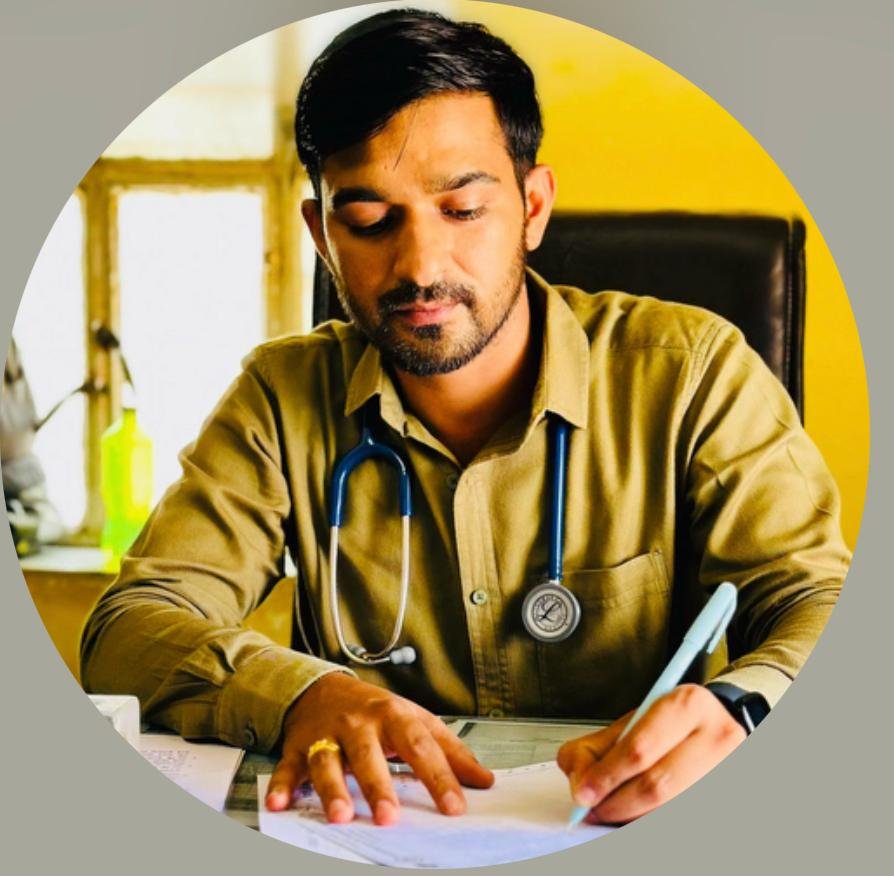
Medical Reviewer Credentials
Start Palliative Care at Home in Patna Today
Get a free clinical assessment and personalized care plan from AtHomeCare’s medical team. We deploy trained caregivers in Patna within hours — because comfort shouldn’t wait.
Frequently Asked Questions
What is palliative care at home and how is it different from hospital care in Patna?
Palliative care at home in Patna brings specialized comfort-focused medical care to the patient’s residence instead of a hospital. It focuses on pain relief, symptom management, and emotional support in familiar surroundings. Unlike hospital care, home palliative care eliminates repeated admissions, reduces infection risk, and allows families to be present continuously. AtHomeCare provides trained caregivers, nursing support, and doctor supervision coordinated with the patient’s treating physician.
What kind of caregiver training is provided in Patna for palliative care?
Caregiver training in Patna at AtHomeCare covers pain assessment using standardized scales, oral and injectable medication administration, wound care and pressure sore prevention, catheter and Ryle’s tube management, body positioning for comfort, recognition of deterioration signs, emergency escalation protocols, infection control practices, and communication skills for end-of-life situations. Training includes both classroom sessions and supervised clinical practicums before deployment.
Which conditions in Patna typically require home palliative care?
In Patna, home palliative care is commonly needed for advanced cancer (any stage with significant symptoms), end-stage COPD and lung disease, advanced heart failure, terminal kidney disease when dialysis is declined or stopped, advanced dementia and Alzheimer’s disease, end-stage liver disease (cirrhosis), post-stroke patients with severe disability, motor neuron disease (ALS), Parkinson’s disease in advanced stages, and any life-limiting illness where curative treatment is no longer the primary goal.
How does AtHomeCare manage pain at home for palliative patients in Patna?
AtHomeCare manages pain at home through a structured protocol: initial pain assessment using numerical and facial rating scales, medication administration as prescribed by the treating doctor (oral, transdermal patches, or injections via syringe pumps), non-pharmacological comfort measures like positioning and warm compresses, continuous monitoring for breakthrough pain, and real-time communication with the supervising doctor for dose adjustments. Caregivers are trained to recognize pain in non-verbal patients through behavioral cues.
What medical equipment is needed for palliative care at home in Patna?
Common equipment for home palliative care in Patna includes an adjustable hospital bed for positioning comfort, air mattress or pressure relief mattress for bedridden patients, oxygen concentrator or cylinder for respiratory support, BiPAP/CPAP machine if prescribed, suction apparatus for airway clearance, nebulizer for breathing difficulty, syringe pump for continuous medication infusion, pulse oximeter and BP monitor for vitals tracking, commode chair, wheelchair, and bedside rails for safety. AtHomeCare provides all equipment on rent with setup and maintenance included.
How is end-of-life care at home handled in Patna families?
End-of-life care at home in Patna is handled through a coordinated approach: the primary caregiver provides 24/7 physical comfort measures including turning, mouth care, and hygiene; a nurse visits regularly for medical procedures; the supervising doctor adjusts medications for symptom control; family members are guided on what to expect in the dying process; emotional and spiritual support is facilitated; and after death, the family is supported through the immediate formalities. AtHomeCare ensures dignity, pain-free comfort, and family presence throughout.
What is the cost of palliative care at home in Patna?
The cost of palliative care at home in Patna varies based on the level of care needed. A trained attendant for basic comfort care typically costs less than a qualified nurse for medical procedures. Equipment rental adds to the cost depending on items needed. AtHomeCare provides transparent pricing after an initial assessment. Costs are generally lower than repeated hospital admissions and ICU stays. Insurance coverage varies — some policies cover home nursing and equipment. Contact AtHomeCare Patna for a personalized cost estimate based on your specific situation.
How quickly can AtHomeCare start palliative care services in Patna?
AtHomeCare can typically deploy a trained caregiver for palliative care in Patna within 4 to 8 hours for urgent requests. For nurse deployment with medical equipment setup, it may take 12 to 24 hours depending on equipment availability. An initial teleconsultation with the medical team can happen within 1 to 2 hours of contact to assess urgency and begin care planning even before physical deployment.
Can palliative care at home continue alongside hospital treatment in Patna?
Yes, palliative care at home in Patna can run alongside ongoing hospital treatment. Many patients receive chemotherapy or radiation during the day and return home for palliative symptom management. AtHomeCare coordinates with the treating hospital and oncologist to ensure medication schedules, side effect management, and comfort care at home complement the hospital treatment plan. Discharge summaries and prescriptions are reviewed before home care begins.
How are emergencies handled during home palliative care in Patna?
During home palliative care in Patna, emergencies are handled through a tiered escalation protocol. The bedside caregiver follows first-response steps — checking vitals, ensuring airway, administering prescribed emergency medications. The shift supervisor is notified immediately. A teleconsultation with the medical team happens within minutes. If hospital transfer is needed, AtHomeCare assists with ambulance coordination and provides a handover summary to the receiving hospital. The emergency protocol is discussed with the family at the start of care.
What support is available for family caregivers of palliative patients in Patna?
Family caregivers in Patna receive support through caregiver training sessions on basic care tasks, emotional counseling and burnout prevention guidance, regular updates on the patient’s condition, clear communication about expected disease progression, respite care options so family members can rest, and connection with local support groups. AtHomeCare’s nursing supervisors conduct weekly check-ins with family members to address concerns and adjust the care plan.
How does AtHomeCare verify and train caregivers for palliative assignments in Patna?
AtHomeCare verifies caregivers in Patna through government ID verification, address verification, police background check, previous employment verification, and medical fitness certification. Training for palliative assignments includes 40+ hours of specialized modules on pain management, terminal care hygiene, communication with dying patients and families, equipment handling, infection prevention, and emergency response. Only caregivers who pass both written and practical assessments are assigned to palliative cases.
Is palliative care the same as giving up on treatment?
No, palliative care is not the same as giving up on treatment. Palliative care focuses on improving quality of life by managing pain and distressing symptoms regardless of whether curative treatment continues. It can be provided alongside active treatment like chemotherapy, dialysis, or surgery. In Patna, many patients receive palliative care support at home while still visiting their specialists. When curative treatment is no longer effective, palliative care ensures the remaining time is as comfortable and dignified as possible.
What happens if the patient’s condition suddenly worsens at home in Patna?
If a patient’s condition worsens at home in Patna, the trained caregiver immediately assesses vital signs and follows the pre-established emergency protocol. The nursing supervisor and medical team are contacted for real-time guidance. Depending on the patient’s advance directives and family wishes, the team either intensifies symptom management at home or coordinates emergency hospital transfer. If the patient has chosen not to be hospitalized, comfort-focused measures are maximized. The family is kept informed at every step.
How does AtHomeCare coordinate with the patient’s existing doctors in Patna?
AtHomeCare coordinates with the patient’s existing doctors in Patna by obtaining and reviewing the discharge summary, current prescriptions, and treatment plan before starting home care. Regular clinical updates are shared with the treating physician. Any medication changes are confirmed with the prescribing doctor before implementation. AtHomeCare’s medical team is available for joint consultations. The patient’s doctor remains the primary decision-maker for medical treatment; AtHomeCare executes and monitors the care plan at home.
What are the signs that a patient in Patna needs palliative care at home?
Signs that a patient in Patna may need palliative care at home include: frequent hospital admissions for the same condition, uncontrolled pain despite medication, difficulty breathing at rest, significant weight loss and inability to eat, persistent nausea or vomiting, confusion or decreased consciousness, bedridden state requiring 24/7 assistance, doctor indicating that curative treatment options are limited, family expressing difficulty managing symptoms at home, and the patient expressing a desire to be at home rather than in hospital.
Can a palliative care patient at home in Patna have a Ryle’s tube or catheter managed?
Yes, AtHomeCare’s trained nurses in Patna manage Ryle’s tubes (nasogastric feeding tubes), Foley catheters, and other medical devices as part of home palliative care. This includes tube feeding administration, tube site care and cleaning, catheter bag emptying and hygiene, monitoring for blockages or infections, and scheduled replacements as per medical protocol. Caregivers are trained in daily maintenance while nurse visits handle sterile procedures and troubleshooting.
How is nutrition managed for palliative patients who cannot eat normally at home in Patna?
Nutrition for palliative patients at home in Patna is managed based on the patient’s ability and wishes. For patients who can eat, small frequent meals with preferred foods are encouraged. For those with swallowing difficulty, softened or pureed diets are prepared. For patients unable to swallow safely, Ryle’s tube feeding delivers prescribed liquid nutrition. In end-stage illness when even tube feeding may cause discomfort, mouth care and small sips for comfort are prioritized over forced nutrition. AtHomeCare’s team works with the family and doctor to determine the appropriate level of nutritional support.
What emotional and psychological support is part of home palliative care in Patna?
Emotional and psychological support in home palliative care in Patna includes active listening and emotional presence from caregivers, encouraging patient expression of fears and wishes, involving family members in care activities to reduce helplessness, maintaining a calm and comforting home environment, respecting cultural and religious practices around death and dying, facilitating spiritual support if the family desires, and identifying signs of depression or severe anxiety for medical referral. Caregivers trained in palliative communication create a safe space for difficult conversations.
How do shift handovers work in 24-hour palliative care at home in Patna?
Shift handovers in 24-hour palliative care at home in Patna follow a structured protocol. The outgoing caregiver documents vitals, medication given, intake-output, pain levels, any new symptoms, and patient comfort status in a written log. A face-to-face handover with the incoming caregiver covers these points. The nursing supervisor reviews the handover log daily. Any significant changes are immediately communicated to the medical team. This ensures continuity of care and prevents information gaps between shifts.