Why Some Patients Stop Eating After Hospitalization in Patna: Connecting Appetite Loss, Medication Effects, Nutrition and Home Nursing
Many patients return home from hospitals in Patna medically stable but begin eating far less within days. Families often assume the patient dislikes the food. In reality, poor intake after hospitalization usually results from a connected chain of medication changes, nausea, altered taste, constipation, pain, weakness, and difficulty feeding. This guide explains each link in that chain and what families and home nurses can do to break it.
What This Guide Covers
When a patient leaves the hospital, families often feel relieved. The acute crisis seems over. But within a few days, a new worry appears: the patient is barely eating. Meals go untouched. Sips of water replace glasses. The family tries different foods, more persuasion, sometimes even arguments. Nothing seems to work.
This situation is extremely common in Patna homes. It is also commonly misunderstood. Most families focus on the food itself, assuming the problem is taste or preference. This guide will help you look at the full picture instead, so you can respond to the real causes rather than just the symptom of not eating.
Why Patients Stop Eating After Coming Home from Hospital
In the hospital, the patient receives intravenous fluids that keep them hydrated and partially nourished even when eating little. Nurses monitor every meal and encourage intake. The hospital environment has fixed meal times and supervised feeding. Once the patient comes home, all of this changes suddenly.
The intravenous fluids stop. No one is tracking each meal. The patient may be alone during eating times. The routine disappears. At the same time, the body is still dealing with the effects of the illness, new medications, and the physical stress of the hospital stay itself.
A study published in the Journal of Parenteral and Enteral Nutrition found that up to 40% of elderly patients experience significant food intake decline within the first week after hospital discharge. In home care settings, this number can be even higher because monitoring is less intensive.
The Chain Reaction: How One Problem Leads to Another
Understanding the Full Chain
| Step | What Happens | How It Affects Eating |
|---|---|---|
| 1. Hospitalization | Bed rest, changed diet, stress on the body | Digestion slows down, muscle tone drops |
| 2. New Medications | Antibiotics, pain killers, blood pressure medicines started | Nausea, altered taste, dry mouth |
| 3. Reduced Eating | Patient eats less due to nausea or taste changes | Less fiber and fluid intake |
| 4. Constipation | Less movement, less fiber, pain medicines slow bowel | Stomach feels full and heavy |
| 5. Further Reduced Eating | Fullness from constipation kills appetite | Calorie intake drops further |
| 6. Dehydration | Less fluid intake, possibly fluid loss from fever or medicines | Dry mouth makes food unappealing, weakness increases |
| 7. Weakness | Low calories and dehydration cause muscle fatigue | Hard to sit up, hold utensils, chew |
| 8. Difficulty Feeding | Physical weakness makes the act of eating exhausting | Meals take too long, patient gives up midway |
| 9. Malnutrition Risk | Prolonged poor intake depletes body stores | Wound healing slows, immunity drops, confusion develops |
Medication and Appetite Loss: Common Culprits
Patients are often discharged with 4 to 8 new or changed medications. Each one may have side effects that affect eating. When taken together, these effects multiply. The patient may not connect the medicine to the appetite loss because the timing feels separate.
Common Medications That Affect Appetite
| Medicine Type | Common Examples | How It Affects Eating | What to Watch For |
|---|---|---|---|
| Antibiotics | Amoxicillin, Ciprofloxacin, Metronidazole | Nausea, metallic taste, loose stools | Refusal to eat, complaints about food taste |
| Opioid Pain Relievers | Tramadol, Codeine, Morphine | Slow digestion, constipation, nausea | No bowel movement for 2+ days, bloating |
| NSAID Pain Relievers | Ibuprofen, Diclofenac, Naproxen | Stomach irritation, acidity | Complaints of burning stomach, refusing food |
| Blood Pressure Medicines | Amlodipine, Losartan, Furosemide | Nausea, swelling, frequent urination | Swollen feet, nausea after medicine |
| Iron Supplements | Ferrous sulfate, Ferrous fumarate | Stomach pain, constipation, black stools | Stomach complaints after iron dose |
| Antidepressants | Sertraline, Escitalopram, Amitriptyline | Reduced appetite, dry mouth, drowsiness | Skipping meals, sleeping through meal times |
| Diabetes Medicines | Metformin, Glimepiride | Nausea, altered taste, low blood sugar | Sweating, shakiness before meals |
| Antacids and PPIs | Omeprazole, Pantoprazole | Usually well tolerated but may cause nausea in some | New nausea after starting |
Medication reconciliation after discharge is a critical step that many families miss. In Patna, AtHomeCare’s medication management service includes a full review of all discharge medicines to identify potential side effects that could affect nutrition.
How Constipation Silently Reduces Food Intake
Hospitalization creates perfect conditions for constipation. Bed rest slows bowel movements. Hospital food may be low in fiber. Pain medicines, especially opioids, directly slow the intestines. The change in routine and environment disrupts normal bowel habits. Dehydration during or after the illness makes stool harder.
For an elderly patient who already has age-related slowing of digestion, adding these hospital factors can push them into significant constipation within 2 to 3 days of discharge.
Signs of Constipation That Families Should Watch For
- No bowel movement for 2 or more days
- Hard, dry, or small stool when they do go
- Straining or pain during bowel movement
- Complaints of bloating or heaviness in the stomach
- Reduced appetite that starts or worsens gradually
- Refusing food with vague statements like “my stomach feels full”
- Restlessness or discomfort that the patient cannot clearly explain
- Frequent small amounts of stool or a feeling of incomplete emptying
Pain, Weakness and Difficulty Feeding
This distinction matters greatly. If the patient wants to eat but cannot manage the physical effort, the solution is not different food but feeding assistance, better positioning, and pain management. If the family interprets this as appetite loss and keeps offering food without helping with the mechanics of eating, the problem will persist.
Physical Barriers to Eating After Hospitalization
| Barrier | What It Looks Like | How to Help |
|---|---|---|
| Surgical pain | Patient winces when sitting up or bending to eat | Give pain medicine 30 minutes before meal time; use pillows for support |
| Joint pain or stiffness | Difficulty holding utensils, reaching for food | Use lighter utensils, a plate guard, or hand the patient food directly |
| General weakness | Arms tire quickly, patient cannot lift glass | Use a straw, lighter cups, feed with a spoon if needed |
| Breathlessness | Patient gets tired eating, pauses frequently to breathe | Offer small bites, semi-solid foods, upright position with back support |
| Back pain from bed rest | Cannot sit up long enough for a meal | Use an adjustable bed or reclined position; break meals into shorter sessions |
| Dry mouth from medicines | Food feels sticky, patient chokes on dry items | Offer moist foods, sips of water between bites, avoid dry roti or biscuits |
For patients recovering from surgery or severe illness in Patna, post-operative nursing care at home includes structured feeding support that addresses these physical barriers as part of the daily care plan.
Poor Appetite in Elderly Patients: Why Age Matters
Understanding the age factor helps families set realistic expectations. A 75-year-old who has been in the hospital for a week will not bounce back to normal eating the way a 40-year-old might. The recovery of appetite in elderly patients is slower, more fragile, and more easily disrupted by small setbacks.
How Aging Changes Appetite and Eating
- Reduced hunger hormone: With age, the body produces less ghrelin, the hormone that signals hunger. The elderly patient simply does not feel hungry even when the body needs food.
- Slower stomach emptying: Food stays in the stomach longer, creating a feeling of fullness that persists between meals.
- Decreased taste and smell: Up to 75% of people over 70 have reduced taste sensation. Food that once smelled appealing now seems tasteless.
- Dental problems: Ill-fitting dentures, missing teeth, or gum problems make chewing painful or difficult.
- Reduced saliva production: A dry mouth makes swallowing difficult and food unappealing.
- Social isolation during meals: Elderly patients who eat alone tend to eat significantly less than those who eat with others.
- Depression and anxiety: These are more common in elderly patients after hospitalization and directly suppress appetite.
What This Means for Families in Patna
Your elderly parent is not being difficult. Their body is working against them on multiple levels. The solution is not one big meal but many small, nutrient-rich eating opportunities throughout the day, combined with addressing the specific barriers that apply to your parent. A trained home nurse in Patna can identify which age-related factors are most relevant and create a personalized approach.
Dehydration in Elderly Patients After Hospitalization
Dehydration is one of the most dangerous and most overlooked problems in post-hospitalization care. It is especially dangerous because elderly patients lose their sense of thirst with age. They may not feel thirsty even when their body is significantly dehydrated.
Why Dehydration Happens After Hospital Discharge
- Intravenous fluids stop: In the hospital, the patient received fluids through a vein. At home, they must drink enough on their own, which many elderly patients do not do.
- Reduced fluid intake: Poor appetite usually means poor fluid intake too. If the patient is not eating, they are likely not drinking enough either.
- Medication effects: Diuretics increase urine output. Some medicines cause diarrhea or vomiting, losing more fluid.
- Fever or infection recovery: The body uses more fluid during recovery from infection.
- Difficulty accessing drinks: Weak patients may not be able to reach for a glass of water. If no one is offering fluids regularly, intake drops.
- Reduced thirst sensation: Age-related changes mean the patient does not feel thirsty even when dehydrated.
Signs of Dehydration to Watch For
| Early Signs | Moderate Signs | Severe Signs (Seek Help Immediately) |
|---|---|---|
| Dry mouth and lips | Sunken eyes | Confusion or disorientation |
| Dark yellow urine | Decreased urine output | No urine for 8+ hours |
| Increased thirst (if still present) | Dry skin that stays tented when pinched | Rapid heart rate |
| Mild headache | Dizziness when sitting up | Very low blood pressure |
| Fatigue more than expected | Constipation worsening | Fainting or loss of consciousness |
| Concentrated urine with strong smell | Irritability or agitation | Seizures (rare but possible) |
Malnutrition After Hospitalization: Warning Signs
Many families do not realize that malnutrition can develop so quickly. They think of malnutrition as a long-term condition that develops over months. But in an elderly patient who is already vulnerable, a week of poor intake after the physical stress of hospitalization can trigger rapid nutritional decline.
Warning Signs of Malnutrition After Hospital Discharge
- Clothes, rings, or watches fitting more loosely than a week ago
- Visible hollowing of cheeks or temples
- Bones becoming more prominent (collarbones, shoulder blades, hip bones)
- Muscles in arms and legs feeling softer or thinner
- Wounds or surgical cuts not healing as expected
- New confusion, irritability, or personality change
- Frequent infections or a cold that will not go away
- Extreme fatigue that goes beyond what the illness alone would cause
- Skin becoming dry, pale, or developing pressure sores
- Hair becoming brittle or falling more than usual
AtHomeCare’s nutrition and hydration monitoring for elderly patients includes daily intake documentation and regular weight tracking as part of the home nursing care plan. This structured approach catches malnutrition risks early, often before families notice visible changes.
How Families Can Monitor Food and Fluid Intake at Home
Most families rely on memory when the doctor asks “how is the patient eating?” The answer is usually vague: “thoda kam kha raha hai” or “appetite thoda weak hai.” This does not help the doctor make good decisions. A simple intake chart changes the conversation from vague impressions to specific data.
How to Create a Simple Intake Chart
| Time | Offered | Consumed (Approximate) | Fluids | Notes |
|---|---|---|---|---|
| 7:00 AM | Tea + 2 biscuits | Half cup tea, 1 biscuit | ~100 ml | Said not feeling hungry |
| 9:00 AM | Poha / upma | 4-5 spoons only | ~50 ml water | Left rest, said full |
| 11:00 AM | Coconut water | Half glass | ~100 ml | Drank when offered |
| 1:00 PM | Dal rice, sabzi, curd | Small bowl rice, 2 spoons dal | ~100 ml dal water | Did not touch sabzi |
| 3:00 PM | Milk / juice | Half glass milk | ~120 ml | Drank with some persuasion |
| 5:00 PM | Tea + snack | Few sips of tea only | ~50 ml | Refused snack |
| 8:00 PM | Roti, sabzi, dal | Half roti, 1 spoon sabzi | ~80 ml water | Tired, wanted to lie down |
| 10:00 PM | Water before sleep | — | ~60 ml | Refused, fell asleep |
| Daily Total | Very low solid intake | ~660 ml fluids | Well below needs | |
In the example above, the total fluid intake is about 660 ml, which is less than half of what a recovering patient needs. The solid food is roughly equivalent to one normal meal spread across the entire day. Without writing it down, a family might say “he ate something at every meal.” The chart tells a very different story.
Swallowing Problems: When to Seek Assessment
Swallowing problems are easy to miss because the patient may not clearly explain what is happening. They might say “I don’t feel like eating” when the real issue is that swallowing feels difficult or frightening. Some patients cough during meals and families assume it is just a throat irritation.
Red Flags for Swallowing Problems
- Coughing during or immediately after eating or drinking
- Wet or gurgly sounding voice after meals
- Food remaining in the mouth after the patient appears to have swallowed
- Taking multiple swallows for a single bite of food
- Drooling or food spilling from the mouth
- Unexplained weight loss despite seeming to eat
- Recurrent chest infections or pneumonia episodes
- Running a fever after meals without another clear cause
- Refusing only solid foods but accepting liquids, or vice versa
- Expressing fear or anxiety about eating
For patients with confirmed swallowing difficulties, feeding options range from modified food textures to Ryles tube (nasogastric tube) feeding. AtHomeCare nurses in Patna are trained in both assisted feeding techniques and Ryles tube care at home.
Nutritional Monitoring at Home: Practical Framework
A good monitoring framework does not need to be complicated. It needs to be consistent and cover the right things. Here is what families should track:
Five Things to Track Daily
| What to Track | How to Track | When to Worry |
|---|---|---|
| Food intake | Record each meal: what was offered, approximately how much was eaten | Less than half of normal portion at 2 or more meals |
| Fluid intake | Estimate total ml from all sources: water, tea, milk, soup, dal | Below 1200 ml per day (or below doctor’s target) |
| Bowel movements | Time, frequency, and consistency (hard, soft, loose) | No movement for 3+ days, or sudden diarrhea |
| Weight | Same time each morning, same clothing, same scale | Loss of 1 kg or more in a week |
| General alertness | Note if patient is more confused, sleepy, or irritable than usual | New confusion, difficulty waking up, or sudden personality change |
Home Dietitian Support in Patna: When to Consider
Many families try to manage dietary needs on their own after the patient comes home. They may remove rice because of diabetes, remove dal because of kidney disease, remove salt because of blood pressure, and end up with a patient who has almost nothing appealing to eat. A dietitian helps navigate these conflicts.
Situations Where a Home Dietitian Is Helpful
- Patient has diabetes and poor appetite, needing both sugar control and adequate calories
- Patient has chronic kidney disease with dietary restrictions that limit protein, potassium, or fluid
- Patient has heart failure with fluid restriction that makes hydration difficult
- Patient has had bariatric or gastrointestinal surgery with specific eating protocols
- Patient has wound healing needs requiring high protein within dietary restrictions
- Family is unsure which local foods are safe given the patient’s conditions
- Patient has lost significant weight and needs calorie-dense food options
AtHomeCare’s Dietitian Integration in Patna
When AtHomeCare creates a home care plan for a patient with nutrition concerns in Patna, a dietitian may be included as part of the integrated care team. The dietitian reviews the patient’s medical history, current medications, lab reports, and the nurse’s intake charts. The diet plan is then shared with the family and the home nurse, who ensures it is followed during daily care. The dietitian also adjusts the plan based on the nurse’s feedback about what the patient is actually accepting.
When Poor Intake Needs Medical Review
When to Seek Medical Review
| Situation | Urgency | Action |
|---|---|---|
| Eating less than normal but still having some food and fluids for 1 to 2 days | Low | Monitor with intake chart, try smaller frequent meals, address obvious causes |
| Barely eating for 2 days but drinking some fluids, no other warning signs | Moderate | Call doctor for phone advice; consider home nurse visit |
| Not eating for 24 to 48 hours with reduced fluids | High | Doctor review same day, either home visit or hospital |
| Not eating with confusion, very dry mouth, dark or no urine | Emergency | Immediate medical attention, likely hospital |
| Coughing or choking during eating attempts | High | Stop oral food, seek swallowing assessment same day |
| Persistent vomiting along with poor intake | High | Doctor review same day to assess for bowel obstruction or medication reaction |
| Weight loss of 2+ kg in one week | High | Doctor review with weight documentation and intake chart |
| New abdominal pain with refusal to eat | High | Doctor review same day to rule out surgical causes |
How Home Nursing Helps with Nutrition Recovery
The difference between a family member helping with meals and a trained nurse doing the same thing is significant. A family member focuses on getting the patient to eat. A nurse focuses on understanding why the patient is not eating and addressing the root cause while also ensuring adequate intake.
What a Home Nurse Does for Nutrition Support
- Mealtime observation: Watches how the patient approaches food, handles utensils, chews, and swallows. Identifies physical barriers.
- Intake documentation: Records every meal and fluid with approximate quantities in a structured chart.
- Positioning support: Ensures the patient is sitting upright at the right angle for safe swallowing and comfortable eating.
- Feeding assistance: Helps patients who cannot feed themselves, maintaining pace and dignity.
- Constipation monitoring: Tracks bowel movements and reports constipation early.
- Medication side-effect tracking: Notes if appetite changes correlate with specific medicine timings.
- Oral care: Ensures mouth is clean before meals, which improves taste sensation and appetite.
- Hydration management: Offers fluids at regular intervals, tracks total intake against targets.
- Escalation: Reports to the supervising doctor and family if intake falls below safe levels.
- Coordination: Works with dietitian, physiotherapist, and doctor as part of the integrated care team.
Why This Matters in the Patna Context
Patna’s home care ecosystem has strong nursing and elder care providers. But not all providers include structured nutrition monitoring as part of their standard nursing care. AtHomeCare’s approach in Patna integrates nutrition observation into every nursing shift, rather than treating it as a separate service. This means the nurse who is managing medications, wound care, or vitals is also tracking intake and flagging nutrition concerns. This integrated model catches problems earlier than siloed care.
For families in Patna considering professional support, specialized nursing services in Patna offer different levels of care depending on the patient’s needs, from short-term post-discharge support to long-term attendant care with nursing supervision.
Post-Hospital Weakness and Nutrition: The Recovery Connection
This is one of the most frustrating situations for families. The patient needs to eat to get stronger, but they are too weak to eat. Families get caught in a loop of trying to feed a patient who cannot manage the physical effort of a meal.
Strategies to Break the Weakness-Nutrition Cycle
- Start with liquids: Liquids require almost no chewing effort and can be consumed through a straw. Begin with nutrient-rich liquids like dal water, milk with turmeric, soup, or buttermilk.
- Use semi-solid foods: Khichdi, curd rice, mashed dal, and kheer require minimal chewing but provide good nutrition.
- Reduce meal effort: Serve food that does not need cutting. Use bowls instead of plates. Offer foods that can be eaten with a spoon.
- Assist with positioning: Use pillows to support the back and arms. An adjustable bed or recliner chair is ideal if available.
- Break meals into micro-meals: Instead of 3 meals, offer 6 to 8 very small eating episodes. Each one requires less energy.
- Time meals with pain medicine: Give pain relief 30 to 45 minutes before meal time so the patient is more comfortable.
- Combine with physiotherapy: Gentle movement before meals can stimulate appetite. A physiotherapist can suggest simple range-of-motion exercises that help.
- Address the energy deficit first: In the first few days, focus on calories and fluids rather than a balanced diet. Getting energy in is more urgent than getting every nutrient right.
Recovery Timeline: What to Expect Week by Week
Days 1 to 3: Transition Phase
Appetite is at its lowest. The patient is adjusting to being home, dealing with medication side effects, and coping with the physical stress of the hospital stay. Focus on fluids and very small amounts of soft food. Do not expect normal meals. Document everything.
Days 4 to 7: Early Stabilization
Some patients begin showing slight improvement. Others may stay the same or worsen if constipation or dehydration sets in. This is the critical window where monitoring matters most. If intake is still very low by day 5 to 7, a medical review or home nurse assessment is strongly recommended.
Week 2: Gradual Improvement
Most patients who are going to recover appetite naturally begin showing clear improvement in the second week. Portions increase slightly. The patient may start asking for specific foods. Constipation, if addressed, begins resolving. Medication side effects may lessen as the body adjusts.
Week 3 to 4: Approaching Normal
Intake should be close to pre-hospitalization levels for most patients. The patient may still prefer smaller, more frequent meals. Some lingering weakness may persist, but eating mechanics should be much easier. Nutritional supplements can be tapered if they were being used.
Beyond Week 4: Persistent Problems
If appetite has not significantly improved by 4 weeks, there may be an underlying issue that needs investigation. This could include untreated depression, undiagnosed infection, medication interactions, or a new medical problem. A thorough medical review is needed rather than continued home management.
Decision Tree: What to Do When Your Patient Won’t Eat
Family Monitoring vs Professional Nursing Support for Nutrition
| Aspect | Family Monitoring | Professional Home Nursing |
|---|---|---|
| Intake tracking | Depends on who is present; may be inconsistent | Documented every shift in a structured chart |
| Identifying swallowing problems | May notice coughing but may not recognize significance | Trained to screen for dysphagia and escalate immediately |
| Medication side-effect awareness | May not connect new medicine to appetite change | Reviews all medicines and flags appetite-related side effects |
| Constipation monitoring | Often missed until patient complains | Bowel chart maintained proactively |
| Positioning for safe eating | May not know optimal angles | Trained in proper positioning to prevent aspiration |
| Feeding assistance | May rush or become frustrated | Paced feeding that preserves patient dignity |
| Night-time monitoring | Usually no monitoring at night | Overnight shifts can include intake and hydration support |
| Coordination with doctor | Relies on family member’s description during OPD visit | Structured reports shared directly with supervising doctor |
| Escalation speed | May delay, hoping things improve | Defined escalation protocols when intake falls below thresholds |
| Cost | No direct cost, but family member’s time and stress | Professional fee, but reduces emergency hospital visits and complications |
Daily Nutrition Monitoring Checklist for Families
Morning Checklist
- Did the patient drink at least one glass of water or fluid since waking up?
- Has the patient passed stool in the last 24 hours?
- Is the patient’s mouth clean and moist before the first meal?
- Is the patient sitting upright for the meal, not lying flat?
- Are pain medicines timed so they take effect before meal time?
Throughout the Day
- Am I offering something to eat or drink every 2 hours?
- Am I noting down approximately how much the patient consumes at each offering?
- Am I watching for coughing, choking, or wet voice during or after eating?
- Is the patient showing any new confusion, sleepiness, or irritability?
- Is the patient’s urine output normal in frequency and color?
Evening Review
- Has total fluid intake reached at least 1200 to 1500 ml for the day?
- Has the patient had at least some solid food in at least 3 separate eating episodes?
- Have I recorded today’s intake on the chart?
- Is there anything concerning that I should tell the doctor or nurse about tomorrow?
- Is the patient’s weight stable compared to the same time last week?
How AtHomeCare Supports Nutrition Recovery in Patna
Operational Practices Relevant to Nutrition Care
AtHomeCare’s approach to nutrition support in Patna is built on operational systems, not just individual nurse skills:
- Nurse recruitment and screening: Nurses selected for home care assignments in Patna are assessed for clinical observation skills, including the ability to identify nutrition-related concerns during routine care.
- Training: Nurses receive training in intake documentation, feeding assistance techniques, swallowing screening, constipation monitoring, and hydration management as part of their onboarding.
- Supervision: Senior nurses review intake charts and shift reports regularly. If a patient’s intake is declining over multiple shifts, the supervisor intervenes with a care plan adjustment or doctor consultation.
- Shift handovers: Every shift handover includes a detailed review of the patient’s intake in the previous shift. The incoming nurse knows exactly what the patient ate, drank, refused, and any concerns noted.
- Doctor coordination: If intake falls below defined thresholds, the nurse contacts the supervising doctor through AtHomeCare’s clinical coordination system. The doctor may adjust medications, order lab tests, or schedule a home visit.
- Integrated pharmacy: Medications that may be contributing to appetite loss can be reviewed and adjusted through AtHomeCare’s pharmacy coordination, ensuring changes are implemented safely at home.
- Equipment logistics: If the patient needs an adjustable bed for better positioning during meals or a feeding pump for tube feeding, AtHomeCare coordinates the equipment deployment to the patient’s home in Patna.
- Emergency escalation: Defined escalation protocols ensure that severe intake decline, swallowing difficulties, or signs of dehydration trigger an immediate response rather than waiting for the next scheduled check.
- Quality monitoring: Regular quality audits of intake documentation and nutrition-related escalation responses ensure that standards are maintained across all Patna assignments.
- Infection prevention: Proper oral care and feeding hygiene are included in the care protocol to prevent infections that could further reduce appetite.
Regional Operations – Patna
Office: A-212, P C Colony Road, Kankarbagh, Patna 800020 India
Phone: +91-9229662730
Corporate Office
Unit No. 703, 7th Floor
ILD Trade Centre
Sector 47
Gurgaon
Haryana
122018
Phone: 9910823218
Email: care@athomecare.in
Conclusion
The most important takeaway is this: poor appetite after hospitalization is a medical concern, not a behavior problem. Your parent is not being stubborn. Their body is going through a complex response to the physical stress of hospitalization, and it needs the right kind of support to recover.
If your loved one in Patna is not eating after hospital discharge, start with the monitoring checklist in this guide. Track intake for 2 to 3 days. If the picture is concerning, or if you notice any of the warning signs discussed, reach out for professional support. Early action prevents the weakness-malnutrition cycle from taking hold and can significantly shorten the recovery timeline.
Frequently Asked Questions
Why has my elderly parent stopped eating after coming home from the hospital in Patna?
How long does it take for appetite to return after hospitalization?
Which medicines commonly cause loss of appetite after discharge?
When should I take my parent back to the doctor for not eating?
Can dehydration happen even if the patient drinks some water?
Should I force my parent to eat if they refuse?
How does constipation cause loss of appetite?
What is malnutrition after hospitalization and how do I recognize it?
Can a home nurse help if my parent is not eating?
What foods should I offer when appetite is very low?
How do I know if my parent has a swallowing problem?
Is loss of appetite after surgery different from loss of appetite after medical illness?
Can a home dietitian help patients in Patna who are not eating after hospital discharge?
Why does my parent eat in the hospital but not at home?
How much water should an elderly patient drink after hospital discharge?
What is the connection between weakness and not eating after hospitalization?
Can depression after hospitalization cause loss of appetite?
How does AtHomeCare monitor nutrition in home care patients in Patna?
Is it normal for an elderly patient to eat only once a day after coming home from the hospital?
What role does a Ryles tube play when a patient cannot eat at all?
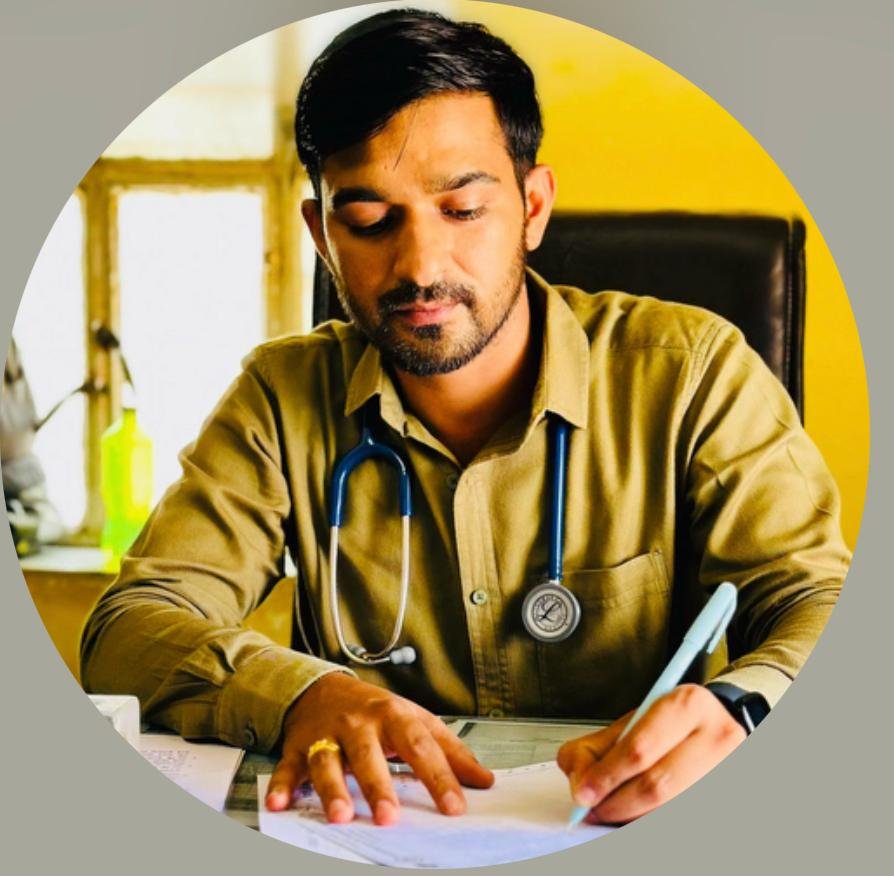
Dr. Anil Kumar
Qualification: [QUALIFICATION]
Speciality: [SPECIALITY]
Registration Number: RMC-79836
Years of Experience: 7
This article has been medically reviewed by Dr. Anil Kumar to ensure clinical accuracy and patient safety. The information provided is for educational purposes and does not replace individual medical advice.
Medical Review Verification
Reviewed By: Dr. Anil Kumar
Qualification: [QUALIFICATION]
Speciality: [SPECIALITY]
Registration Number: RMC-79836
Years of Experience: 7
Review Date: 18 June 2026
This content complies with medical accuracy standards for patient education materials. It has been reviewed for factual correctness and alignment with current clinical guidelines. However, it does not constitute personalized medical advice. Patients and families should consult their treating physician for individual care decisions.
Is Your Parent Not Eating After Hospital Discharge in Patna?
An AtHomeCare nurse can assess the cause, set up intake monitoring, coordinate with the doctor, and help your parent recover nutrition safely at home. Do not wait for the situation to become an emergency.