Hospital Discharge to Home Care in Patna: How AtHomeCare Prepares the Home Before the Patient Arrives
A complete, doctor-guided walkthrough of the discharge-to-home journey in Patna — what to collect from the hospital, how the room is set up, which equipment is arranged, how nurses are verified and trained, and what happens in the first 72 hours at home.
📖 Table of Contents — jump to any section
1. Why the Discharge-to-Home Gap Is the Most Dangerous Phase of Recovery
Discharge day feels like a victory — and it is. The surgery went well, the infection is controlled, or the stroke has stabilised. But going home is not the same as being recovered. The hospital’s job ends at the gate. The recovery job begins at your door.
In those first days, everything is new. The family is reading a discharge summary full of medical words. New medicines may replace old ones. A catheter, a feeding tube, an oxygen line or a wound dressing may need care that no one at home has done before. Patients are often weak, sleepy, or confused after a long hospital stay, and this is exactly when falls, missed doses, infections and breathing trouble happen.
A large share of hospital readmissions happen in the first weeks after discharge — not because the hospital did something wrong, but because the handover to home was never properly managed. That gap between “medically fit for discharge” and “safely settled at home” is what preventing medical gaps after hospital discharge is all about.
The patient does not need to stay longer in the hospital to be safe — the home needs to become safer, faster. That is the core idea behind hospital discharge home care in Patna.
This page walks you through exactly how AtHomeCare Patna manages that gap, step by step, from the moment you receive a discharge date to the first week of recovery at home. Everything written here reflects how our teams actually work, so you know what to expect — not marketing promises.
2. What Hospital Discharge Home Care in Patna Actually Means
Think of it this way. When a patient is moved from one hospital ward to another, everything travels with them: the chart, the medicines, the equipment, the nursing plan, and the staff who know the case. When a patient moves from the hospital to a home in Kankarbagh, Boring Road, Patliputra, Rajendra Nagar or anywhere across Patna, none of that happens automatically. The discharge-to-home care support service exists to recreate that “ward-level readiness” inside your house.
In practical terms, our discharge support covers four things working together:
- Clinical care at home — nursing procedures such as injections, IV drips, wound dressing, catheter care, tube feeding, suctioning and vital monitoring. This is described in detail in our guide to specialized nursing services in Patna.
- Daily-living support — bathing, toileting, turning, feeding, mobility and companionship, delivered by trained attendants under nurse supervision.
- Equipment and logistics — hospital beds, air mattresses, oxygen concentrators, suction machines, monitors and supplies, delivered, installed and serviced. Families can read about hospital beds and air mattresses and BiPAP and suction apparatus in home ICU before deciding.
- Coordination — with the treating hospital, the family, the pharmacy and, when needed, a doctor at home. Our doctor home visit service plugs into the same care plan.
Families sometimes ask whether this is the same as hiring “a caretaker”. It is not. A single untrained helper, no matter how caring, cannot read a discharge summary, set a BiPAP machine, or recognise early sepsis. Our role is closer to a small care team with one clinical brain supervising many hands. You can compare the two models in our guide on what makes AtHomeCare different from other home care providers in Patna.
3. Who Needs Discharge-to-Home Care Support
Every family’s situation is different, but over the years the same patterns repeat. Here are the situations where arranging home care before discharge makes the biggest difference:
| Patient situation | Typical needs at home | Usual care team |
|---|---|---|
| After major surgery (knee, hip, spine, cardiac, abdominal) | Wound dressing, injections, pain positioning, safe transfers, physiotherapy | Nurse + attendant + physiotherapist |
| Stroke or paralysis | Turning, feeding support, swallowing precautions, passive exercises | Nurse-supervised attendant + physiotherapy |
| ICU step-down | Vital monitoring, oxygen, suction, strict charting | ICU-trained nurse 24×7 |
| Tracheostomy or ventilator | Suctioning, tube care, alarm response, backup power planning | ICU-trained nurse, two shifts |
| Oxygen-dependent breathing disease | Concentrator setup, SpO₂ tracking, nebulisation | Nurse with respiratory training |
| Bedridden elderly | Turning schedule, skin care, diaper and hygiene care, feeding | Attendant + nurse visits |
| NG/PEG tube feeding or catheter | Sterile feeding technique, catheter hygiene, output tracking | Nurse for procedures, attendant for daily care |
| Cancer or palliative care | Pain control support, comfort care, dignity-focused routines | Nurse + attendant, palliative approach |
If your loved one is elderly and going home after a long stay, our guide on post-hospital discharge care for senior citizens covers the medical guidelines in more depth. For patients discharged straight from the ICU, jump ahead to Section 12.
4. The AtHomeCare Patna Discharge Workflow: 7 Stages
Here is the flow at a glance. Each stage is explained fully in the sections that follow:
- Stage 1 — Discharge information collection: we speak to the family and, where permitted, the hospital team, and gather every instruction that matters.
- Stage 2 — Home assessment: our coordinator visits or video-calls to assess the room, power, water, access and space.
- Stage 3 — Equipment readiness: beds, oxygen, suction, monitors and supplies are sourced, tested and scheduled for delivery before arrival.
- Stage 4 — Staff readiness: the right nurse or attendant is matched, verified, briefed and trained on this specific case.
- Stage 5 — Arrival day: transport, installation and the caregiver’s presence are timed so the home is ready when the ambulance arrives.
- Stage 6 — First 72 hours: intensive monitoring, family teaching and early-warning checks.
- Stage 7 — Ongoing care: daily reports, shift handovers, doctor coordination and a clear escalation ladder.
Most families in Patna call us the day they learn the discharge date. Even 24–48 hours of notice is enough to complete all seven stages calmly. Same-day arrangements are possible too — see FAQ 1 and FAQ 2.
5. Stage 1 — Discharge Information Collection
Discharge papers are often rushed. The ward is busy, the family is emotional, and half the instructions live only in someone’s memory. Stage 1 exists to slow this down and capture everything. Our care coordinator either visits the hospital in Patna, joins the family by phone, or reviews photographs of the paperwork on WhatsApp.
We specifically collect and translate into a written home care plan:
Documents and details to collect before discharge
- The full discharge summary, read aloud to the family in simple language
- The complete medicine chart — new medicines, stopped medicines, changed doses
- Oxygen flow rate, BiPAP or ventilator settings, if any device is coming home
- Wound care plan: which dressing, how often, warning signs of infection
- Tube and catheter instructions: feeding schedule, flushing, replacement dates
- Follow-up appointment dates and which doctor to see
- Diet plan, including swallowing restrictions or fluid limits
- Any “red flag” list the hospital gave — signs that mean return immediately
- Lab reports to carry home and test reports still pending
- Emergency contacts: treating doctor’s clinic number, family decision-makers
Where the hospital permits direct coordination, we also speak with the ward nurse or resident doctor to confirm device settings and instructions. This happens with the family’s consent and is standard practice for complex cases — the same coordination model used in our post-operative nursing care in Patna programme.
Never let the hospital hand over medicines and equipment verbally. Ask for every instruction in writing or in photos. If a document is missing, request it before leaving the ward — it is much harder to get later. Our home care checklist after hospital discharge can be carried to the hospital.
6. Stage 2 — Home Assessment & Room Preparation
The room a patient recovers in matters more than most families expect. A poorly chosen room leads to falls, bedsores, missed medicines at night, and exhausted family members. Our assessment covers the whole home but focuses on one “care room”.
What we check during the home assessment
- Location and access: which floor, is there a lift, can a stretcher or wheelchair reach the room, are stairs manageable with support?
- The care room: enough space around the bed for two people to stand and assist transfers; a bed that can be placed with the headboard against a wall.
- Power: working sockets near the bed for the monitor, oxygen concentrator and suction machine; a plan for power cuts, which matters for patients on oxygen or a ventilator.
- Water and bathroom: distance from the room, safety of the path at night, whether a bedside commode or bedpan routine is needed.
- Air and light: ventilation without direct dust or smoke, a working light for night care, and space for equipment storage.
- Hygiene: surfaces that can be cleaned easily, a place for dressing supplies, a bin with a lid.
Family home-preparation checklist (post-discharge home preparation)
- Clear the care room of clutter, loose wires and slippery rugs
- Keep a firm mattress or arrange the hospital bed rental before arrival day
- Place a bedside table for medicines, water, phone and the care chart
- Keep a torch, a charged power bank and the coordinator’s number by the bed
- Arrange a night light so the path to the toilet is visible
- Wash bedsheets and keep two spare sets for rotation
- Keep a lidded bin and hand sanitiser at the door of the room
- Agree on who sleeps near the patient for the first week
For elderly patients, we also suggest simple fall-prevention changes — grab bars, anti-skid mats, and removing thresholds — which are explained in our guide to creating a senior-friendly home.
7. Stage 3 — Equipment Readiness & Patient Discharge Home Setup
Nothing is more stressful than a patient arriving home and then waiting hours for a bed or an oxygen machine to be arranged. Our equipment logistics work in the opposite order: the machine is already running in the room when the ambulance pulls up. Equipment is sourced from our own stock and partner suppliers serving Patna, tested by our technician, and installed with a demonstration.
| Equipment | Usually needed when… | What AtHomeCare arranges |
|---|---|---|
| Hospital bed (manual/electric) | Bedridden or weak patient, pressure relief, head-up positioning | Rent or buy, delivery and installation, size matched to the room |
| Air mattress (anti-decubitus) | Bedridden patient at bedsore risk | Rental with pump setup and usage training |
| Oxygen concentrator / cylinder | Discharge with oxygen support | Concentrator with cylinder backup, flow set as per doctor’s order |
| Suction machine | Tracheostomy, weak cough, secretions | Machine, catheters, gloves, demonstration of safe technique |
| BiPAP / CPAP | Breathing support after ICU or severe apnea | Machine, masks of correct size, humidity setup, settings per prescription |
| Multipara monitor | ICU step-down, cardiac patients | Monitor with SpO₂, BP, pulse, alarm limits set with the nurse |
| Syringe pump / infusion support | IV medicines at home | Pump, lines, rate set by nurse as per prescription |
| Nebuliser | Breathing treatments | Machine, masks, cleaning instructions |
| Wheelchair / walker / commode | Mobility support | Rent or buy, correct height fitting |
| Consumables kit | All tube, wound and hygiene care | Gloves, catheters, feed bottles, dressings, on refill schedule |
For most post-discharge situations, renting is the smarter first step. Recovery needs change week by week: a patient who needs a bed today may need a walker next month. Our guide on why renting medical equipment is the smart choice explains the maths. Families can also read about multipara monitors for real-time monitoring if continuous observation is planned.
Every device installation ends the same way: our technician and the assigned caregiver test the equipment together, the family watches the demonstration, and a printed quick-guide stays beside each machine. If any equipment faults later, a replacement is dispatched rather than repaired at the patient’s bedside wherever possible.
8. Stage 4 — Staff Readiness: Recruitment, Screening, Verification & Training
Families trusting a stranger with a parent is the single biggest decision in home care. So we treat staff readiness as a formal pipeline, not an interview promise.
Recruitment and screening
Nurses are hired with recognised qualifications (GNM or ANM, with registration), and attendants are hired through structured interviews that test attitude as much as skill. References are called. Anyone who cannot show proof of identity, address or previous employment does not proceed.
Caregiver verification
- Government photo ID and address proof, copies kept on file
- Police verification for staff on live-in and long-term assignments
- Two reference checks from previous employers
- Health screening, including infectious-disease checks relevant to patient care
Our approach to caregiver background checks follows the same standards we describe publicly, so families can independently verify what we claim.
Training
All caregivers complete induction training in personal care, safe transfers and mobility support, hygiene and infection control, and emergency basics. Nurses additionally train in clinical procedures: injections and IV lines, catheter and tube care, wound dressing, oxygen and suction use, and vital-sign charting. Our guide to the roles of GDAs and nurses explains who is trained for what, so families can match staff level to patient need.
Case-specific briefing
Before Day 1, the assigned caregiver is briefed on this exact patient: the diagnosis, the medicine schedule, the feeding plan, device settings, mobility limits, swallowing precautions, the family’s preferences, and the escalation plan. For example, a caregiver assigned to a tracheostomy patient in Patna practises suctioning under a senior nurse before working alone.
Supervision, quality monitoring and accommodation support
A senior nurse or clinical supervisor checks each case on a fixed schedule — more often in the first week. Supervision includes reviewing charts, watching procedures, and listening to the family. Quality monitoring is continuous: daily reports, attendance tracking, and family feedback calls. For 24×7 live-in assignments, staff receive proper rest arrangements and accommodation support, because an exhausted caregiver is a safety risk. Where overnight presence is the priority, families can read our guide on overnight care for seniors.
You should always be able to ask three questions of any home care provider: who is this person, what are they trained for, and who supervises them? With AtHomeCare, the answers are on file and shared with the family on Day 1.
9. Stage 5 — Arrival-Day Support & Transport Coordination
Transportation coordination is one of the most underestimated parts of the hospital to home transition in Patna. A weak patient being lifted into a small car without oxygen or a proper stretcher is a genuine risk. We plan the journey like a clinical step:
- Vehicle: ambulance with stretcher for bedridden patients; wheelchair-accessible cab for patients who can sit; private car with support only for patients cleared to sit upright.
- Oxygen during travel: a portable cylinder with the flow rate written by the treating team, checked before departure.
- Companion: one family member plus, when needed, a caregiver who travels along and knows the transfer technique.
- Timing: equipment installation and caregiver arrival are scheduled to finish at least an hour before the estimated arrival time.
- Handover at the door: the caregiver receives the patient, checks baseline vitals on arrival, and the family signs the first care chart entry together.
Ask the hospital for the discharge time estimate a day earlier, and share it with your care coordinator. Morning discharges give the whole team the most comfortable window to settle the patient before evening fatigue sets in.
10. Stage 6 — The First 72 Hours at Home
The first two hours
Settling in comes first. The patient is transferred safely to the bed, positioned comfortably, and given time to rest. The caregiver then takes a full set of baseline vitals — pulse, blood pressure, temperature, oxygen saturation, and blood sugar if advised — and writes them as the first entry in the care chart. Medicines are arranged in a weekly organiser against the written chart, and the first dose timing is confirmed with the family.
The first day
- Wound, catheter, tube and skin check, photographed (with consent) for the record
- Feeding plan started exactly as prescribed — oral feeding with swallowing precautions, or tube feeding with correct position and rate
- Turning schedule begun for anyone bedridden, typically every two hours
- Family teaching session: hand hygiene, diaper or toileting routine, what the family should watch for
- First supervisor review call with the family
Days 2 and 3
Monitoring continues on a schedule — for example, vitals every 4 to 8 hours depending on the doctor’s advice, or continuously on a monitor for higher-risk cases. The caregiver logs intake (food, fluids, feed volume) and output (urine, stool), because early kidney and hydration problems show up here first. Physiotherapy often begins in this window; our guide on at-home physiotherapy services explains why early movement protects long-term independence.
| When | What happens | Who leads |
|---|---|---|
| Arrival + 1 hour | Safe transfer, rest, baseline vitals, medicine chart prepared | Caregiver |
| Day 1 | Skin/wound check, feeding started, turning schedule, family teaching, supervisor call | Caregiver + supervisor |
| Day 2 | Intake–output charting, physiotherapy assessment, equipment comfort check | Caregiver (+ physiotherapist) |
| Day 3 | Vitals trend review, wound reassessment, medicine schedule adjustment if the doctor advises | Supervising nurse |
| Days 4–7 | Routine stabilises; doctor visit if scheduled; weekly report to family | Full care team |
Call the emergency escalation line immediately if you notice: oxygen saturation falling below the level your doctor set, new breathlessness, chest pain, fresh bleeding, high fever with chills, sudden one-sided weakness or slurred speech, new confusion, no urine for many hours, or vomiting that will not stop. Our page on early warning signs that need immediate attention lists these in detail.
11. Stage 7 — Monitoring, Shift Handovers & Quality Checks
Shift handovers are where home care most often fails. When one caregiver leaves and another simply “takes over”, information is lost: a skipped dose, a small skin change, a poor night. Our handover is a structured, bedside ritual:
- Chart review together: the outgoing caregiver walks the incoming one through the day’s entries.
- Patient check together: both look at skin, tubes, dressings and comfort position with the patient present.
- Verbal briefing: what the doctor said, what changed today, what to watch tonight.
- Signature: both caregivers sign the handover entry, which the family can see any time.
Quality monitoring wraps around this. Supervisors visit or call on a fixed rhythm — daily in the first week for complex cases, then at agreed intervals. Attendance is tracked so no shift is silently dropped. Family feedback is logged, and repeated concerns trigger a staff change or a care-plan review. This is the operational backbone behind our promise of patient safety at home in Patna.
Families whose relatives live in another city — for example, a parent discharged in Delhi and coming home to Patna — use the same reporting loop remotely. Our guide on arranging care from another city or country shows how daily updates keep distant families in the loop.
12. Home ICU Deployment After ICU Discharge
Home care after ICU discharge is a different league from ordinary home care. These patients may still have a tracheostomy, ventilator dependence, unstable blood pressure or heavy oxygen needs. The safest home care for them looks like a small, calm ICU with one patient — which is exactly how we build it.
What a home ICU deployment includes
- Ventilator or BiPAP with settings carried over from the hospital prescription, checked against the written orders
- Multipara monitor with alarm limits set to the doctor’s targets
- Suction machine, oxygen concentrator with cylinder backup, and infusion or syringe pumps where prescribed
- ICU-trained nurse coverage on 12-hour shifts with structured handovers
- Inverter or UPS planning for power cuts — a documented backup, not an assumption
- Consumables stocked in advance: catheters, circuits, filters, feed supplies
Families can read a full equipment walkthrough in our home ICU setup guide, and understand the medical logic of moving from ICU to care at home before making this decision with their doctor.
For ventilator and tracheostomy patients, our Patna emergency protocols cover sudden oxygen drops, circuit disconnection, tube blockage and power failure. The caregiver drills each scenario during briefing, and the family keeps a printed copy by the bed. See our Patna-specific guides: sudden oxygen drop at home, ventilator circuit disconnection, tracheostomy tube blockage emergency steps, mucus plug emergency and ventilator power failure backup planning.
Hospital teams are often the first to suggest this model — our article on why hospitals refer patients for post-discharge recovery management reflects the same shift happening across India’s major hospitals, including in Patna.
13. Oxygen, Suction & Breathing Care at Home
Many patients leave hospital with oxygen support — after pneumonia, COPD flare-ups, cardiac events or long ICU stays. The machine itself is simple; the discipline around it is what keeps patients safe. Our nurses log oxygen saturation at fixed intervals, watch the trend rather than single readings, and adjust nothing without the doctor’s order. The clinical background is covered in our oxygen therapy at home guide and in managing oxygen therapy after hospital discharge.
Oxygen feeds fire. Keep the concentrator and cylinders away from open flames, cigarettes, mosquito coils and gas stoves. Never apply oil or Vaseline near the mask or cannula. Keep the room ventilated and keep one working cylinder as backup at all times.
Suctioning is a nursing skill, not a family chore. For patients with a tracheostomy or a weak cough, our nurses suction on a schedule and as needed, watch secretion colour and amount, and escalate changes early — because secretion overload is a leading cause of airway blockage, as explained in our guide on preventing airway blockage in Patna homes.
Patna-specific reality also matters: dust, traffic smoke and winter air can worsen breathing. Our care plans include window management, humidity control and practical steps from our guide on managing breathing care in Patna homes.
14. Feeding Tubes, Catheters & Personal Hygiene Care
Tube feeding (Ryle’s tube / PEG)
Feeding a patient through a tube looks simple and is technically demanding. Position, feed temperature, rate, flushing and tube position checks all matter, because mistakes cause choking, aspiration pneumonia and blocked tubes. Our approach follows the standards described in our guide to Ryle’s tube feeding for stroke, coma and elderly patients, and stroke families should also read about feeding and aspiration risk as the same principles apply in Patna homes.
Catheter and bowel care
Urinary catheters need clean technique, secure fixing, bag position below bladder level, and daily observation of urine colour and amount. Our nurses follow the hygiene steps in our foley catheter care guide and watch for the infection signs described in catheter infection symptoms. Bowel routines are planned too, because constipation after hospital medicines is almost universal and often overlooked.
Hygiene, skin and dignity
Bed baths, oral care, diaper changes, and the two-hourly turning routine for bedridden patients are the quiet work that prevents the loud problems — bedsores and lung infections. Our pressure sore prevention and turning guide shows the turning schedule we follow. Every personal care task is done with the door closed, the patient covered, and their preferences respected — dignity is part of the care plan, not a bonus.
Daily infection-watch checklist (family edition)
- Wound edges: any spreading redness, swelling, pus or bad smell?
- Fever: any temperature above the level your doctor set?
- Urine: cloudy, smelly, or much less than usual?
- Feeding site: any leakage, redness or bloating after feeds?
- Chest: new cough, wet breathing sounds or faster breathing?
- Hands: everyone washing before touching the patient or equipment?
15. Medication Management & Integrated Pharmacy Support
Medication errors after discharge are one of the most preventable harms in home care. The problem is rarely carelessness — it is complexity: five new tablets, two stopped medicines, one syrup “as needed”, and instructions spread across three pages. We fix this with a single reconciled chart, built from the discharge summary and checked with the family, following the approach in our guide on medication reconciliation after discharge.
- One chart: every medicine, dose, timing and purpose in plain language, on the wall beside the bed.
- Organiser system: a weekly pill organiser filled by the nurse, cross-checked by a second person for high-risk drugs like insulin and blood thinners.
- Observation: nurses watch for side effects — dizziness, rash, vomiting, low sugar — and report trends to the family and doctor.
- Refill logistics: our integrated pharmacy coordination tracks stock and arranges medicine delivery and refills, plus support for ongoing medication monitoring and injection administration at home.
Never restart a pre-hospital medicine on your own after discharge, and never double a missed dose without asking. Keep all discharge medicines in one box and old medicines in another. If anything on the chart is unclear, ask before the first dose, not after.
16. Infection Prevention at Home
After surgery or ICU care, the patient’s immunity is low and any wound or device is a doorway for germs. Infection prevention at home is not about fear — it is about a short list of habits done every single day:
- Hand hygiene: soap and water or sanitiser before and after every contact, by staff and family alike.
- Clean technique: gloves for wound and tube care, no reusing dressings, sterile handling of catheters and feed equipment.
- Linen and skin: dry, clean bedding; prompt change after spills; daily skin inspection at pressure points.
- Waste: a lidded bin, gloves and dressings disposed of safely, sharps kept away from children.
- Visitors: anyone with fever, cough or cold stays away from the patient’s room during the recovery window.
- Equipment: suction bottles, nebuliser masks and humidifier chambers cleaned and dried as per schedule.
Our written protocol for post-discharge infection monitoring — including temperature and wound observation — mirrors the clinical approach described in our guide on daily infection monitoring after hospital discharge, and surgical families can learn what nurses look for in sterile wound dressing technique.
Most home infections announce themselves quietly — a mild fever, a small red patch, urine that smells different. A caregiver who is trained to notice and report these signs in the first hours prevents the hospital admission that would otherwise follow in the next few days.
17. Emergency Escalation Plan
- Step 1 — Caregiver observes: trained eyes catch changes early — breathing effort, skin colour, confusion, output changes — and check vitals immediately.
- Step 2 — On-call nurse: the caregiver calls the on-call senior nurse with the numbers and the observation; immediate bedside instructions are given while the family is informed.
- Step 3 — Supervisor review: for anything beyond routine, the clinical supervisor reviews the chart and decides the next step with the family.
- Step 4 — Doctor contact: the treating doctor — or our doctor at home — is contacted with the vitals trend, not just a verbal worry.
- Step 5 — Hospital transfer: if needed, we coordinate the ambulance, carry the chart and reports, and a caregiver accompanies the patient so the receiving team gets a clean handover.
AtHomeCare Patna 24×7 line: +91 9229662730 · National corporate line: +91 9910823218 · Email: care@athomecare.in. Keep your nearest hospital’s emergency number and your treating doctor’s clinic number beside the care chart. In a life-threatening event — unconsciousness, choking, severe bleeding — call for an ambulance first, then us. Minutes matter more than paperwork.
Response planning also covers the “in-between” hours: how fast can a replacement caregiver or a nurse visit reach the home, what happens if equipment fails at night, and who speaks to the family so decisions are never delayed waiting for information. Our Patna emergency-readiness articles, such as the ventilator emergency protocol, are written from exactly these drills.
18. Nurse, Attendant or Physiotherapist? A Simple Decision Guide
Start here: Can the patient breathe safely without oxygen or breathing machines?
- No → Plan oxygen/BiPAP or ventilator support with an ICU-trained nurse. Read BiPAP and suction in home ICU and share the discharge device settings with us.
-
Yes → Next question: Does the patient need injections, IV drips, wound dressings, catheter or tube care?
- Yes → A trained nurse is needed — from a few daily visits to 24×7 cover depending on complexity. See specialized nursing services in Patna.
-
No → Next question: Is the patient weak, bedridden, confused or at fall risk?
- Yes → A trained patient care attendant for daily living support, with periodic nurse checks. Read why Patna families choose AtHomeCare for patient care.
- No → Companion or elderly care support with nurse follow-up visits may be enough. See the importance of specialized nursing services in Patna to decide the monitoring level.
For any stroke, fracture, joint replacement or prolonged weakness:
Add home physiotherapy from the first week — early movement is what decides whether recovery is temporary or lasting.
Levels can be stepped up or down. It is common in Patna for a case to start with a nurse 24×7, move to an attendant with daily nurse visits by week three, and finish with physiotherapy and weekly checks. Tell your coordinator the goal — we plan the steps in between.
19. Who Does What: AtHomeCare vs Family
| Task | AtHomeCare | Family |
|---|---|---|
| Reading the discharge summary & building the care plan | ✔ Done with the family, in writing | Shared decisions on goals and budget |
| Room preparation & safety setup | ✔ Assessment and checklist | ✔ Clears the room, buys small items |
| Equipment delivery, installation & servicing | ✔ End to end | Keeps machines plugged in & informs us of issues |
| Medicines — charting, giving, refills | ✔ Chart, administer, arrange refills | ✔ Approves purchases, informs us of allergies |
| Bathing, feeding, turning, toileting | ✔ Trained caregiver daily | Emotional presence, familiar routines |
| Wound, tube and catheter procedures | ✔ Nurse only | Observes between visits, reports changes |
| Vitals monitoring & records | ✔ Charted every shift | Receives the daily report |
| Doctor appointments & follow-ups | ✔ Reminder, coordination, report to doctor | ✔ Attends key consultations |
| Emergencies | ✔ Escalation ladder & ambulance coordination | ✔ Final consent decisions |
| Emotional care & motivation | Supported through companionship care | ✔ The family’s irreplaceable role |
20. Recovery Timeline After Discharge
| Phase | Focus | What care looks like |
|---|---|---|
| Days 0–3 | Safe landing | Intensive monitoring, medicines established, equipment settled, family teaching, close supervisor watch |
| Days 4–7 | Stabilisation | Routines bed in, wound checks, physiotherapy starts, first weekly report to the family |
| Weeks 2–4 | Strength & function | More movement, feeding or tubes stepped down if the doctor advises, staffing level reviewed downward |
| Month 2 | Independence | Day-shift support, physiotherapy continues, family takes over more tasks with nurse guidance |
| Months 2–3 | Long-term footing | Follow-ups with the doctor, chronic-condition management, planned step-down or discharge from care |
Surgical families can see a condition-specific version in our post-surgery recovery guide; the phases are the same across cities, including Patna. For elderly patients, follow-up discipline matters most — our article on why follow-up care breaks down explains the failure pattern we design against.
21. Costs, Planning & Honest Guidance for Patna Families
Money conversations are uncomfortable during a medical emergency, which is exactly why they should be handled early and in writing. Our guide on the cost of home care services in Patna gives current, city-specific figures; here is how to think about the structure:
- Staffing is the largest cost driver. A 24×7 nurse costs more than an attendant; 12-hour cover sits between. Right-sizing — not under-staffing, not over-staffing — is the honest answer.
- Equipment is usually cheaper on rent for the first weeks, as explained in our rental vs buying comparison.
- Duration shortens with good early care. Families who arrange support before discharge typically need fewer weeks of heavy staffing, because complications are prevented instead of treated.
- Ask what is included: consumables, supervisor visits, replacement staff on leave, and equipment servicing should be in the quote, not surprises on the invoice.
Ask for a written plan with three columns: what care is needed now, what it will cost this month, and at which milestones the plan steps down. A provider who can show you the step-down path is planning your recovery — a provider who only quotes a flat rate is planning your invoice.
Families comparing providers should use a structured checklist — our guide on choosing the best home care service in Patna includes exactly that.
22. Common Mistakes Families Make After Discharge
- Arranging care on discharge day instead of before it. Equipment and the right staff take hours to mobilise calmly and days to mobilise in a panic. Call when the discharge date is announced.
- Using an untrained domestic helper for clinical tasks. Feeding through a tube, changing a catheter or suctioning a tracheostomy are nursing skills. The risks are documented in our guide on how untrained attendants lead to hospital admissions.
- Medicine confusion. Old medicines restarted, new ones doubled, “as needed” tablets used daily. The single written chart from Section 15 prevents this.
- Ignoring quiet warning signs. A little more sleep, a little less food, slightly faster breathing — families often wait a day “to see”. Our article on why a patient sleeping all day after discharge is a warning sign explains when waiting becomes dangerous.
- Skipping the follow-up visit. The treating doctor needs to see the wound, the reports and the trend. We remind, prepare the chart, and, where the doctor advises, arrange doctor visits at home.
- Doing everything as a family, alone. Caregiver exhaustion is real and it quietly degrades care. Respite support and scheduled relief exist for a reason — read caregiver support after hospital discharge to plan for the family’s stamina too.
If your gut says something is wrong with your parent, say it out loud to the caregiver and the coordinator — even if the vitals “look fine”. Subtle changes noticed by family members are among the earliest signals our nurses are trained to investigate. Read more in why “stable” patients can suddenly crash at home.
23. Frequently Asked Questions (20)
1. How soon before discharge should we book home care in Patna?
The moment you receive a discharge date — even 24 to 48 hours of notice is enough for us to assess the home, arrange equipment, brief staff and complete the full seven-stage workflow calmly. Same-day arrangements are possible for urgent discharges; call +91 9229662730 and share the discharge summary on WhatsApp to start immediately.
2. Can AtHomeCare set up oxygen, beds and other equipment on the same day as discharge?
Yes. For same-day discharges we prioritise your case: the equipment is tested and installed before the estimated arrival time, and our technician demonstrates each device to the family. If a specific machine needs to be sourced from a partner, the coordinator tells you honestly what is possible within your timeline rather than over-promising.
3. Do you send a nurse or an attendant after hospital discharge?
It depends on the patient’s needs, not a fixed package. If the discharge summary includes injections, IV lines, wound care, tube feeding, catheter care, oxygen or suction, a trained nurse is required. If the need is bathing, feeding, turning and mobility support, a trained attendant with nurse supervision is the right level. Many cases start with a nurse and step down to an attendant as recovery progresses.
4. What documents should we collect from the hospital before discharge?
Collect the discharge summary, the complete medicine chart, device settings (oxygen flow, BiPAP or ventilator parameters), the wound care plan, tube and catheter instructions, follow-up dates, the diet plan, any red-flag list the hospital gave, and pending lab reports. Photograph every page on your phone. Our coordinator will review them with you line by line.
5. How exactly do you prepare our home before the patient arrives?
Our coordinator assesses the room — in person or by video call — and helps you choose the best care room. We check space, power points, lighting, bathroom access and backup power. Equipment is delivered and installed, the bed is made, the medicine chart is placed beside the bed, and the caregiver arrives before the patient. The room is “running” before the ambulance reaches your gate.
6. What happens if the patient’s condition worsens at night?
The caregiver checks vitals immediately and calls the on-call senior nurse, who gives bedside instructions while your family is informed. If needed, the clinical supervisor and treating doctor are brought in the same night, and we coordinate an ambulance and hospital transfer with the full chart. The escalation ladder is written, shared on Day 1, and works the same at 2 am as at 2 pm.
7. Can you manage a ventilator or tracheostomy patient at home in Patna?
Yes — this is our home ICU service. It includes a ventilator or BiPAP with hospital-prescribed settings, a multipara monitor, suction, oxygen with cylinder backup, infusion pumps where needed, ICU-trained nurses on 12-hour shifts, structured handovers, inverter backup planning and rehearsed emergency protocols for oxygen drops, blockages, circuit disconnection and power failure.
8. Who trains and supervises the caregivers you send?
Nurses hold recognised nursing qualifications and registration; attendants are trained in personal care, safe transfers, hygiene and emergency basics. Every caregiver is identity-verified, reference-checked, and briefed specifically on your case before Day 1. A senior nurse or clinical supervisor checks each case on a fixed schedule, reviews charts, and is accountable for quality on that case.
9. Can family members stay in the room, and who looks after the patient overnight?
Family presence is welcome and often helps recovery. Overnight coverage depends on the plan: for higher-risk patients we place a nurse or attendant on the night shift with a structured handover from the day caregiver; for stable patients, a family member can sleep nearby with a caregiver on call. We agree on this before Day 1 so no one is improvising at midnight.
10. The patient is being discharged from a hospital in Delhi or another city. Can you still help?
Yes. This is common for Patna families. We collect the discharge information remotely, prepare the Patna home and equipment in advance, and help coordinate the journey — including oxygen during travel where prescribed. Our guide on arranging care from another city or country explains the logistics step by step.
11. How much does hospital discharge home care in Patna cost?
Cost depends on staff level, hours, equipment and expected duration. Attendant support is the most affordable tier; 12-hour and 24×7 nursing sit higher; equipment is usually cheapest on rent for the first weeks. You receive a written quote before service begins, with everything included listed clearly. See our Patna cost guide for current figures.
12. Do you provide medicines and refills at home?
Yes. Through our integrated pharmacy coordination, nurses track medicine stock on your chart and arrange refills before strips run out, including injection supplies and consumables. Families approve purchases in advance, and everything is documented. High-risk medicines like insulin are handled only by nurses with a double-check routine.
13. Can physiotherapy start at home right after discharge?
In most post-surgical, stroke and prolonged-illness cases, yes — and starting early matters. The physiotherapist reviews the discharge summary, coordinates timing with the nurse, and builds sessions into the daily routine. Early, guided movement is one of the strongest protections against permanent stiffness and weakness after a hospital stay.
14. How do shift handovers work for 24×7 care?
Each handover is structured and bedside: the outgoing and incoming caregivers review the chart together, check the patient’s skin, tubes and comfort together, verbally brief on what changed and what to watch, and both sign the entry. Families can read the chart at any time, and supervisors audit handover quality during case visits.
15. Should we rent or buy the equipment?
For most post-discharge recovery, rent first. Needs change quickly — a hospital bed this month may be replaced by a walker next month — and renting avoids a cupboard full of unused machines. For permanent long-term needs, buying can make sense, and our coordinator will give you the honest maths for your specific case rather than pushing either option.
16. How do you prevent bedsores and infections at home?
Through daily discipline: a written two-hourly turning schedule for bedridden patients, air mattress support where indicated, daily skin inspection at pressure points, hand hygiene before every contact, clean technique for wounds and tubes, regular linen changes, and immediate reporting of any redness, fever or smell change. Prevention is charted, not assumed.
17. Is it safe to bring an ICU-level patient home?
For selected patients, yes — when the treating doctor agrees the patient is stable enough, and when the home can be equipped and staffed to hospital-prescribed standards. It is not safe when a family plans to “manage somehow” with untrained help. Our doctors’ perspective article on doctor assessment of home recovery explains how that decision is made.
18. What should we do on the morning of discharge?
Confirm the discharge time with the ward, photograph all paperwork, collect medicines and X-rays, keep the patient’s ID and reports in one folder, and message your coordinator that the patient is leaving. Eat something yourself — the day is long. Our team handles the rest: transport, equipment, the caregiver’s arrival and the first-night plan.
19. Can you coordinate ambulance transport from the hospital to our home?
Yes. We arrange an ambulance with a stretcher for bedridden patients or a wheelchair cab for those who can sit, ensure a portable oxygen cylinder with the prescribed flow travels along, and place a caregiver in the vehicle where needed. The receiving home is ready before departure from the hospital, so there is no waiting at either end.
20. How quickly can care start in an emergency discharge?
For urgent cases we mobilise in stages: a coordinator calls within minutes, essential equipment moves first, and a verified caregiver is placed as fast as staffing allows — often the same day in Patna. We are transparent about exactly what can reach you and when, and we stay on the phone supporting the family until the caregiver is in the room. Call +91 9229662730 any time.
Medically reviewed by Dr. Anil Kumar — MBBS, MD; Registration No. RMC-79836; 7 years of clinical experience. This page was reviewed on 15 January 2026 for medical accuracy, clarity and patient-safety guidance. It is educational and does not replace your treating doctor’s advice.
About the Author & Medical Reviewer
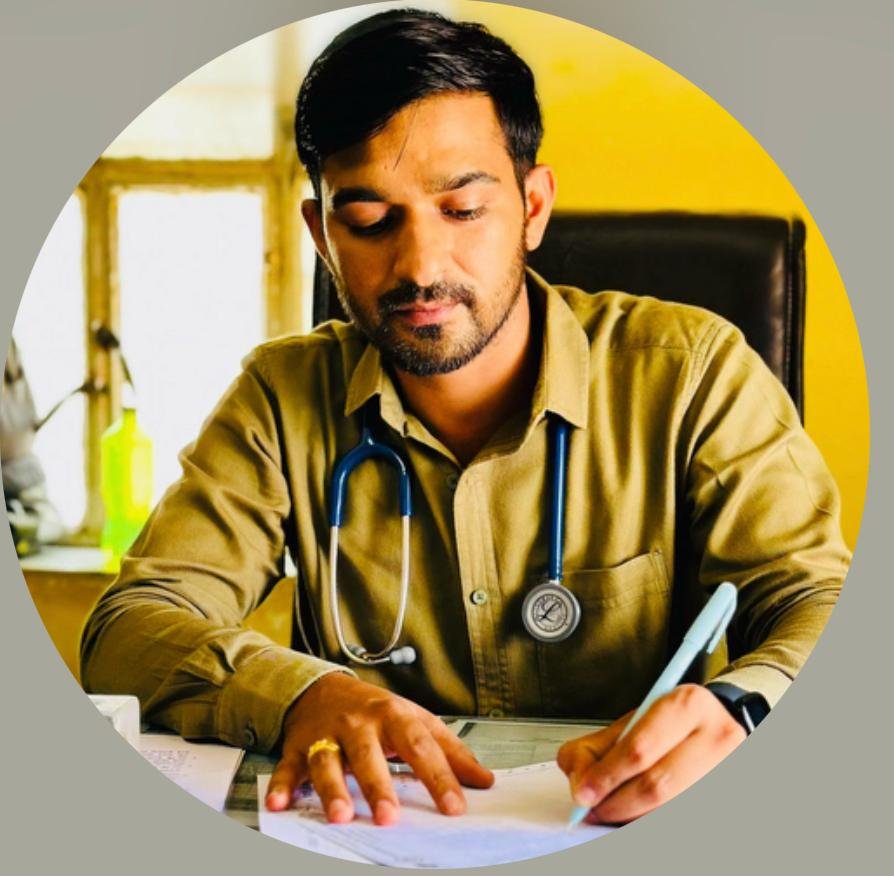
Dr. Anil Kumar
MBBS, MD · Registration No. RMC-79836 · 7 years of experience
Dr. Anil Kumar reviews AtHomeCare’s patient-facing medical content to ensure every guideline, warning sign and care protocol we publish is clinically sound and safe to follow at home. He believes recovery does not end at the hospital gate — and that a well-prepared home, a well-trained caregiver and a well-informed family are medical tools in their own right. His review covers condition accuracy, medication safety guidance, escalation criteria and the operational protocols described on this page.
Received a Discharge Date? Let’s Prepare the Home Today.
Share the discharge summary on WhatsApp or call our Patna coordinator. We will assess the home, plan the equipment and staff, and give you a written care plan — usually within a few hours, always before the patient arrives.