SLEEP TESTING AT HOME · PATNA
Home Sleep Study in Patna: How AtHomeCare Helps Families Complete Sleep Testing at Home
A clear, family-friendly guide to overnight sleep testing at home in Patna — what the test measures, how the equipment works, how to prepare, and exactly how AtHomeCare supports you from booking to doctor-reviewed report.
Quick Summary
A home sleep study is a one-night test done in your own bedroom using a small portable device that records breathing, oxygen levels, snoring, and sleep position. It helps doctors check for sleep-disordered breathing — most commonly obstructive sleep apnea — without a hospital stay. AtHomeCare delivers the equipment to your home in Patna, sets up the sensors, offers trained overnight support where needed, and coordinates doctor-reviewed reporting, usually within 24–48 hours.
Sleep problems rarely announce themselves loudly. They show up as tired mornings, heavy snoring that worries the family, gasping at night, headaches, or a parent who naps all day but never feels rested. In many Patna homes, families watch these signs for months, unsure what to do — and the thought of sending an elderly parent to a hospital for an overnight sleep test feels tiring, costly, and complicated.
That is exactly why home sleep testing exists. This page explains, in simple language, how a home sleep study in Patna works, what happens on the night of the test, what the report tells your doctor, and how AtHomeCare supports your family at every step — from the first phone call to the final follow-up. Serving patients across Patna through our regional care network.
What Is a Home Sleep Study?
A home sleep study is an overnight test done in your own bedroom. A small, portable device records your breathing, oxygen level, snoring, heartbeat, and body position while you sleep in your own bed. Doctors use the results to check for sleep-disordered breathing — most often obstructive sleep apnea — without a hospital stay.
You may also hear it called a home sleep apnea test (HSAT), a portable sleep study, or simply home sleep testing. Whatever the name, the idea is the same: instead of sleeping overnight in a hospital sleep lab with wires and cameras, the testing equipment comes to you.
A hospital sleep study (called polysomnography, or PSG) uses many more sensors, including brain-wave electrodes, and staff watch from another room all night. A home sleep study uses fewer sensors and watches only your breathing and oxygen. For most people with suspected obstructive sleep apnea, that is exactly enough — and many people sleep more naturally in their own bed, which makes the reading more true to real life.
A few honest points:
- A home sleep study is a diagnostic test, not a treatment. It gathers information; it does not fix anything by itself.
- The recording is scored by trained staff and interpreted by a doctor, usually a pulmonologist or sleep specialist, who then advises next steps.
- Not everyone is a good fit for home testing. Some conditions need the fuller hospital study — we explain when later on this page.
AtHomeCare offers home sleep study support as part of its respiratory-care services, alongside related support such as CPAP machines, BiPAP support, and home oxygen therapy.
Who Should Consider a Home Sleep Test in Patna?
A home sleep test is usually suggested when a doctor suspects obstructive sleep apnea — for example, loud snoring with pauses in breathing, gasping at night, daytime sleepiness, morning headaches, or uncontrolled blood pressure. Adults and elderly patients who cannot easily travel to a sleep lab are often ideal candidates.
Sleep-disordered breathing is common, and it often hides behind other health problems. Many families in Patna first notice it when a bed partner reports witnessed breathing pauses, or when an elderly parent seems endlessly tired despite “sleeping” all night. Only a proper test can confirm what is happening.
Common reasons a doctor may advise a sleep study
- Loud, regular snoring — especially with choking or gasping sounds.
- Witnessed apneas — someone has seen breathing stop during sleep.
- Daytime sleepiness — falling asleep while reading, watching TV, or in conversations.
- Unrefreshing sleep — waking tired even after 7–8 hours.
- Morning headaches or dry mouth on waking.
- Hard-to-control blood pressure, heart rhythm concerns, or type 2 diabetes, where untreated apnea can make things worse.
- Being overweight, which raises the risk of airway collapse during sleep.
- Rechecking therapy — patients already on CPAP or BiPAP whose doctor wants to review how well treatment is working.
Who is a good candidate — and who is not
| Usually well suited to home testing | May need a hospital sleep lab instead |
|---|---|
| Adults with strong symptoms of obstructive sleep apnea | Suspected central sleep apnea (brain not sending breathing signals) |
| Elderly parents who find hospital overnight stays difficult | Severe heart failure or severe COPD with high CO2 levels |
| Patients with mobility limits or post-hospital recovery needs | Neuromuscular diseases (for example, ALS) or a recent stroke |
| Patients who sleep better in familiar surroundings | People who regularly use strong opioid pain medicines |
| Follow-up assessment when a doctor wants a second look | Children, in most cases |
| Families wanting a faster, lower-cost first test | Suspected narcolepsy, seizures during sleep, or unusual sleep behaviours (parasomnias) |
The final decision about home vs hospital testing always belongs to the treating doctor. AtHomeCare’s team helps coordinate the test your doctor recommends — it does not replace medical judgement.
How a Home Sleep Study Works, Step by Step
A home sleep study follows a simple sequence: a doctor advises the test, the equipment is brought to your home in the evening, sensors are placed on your body, you sleep normally, and the device is collected in the morning. The data is then scored and reviewed by a doctor, and you receive a written report.
Here is the full journey from first call to final report:
- Doctor’s advice and referral. Your physician or pulmonologist reviews symptoms and decides a sleep study is appropriate, or you discuss your concerns with AtHomeCare’s clinical team, who guide you to the right test.
- Booking and health screening. When you call, the team notes the patient’s age, symptoms, medicines, and any major conditions. This screening step also helps confirm that a home study is the right choice.
- Home visit and setup. A trained technician (or nurse, if medically required) arrives at your Patna home in the evening — usually 1–2 hours before bedtime. Setup takes about 20–40 minutes.
- Sensor placement. Small sensors are attached: a soft nasal tube for airflow, stretchy belts around the chest and belly, a clip on the finger for oxygen, and small stick-on pads for sound and position.
- Sleep in your own bed. You follow your normal routine. The recorder is small and quiet. If you wake at night, a short walk to the bathroom is fine — the team shows you how.
- Morning removal. Sensors are removed gently, the device is collected, and the team immediately checks the recording to confirm the data is complete and clean.
- Data download and scoring. The recording is processed by trained sleep staff who mark every breathing event, oxygen dip, and snore pattern.
- Doctor interpretation. A physician reviews the scored data together with your symptoms and history.
- Report and counselling. You receive a written report, usually within 24–48 hours, and the findings are explained in plain language with clear next steps.
If the first night’s recording is incomplete — for example, a sensor came loose — a repeat night is usually arranged at little extra hassle. Good teams check the data the same morning precisely to avoid this.
Equipment Used in Home Sleep Testing
Home sleep testing uses a compact portable monitor with five to seven small sensors: a nasal airflow tube, chest and abdominal belts, a finger pulse oximeter, a snoring sensor, and a body position sensor. Everything is lightweight, battery-powered, and designed for comfortable overnight use at home.
The equipment is far less intimidating than most people expect. There are no needles, no brain electrodes, and no cameras. Here is what each part does:
| Equipment | Where it goes | What it records | Why it matters |
|---|---|---|---|
| Nasal cannula / airflow sensor | Soft tube under the nose, looped over the ears | Air moving in and out with each breath | Detects pauses (apneas) and shallow breaths (hypopneas) |
| Chest and abdominal belts | Stretchy straps around the ribcage and belly | Effort of breathing muscles | Helps classify apnea type — obstructive vs central |
| Pulse oximeter | Soft clip on one finger | Oxygen level (SpO2) and pulse rate | Shows how far oxygen dips during breathing pauses |
| Snoring sensor | Small pad near the throat or a built-in microphone | Snoring loudness and pattern | Correlates snoring with breathing events |
| Body position sensor | Small unit on the chest strap | Sleeping on back, side, or stomach | Some apnea happens mainly on the back |
| Portable recorder | Small box on a belt or bedside | Stores everything through the night | Battery-backed and quiet; collected in the morning |
All sensors that touch the skin are either single-use disposable items or fully cleaned and disinfected between patients. The belts and clip are adjusted to fit comfortably — most patients forget they are wearing them within the first hour.
What a Home Sleep Study Records
The main output of a home sleep study is the Apnea-Hypopnea Index (AHI) — the number of breathing pauses and shallow breaths per hour of sleep — along with oxygen levels, snoring data, breathing effort, pulse, body position, and total recording time. Together these show whether sleep-disordered breathing is present and how severe it is.
The headline number: AHI
During sleep, the throat muscles relax. In some people the airway narrows or closes, breathing stops for ten seconds or more (an apnea), or becomes very shallow (hypopnea). Each event briefly drops oxygen and wakes the brain for a split second — even if you never remember it.
| AHI | Severity | What it usually means |
|---|---|---|
| Fewer than 5 | Normal range | No significant sleep-disordered breathing detected |
| 5 – 15 | Mild | Some events; treatment depends on symptoms and health conditions |
| 15 – 30 | Moderate | Frequent events; treatment usually advised |
| More than 30 | Severe | Very frequent events; prompt treatment strongly advised |
Other key values in the report
- Oxygen desaturation index (ODI) — how often oxygen falls by a set amount each hour.
- Lowest SpO2 — the lowest oxygen level reached during the night.
- Time below 90% oxygen — how long the body spent under-oxygenated.
- Snoring percentage and intensity — how much of the night involved heavy snoring.
- Body position analysis — whether events happen mostly on the back.
- Pulse pattern — heart rate changes linked to breathing events.
A sleep study report is a tool, not a diagnosis by itself. Your doctor reads it together with your symptoms, weight, blood pressure, medicines, and other conditions before recommending treatment.
How to Prepare for Your Overnight Sleep Study at Home
Good preparation is simple: keep your normal routine, avoid caffeine after early afternoon, skip alcohol and naps, take your usual medicines unless your doctor says otherwise, and avoid oils or lotions on the skin so sensors stick well. A normal evening meal and your regular bedtime give the truest reading.
The goal of preparation is to make the test night a typical night — not a perfect one. Here is a practical checklist for families:
During the day of the test
- Finish tea, coffee, cola, and other caffeinated drinks by early afternoon (around 2 pm), unless your doctor advises otherwise.
- Avoid daytime naps — even a short one can make falling asleep harder.
- Take all your regular medicines exactly as usual, unless your doctor has asked you to hold any specific medicine.
- Do not use alcohol or sleeping pills unless they are part of your regular prescription.
- Eat dinner as normal, ideally finishing about 2 hours before bedtime.
- Avoid body lotion, oil, or talc on the chest and finger area — clean, dry skin holds sensors better.
In the evening
- Wear loose, comfortable nightclothes — a two-piece set works best for chest straps.
- Keep the bedroom at a comfortable temperature; Patna’s summer heat and winter cold both affect sleep.
- Charge or keep your phone nearby for the AtHomeCare night support number.
- Keep a glass of water and the bathroom path lit if an elderly patient is testing.
- If a family caregiver usually helps at night, keep that routine the same.
If your parent uses a trained overnight attendant, the attendant stays through the night as usual. The sleep study does not change the care routine — it simply records it.
What Happens on the Night of the Test
On the test night, a technician or nurse attaches the sensors, explains everything, and leaves the room. You sleep in your own bed as normally as possible. Getting up once or twice for the bathroom is allowed. The device quietly records all night, and everything is removed gently in the morning.
Here is how the night usually unfolds, hour by hour:
- Evening setup (20–40 minutes). The visiting team member explains the equipment, answers questions, attaches each sensor, and does a quick signal check to make sure everything is recording. You or a family member are shown how to briefly disconnect for bathroom visits if the device requires it.
- Lights out. You follow your normal bedtime. The recorder is small and silent. There is nothing to watch or manage.
- During the night. Change positions freely. If a sensor feels loose, note it and mention it in the morning — do not stay awake worrying about it.
- Morning. Sensors are removed gently (a little tape residue wipes off with warm water), the device is collected, and the data is checked on the spot.
This is the most common worry — and usually unnecessary. You do not need a “perfect” night. Even a shorter night of sleep usually provides enough data for scoring. Stay in bed, relax, and let rest happen naturally. If the recording still turns out too short, a repeat night is arranged — no judgment, no drama.
Can I get up during the night?
Yes. Bathroom breaks are normal and expected. Depending on the device, you either briefly unclip one sensor or simply walk with the recorder. The setup team demonstrates this before leaving, so nobody wakes up confused.
A home sleep study device is a recording tool, not an emergency monitor or rescue device. If at any time the patient develops severe breathlessness, chest pain, fainting, blue lips, or confusion, call an ambulance (108 / 102) immediately — do not wait for the report. You may also call AtHomeCare’s 24×7 support line at 9910823218 for guidance while help is arranged.
After the Test: Data, Scoring, and Your Report
After the test, the device data is downloaded the same morning and checked for quality. Trained sleep staff score every breathing event, and a doctor reviews the scored recording against your symptoms. Most families receive a written report within 24 to 48 hours, followed by an explanation of the results and next steps.
Scoring is a careful, human-supervised process — not just a machine printout:
- Data download and quality check. The moment the device is collected, the team confirms that airflow, oxygen, and effort signals recorded for enough hours. If something is missing, a repeat night is planned immediately.
- Automated analysis, then human review. Software flags possible breathing events; a trained technologist then verifies each one event by event. This combination keeps results accurate.
- Doctor interpretation. A physician — often a pulmonologist or sleep specialist — reads the report alongside your history: weight, blood pressure, heart condition, medicines, and symptoms.
- Report delivery and counselling. You receive the written report, and the findings are explained in simple words: what the numbers mean, whether treatment is advised, and what the options are.
Reports are usually ready within 24–48 hours because early answers matter. If sleep apnea is confirmed, treatment such as CPAP therapy can begin quickly — and untreated moderate-to-severe apnea affects the heart, brain, and daily energy for every day it goes unaddressed.
If your doctor would like to discuss the report with you in person, AtHomeCare can arrange a doctor home visit in Patna so the results are explained at your bedside, not across a crowded clinic.
Reading Your Sleep Study Report in Plain Language
Your report’s most important line is usually the AHI — breathing events per hour. Alongside it, look at the lowest oxygen level and the time spent below 90%. But never self-diagnose from numbers alone: the same AHI can mean different things for a 35-year-old and an 80-year-old with a heart condition.
Here is a short glossary to help you understand what your doctor will be discussing:
| Term | Plain-language meaning | Why your doctor cares |
|---|---|---|
| AHI (Apnea-Hypopnea Index) | Number of breathing pauses and shallow breaths per hour | The main measure of sleep apnea severity |
| ODI (Oxygen Desaturation Index) | How often oxygen dropped significantly per hour | Shows strain on the heart and brain overnight |
| Lowest SpO2 | Lowest oxygen level reached | Very low values suggest significant events |
| T90 (time below 90%) | Minutes or percentage of the night spent under 90% oxygen | Longer times are linked to cardiovascular risk |
| Obstructive vs central events | Airway blockage vs missing breathing signals from the brain | Changes the type of treatment recommended |
| Positional data | Events happening mainly on the back | Simple position strategies may help some patients |
| Recording time | Total hours of usable data | Confirms the test was technically valid |
A home study cannot measure brain waves, so it cannot diagnose narcolepsy, seizure activity, or complex sleep behaviours. If your symptoms point that way, your doctor will plan a hospital polysomnography instead.
Home Sleep Study vs Hospital Sleep Lab: An Honest Comparison
A home sleep study is more comfortable, quicker to arrange, and usually less expensive, and it captures your natural sleep. A hospital sleep lab study records more signals — including brain waves — and is needed for complex cases. For most straightforward suspected obstructive sleep apnea, a home test is the sensible first step.
| Factor | Home Sleep Study | Hospital Sleep Lab (PSG) |
|---|---|---|
| Where you sleep | Your own bed, your own routine | Unknown bed, clinic environment, staff nearby |
| Sensors | 5–7 breathing and oxygen channels | 15–20+ channels including brain waves (EEG) and eye movement |
| Sleep quality during test | Usually natural and representative | “First-night effect” can distort results |
| Waiting time | Typically days | Often weeks for a lab slot in most cities |
| Cost | Generally lower | Generally higher |
| Travel burden | None — equipment comes to you | Travel, waiting, overnight stay arrangements |
| Detects | Obstructive sleep apnea patterns, oxygen dips, snoring | All of the above plus central apnea, limb movements, seizures, parasomnias |
| Best for | Straightforward suspected obstructive sleep apnea; elderly and mobility-limited patients | Complex, unclear, or high-risk cases; children; CPAP titration in difficult cases |
Think of it this way: the home study answers the most common question — “Is obstructive sleep apnea happening, and how bad is it?” The hospital study answers the harder questions when the situation is more complicated.
When a Hospital-Based Sleep Study May Be Necessary
A hospital sleep lab is the safer choice when there are serious heart or lung conditions, suspected central sleep apnea, neuromuscular disease, recent stroke, regular opioid use, severe insomnia, or when a home test comes back inconclusive. Children and patients needing complex CPAP titration also usually need the lab.
AtHomeCare’s screening questions exist precisely to catch these situations early. Speak openly about the patient’s full history so the right test is chosen the first time:
- Significant heart failure or very low oxygen at rest.
- Severe COPD with known or suspected high carbon dioxide levels.
- Neuromuscular conditions such as ALS or muscular dystrophy.
- Recent stroke or suspected central (brain-driven) breathing pauses.
- Regular opioid pain medicines, which alter breathing patterns.
- Severe, long-standing insomnia, where a night of “testing pressure” can distort results.
- Unusual night behaviours — sleepwalking, violent movements, or possible seizures.
- An inconclusive or failed home test, or symptoms that persist despite a “normal” home result.
If the screening or the home test result suggests a complex problem, the team tells you plainly, shares the findings with your doctor, and helps coordinate the hospital pathway — including home ICU support where a doctor has advised higher-level care at home instead of prolonged hospital admission.
How AtHomeCare Delivers Sleep Testing at Home in Patna
AtHomeCare follows a defined operational workflow for home sleep studies in Patna: clinical screening before booking, verified and trained field staff, sanitized and calibrated equipment delivered to your doorstep, documented night support, same-morning data checks, doctor-reviewed reporting, and a 24×7 escalation line for emergencies.
Families rightly ask: who exactly is coming into my home, and how do I know it is safe? Here is how the service actually works, described as operational practice rather than promises:
People: recruitment, verification, and training
- Recruitment and screening. Technicians, nurses, and attendants go through identity checks, qualification checks, and reference screening before joining.
- Background verification. Field staff who enter homes are police-verified, with documents on record.
- Training. Staff receive documented training in sensor placement, infection prevention, patient communication, and emergency response — and are re-assessed periodically.
- Supervision. Field activity is supervised by clinical coordinators who review each case log daily.
Equipment logistics and hygiene
- Calibrated devices. Sleep study monitors are checked and calibrated on schedule; faulty units are pulled from service.
- Single-use consumables. Nasal cannulas, adhesive pads, and skin-contact items are opened fresh for each patient.
- Disinfection protocol. Reusable parts (belts, clips, recorder) are cleaned and disinfected between patients under a written infection-prevention SOP.
- Doorstep delivery. Equipment reaches homes across Patna — including Kankarbagh, Boring Road, Bailey Road, Patliputra, Rajendra Nagar, Danapur, Khagaul, and nearby localities — through our medical equipment logistics network.
Care coordination and continuity
- Shift handovers. Every home study has a documented handover: the evening setup team briefs the night support staff, who brief the morning collection team. Nothing important is left to memory.
- Night support. For elderly or dependent patients, a trained attendant or nurse can stay through the night. For long-term assignments, AtHomeCare provides accommodation support so the same caregiver remains consistent.
- Integrated pharmacy. If the doctor prescribes medicines or supplies after the test, medication delivery and refill management can be arranged to the same address.
- Quality monitoring. Each case ends with a data-quality check, a family feedback call, and supervisor review. Complaints follow a defined escalation path.
Emergency escalation
- 24×7 helpline. A night support number stays active throughout the test night.
- Defined escalation. If a patient deteriorates, the on-call nurse and doctor are informed per protocol, and ambulance coordination is initiated without delay.
- Hospital linkage. Where needed, the team assists with a safe, documented transfer to a hospital of the family’s choice.
Who Visits Your Home and What Each Person Does
Depending on the patient’s needs, up to four roles may be involved: a sleep technician who sets up and collects the device, a trained attendant who supports the patient overnight, a nurse for medically complex patients, and a doctor who interprets the final report. Each role has a clear, documented responsibility.
| Team member | When they are involved | What they actually do |
|---|---|---|
| Sleep technician | Evening setup and morning collection | Applies sensors, checks signals, removes equipment, verifies data quality |
| Trained attendant (GDA) | Overnight, for elderly or dependent patients | Assists with position changes, bathroom visits, comfort, and reassurance; reports any concerns |
| Home nurse | When medical oversight is needed | Monitors vitals, manages oxygen or CPAP users, handles clinical escalation |
| Doctor | Before and after the test | Confirms the test is appropriate, interprets the scored report, advises treatment |
| Care coordinator | Throughout | Scheduling, paperwork, reporting timelines, feedback, and escalation |
For families already receiving patient care at home, the sleep study is woven into the existing routine — the same trusted caregiver continues, with the diagnostic team visiting around them.
Safety, Hygiene, and Quality Monitoring During Home Testing
Home sleep testing is a low-risk, non-invasive procedure. Safety comes from verified staff, single-use skin-contact items, disinfected reusable equipment, honest data-quality checks, and a live escalation line. The device records — it does not treat — so any real emergency follows a standard ambulance protocol.
What “safe” looks like in practice:
- Police-verified, ID-carrying staff whose names are shared with the family before the visit.
- Fresh, sealed nasal cannulas and adhesives opened in front of the family.
- Reusable equipment disinfected under a written protocol between patients.
- A signal-quality check before the technician leaves — so the night actually counts.
- A same-morning data verification, with a repeat night offered if recording is incomplete.
- A documented escalation protocol: family → on-call nurse → on-call doctor → ambulance coordination.
- Skin care afterwards: sensors come off gently, and mild redness from tape fades within hours.
A home sleep study is for diagnosis. If a patient already needs continuous monitoring, oxygen, or ventilator support at home, that is a different service — AtHomeCare’s home ICU setup covers that separately, on a doctor’s advice.
Your Testing Timeline: From First Call to Final Report
Most families complete a home sleep study within 2 to 4 days: booking and screening on day one, equipment setup in the evening, recording overnight, collection and data check the next morning, and a doctor-reviewed report typically within 24–48 hours of collection.
- Day 0 — Enquiry and screening. You call or WhatsApp AtHomeCare. The coordinator records symptoms, medicines, and history, and confirms the doctor’s advice for the test.
- Day 1 — Scheduling and confirmation. A time slot is confirmed for the evening setup. The visiting staff member’s name and ID are shared with the family in advance.
- Day 1 evening — Setup at home. Sensors are placed, signals verified, bathroom-break instructions given. The night helpline number is left with the family.
- Day 1 night — Recording. You sleep at home, normally. Optional trained attendant support continues as usual for elderly patients.
- Day 2 morning — Collection and data check. Sensors are removed, the device is collected, and the recording is verified for completeness on the spot.
- Day 2–3 — Scoring and doctor review. Trained staff score the recording; a physician interprets the results against your history.
- Day 2–4 — Report and counselling. You receive the written report and a clear explanation, with next steps — which may include CPAP therapy, further testing, or follow-up with your specialist.
Many Patna families have children working in Delhi, Bengaluru, or abroad. Reports, explanations, and follow-up planning can be shared with the family member coordinating care, and elderly care support at home can continue after the test.
Is a Home Sleep Study Right for You? A Simple Decision Helper
If someone snores loudly with pauses, gasps at night, or sleeps long hours but wakes exhausted, and a doctor suspects obstructive sleep apnea without any major heart or lung disease, a home sleep study is usually suitable. If any high-risk condition is present, the hospital sleep lab is the better route.
- Is there loud snoring with witnessed pauses, gasping, choking, or extreme daytime sleepiness?
Yes → go to step 2 No → speak to a doctor about other causes of tiredness - Has a doctor reviewed the symptoms and advised a sleep study?
Yes → go to step 3 Not yet → book a doctor home visit or consult your physician first - Does the patient have severe heart failure, severe COPD with CO₂ retention, neuromuscular disease, recent stroke, or regular opioid use?
Yes → a hospital sleep lab study is usually safer No → go to step 4 - Are the symptoms straightforward — snoring, pauses, daytime sleepiness — with no unusual night behaviours?
Yes → a home sleep study in Patna is likely suitable; call AtHomeCare to begin screening Unsure → our clinical team will screen and guide you honestly, including referring you to a lab if needed
Cost, Booking, and What to Expect When You Call
The cost of a home sleep study in Patna depends on the type of device used, whether one night or two are needed, the level of night support, and doctor interpretation. AtHomeCare shares a clear, written quote before booking — there are no surprise charges, and pricing is explained over the phone at 9910823218.
Reputable providers avoid publishing one fixed price because honest quoting depends on the case. Here is what genuinely affects what you pay:
- Device category — more advanced multi-channel recorders cost more than basic screening units.
- Number of nights — most patients need one; occasionally two are advised.
- Night support level — technician setup only, or setup plus a trained attendant or nurse overnight.
- Professional interpretation — scoring and physician review are part of a proper service, not an add-on.
- Location and timing — distance within the Patna service area and urgency of the request.
How to book — three simple ways
- Call 9910823218 and ask for a home sleep study in Patna.
- WhatsApp your details to 9910823218 — a coordinator replies with the screening form.
- Ask your doctor to share the prescription or advice note; the team takes it from there.
Keep this information ready: the patient’s age and main symptoms, a list of current medicines, any major diagnosed conditions, whether a bed partner has seen breathing pauses, the full home address in Patna, and the doctor’s details if a referral exists. With this in hand, booking usually takes under ten minutes.
After the Test: What Happens If Sleep Apnea Is Confirmed?
If the report confirms sleep apnea, the doctor will usually discuss treatment options — most commonly CPAP or BiPAP therapy, weight and lifestyle measures where relevant, positional strategies, or in selected cases a surgical opinion. AtHomeCare supports the next steps at home, including machine rental, mask fitting, and supervised follow-up.
A diagnosis is the beginning of feeling better, not a dead end. Typical pathways after a positive report:
- CPAP therapy. A small machine delivers gentle air pressure through a mask, keeping the airway open all night. AtHomeCare provides CPAP machine support at home, including trial rentals, mask fitting, cleaning guidance, and troubleshooting.
- BiPAP therapy. For patients who need two levels of pressure — often those with COPD or heart conditions — BiPAP support at home is arranged with nurse supervision where prescribed.
- Nurse-supervised follow-up. For elderly patients, sleep apnea care at home includes checking mask comfort, machine data, and night-time safety.
- Lifestyle and medical follow-up. Weight management, blood pressure control, and specialist reviews proceed in parallel, guided by your treating doctor.
- Retesting later. Doctors often repeat a sleep study after major weight change or to confirm treatment is working.
Related home services that often follow a sleep study include home oxygen therapy, nebulization support, and — where breathing problems are more complex — a full home ICU setup under a doctor’s direction. For recovery needs beyond sleep, physiotherapy at home helps rebuild strength and daytime energy.
Frequently Asked Questions About Home Sleep Studies in Patna
1. What exactly is a home sleep study?
It is an overnight test done in your own bedroom. A small portable device with a few sensors records your breathing, oxygen level, snoring, chest movement, and sleep position. A doctor then reads the results to check whether you have sleep-disordered breathing, most commonly obstructive sleep apnea.
2. How does a home sleep study actually work?
A trained technician visits your home in the evening, attaches small sensors, and leaves the recorder running. You sleep normally. The device is collected in the morning, the data is scored by trained staff, and a doctor interprets it. You receive a written report, usually within 24–48 hours.
3. Is a home sleep study accurate?
For suspected obstructive sleep apnea, home testing is considered a reliable diagnostic method, and sleeping in your own bed often gives a more natural reading than a hospital room. Accuracy depends on good sensor placement and enough recorded hours — which is why the data is verified the same morning. Complex cases, however, still need a hospital lab study.
4. Who is a suitable candidate for home sleep testing?
Adults and elderly patients with symptoms like loud snoring, witnessed breathing pauses, gasping, daytime sleepiness, or morning headaches — and without severe heart failure, severe COPD, neuromuscular disease, or recent stroke. The final call is always the treating doctor’s, guided by a short screening.
5. How long does the whole process take?
Setup takes 20–40 minutes in the evening. Recording runs for one night. Collection happens the next morning with an immediate data-quality check. The scored, doctor-reviewed report usually arrives within 24–48 hours of collection. From first call to report, most families finish within 2–4 days.
6. Do I have to stay alone, or can someone be with me during the test?
Someone can absolutely stay with you — a family member or, for elderly and dependent patients, a trained AtHomeCare attendant can remain through the night as usual. The test records the patient only and does not interfere with normal caregiving routines.
7. What should I avoid before the test night?
Avoid caffeine after early afternoon, daytime naps, and alcohol. Take your regular medicines as usual unless your doctor specifically asks you to hold any. Avoid body oils and lotions on the chest and finger so sensors stick properly. Otherwise, keep everything about your evening normal.
8. Can I get up to use the bathroom during the night?
Yes. Bathroom breaks are completely normal and expected. The setup team shows you exactly how to manage the sensors for a short walk — some devices need one clip briefly unclipped, others allow you to simply walk with the recorder.
9. Does the test hurt? Are there needles?
No. There are no needles and no blood tests. Sensors are soft and external: a gentle nasal tube, stretchy belts, a finger clip, and small adhesive pads. Some people notice mild tape stickiness on the skin the next morning, which washes off with warm water.
10. What if I cannot fall asleep during the test?
Do not panic or force it. Lie comfortably and rest — even a shorter night of sleep usually gives enough data. If the recording turns out too short or incomplete, a repeat night is arranged. Anxiety about sleeping perfectly is the most common worry, and it almost always turns out unnecessary.
11. What devices are attached to my body?
Typically five to seven: a soft nasal airflow tube, chest and abdominal breathing belts, a finger pulse oximeter for oxygen and pulse, a snoring sensor, and a body position sensor — all connected to a small, silent recorder worn on a strap or kept by the bedside.
12. Is my recorded data private and safe?
Yes. Recordings are handled as confidential medical data, accessed only by the trained staff scoring the test and the doctor interpreting it. Data is shared with you and your treating physician, and the report contains your clinical information only.
13. How soon will I get my report?
Most reports are ready within 24 to 48 hours after the device is collected. The timing can stretch to about three days if the doctor requests extra review. The team tells you the expected date at booking and follows up with an explanation call when the report is ready.
14. What happens if the recording fails or is incomplete?
The data is checked the same morning it is collected. If hours of recording are missing or a signal was poor, a repeat night is scheduled — often at little or no additional charge depending on the case. This check exists precisely so you do not discover a problem days later.
15. How is a home sleep study different from a hospital sleep lab test?
A hospital polysomnography uses many more sensors, including brain-wave electrodes, and is done in a clinic overnight. A home study uses fewer sensors but is more comfortable, faster to arrange, usually cheaper, and captures your natural sleep. Complex or unclear cases need the hospital lab; straightforward suspected sleep apnea usually does not.
16. When would my doctor recommend a hospital sleep study instead?
For suspected central sleep apnea, severe heart failure, severe COPD with high CO₂, neuromuscular disease, recent stroke, regular opioid use, children, unusual night behaviours, or when a home test comes back inconclusive. A proper screening conversation catches these situations before booking.
17. What happens if my test shows sleep apnea?
Your doctor will discuss treatment — most often CPAP or BiPAP therapy, sometimes with weight, blood pressure, or positional measures. AtHomeCare can support the next step at home with CPAP/BiPAP machine rental, mask fitting, and nurse-supervised follow-up so therapy starts comfortably.
18. Can an elderly parent safely do a home sleep study?
Yes — elderly patients are often ideal candidates because the test comes to them. A trained attendant can stay overnight, sensors are gentle, and there is no travel or hospital admission. The only caution is coexisting conditions like severe heart or lung disease, which the doctor weighs during screening.
19. How much does a home sleep study cost in Patna?
Cost depends on the device type, number of nights, level of night support, and doctor interpretation. Rather than quoting a single number, AtHomeCare shares a clear, itemised quote before booking so there are no surprises. Call 9910823218 for exact, current pricing for your case.
20. How do I book a home sleep study with AtHomeCare in Patna?
Call 9910823218 or WhatsApp the same number and mention “home sleep study in Patna.” A coordinator completes a short health screening, confirms your doctor’s advice, schedules the evening setup, and shares the visiting staff member’s details. The equipment then comes to your home — anywhere across the Patna service area.
If the patient develops severe breathlessness, chest pain, fainting, blue lips or fingertips, seizure, or sudden confusion, call an ambulance immediately at 108 / 102. A sleep study device does not provide treatment. For urgent home-care guidance while help is arranged, call AtHomeCare’s 24×7 line at 9910823218.
About the Author
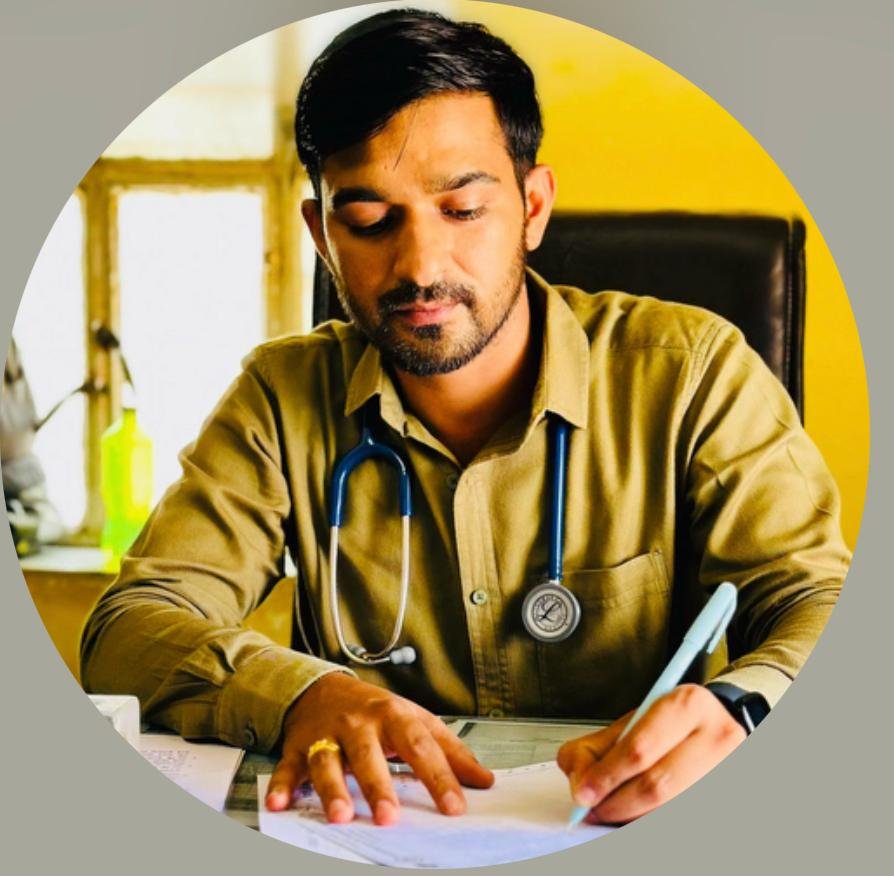
Dr. Anil Kumar
Author & Medical Reviewer — AtHomeCare
Dr. Anil Kumar guides AtHomeCare’s clinical content on home-based diagnostics, respiratory support, and elderly care. Every medical claim on this page has been reviewed against current clinical practice for home sleep testing.
- Qualification: [To be added — placeholder]
- Speciality: [To be added — placeholder]
- Medical Registration No.: RMC-79836
- Years of Experience: 7 years
Medical Review & Clinical Accountability
Reviewed by Dr. Anil Kumar
Reviewing Physician
This page was last medically reviewed on . It is reviewed periodically and updated whenever home sleep testing practices change. It is educational content and does not replace a personal consultation with your doctor.
- Doctor Name: Dr. Anil Kumar
- Qualification: [To be added — placeholder]
- Speciality: [To be added — placeholder]
- Registration Number: RMC-79836
- Years of Experience: 7 years
Ready to Book a Home Sleep Study in Patna?
One phone call starts everything: a short health screening, a clear quote, and an evening setup at your home — anywhere across Patna through our regional care network. Most families go from first call to doctor-reviewed report within a few days, without a single hospital visit.