Okihiro Syndrome With Upper Limb Abnormalities, Eye Movement Difficulties and Daily Living Support in Patna
A documented 12-week home rehabilitation journey for a 26-year-old man living with Okihiro syndrome — a rare genetic condition involving upper-limb differences and eye movement difficulty. This case study explains how a coordinated home team (nursing oversight, trained attendant support, physiotherapy and occupational therapy) helped him rebuild independence in everyday tasks using adaptive techniques, without promising or describing a “cure.”
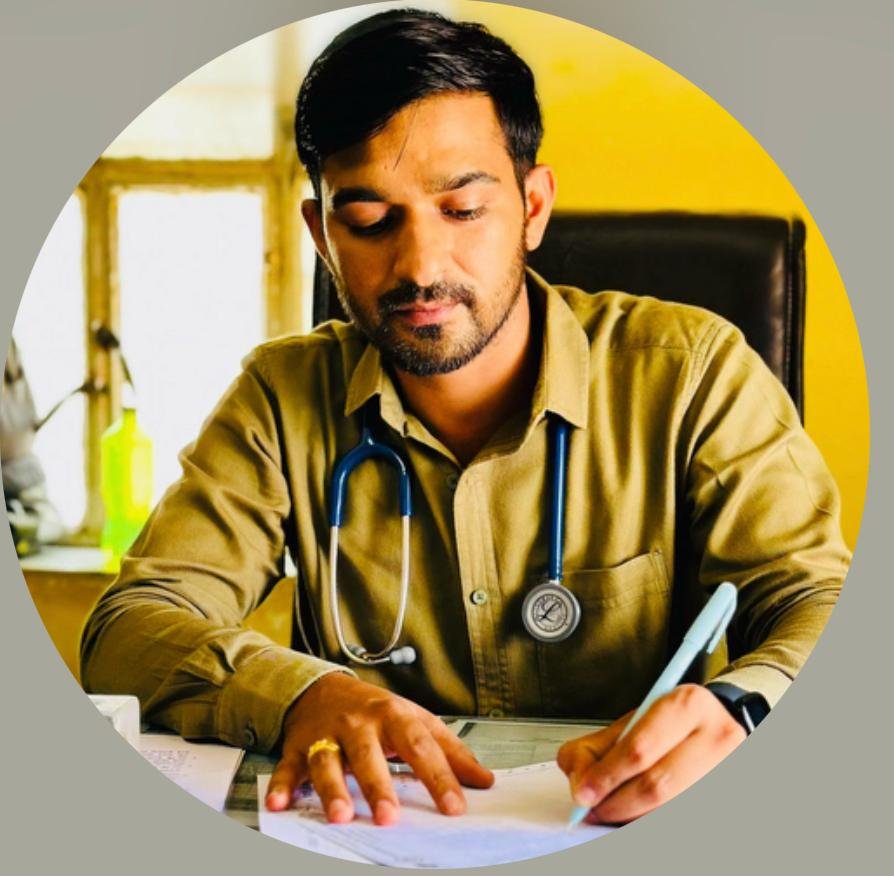
This case study has been prepared and reviewed under medical editorial supervision to ensure clinical accuracy, conservative claims, and YMYL-compliant healthcare publishing standards. Patient details are fictionalised for education; no confidential information is disclosed.
1. Patient Background
Mr. Aviraj Menon is a 26-year-old man from Patna who has lived with Okihiro syndrome since birth. Okihiro syndrome is a rare genetic condition associated with upper-limb abnormalities and eye movement difficulties; the severity and combination of features vary considerably between individuals. In Aviraj’s case, differences in the development and movement of his right upper limb were present from childhood, alongside difficulty with coordinated eye movements that required regular ophthalmology follow-up.
Life before home care
As an adult, Aviraj’s main concerns were practical rather than acute medical ones:
- Difficulty using the affected arm for complex tasks — actions that require both hands working together, such as fastening clothing or carrying objects while opening a door.
- Fatigue during prolonged activities — longer tasks tended to exhaust him, partly because of the extra effort his body invested in compensation.
- Need for assistance with selected personal-care activities — mainly bathing and dressing steps that demand fine two-handed coordination.
- Not employed due to these upper-limb and functional limitations.
Family situation and baseline function
Aviraj lives with his family in Patna. His mother is the primary caregiver and his elder brother provides secondary support. He could walk independently, manage simple activities using his unaffected arm, and move outdoors on his own. He was medically stable — this was not a case of deteriorating disease, but of a lifelong condition whose functional demands were colliding with the practical realities of adult daily life: more independent living expectations, heavier household participation, and two-handed tasks his childhood routines had never required.
Reason for review
He presented for review after increasing difficulty performing household tasks that required both hands. The review concluded with discharge on a supportive rehabilitation plan — the foundation for the 12-week home care programme described below.
2. Clinical Diagnosis and Evaluation
Primary diagnosis: Okihiro syndrome — a rare genetic condition that can involve upper-limb structural and functional abnormalities together with eye movement difficulties (a Duane-type anomaly, in which eye movement toward certain directions is restricted and may be accompanied by retraction of the eye).
Documented assessment pathway
Aviraj’s evaluation was deliberately multidisciplinary, because Okihiro syndrome does not belong to a single specialty. The documented assessment included:
| Assessment | What it evaluated | Documented relevance for this patient |
|---|---|---|
| Orthopedic examination | Structure, alignment and joint behaviour of the right upper limb | Confirmed long-standing structural and functional differences |
| Neurological assessment | Sensation, reflexes and motor control | Part of the standard review for an upper-limb difference |
| Eye movement and vision assessment | Coordinated eye movement, vision status and safety | Ongoing ophthalmology follow-up continued as before |
| Upper-limb functional assessment | Ability to reach, grip, hold and perform two-handed tasks | Identified difficulty with complex and two-handed activities |
| Physiotherapy evaluation | Range of movement, strength, posture and conditioning | Basis for the adapted exercise programme |
| Occupational therapy assessment | Performance of activities of daily living (ADL) | Identified tasks needing adaptive technique or assistance |
| General health review | Overall fitness, nutrition and medical stability | Patient medically stable for home-based rehabilitation |
A note on clinical documentation: this case study is built strictly on the documented case record summarised above. Specific laboratory values, imaging measurements, genetic test details and medication names were not part of the documentation available for this educational report, and are therefore not presented or inferred. Where information was not documented, it is stated as not documented — never assumed.
Associated medical concerns documented in the record
- Upper-limb structural and functional differences (right side)
- Reduced strength or range of movement in the affected arm
- Eye movement difficulty requiring specialist follow-up
- Fine-motor limitations affecting precision tasks
- Difficulty with two-handed tasks
- Fatigue during prolonged activities
- Dependence for selected daily activities (bathing, dressing, household tasks)
3. Medical Treatment and Support
Okihiro syndrome is a congenital condition, so care is not aimed at “removing” it. The documented management strategy combined specialist continuity with functional rehabilitation:
| Element of care | Purpose |
|---|---|
| Regular ophthalmology follow-up | Ongoing monitoring of eye movement findings and vision; early detection of any change |
| Orthopedic review when required | Specialist opinion on the upper limb if structural questions arise or surgical options are ever considered |
| Physiotherapy | Maintain joint mobility, build appropriate strength, support posture and conditioning |
| Occupational therapy | Adaptive techniques for dressing, eating, household tasks and energy conservation |
| Adaptive techniques for daily activities | Redesigning tasks so they can be done safely with available function |
| Family education | Consistent, correct technique between professional visits |
| Regular monitoring of functional changes | Detect improvement, plateau or new problems early |
He was discharged with a supportive rehabilitation plan — a decision that reflected his stable medical status and a functional, rather than acute, set of needs. Medication, where prescribed, was family-managed with reminders built into the care routine; no specific medications form part of the documented record for this case study.
4. Why Home Healthcare Was Clinically Appropriate
The decision to deliver rehabilitation at home was a clinical one, not a convenience. The reasoning was as follows:
The needs were chronic and functional, not acute
Aviraj was medically stable. What he needed was repetitive, guided practice — dozens of small repetitions of dressing technique, utensil handling, task pacing — not procedures or monitoring equipment. Repetition happens most naturally in the environment where the tasks actually occur: his own home. Hospital-based therapy sessions a few times a month could not achieve what daily, in-context practice can.
Skills must transfer to the real environment
Occupational therapy works best when the kitchen counter, the bathroom doorway, the wardrobe and the staircase are part of the training. A therapist can teach one-handed fastening in a clinic, but only in the home can the team confirm that lighting, furniture heights and floor surfaces actually support what was taught.
Eye-movement difficulty makes the home environment a safety factor
Impaired coordinated eye movement can affect depth judgement and visual scanning of surroundings. Since Aviraj moves independently at home and outdoors, environmental modification — lighting, decluttering, non-slip surfaces, grab bars — was a clinical safety intervention, best assessed and installed at home.
Consistency protects the unaffected arm
Long-term function in conditions like this depends heavily on preserving the healthy arm. Compensatory overuse is a well-recognised risk. A supervised home team could monitor his technique daily and correct compensatory strain before it became pain or injury — something occasional OPD visits cannot do.
Caregiver education compounds results
With his mother as primary caregiver and brother as secondary support, every visit was also a teaching opportunity. Educated caregivers keep techniques consistent between sessions, spot regression early, and reduce dependence on professionals for routine support.
For families weighing a similar decision, our guides on why specialized nursing services in Patna can be chosen over hospitalization, patient safety in home care in Patna, and choosing between a nurse and a patient attendant explain this reasoning in greater depth.
5. Home Care Plan — Component by Component
5.1 Home nursing oversight
The visiting nurse’s role was supervisory and preventive rather than interventional:
- General health observation at every visit
- Medication reminders when items were prescribed
- Monitoring for pain, stiffness or any new functional problem
- Systematic documentation of changes for specialist review
- Coordination of ophthalmology and orthopedic appointments
- Caregiver education on safe technique and warning signs
This structure reflects how patient care services at home in Patna operate under nursing supervision — the nurse provides the clinical “safety net” while the attendant and therapists deliver daily support. Our notes on specialized nursing services in Patna and the importance of specialized nursing care at home describe the documentation standards followed.
5.2 Trained patient attendant
The attendant handled the predictable daily load that two-handed tasks place on the family:
- Assistance with bathing and dressing
- Meal preparation support
- Carrying heavier objects
- Household activities requiring two hands
- Safe completion of two-handed tasks alongside — not instead of — Aviraj’s own effort
The distinction between “doing for” and “enabling” matters clinically: the attendant’s brief was to support, not replace, Aviraj’s independence. Families can read more in why trained attendants at home matter and who actually needs attendant support, and compare options in home attendant vs trained nurse — the same decision logic applies to younger adults with functional limitations.
5.3 Physiotherapy — adapted, never forced
The physiotherapy programme focused on: maintaining joint mobility, strengthening appropriate muscle groups, posture, upper-limb functional exercises, general conditioning, and safe activity techniques. The defining principle, documented in the record, was that exercises were adapted to his structural differences rather than forcing normal movement patterns.
Forcing a structurally different limb into “standard” movement patterns risks strain, compensatory pain and joint damage. Respect for anatomy is not a limitation of therapy — it is the therapy. This principle is expanded in our guides on range-of-motion therapy and contracture prevention and physiotherapy and healing through movement.
Readers can explore how structured programmes are built in customized rehabilitation and strength-building programmes, at-home physiotherapy services, and integrated nursing and physiotherapy at home. Families seeking this service directly can visit our physiotherapy at home in Patna page.
5.4 Occupational therapy — redesigning the task, not the person
Occupational therapy addressed the real bottleneck: activities of daily living. Focus areas documented in the plan were:
- One-handed techniques for dressing, grooming and kitchen tasks
- Adaptive dressing methods — sequence changes, garment choice, anchoring techniques
- Modified utensils for eating and food preparation
- Safe household tasks matched to his capability
- Energy conservation — pacing, task simplification and rest planning to counter fatigue
- Improving independence as the measurable goal of every technique
Related reading: ADL support with restricted movement, daily activity assistance principles, daily care assistance, and personal care and hygiene support at home.
5.5 Vision and eye-movement support
The family maintained good lighting throughout the home and avoided unnecessary obstacles in walkways. Aviraj was encouraged to use prescribed vision aids if recommended by his ophthalmologist, and both he and his caregivers were trained to report any significant change in vision, double vision, or new eye symptoms immediately. Because he was independent in walking and outdoor mobility, this vigilance was a genuine safety system, not a formality. General escalation principles are covered in recognising warning signs and emergency response.
5.6 Medication and general health continuity
Medication was family-managed with nurse-administered reminders when prescribed. For prescription refills and medicine continuity, our 24×7 pharmacy service in Patna supports home-care patients, and periodic reviews can be arranged through laboratory services at home when a treating doctor orders tests.
5.7 Medical equipment and home modifications
A small, targeted equipment list did disproportionate work in this case:
| Item / modification | Clinical purpose |
|---|---|
| Grab bars | Stable support during bathing and toilet transfers — fall prevention |
| Non-slip bathroom flooring | Reduced slip risk in the highest-risk room of the house |
| Adaptive utensils | Independent, dignified eating with one-hand-friendly design |
| Easy-fastening clothing | Removed the most frustrating daily dressing barrier |
| Stable chairs | Safe resting positions during prolonged or tiring tasks |
| One-hand-open organizers | Household items accessible without two-handed coordination |
Most of these items can be arranged through medical equipment rental in Patna. Broader home-setup guidance appears in creating a safe and comfortable home environment, essential products for independent living, and fall prevention and safety setup at home.
5.8 Doctor oversight during home care
While Aviraj’s specialists continued their OPD follow-up, home visits by a physician serve a distinct purpose: reviewing the whole person in their living context, adjusting the rehabilitation direction, and deciding escalation. Families can learn more about our doctor visits at home in Patna and the wider home healthcare service framework.
6. 12-Week Recovery Timeline
The phases below summarise the documented care-plan focus over the 12-week programme. Interim descriptions reflect the care record’s overall account of gradual improvement in adaptive-technique adoption; they do not imply specific instrumented scores on exact dates. Individual progress varies.
- Baseline functional assessment confirmed: independent walking and toileting; partial assistance for bathing and dressing; assistance for household tasks.
- Home safety walk-through; grab bars, non-slip bathroom flooring and one-hand-open organizers installed; lighting improved in walkways.
- Nursing visit schedule, attendant shift plan and therapy calendar agreed with mother and brother; caregiver orientation completed.
- Documented status: patient medically stable; rehabilitation goals set around independence, not correction.
- Morning routine structured: hygiene, breakfast, medication reminders if prescribed, gentle exercises.
- Adaptive dressing methods introduced; modified utensils introduced at meals.
- Physiotherapy began with comfortable-range mobility work and posture focus — deliberately conservative in the first fortnight.
- Documented status: routine established; no new functional problems recorded; eye-safety measures in daily use.
- Occupational therapy progressed to practiced one-handed sequences for grooming and dressing.
- Energy conservation and pacing introduced for household tasks to address documented fatigue during prolonged activity.
- Strengthening of appropriate muscle groups progressed; activity techniques reviewed for compensatory strain on the unaffected arm.
- Documented status: family reported smoother mornings; technique adoption ongoing.
- Afternoon block used for occupational activities and graded household participation with attendant support for heavy or two-handed components.
- General conditioning continued; evening physiotherapy sessions sustained mobility and strength gains.
- Nursing documentation tracked pain, fatigue and any new functional change; appointments coordinated as scheduled.
- Documented status: steady practice; adaptive techniques increasingly habitual.
- Techniques for dressing, meal preparation and household activities consolidated into daily routine.
- Twelve-week review: documented outcome of improved independence with familiar tasks and fewer difficulties during routine activities.
- Ophthalmology follow-up continued; ongoing-support plan agreed with the family.
- Documented status: upper-limb and eye-movement limitations remained — as expected; functional management, however, had measurably improved daily life.
7. Clinical Evidence & Functional Assessment
All tables below are generated strictly from the documented case record. No laboratory values, vital-sign trends or medication data were present in the available documentation and are therefore not fabricated here.
Table 7.1 — Activities of Daily Living at Baseline (documented)
| Activity | Ability at start of home care |
|---|---|
| Eating | Mostly independent |
| Bathing | Partial assistance |
| Dressing | Partial assistance |
| Toileting | Independent |
| Walking | Independent |
| Household tasks | Assistance required |
| Medication | Family-managed (reminders when prescribed) |
| Outdoor mobility | Independent |
Table 7.2 — Parameters Monitored by the Home Team (documented monitoring list)
| Parameter | Why it was monitored |
|---|---|
| Upper-limb range of movement | Early detection of stiffness; guide to safe exercise limits |
| Strength and coordination | Track functional capacity and exercise response |
| Eye movement–related difficulties | Functional impact on daily tasks and safety |
| Vision-related safety | Fall and injury prevention during independent mobility |
| Pain or discomfort | Especially compensatory pain in neck, shoulder or unaffected arm |
| Ability to perform daily activities | Primary outcome measure of the programme |
| Fatigue | Pacing adjustments and task planning |
Table 7.3 — Functional Progression Over 12 Weeks (documented, qualitative)
| Domain | At discharge (documented) | At 12 weeks (documented report) |
|---|---|---|
| Dressing | Partial assistance | Greater comfort with adaptive dressing techniques for familiar tasks |
| Meal preparation & eating | Eating mostly independent; preparation supported | More comfortable using adaptive techniques and modified utensils |
| Household activities | Assistance required | Participation using adaptive techniques and one-hand-friendly organization |
| Bathing | Partial assistance | Assistance continued; safety improved by grab bars and non-slip flooring |
| Carrying heavier objects | Difficulty | Handled with attendant support and safe-technique training |
| Fatigue | Limiting during prolonged activities | Managed through energy-conservation pacing in regular use |
| Overall routine | Regular difficulty with two-handed household tasks | Fewer difficulties during routine activities; improved independence with familiar tasks |
Changes are qualitative, as recorded by the care team and family. No instrumented functional scores were documented for this case study; honest reporting means not presenting numbers that were never measured. The upper-limb and eye-movement limitations themselves persisted — this was functional improvement, not disease change.
8. Daily Care Routine (documented structure)
| Time block | Documented activities |
|---|---|
| Morning | Hygiene, breakfast, medication if prescribed, gentle exercises |
| Afternoon | Lunch, rest, occupational activities, household participation |
| Evening | Physiotherapy session, light activity, grooming, dinner |
| Night | Personal care, safe bathroom access (grab bars, lighting, non-slip flooring), rest |
The rhythm mattered clinically: exercise and skill practice were distributed across the day to respect his documented fatigue during prolonged activity — spreading effort is itself an energy-conservation technique. Families adapting routines at home will find practical frameworks in a family’s guide to managing care at home and structured daily care routines (the scheduling logic applies equally to younger adults).
9. Risk Monitoring & When to Seek Urgent Care
Independent walkers with eye-movement difficulty can misjudge reach, depth and obstacles — especially in bathrooms and on stairs.
Managed by: grab bars, non-slip bathroom flooring, good lighting, obstacle-free walkways, stable chairs; nursing review of any stumble. See also post-fall nursing observation and the comprehensive fall-prevention guide.
Structurally different joints are vulnerable to stiffness when movement patterns are restricted or painful.
Managed by: daily comfortable-range mobility work, adapted to his anatomy — never forced. Related reading: contracture prevention and range-of-motion therapy.
Every two-handed task defaults to one arm; years of compensation can produce overuse injury in the “good” arm — a serious long-term risk to total independence.
Managed by: task rotation, pacing, technique coaching by occupational therapy, and attendant support for heavy loads.
Unnatural reaching, leaning and gripping patterns can generate neck, shoulder and back discomfort.
Managed by: posture work, safe activity techniques, monitoring at nursing visits. Pain-management approaches are discussed in understanding pain and mobility and non-medication pain-relief approaches.
Any change in vision or eye movement affects mobility safety instantly, given his independence in walking and outdoor movement.
Managed by: prescribed vision aids used as advised, environmental vigilance, immediate reporting culture within the family.
Without regular practice, adaptive skills decay — and over-assistance by well-meaning caregivers accelerates that decay.
Managed by: structured practice, graded household participation, caregiver education on “enabling, not replacing.” See understanding the caregiver’s role.
Urgent medical assessment was recommended for the family in any of the following situations:
- Sudden vision loss
- Severe or new eye symptoms
- Major injury
- Sudden weakness
- Severe pain
- A significant fall
In such situations, the family was directed to contact the treating specialist or the nearest emergency service immediately — the home team’s role is recognition and escalation, never substitution for emergency care.
10. Clinical Outcome After 12 Weeks (documented)
After 12 weeks of structured home support, the documented outcome was measured and honest: Aviraj became more comfortable using adaptive techniques for dressing, meal preparation, and household activities. He continued to have upper-limb and eye-movement limitations — as expected for a congenital condition — but his family reported improved independence with familiar tasks and fewer difficulties during routine activities.
Remaining challenges, stated plainly: the structural limb difference and eye-movement difficulty remain; bathing still involves partial assistance; heavier objects require support. This is what clinically credible outcomes look like — meaningful functional gains within an unchanged underlying condition. Long-term care needs will be reassessed periodically, with support scaled to his evolving goals, consistent with our framework in why families in Patna trust AtHomeCare for patient care at home.
11. Key Clinical Learnings
- Okihiro syndrome involves function, not just anatomy. Upper-limb abnormalities and eye movement difficulties interact with everyday tasks; assessing only the limb misses half the problem, and assessing only tasks misses the anatomy.
- Functional limitations vary between individuals. Two patients with the same diagnosis can need completely different care plans — individual assessment before standard protocol.
- Occupational therapy redesigns tasks; it does not redesign people. One-handed methods, modified utensils and energy conservation converted documented dependence into documented independence for familiar tasks.
- Physiotherapy must respect anatomical differences. Exercises adapted to structure — not forced toward “normal” patterns — protect joints and prevent compensatory injury.
- The unaffected arm is a finite resource. Protecting it through technique and pacing is long-term independence planning.
- Vision-related concerns belong under specialist follow-up permanently. Home teams monitor environment and symptoms; ophthalmologists manage the eye itself.
- Home is the correct rehabilitation setting for stable, function-focused needs. Daily, in-context practice achieved what periodic clinic visits realistically cannot — without a single day in hospital.
12. Frequently Asked Questions
1. What is Okihiro syndrome?
Okihiro syndrome is a rare genetic condition that can involve upper-limb abnormalities and eye movement problems (a Duane-type anomaly). The severity and combination of features vary between individuals, and specialist assessment guides individual care.
2. Can upper-limb differences be corrected completely?
Treatment depends on the specific structural problem. Some people may benefit from orthopedic or surgical care, while others mainly need functional support. Decisions should be made with an orthopedic or hand specialist after detailed assessment.
3. Can physiotherapy help?
Physiotherapy may help maintain appropriate strength, flexibility, and functional movement. In this case, exercises were deliberately adapted to the patient’s structural differences rather than forcing normal movement patterns, to protect joints and prevent strain.
4. Why can occupational therapy be useful?
Occupational therapy teaches safer and more efficient ways to perform daily tasks when normal two-handed movements are difficult — for example, one-handed dressing methods, modified utensils, energy conservation, and task simplification.
5. What eye symptoms should be reported?
New or sudden vision changes, significant double vision, severe eye pain, or other sudden eye problems should be medically assessed promptly by an ophthalmologist or emergency service.
6. Is long-term support necessary?
Support depends on the person’s functional limitations and can range from occasional assistance and periodic therapy reviews to ongoing daily care. Needs should be reassessed over time, as function and goals change.
7. Is Okihiro syndrome hereditary?
Okihiro syndrome (also called Duane-radial ray syndrome) is usually inherited in an autosomal dominant pattern and is linked to changes in the SALL4 gene. However, individual confirmation varies. Families planning for children should discuss genetic counselling with a specialist.
8. Can a young adult with Okihiro syndrome live independently?
Many adults with Okihiro syndrome manage a high degree of independence, especially when adaptive techniques, suitable equipment and a safe home environment are established. The level of independence depends on the severity of limb and eye findings and on learned strategies.
9. What does home healthcare actually do for a condition like this?
A structured home care team provides nursing observation and documentation, trained attendant support for bathing, dressing and household tasks, physiotherapy to maintain joint mobility and strength, occupational therapy for adaptive techniques, equipment and home-safety setup, family education, and coordination with specialist appointments. The goal is safe, sustainable independence — not cure.
10. When is home care preferable to repeated hospital or clinic visits?
For stable, long-term, function-focused needs — such as daily assistance, rehabilitation exercises and technique training — home care reduces travel burden and supports consistency. Acute changes, surgical decisions and specialist reviews still require hospital or OPD evaluation, with clear escalation pathways in place.
13. Related AtHomeCare Services in Patna
Services relevant to this case
Related reading from the AtHomeCare knowledge base
- How to choose the best home care service in Patna
- What makes structured home care different in Patna
- Understanding home care costs in Patna
- Specialized nursing at home vs hospitalization
- Experienced nursing care at home in Patna
- Integrated nursing + physiotherapy at home
- Range-of-motion therapy & contracture prevention
- ADL support with restricted movement
- Customized rehabilitation programmes
- Comprehensive fall-prevention guide
- Post-fall nursing observation
- Safe home modifications
- Products for independent living
- Understanding pain and mobility
- Managing caregiver stress
- Warning signs & emergency response
- Safe and reliable home care standards
- Nutrition for energy and recovery
Talk to AtHomeCare Patna
AtHomeCare Patna
A-212, P C Colony Road, Kankarbagh,
Bankman Colony, Patna, Bihar 800020
Nearby Landmarks: Close to Bankman Colony Main Road & Kankarbagh Main Market.
Phone: +91-9229 662730
Our team can discuss nursing-supervised patient care, physiotherapy, occupational-therapy-led support and equipment needs for adults living with functional limitations — following assessment, and in coordination with your treating doctors.