Cohen Syndrome With Developmental Delays, Muscle Tone Difficulties and Daily Living Support
A documented 12-week home healthcare journey for a 24-year-old man from Patna living with genetically confirmed Cohen syndrome. This case study explains why structured home support was clinically appropriate, how physiotherapy, attendant care, nursing observation and family education were organised, and what functional outcomes were recorded at the 12-week review — without overstating what home care can achieve for a lifelong genetic condition.
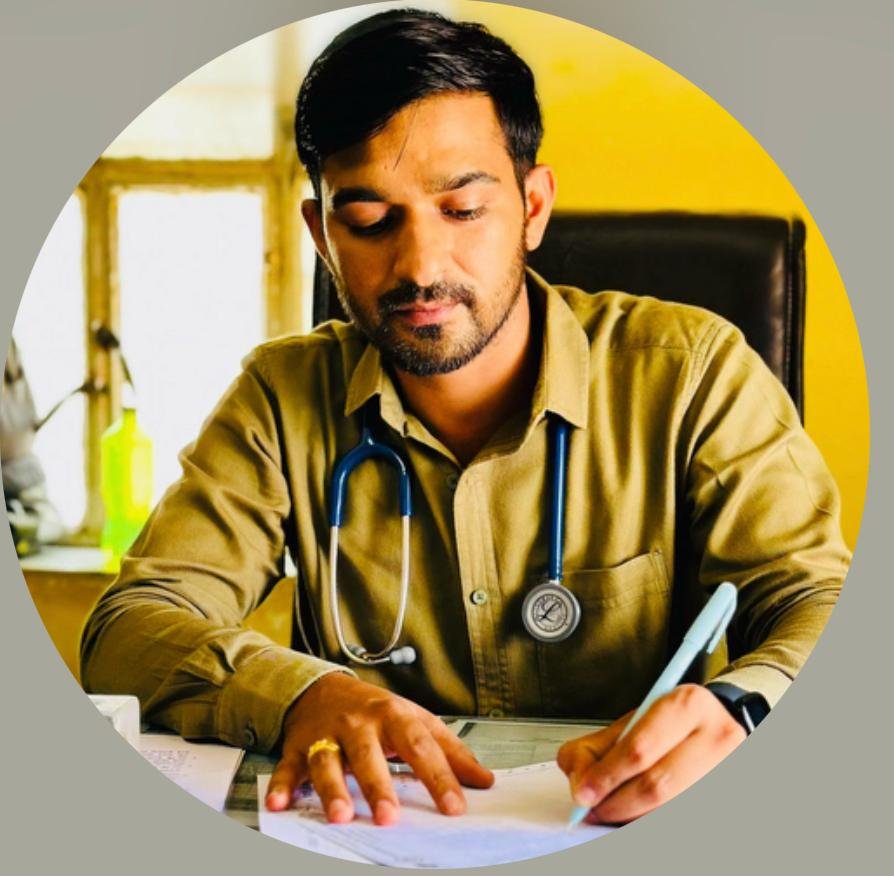
Dr. Anil Kumar
Consultant Physician · Medical Reviewer, AtHomeCare
Registration No. RMC-79836This case study has been clinically reviewed for medical accuracy. It documents an educational, fictionalised patient journey built around a real genetic condition, with all clinical statements aligned to the documented care plan.
Editorial Note
About This Case Study
Cohen syndrome is a real genetic condition. The patient described here, “Mr. Arnav Rajput,” the family details and the specific care journey are fictional and created for educational and healthcare-content purposes. The article is written so that families in Patna and the wider Bihar region can understand what structured home care for an adult with a rare developmental condition realistically involves — including its limitations. Home healthcare complements specialist medical treatment; it does not replace it.
Section 1
Patient Background
Mr. Arnav Rajput is a 24-year-old unmarried man from Patna, Bihar, who lives with his parents. His mother is his primary caregiver and his father provides secondary support. He participates in supported, home-based vocational activities, which give his days structure and a sense of purpose.
Developmental concerns were first noticed in early childhood. Over the years, Arnav underwent repeated developmental and genetic evaluations. Genetic testing eventually confirmed Cohen syndrome, a rare inherited condition. During childhood and adolescence, he also received assessments for muscle tone, vision and general growth. There has been no recent prolonged hospital or ICU admission; his current needs are lifelong developmental, mobility and daily-living needs rather than acute medical needs.
Baseline Function Before Home Care
- Communication: Speaks in short sentences and understands familiar instructions, but needs extra time when learning new activities.
- Muscle tone and strength: Low muscle tone with reduced strength and mild generalised weakness.
- Endurance: Tires during prolonged physical activity and needs rest afterwards.
- Mobility: Walks independently indoors, but requires supervision on stairs and uneven surfaces and for outdoor walking.
- Self-care: Eats independently and manages some basic grooming; needs help with bathing, dressing and organising his daily routine.
- Learning style: Responds best to short, one-step instructions and predictable activity sequences.
The family approached home healthcare with three clear aims: maintain Arnav’s existing mobility, encourage safe independence in daily activities, and obtain reliable help with personal care so that his parents — who had been managing everything themselves for over two decades — could share the caregiving load sustainably. Families in a similar situation often begin by reading how to choose the best home care service in Patna and a family’s guide to managing care at home before arranging an assessment.
Section 2
Understanding Cohen Syndrome
Cohen syndrome is a rare genetic disorder inherited in an autosomal recessive pattern — meaning a child must receive a changed copy of the responsible gene from both parents. It is most often linked to pathogenic variants in a gene called VPS13B (also known as COH1). Because it is rare, many families go years before receiving a confirmed diagnosis, which is exactly what happened in Arnav’s case.
Features Described in Medical Literature
Cohen syndrome can affect several body systems, and the picture varies considerably from person to person. Features that may be seen include:
- Developmental delay and intellectual disability, usually mild to moderate
- Low muscle tone (hypotonia), often noticeable from infancy
- Unusually mobile (hypermobile) joints
- Progressive vision changes due to retinal degeneration (retinopathy)
- A reduced white blood cell count (neutropenia) in some individuals, which can affect infection risk
- Characteristic facial features and growth patterns
How the Diagnosis Was Established
In Arnav’s case, the diagnosis was confirmed through genetic testing after years of developmental evaluation. His documented medical assessments have included:
- Genetic testing
- Developmental assessment
- Neurological examination
- Muscle tone and mobility assessment
- Vision evaluation
- Hearing screening
- Physiotherapy assessment
- Occupational therapy assessment
- Nutritional assessment
- Routine laboratory investigations when advised by his treating physician
Cohen syndrome is not a condition that can be “treated once and finished.” Vision can change gradually, muscle tone and endurance can drift downward without activity, and daily-living skills need regular reinforcement. The care team therefore focuses on eight documented domains: developmental functioning, muscle tone and strength, balance and mobility, vision, communication, nutrition, and independence with daily activities. Periodic re-assessment — rather than a single evaluation — is what allows the care plan to stay matched to the person’s actual abilities.
Section 3
Medical Management Received
There is no single curative treatment for Cohen syndrome. Care is supportive and multidisciplinary, built around the individual’s needs. Arnav’s documented management has focused on:
- Physiotherapy — to maintain mobility, strength, balance and endurance
- Occupational therapy — to support independence in dressing, grooming and daily tasks
- Speech and communication support — to maintain and encourage functional communication
- Vision monitoring — because retinal changes can progress gradually
- Nutritional monitoring — to maintain adequate intake, weight and hydration
- Developmental support — structured routines and skills practice
- Regular medical follow-up — coordinated with his treating physician
Any medication for associated medical problems is prescribed and reviewed by his treating physician. The home care team supports the routine around prescribed medicines — for example, reminders and a pill organiser — but does not select, adjust or change medications. When laboratory tests are advised, home laboratory sample collection in Patna can reduce the travel burden for families who already manage frequent appointments.
Section 4
Why Home Healthcare Was Clinically Appropriate
A common question from families is: “If he is medically stable, why is professional home care needed at all?” The answer lies in what Cohen syndrome actually requires day to day. Arnav does not need hospital treatment — he needs consistent, skilled, structured support to preserve function and protect safety over the long term. Each clinical decision below reflects that reasoning.
For lifelong genetic conditions, the realistic goal is not cure but function preservation. Low muscle tone tends to worsen endurance when activity levels fall, and daily-living skills regress without regular practice. A structured home programme keeps physiotherapy, skills practice and routine consistent — something an occasional outpatient visit cannot achieve on its own. This is the same principle described in why physiotherapy matters for healing through movement and in navigating chronic conditions safely at home.
Arnav has low muscle tone, reduced strength, mild balance difficulty and reduced endurance — a combination that raises fall risk, particularly on stairs, uneven ground and when fatigued. Falls are among the most preventable causes of injury at home when the environment is properly prepared. The plan therefore combined environmental measures (grab bars, non-slip mats, handrails, clear walkways) with supervised outdoor walking, following the approach outlined in this comprehensive fall-prevention guide and home modifications and fall prevention.
There is a clinical difference between assisting and replacing. If an attendant bathes and dresses Arnav completely, his participation — and with it his skills — will decline. The documented attendant role therefore uses an “assist-not-do” philosophy: support where needed, prompt rather than perform, and let Arnav complete the safe parts himself. The same principle applies to personal care and hygiene support and daily care assistance more broadly.
People with developmental and learning difficulties process familiar, repetitive sequences far better than novel or multi-step instructions. A fixed morning–afternoon–evening structure, a visual routine chart, and one-step instructions reduce cognitive load, lower frustration, and make it easier for Arnav to anticipate and participate in his own care. Families can adapt these ideas from do’s and don’ts for family caregivers and building a structured daily routine at home.
After more than twenty years of full-time caregiving, Arnav’s parents were exhausted — and caregiver exhaustion eventually becomes a patient-safety issue, because fatigued families miss early warning signs. Respite, shared caregiving, and education were therefore built into the plan as clinical interventions, not as courtesies. Families in this position may find practical caregiver-stress management tips, the signs of caregiver stress and understanding caregiver burnout in family dynamics helpful.
Although Arnav’s needs are supportive rather than intensive, the family were shown the full escalation pathway: the home nurse documents and reports changes; a doctor home visit can be arranged when clinically appropriate; and, in the rare event of a serious acute event, the priority is immediate transfer to a hospital emergency department. Knowing the escalation ladder in advance is what makes home-based care medically safe — a point developed further in ensuring patient safety at home in Patna and what makes a home healthcare service genuinely safe.
Section 5
The Home Care Plan
The plan aimed to maintain Arnav’s existing abilities while gradually encouraging safe independence. Its documented goals were: maintain mobility, improve physical endurance, maintain muscle and joint function, reduce fall risk, support personal hygiene, encourage communication, maintain adequate nutrition, and reduce caregiver stress. Each component of the plan is explained below.
5.1 Home Nursing
A trained home nurse provided clinical oversight. Documented nursing responsibilities included:
- Monitoring general health and recording observations in care records
- Checking vital signs when required
- Supporting the prescribed medication routine (without changing any medications independently)
- Monitoring food and fluid intake when needed
- Observing changes in mobility, endurance or functioning
- Communicating concerns promptly to the family and the treating doctor
This observational role is often underestimated. In chronic conditions, deterioration usually begins as small changes — shorter walking distance, slower grooming, reduced appetite — that families may not notice day to day. The value of structured observation is discussed in why monitoring is central to nursing care and in specialised nursing services in Patna — care that comes home. Families weighing professional care against hospital-based alternatives can also read why specialised nursing at home is chosen over hospitalisation in Patna.
5.2 Patient Attendant
The patient attendant assisted Arnav with bathing, dressing, personal hygiene, safe walking, meal preparation, organising belongings, maintaining the daily routine and companionship — always with the instruction to encourage Arnav to complete safe activities independently rather than doing everything for him. The distinction between trained and untrained attendants matters clinically; it is explained in why trained attendants at home matter and who needs them, how attendant services enhance comfort and independence and the integral roles of attendants and nurses in patient care. Families comparing staffing models may also find how nursing supervision of home attendants works informative.
5.3 Physiotherapy
Physiotherapy was central to the plan, with the intensity adjusted to Arnav’s tolerance at every session. Documented components included:
- Gentle strengthening exercises
- Balance exercises
- Joint mobility exercises
- Posture training
- Walking practice
- Coordination activities
- Endurance-building activities (short supervised walks)
- Fall-prevention exercises
Sessions were delivered through home physiotherapy services in Patna, which removes the travel and fatigue burden that clinic visits would otherwise create for someone with reduced endurance. The rationale for home-based therapy delivery is expanded in exploring at-home physiotherapy services and customised rehabilitation and strength-building programmes; the practical coordination between nursing and therapy is covered in effective management strategies for nurses and physiotherapists.
5.4 Occupational Therapy and Daily Skills
Occupational therapy input helped Arnav practise dressing, grooming, simple household activities and other daily skills. Practice was deliberately built into the day — for example, letting him complete the parts of dressing he could manage while the attendant assisted only where necessary. Over the programme period, this converted “being helped” into “participating,” which is the measurable difference families notice first.
5.5 Speech and Communication Support
Communication support followed a simple, evidence-consistent pattern: speak in short sentences, give one instruction at a time, allow enough time for a response, and keep the sequence of activities predictable. These techniques lower anxiety and increase participation — the same principles described in communication do’s and don’ts for family caregivers.
5.6 Nutrition Support
Because adequate intake underpins muscle function and endurance, food and fluid intake were monitored by the nurse when needed, and a dietitian consultation service was available for structured dietary planning. General nutrition principles relevant to any home care plan are discussed in nutrition and hydration in home care, understanding nutrition — the key to a healthier life and the role of nutrition in disease prevention. Warning signs around inadequate intake are covered separately in when not eating becomes an emergency.
5.7 Vision and Specialist Follow-up
Vision monitoring continues with eye-care specialists according to Arnav’s individual needs. The home care team’s role is supportive: maintaining the routine around appointments, keeping records, and flagging any observed change (bumping into objects, increased caution on stairs, reluctance to walk in low light) for the family and doctor to act on. Home healthcare complements — never replaces — specialist treatment.
5.8 Doctor Home Visits
A doctor home visit was arranged when clinically appropriate for: general health assessment, new symptoms, functional decline, nutrition concerns, medication review, and coordination of ongoing care. Home visits spare families the logistical strain of transporting an adult with reduced endurance, while keeping the treating physician genuinely connected to the home care record — an approach reflected in choosing home-based specialised care over hospitalisation in Patna and in integrated patient care through nursing and physiotherapy.
5.9 Medication Routine and Organisation
Arnav does not have a complex medication regime documented, but the routine was still formalised: a weekly pill organiser, fixed timing, and nurse verification when medicines are prescribed. Structured medication management prevents missed doses and double doses — the risks described in medication monitoring and management at home. For families managing regular prescriptions, a 24×7 pharmacy service in Patna can support timely refills.
5.10 Home Environment and Equipment
The family used — or were advised to consider — the following items, all of which serve the documented fall-prevention and independence goals:
- Bathroom grab bars and non-slip bathroom mats
- Handrails along stairs and corridors
- Supportive, well-fitting footwear
- A shower chair if required
- A visual daily routine chart
- A pill organiser
A walking aid was considered only after assessment by a qualified healthcare professional — introducing one prematurely can create a new hazard rather than remove one. Suitable equipment for home use can be arranged through medical equipment rental in Patna, Bihar. Broader home-safety principles appear in creating a safe and comfortable home and understanding the need for safe environments.
5.11 Family Education and Caregiver Support
Family education was treated as a core intervention, not an add-on. The documented education points are detailed in Section 9, and the reasoning is simple: the family spends more hours with Arnav than any professional ever will, so their technique — how they instruct, prompt, support walking, and recognise fatigue — determines whether the plan succeeds between professional visits. Families starting out may also find common mistakes families make when caring for patients at home and choosing the right home care service — a comprehensive guide useful.
Section 6
The Daily Care Plan
The documented daily schedule gave Arnav’s day a predictable rhythm, alternating activity with rest and embedding therapy and skills practice at times when he was freshest.
| Time of Day | Documented Activities | Purpose |
|---|---|---|
| Morning | Wake-up and personal hygiene; dressing assistance if needed; breakfast; prescribed medication routine; gentle stretching; short supervised activity | Start the day with a predictable sequence; medications and movement when energy is highest |
| Afternoon | Lunch; rest period; physiotherapy exercises; occupational activity; simple household task practice | Rest-then-therapy pattern prevents excessive fatigue while preserving skills practice |
| Evening | Short supervised walk; light recreational activity; personal hygiene; family interaction; dinner | Gentle endurance work plus social connection, which supports communication and mood |
| Night | Grooming; medication routine if prescribed; review of any unusual symptoms during the day; safe sleeping environment | Close the day with routine and a documented symptom check |
Section 7
12-Week Support Timeline
The timeline below reflects the documented 12-week care plan and the outcomes recorded at its review. It is presented to show how a structured programme is staged — not as a promise of progress, which always varies between individuals.
-
Week 0 · Assessment & Planning
Clinical focus: Baseline functional assessment; home-safety walkthrough; agreement of the eight documented 12-week goals; visual routine chart introduced; equipment checklist agreed (grab bars, non-slip mats, handrails, footwear).
Family role: Education on one-step instructions, response time and predictable sequencing.
-
Weeks 1–2 · Establishing the Routine
Nursing / attendant: Consistent morning–evening sequence established; assisted bathing and dressing with participation encouraged; medication routine organised with a pill organiser; food and fluid intake monitored where needed.
Therapy: Physiotherapy assessment followed by gentle stretching and joint-mobility work at tolerated intensity.
-
Weeks 3–4 · Building Consistency
Therapy: Balance and posture training added; indoor walking practice continued.
Occupational therapy: Grooming sequence practised with reminders; simple household task practice introduced.
Family: Education sessions on recognising signs of excessive fatigue.
-
Weeks 5–8 · Endurance and Skills
Therapy: Short supervised walks introduced and gradually extended within tolerance; coordination activities and fall-prevention drills.
Occupational therapy: Dressing and grooming practice consolidated; routine chart maintained.
Medical oversight: Doctor home visit available for review if clinically appropriate — no acute concerns were the trigger; visits served coordination and review functions.
-
Weeks 9–12 · Consolidation and Review
Documented outcome review: Improved consistency in the daily routine; more regular participation in simple grooming and household activities with verbal reminders; gradual improvement in tolerance for short supervised walks with physiotherapy; family more confident in managing daily activities and recognising fatigue signs; continued requirement for assistance with several complex activities — expected for a lifelong genetic condition.
Section 8
Clinical Evidence and Functional Progression
Functional Status: Documented Baseline vs 12-Week Review
| Functional Domain | Documented Initial Status | Documented 12-Week Review |
|---|---|---|
| Indoor walking | Independent | Independent — maintained |
| Stairs and uneven surfaces | Requires supervision | Continues to require supervision — maintained |
| Bathing | Requires assistance | Assistance continues; participation increased |
| Dressing | Requires assistance | Assistance continues; participation increased |
| Grooming | Basic grooming with reminders | Participates more regularly with verbal reminders |
| Eating and drinking | Independent | Independent — maintained |
| Toileting | Independent | Independent — maintained |
| Household activities | Limited participation | Increased participation in simple household tasks |
| Endurance (short supervised walks) | Tires during prolonged activity; needs rest | Gradually improved tolerance for short supervised walks with physiotherapy |
| Communication | Short sentences; understands familiar instructions | Stable; no new communication difficulties documented |
| Nutrition and hydration | Adequate with monitoring | Maintained with monitoring |
| Family caregiving confidence | Full-time family-managed care | More confident; better recognition of signs of excessive fatigue |
Documented Goals vs Recorded Outcome
| # | 12-Week Goal | Recorded Status at Review |
|---|---|---|
| 1 | Maintain safe indoor mobility | Maintained |
| 2 | Improve tolerance for daily physical activity | Improved gradually |
| 3 | Maintain muscle and joint function | Maintained |
| 4 | Reduce fall risks | Safety measures in place throughout; formal fall statistics not documented |
| 5 | Improve participation in personal care | Improved with reminders |
| 6 | Maintain adequate nutrition and hydration | Maintained |
| 7 | Encourage communication and independence | Supported through routine and instruction style |
| 8 | Support the family caregiver | Improved confidence and fatigue recognition |
Section 9
Risk Monitoring and Safety
The family and care team monitored the following documented risk areas. For each, the table shows why it matters clinically and what the care plan did about it.
Falls
Why: Low tone, balance difficulty and fatigue increase fall risk.
Action: Grab bars, non-slip mats, handrails, clear walkways, supervised stairs and outdoor walking.
Increasing Weakness
Why: Inactivity accelerates loss of strength in hypotonia.
Action: Regular physiotherapy; nurse observation of strength and activity tolerance.
Reduced Walking Ability
Why: Reduced endurance can slowly shrink walking distance.
Action: Graduated short supervised walks; any decline reported to the doctor.
Excessive Fatigue
Why: Overexertion causes exhaustion, irritability and next-day decline.
Action: Rest periods built into the schedule; family educated to recognise fatigue signs.
Joint Stiffness
Why: Reduced movement can stiffen joints and limit range of motion.
Action: Daily joint mobility and stretching exercises.
Changes in Vision
Why: Retinal changes in Cohen syndrome can progress gradually.
Action: Continued ophthalmology follow-up; home team flags observed visual changes.
Poor Food or Fluid Intake
Why: Inadequate intake worsens weakness and endurance.
Action: Nurse-monitored intake when needed; dietitian input available.
New Communication Difficulties
Why: Any new difficulty warrants review rather than being dismissed.
Action: Communication changes reported to the family and doctor for assessment.
Reduced Participation
Why: Withdrawal from usual activities can signal physical or emotional change.
Action: Routine participation tracked; significant change escalated for review.
⚠ Emergency Red Flags — Seek Immediate Medical Attention
A serious fall, sudden loss of consciousness, severe breathing difficulty, or any other acute medical emergency requires immediate medical attention. Call your local emergency number (in Bihar, dial 108 for ambulance services) or go directly to the nearest hospital emergency department. Do not wait for a scheduled home visit.
General guidance on recognising danger signs at home is available in warning signs and emergency response at home and early warning signs home nurses never ignore. After any fall — even a seemingly minor one — professional observation is advised, as described in post-fall nursing observation.
Section 10
Family Education
The family was educated on the following documented practices, each chosen to match Arnav’s learning style and physical profile:
- Give one instruction at a time. Multi-step requests exceed his processing capacity; one clear step followed by the next works better.
- Allow enough time for a response. Rushing produces frustration and refusal; waiting produces participation.
- Maintain a predictable daily routine. Familiar sequences make activities easier to understand and complete.
- Encourage safe independence. Do the minimum necessary assistance, not the maximum.
- Keep walking areas free of obstacles. Clutter is the most common and most correctable fall hazard.
- Provide adequate rest between activities. Fatigue management protects endurance gains.
- Follow the recommended therapy exercises. Consistency between sessions is where most of the benefit lives.
- Attend regular medical and vision appointments. Prevention and early detection beat late correction.
- Report significant changes in strength, mobility or behaviour. Families are the early-warning system; the care team acts on what they report.
For families building these habits at home, additional reading includes communication do’s and don’ts for family caregivers, the benefits of in-home support and understanding the caregiver role. Families considering round-the-clock help can also read how to recognise when a loved one needs a full-time caregiver.
Section 11
Clinical Outcome at 12 Weeks
After 12 weeks of structured home support, the documented outcome was measured, not miraculous — which is exactly what an honest account of a lifelong genetic condition should look like:
- Routine: Arnav’s daily routine became noticeably more consistent.
- Personal care: He participated more regularly in simple grooming and household activities with verbal reminders.
- Endurance: His tolerance for short supervised walks improved gradually with physiotherapy.
- Family: His parents became more confident in managing his daily activities and in recognising signs of excessive fatigue.
- Ongoing needs: He continued to require assistance with several complex activities — bathing, dressing, hair care, meal preparation, shopping, outdoor travel, medication management and complex household tasks — because Cohen syndrome is a lifelong genetic condition.
Long-term outlook: Care continues with the same structure — physiotherapy, occupational practice, routine maintenance, nutrition and vision monitoring, and periodic medical review. The realistic objective for the years ahead is not “recovery” but stable function, safety, dignity and family sustainability. Families planning long-term arrangements in Patna often start with long-term patient care services in Patna or comprehensive home healthcare services, and may find understanding the cost of home care services in Patna and what makes AtHomeCare different from other providers in Patna helpful.
Section 12
Key Clinical Learnings
1. Cohen syndrome is rare and highly variable
It is a rare genetic condition with variable developmental and physical features. Two people with the same diagnosis can have very different profiles — which is why care must be individualised, not templated.
2. Low muscle tone is a functional problem, not just a description
Hypotonia affects strength, balance and endurance, which in turn affect fall risk and independence. It is the thread connecting nearly every clinical decision in this case.
3. Physiotherapy maintains, it does not cure
Physiotherapy helped maintain functional mobility, balance and endurance. It did not — and cannot — correct the underlying genetic condition. Setting this expectation early prevents disappointment and protects adherence.
4. Occupational therapy converts assistance into participation
The measurable shift in this case — from “being helped” to “participating with reminders” — came from structured OT practice of dressing, grooming and simple household tasks.
5. Vision and nutrition need scheduled attention
Retinal changes can progress gradually, and adequate intake underpins every other functional goal. Both belong on a monitoring schedule, not on a “when we notice” basis.
6. Structure is therapeutic
For adults with developmental difficulties, predictable routines and one-step instructions are not convenience measures — they are the mechanism by which familiar activities become completable, and completable activities become independence.
7. Home healthcare supports long-term function; it does not cure the condition
Every claim in this case study is bounded by that reality. Staying active matters at every age and ability level — a principle expanded in the importance of staying active at any age and more than just diet and exercise.
Section 13
Frequently Asked Questions
1. What is Cohen syndrome?
Cohen syndrome is a rare genetic disorder that can affect development, muscle tone, movement, growth, vision and daily functioning. It is inherited in an autosomal recessive pattern and is most often linked to changes in a gene called VPS13B. Features vary considerably between individuals.
2. Can adults with Cohen syndrome live at home?
Yes. Adults can live with their families when appropriate support is available. The level of assistance depends on their individual abilities, and professional home support can help maintain safety, routine and independence — as families in Patna who choose patient care at home have found.
3. Can physiotherapy help with low muscle tone?
Physiotherapy can help maintain strength, flexibility, balance and functional mobility. It does not correct the underlying genetic condition. A programme adjusted to the individual’s tolerance — delivered, for example, through home physiotherapy in Patna — supports everyday function and reduces fall risk.
4. Why is a structured routine useful?
A predictable routine can make familiar activities easier to understand and complete for people with developmental and learning difficulties. Consistency reduces cognitive load and anxiety, and makes participation more likely.
5. What safety changes can be made at home?
Clear walking areas, bathroom grab bars, non-slip surfaces, adequate lighting and handrails can help reduce fall risks. A walking aid should only be introduced after assessment by a qualified healthcare professional.
6. Is Cohen syndrome curable?
There is no treatment that removes the underlying genetic cause. Management focuses on the person’s individual medical, developmental and functional needs — physiotherapy, occupational therapy, communication support, vision and nutritional monitoring, and regular follow-up.
7. What does a home nurse do for an adult with Cohen syndrome?
The nurse monitors general health, maintains care records, supports the prescribed medication routine, monitors food and fluid intake when needed, observes changes in mobility or functioning, and communicates concerns to the family and doctor. The nurse does not independently change medications. This monitoring role is described further in specialised nursing services in Patna — a comprehensive guide.
8. What is the difference between a home nurse and a patient attendant?
A nurse provides clinical monitoring, documentation and escalation of medical concerns. A patient attendant provides hands-on daily assistance — bathing, dressing, safe walking, meals, routine and companionship — while encouraging independence. Many families combine both, a comparison covered in home nursing vs patient care and choosing a patient attendant service.
9. Does home healthcare replace vision or specialist follow-up?
No. Home healthcare complements specialist treatment; it does not replace it. Ophthalmology and other specialist appointments continue according to individual needs, with the home team supporting routine, reminders and records.
10. How can families in Patna arrange home care for an adult with Cohen syndrome?
Contact a provider for a need-based assessment. A personalised plan is then built around mobility, personal care, therapy, nutrition, safety and caregiver support. Before starting, ask about staff training, clinical supervision, documentation and escalation pathways — the checklist in how to choose the best home care service in Patna covers these questions in detail.
Section 14
Related AtHomeCare Services and Resources
Patna Services
- AtHomeCare Patna — Home
- About AtHomeCare Patna
- All Services Hub
- Blog & Health Library
- Patient Care Services
- Home Healthcare Service
- Physiotherapy at Home
- Doctor Visits at Home
- Elderly Care Services at Home
- Dietitian & Yoga Consultation
- Laboratory Services (Home Sample Collection)
- 24×7 Pharmacy
- Medical Equipment Rental — Patna, Bihar
- ICU at Home (Escalation-Level Care)
- Contact Us
Further Reading
- Specialised Nursing Services in Patna — Care That Comes Home
- Why Families in Patna Trust AtHomeCare for Patient Care at Home
- Is Home Care Safe in Patna? Ensuring Patient Safety
- Comprehensive Guide to Fall Prevention
- Creating a Senior-Friendly, Safe and Comfortable Home
- The Importance of Physiotherapy — Healing Through Movement
- Customised Rehabilitation and Strength-Building Programmes
- Complete Patient Care Through Nursing and Physiotherapy
- Personal Care and Hygiene at Home
- Emotional Companionship Care
- How Companionship Services Help Prevent Depression
- Medication Monitoring and Management at Home
- Nutrition and Hydration in Home Care
- Caregiver Do’s and Don’ts for Structured Support
- Managing Caregiver Stress — Prioritising Your Well-being
- Understanding Home Care — A Family’s Guide
- Common Mistakes Families Make at Home — and How to Avoid Them
- The Importance of Monitoring in Nursing Care
Speak to AtHomeCare Patna
If someone in your family has Cohen syndrome, another developmental condition, or any long-term need for mobility support, personal care or therapy at home, a need-based assessment is the correct first step. The team will build a plan around the person’s documented abilities — and be honest about what home care can and cannot achieve.
AtHomeCare PatnaA-212, P C Colony Road, Kankarbagh,
Bankman Colony, Patna, Bihar 800020
Near Bankman Colony Main Road & Kankarbagh Main Market
Phone: +91-9229 662730 Request a Home Care Assessment
Medical Disclaimer
This case study is fictional and created for educational and healthcare-content purposes. Cohen syndrome is a real genetic condition, but the patient, family details and care journey described here are fictional. Individual care requirements vary and should be assessed by qualified healthcare professionals. Home healthcare should complement, not replace, specialist medical treatment.
Escalation advice: A serious fall, sudden loss of consciousness, severe breathing difficulty, or any other acute medical emergency requires immediate medical attention — call your local emergency services (108 in Bihar) or proceed to the nearest hospital emergency department. This article is reviewed for clinical accuracy by Dr. Anil Kumar (Registration No. RMC-79836) and does not constitute personal medical advice for any specific individual.
© 2026 AtHomeCare Patna · patna.athomecare.in