Diverticulitis in Patna: Understanding Sudden Abdominal Pain, Digestive Complications and Recovery
Quick summary: Diverticulitis is the inflammation or infection of small pouches (diverticula) that form in the wall of the large intestine. In Patna, where fried and low-fibre diets, long waits at busy hospitals and an ageing population combine, many patients first notice the condition as sudden lower-left abdominal pain. This guide explains the difference between diverticulosis and diverticulitis, the symptoms that need urgent medical assessment, how attacks are diagnosed and treated, the diet after diverticulitis, the recovery timeline, and how AtHomeCare supports families in Patna with home nursing, IV antibiotics, pharmacy delivery and recovery monitoring — serving patients across Patna through our regional care network.
What diverticulitis really is — and what it is not
Diverticula are small, balloon-like bulges that push outward through weak spots in the muscular wall of the colon, most often the sigmoid colon on the lower-left side of the abdomen. They are extremely common as people age. By the time a person reaches their sixties, a large proportion have some diverticula, and most will never feel them. The presence of these pouches without symptoms is called diverticulosis.
The trouble begins when one of these pouches traps a small piece of stool or undigested food, allowing bacteria to multiply inside it. The wall of the pouch then becomes inflamed, and in some cases a small hole (microperforation) can develop. That is the moment the condition crosses from a silent finding into an active illness called diverticulitis. The pain usually arrives suddenly, often in the lower-left abdomen, and is commonly accompanied by fever, nausea, constipation or diarrhoea.
Many families in Patna first hear the word “diverticulitis” only after a relative has been admitted to hospital with severe abdominal pain and a CT scan has confirmed the diagnosis. Understanding the difference between the silent pouches (diverticulosis) and the active inflammation (diverticulitis) is the first step in knowing when to rest at home and when to seek urgent medical care. A related concept, diverticular disease, is the broader term doctors use when diverticula cause ongoing symptoms such as pain or altered bowel habit, but without the acute inflammation of a full attack.
| Feature | Diverticulosis | Diverticulitis |
|---|---|---|
| Meaning | Pouches present in colon wall, not inflamed | One or more pouches inflamed or infected |
| Symptoms | Usually none; sometimes mild cramping | Pain, fever, nausea, bowel change |
| Common pain site | Often none | Lower-left abdomen (in Western / Indian urban diet pattern) |
| Treatment focus | High-fibre diet, hydration, bowel habits | Bowel rest, antibiotics, sometimes surgery |
| Risk if ignored | Can progress to diverticulitis over years | Abscess, perforation, recurrence |
Why diverticulitis matters for families in Patna
Patna, like much of Bihar, is in the middle of a dietary transition. Traditional meals of rice, lentils, seasonal vegetables and roti are increasingly supplemented — or replaced — by refined-flour snacks, fried street foods, and meals low in dietary fibre. At the same time, life expectancy is rising, and diverticular disease is strongly age-related. The combination means more older adults in Patna now carry diverticula than a generation ago, and a small but meaningful number go on to develop diverticulitis each year.
There is also a practical reason to take this condition seriously: the route to diagnosis in Patna usually passes through an ultrasound or a CT scan, and during festival seasons or post-monsoon spikes in gastrointestinal illness, these scans can be in short supply at government hospitals. Patients sometimes wait several days with worsening pain before a clear diagnosis is reached. Knowing the warning signs, and having a structured home-recovery plan ready for when a doctor does confirm a mild attack, shortens suffering and reduces the risk of complications such as abscess or perforation.
Finally, families in Patna increasingly prefer to recover at home when it is safe to do so. A hospital bed in a crowded ward exposes a patient with an inflamed bowel to other infections, separates them from family support, and is expensive. With the right nursing supervision, IV antibiotic administration at home, and a clear escalation plan, many patients with uncomplicated diverticulitis can recover comfortably under medical guidance — provided the family understands the red flags that mean a return to hospital is non-negotiable.
Symptoms you should not ignore
Diverticulitis symptoms can mimic several other common abdominal problems, which is part of why the condition is sometimes missed in its early hours. The pain typically settles in the lower-left part of the abdomen because that is where the sigmoid colon — the most common site for diverticula — sits. However, in some people of Asian descent, diverticula can form on the right side, producing pain that resembles appendicitis. This is less common but important to know, because it can delay diagnosis.
The pain is usually constant rather than colicky (it does not come and go in waves like gas pain), and it often grows worse over 12 to 24 hours. A low-grade fever is common, along with a feeling of bloating, loss of appetite, nausea, and either constipation or diarrhoea. Some patients notice that passing wind or a bowel movement does not relieve the pain the way it would with simple indigestion, and many feel an urgent need to urinate more frequently because the inflamed colon sits close to the bladder.
Common symptoms of an acute diverticulitis attack
- Persistent pain in the lower-left abdomen that does not ease with rest
- Fever, usually between 38°C and 39.5°C, sometimes with chills
- Nausea and vomiting, or a strong loss of appetite
- Constipation for several days, sometimes alternating with diarrhoea
- Bloating and a feeling of fullness or gas that cannot be passed
- More frequent or urgent urination, due to colon-bladder proximity
- Tenderness when pressing the lower-left side of the belly
Causes and risk factors
The wall of the colon is not uniformly strong. Where blood vessels enter the muscle, there are natural weak points. When pressure inside the colon is high — usually because the stool is small, hard and difficult to push along, as happens with low-fibre diets — the inner lining can herniate outward through these weak points and form a diverticulum. Over years, the number and size of these pouches increase, which is why diverticulosis is far more common in older adults than in younger people.
Why one particular pouch suddenly becomes inflamed is not always clear. The leading explanation is that a small piece of undigested food or hardened stool lodges in the neck of the pouch, trapping bacteria behind it. The bacteria multiply, the pouch lining becomes inflamed, and a small perforation may follow. Several factors raise the chance of this happening: a diet low in fibre and high in red meat and refined carbohydrates, chronic constipation, obesity, smoking, lack of exercise, and long-term use of NSAIDs (like ibuprofen or diclofenac), steroids or opioids, which can slow the bowel.
Risk factors at a glance
| Risk factor | How it contributes |
|---|---|
| Age over 50 | Colon wall weakens naturally with age; pouches accumulate |
| Low-fibre diet | Small hard stools increase colon pressure during passage |
| Chronic constipation | Straining raises pressure inside the colon over years |
| Obesity | Linked to systemic inflammation and altered gut motility |
| Smoking | Damages blood supply to the colon wall and impairs healing |
| Sedentary lifestyle | Slows bowel transit and raises constipation risk |
| NSAIDs, steroids, opioids | Can irritate the gut lining and slow normal motility |
| Family history | Genetic factors influence connective-tissue strength of the colon wall |
It is worth noting that the once-popular belief that small seeds, nuts, corn and popcorn cause diverticulitis has not held up in larger studies. Most gastroenterologists now allow these foods in moderation once a patient has fully recovered. The real dietary enemies are persistent low fibre, low fluid intake, and a diet dominated by refined flour, fried snacks and red meat — patterns that are increasingly common in urban Patna.
Acute attacks vs chronic diverticular disease
Most patients first encounter diverticulitis as an acute attack: pain develops over a day, a doctor orders a scan, and the inflammation settles within one to two weeks with rest, fluids, and — when infection is present — a course of antibiotics. After recovery, many people never have another attack. About 20–30% of patients, however, go on to have a second episode within a few years, and a smaller group develops a pattern of repeated attacks or persistent low-grade symptoms between episodes.
This chronic or recurrent pattern is called diverticular disease when symptoms persist without acute inflammation, or recurrent diverticulitis when discrete attacks keep returning. For these patients, the focus shifts from treating a single episode to preventing the next one: a sustained high-fibre diet, weight management, stopping smoking, careful use of NSAIDs, and — in selected cases — an elective surgical consultation to consider removing the worst-affected segment of colon. Surgery is not routine after one or two attacks, but it becomes a serious discussion after three or more episodes, after an attack in a younger patient, or after a major complication.
| Aspect | Acute (first) attack | Recurrent / chronic disease |
|---|---|---|
| Onset | Sudden, over hours to a day | Repeated episodes or ongoing low-grade symptoms |
| Typical treatment | Bowel rest, antibiotics, fluids | Long-term diet, lifestyle, sometimes elective surgery |
| Risk of complication | Moderate, depends on severity | Rises with each recurrent attack |
| Follow-up need | Colonoscopy 4–6 weeks after recovery | Regular gastroenterology review, structured prevention plan |
| Home care role | Short-term nursing, IV antibiotics, monitoring | Long-term diet support, medication adherence, lifestyle coaching |
Complications of diverticulitis you must know about
The word “complicated diverticulitis” is used when an attack goes beyond simple inflammation. The most common complication is an abscess, a localised collection of pus that forms next to the inflamed pouch. Small abscesses can sometimes be treated with antibiotics alone, but larger ones usually need a drain — a small tube placed through the skin under imaging guidance to let the pus out. A rarer but more dangerous complication is a free perforation, in which the pouch bursts openly into the abdominal cavity, causing peritonitis. This is a surgical emergency and usually presents with severe, widespread abdominal pain, a rigid abdomen, high fever and a very ill appearance.
Other complications develop more slowly. A fistula can form between the colon and the bladder (causing recurrent urine infections and gas in the urine), or between the colon and the vagina in women who have had a hysterectomy. A stricture — a narrowing of the colon from repeated scarring — can produce chronic constipation, bloating and thin stools. And about 5% of diverticulitis patients develop significant lower gastrointestinal bleeding, usually painless and from a different pouch; most such bleeds stop on their own, but some require transfusion, endoscopy or surgery.
| Complication | Typical signs | Usual treatment |
|---|---|---|
| Abscess | Fever, persistent pain, raised white blood cells | IV antibiotics ± image-guided drain |
| Perforation / peritonitis | Severe widespread pain, rigid abdomen, very unwell | Emergency surgery |
| Fistula (colon–bladder) | Recurrent urine infections, gas in urine | Elective surgery after recovery |
| Stricture | Chronic constipation, thin stools, bloating | Endoscopic review, sometimes surgery |
| Diverticular bleeding | Painless passage of red or maroon blood in stool | Observation, transfusion, sometimes endoscopy or surgery |
When to seek emergency care vs home recovery
The decision between home recovery and hospital admission is a clinical one, made by a doctor after examining the patient and reviewing blood tests and imaging. As a general rule, younger patients with mild symptoms, stable vital signs, no vomiting, and a CT scan showing inflammation confined to the colon wall (without abscess or perforation) are suitable for outpatient or home-based care. Older patients, those with diabetes or kidney disease, immunocompromised individuals, and anyone with signs of sepsis need admission.
In Patna, where family support at home is often strong but emergency transport can take time, it is especially important to identify red flags early. A useful rule: if the patient cannot keep even sips of water down, if their pain is not controlled by simple paracetamol, if they look obviously unwell (pale, sweating, drowsy, breathless), or if there is blood in the stool, the safest option is the nearest hospital emergency department rather than waiting for a home review.
Decision tree: home care or hospital?
- Is the pain mild-to-moderate and confined to the lower-left abdomen? ↓ If yes, continue. If severe or widespread, go to hospital now.
- Can the patient keep fluids down without repeated vomiting? ↓ If yes, continue. If no, hospital — risk of dehydration.
- Is the fever below 38.5°C and responding to paracetamol? ↓ If yes, continue. If higher with chills, hospital.
- Is the patient alert, with normal blood pressure and pulse? ↓ If yes, continue. If fainting, confused or rapid pulse, hospital.
- Has a doctor confirmed uncomplicated diverticulitis on scan? ↓ If yes, home recovery with home nursing support is reasonable. If no diagnosis yet, see a doctor first.
- Are there red flags — rigid abdomen, large blood in stool, severe distension? ↓ If any are present, this is an emergency. Do not manage at home.
- Otherwise: Arrange home nursing review, clear-fluid diet for 24–48 hours, oral or IV antibiotics as prescribed, daily temperature and symptom checks, and a clear written plan for when to escalate.
How diverticulitis is diagnosed
When a patient presents with persistent lower abdominal pain and fever, the doctor will first take a detailed history and examine the abdomen, looking for tenderness, guarding (tensing of the muscles when pressed) and any mass. A rectal examination may be performed to check for bleeding or tenderness. Blood tests then help gauge the level of inflammation and infection: a raised white blood cell count and elevated C-reactive protein (CRP) support the diagnosis, while kidney function tests guide safe antibiotic and fluid choices.
The key investigation is a CT scan of the abdomen and pelvis, ideally with oral and intravenous contrast. CT confirms the diagnosis, identifies which segment of colon is involved, measures the wall thickening, and crucially detects complications such as abscess, perforation or free air in the abdomen. In Patna, CT availability is good at private centres and large hospitals but can be limited at government facilities during peak hours, which is one reason families sometimes prefer early assessment at a private diagnostic centre when symptoms are severe.
Ultrasound is a reasonable first test in younger patients, pregnant women and when CT is not immediately available. It can show bowel wall thickening and sometimes an abscess, but it is operator-dependent and cannot reliably rule out complications. Magnetic resonance imaging (MRI) is rarely needed for diverticulitis but is useful in pregnancy when CT should be avoided.
Why a colonoscopy is usually deferred
During an acute attack, the inflamed colon wall is fragile, and passing a colonoscope carries a real risk of perforation. For this reason, a colonoscopy is usually scheduled 4 to 6 weeks after full recovery to confirm the diagnosis, rule out other conditions such as colorectal cancer or inflammatory bowel disease, and examine the extent of diverticulosis. Skipping this follow-up colonoscopy is one of the most common — and most avoidable — gaps in diverticulitis care, because the symptoms of diverticulitis and early colon cancer can overlap.
Treatment options for diverticulitis in Patna
For most patients with mild, uncomplicated diverticulitis, treatment is built around three pillars: bowel rest, antibiotics, and gradual dietary reintroduction. Bowel rest simply means giving the inflamed colon a chance to recover by avoiding solid food for 24 to 48 hours, taking only clear fluids — water, clear broth, plain oral rehydration solution, weak tea. When the pain and fever settle, the diet is slowly stepped up from clear fluids to low-fibre solids (white rice, curd, boiled potato, soft cooked vegetables without skin) before returning to a normal high-fibre diet over the following weeks.
Antibiotics are prescribed when infection is present or strongly suspected — typically a combination that covers the gut bacteria most often involved, such as E. coli and Bacteroides. In mild cases, oral antibiotics at home are enough; in more severe cases, intravenous antibiotics are given in hospital or, with proper nursing supervision, at home. Pain is managed with paracetamol; strong opioids are best avoided because they slow the bowel and can worsen the underlying problem, while NSAIDs like ibuprofen and diclofenac increase the risk of bleeding and recurrence.
Treatment by severity
| Stage | Setting | Main treatment |
|---|---|---|
| Mild, uncomplicated | Home with review | Clear fluids, oral antibiotics, paracetamol, gradual diet |
| Moderate, with vomiting or dehydration | Hospital admission | IV fluids, IV antibiotics, monitoring |
| With abscess | Hospital, radiology | IV antibiotics ± image-guided drainage |
| Perforation / peritonitis | Emergency surgery | Laparoscopic or open surgery, sometimes temporary colostomy |
| Recurrent (3+ attacks) or fistula | Elective surgery after recovery | Sigmoid colectomy, often with primary join-up |
Surgery for diverticulitis is far less common than it once was. Even in complicated cases, many patients can be managed with antibiotics and drainage, and the diseased segment of colon is removed later, electively, once inflammation has settled. The most common operation is a sigmoid colectomy, removing the worst-affected part of the colon and joining the healthy ends back together. A temporary stoma (an opening on the abdomen for stool to pass into a bag) is sometimes created in emergency surgery and reversed a few months later.
Diet after diverticulitis: what to eat and when
Diet is the cornerstone of both recovery and prevention in diverticulitis, and it changes through three clear phases. Understanding the purpose of each phase helps families avoid the two most common mistakes: returning to a heavy solid diet too soon, or staying on a low-fibre diet for months out of fear, which ironically raises the risk of recurrence.
Phase 1: Clear fluid diet (24–48 hours during acute pain)
This phase rests the colon. The patient takes only clear fluids: water, clear vegetable or chicken broth, plain oral rehydration solution, weak tea without milk, coconut water, and clear fruit juice without pulp (apple juice is usually fine). The aim is at least 1.5 to 2 litres of fluid a day. This phase lasts only as long as the acute pain and fever are settling — usually one to two days — and is stopped if vomiting prevents adequate intake.
Phase 2: Low-fibre diet (about 5–7 days as pain settles)
Once the sharp pain has eased and the patient feels hungry, foods are reintroduced slowly. The low-fibre phase gives the colon time to heal without being stretched by bulky stool. Suitable foods include white rice, soft khichdi made with well-cooked rice and moong dal, curd, buttermilk, boiled and mashed potato, soft-cooked carrot and bottle gourd (lauki) without skins, plain roti made from refined flour in small quantity, soft scrambled eggs, and clear dal soup. Avoid raw vegetables, whole grains, nuts, beans, fried foods, spicy curries, milk-based sweets, caffeine and alcohol in this phase.
Phase 3: Long-term high-fibre diet (after full recovery, lifelong)
Once a normal bowel pattern has returned and the doctor has reviewed the patient, the diet should shift to a high-fibre pattern — at least 25 to 30 grams of fibre a day for adults, introduced gradually over two to three weeks to avoid bloating. Good sources include whole-wheat roti, brown rice, oats, barley, seasonal fruits with edible skin (apple, pear, guava), vegetables, lentils and pulses, and roasted chana or murmura as snacks. Fibre should always be increased alongside a higher fluid intake: fibre without enough water causes constipation, the very thing we are trying to prevent.
| Phase | Include | Avoid |
|---|---|---|
| Clear fluids (1–2 days) | Water, clear broth, ORS, coconut water, apple juice | Solid food, milk, pulp, caffeine, alcohol |
| Low-fibre (5–7 days) | White rice, soft khichdi, curd, boiled potato, soft-cooked lauki | Raw salads, whole grains, nuts, fried foods, spices |
| High-fibre (lifelong) | Whole-wheat roti, oats, fruits with skin, lentils, vegetables | Regular red meat, refined flour, ultra-processed snacks |
Recovery timeline: what to expect week by week
Recovery from diverticulitis is not linear, and families often worry when progress seems slow. A clear timeline helps set expectations and separates normal recovery from warning signs. The schedule below assumes an uncomplicated attack managed with rest, antibiotics and home support. Recovery after surgery or after an abscess will take longer and should follow your surgeon’s specific plan.
| Timeframe | What to expect | Watch for |
|---|---|---|
| Days 1–2 | Sharp pain on clear fluids; fever begins to ease; appetite poor | Pain worsening, vomiting, rigid abdomen — return to hospital |
| Days 3–5 | Pain clearly reducing; low-fibre diet started; some energy returns | Fever returning, new bloating, no bowel movement beyond day 4 |
| Days 6–10 | Mild pain only; normal diet resumed slowly; antibiotics completed | Diarrhoea, persistent fever, blood in stool |
| Weeks 2–3 | Bowel habits normalising; gentle activity resumed; back to work if light duty | Cramps after eating, fatigue out of proportion |
| Weeks 4–6 | Full recovery; colonoscopy scheduled to confirm diagnosis | Any new lower-abdominal pain — possible recurrence |
| Months 2–6 | High-fibre diet established; weight stable; regular activity | Recurrent pain — review with gastroenterologist |
Energy levels often take longer to return than people expect, especially in older adults or those with diabetes. It is normal to feel tired for two to three weeks after an acute attack, even once the pain has gone. Pushing back to full activity too quickly — heavy lifting, long travel, festival preparations — can trigger a setback. A graded return to activity, beginning with short walks and light household tasks, is safer than resuming everything at once.
The follow-up colonoscopy at four to six weeks is non-negotiable in most cases, even if you feel fully recovered. Its purpose is to confirm that the inflammation was indeed diverticulitis and not something else — most importantly, to rule out colorectal cancer, which can occasionally present with similar symptoms. Skipping this step is one of the most common errors in diverticulitis care, and AtHomeCare’s team in Patna can help schedule the procedure, arrange bowel-preparation support at home, and coordinate the gastroenterologist’s report back to your family.
How AtHomeCare supports diverticulitis recovery at home in Patna
For many families in Patna, recovering at home is preferable to a prolonged hospital stay — the patient is in familiar surroundings, family can be present, and the risk of hospital-acquired infection is lower. AtHomeCare’s role is to make safe home recovery possible by providing the nursing skill and clinical oversight that diverticulitis requires. We do not take over the diagnosis or the prescription; we execute the treating doctor’s plan with discipline, document every observation, and escalate the moment a red flag appears.
Our home nursing support for diverticulitis recovery typically includes the following services, each tailored to the prescription your doctor has given:
- Daily or twice-daily visits by a trained nurse to check temperature, pulse, blood pressure, abdominal tenderness and bowel output
- Administration of IV antibiotics through a peripheral cannula, with sterile technique and proper disposal
- Monitoring fluid intake and urine output to detect early dehydration
- Supervising the staged diet (clear fluids → low-fibre → normal) and reporting intolerance
- Medication management: timing, doses, side effects, and reconciliation with chronic medicines (diabetes, blood pressure)
- Pharmacy delivery of antibiotics, ORS, paracetamol and prescribed items, so doses are never missed
- Wound or drain care if the patient has been discharged with a drain after abscess treatment
- Coordination of the follow-up colonoscopy, including bowel-preparation support at home
- A written daily observation chart shared with the treating doctor and family
- A clear, printed escalation protocol listing exactly when to call the doctor, when to call AtHomeCare, and when to go straight to hospital
For patients who need longer-term support — for example, an older adult with recurrent diverticular disease, or a patient recovering after diverticulitis surgery — we also provide live-in patient care attendants, elderly care services, and physiotherapy at home to rebuild strength after a hospital stay. Our integrated pharmacy ensures medicines reach the doorstep, and our medical equipment service can deliver items such as a hospital bed or commode chair if recovery requires them.
How AtHomeCare works — our operational workflow
We describe these as operational practices rather than marketing promises. The goal is to be transparent about what we actually do, so families can make an informed choice, especially when a recovering diverticulitis patient is frail, elderly or has multiple chronic conditions.
Recruitment and screening
Our nurses and patient care attendants are recruited through a structured process that includes verification of their nursing qualification or GNM degree, validation of their registration with the relevant nursing council, identity and address verification (Aadhaar and police verification), reference checks from previous employers, and a clinical skill assessment conducted by our senior nursing supervisor. We do not deploy staff whose credentials cannot be independently verified.
Caregiver verification and training
Before any team member is assigned to a diverticulitis recovery case, they complete orientation on abdominal assessment, IV cannula care, infection prevention, fluid-balance charting, and recognition of red flags in gastrointestinal recovery. Annual refresher training covers updates in antibiotic stewardship, hand hygiene, and safe handling of body fluids. For long-term assignments, supervisors conduct at least one unannounced field audit per quarter.
Supervision and quality monitoring
Every home-care case in Patna is assigned a named nursing supervisor who reviews the daily observation chart, speaks with the family at least once every 48 hours, and liaises with the treating doctor. Quality is monitored through structured checklists: vital signs, medication administration, fluid balance, pain scores, bowel output, and patient comfort. Any deviation triggers a same-day review by the supervisor and, if needed, escalation to the medical review team.
Infection prevention
Infection prevention is critical when caring for a patient whose colon is inflamed. Our nurses follow hand hygiene before and after every patient contact, use sterile technique for IV cannulation and dressing changes, dispose of all sharps and biomedical waste in colour-coded containers collected by authorised waste handlers, disinfect reusable equipment between uses, and follow droplet precautions if the patient has any respiratory symptoms. IV antibiotic preparation follows a no-touch aseptic technique and is documented in the patient record.
Shift handovers
For 24-hour or live-in cases, every shift change includes a structured handover covering the patient’s current vital signs, last medication dose, last fluid and food intake, last bowel output, pain score, pending tasks, and any concerns raised by the family. The handover is documented in writing and countersigned by both the outgoing and incoming staff. This prevents the common failure mode of important observations being lost between shifts.
Integrated pharmacy and equipment logistics
Our integrated pharmacy delivers prescribed antibiotics, ORS, paracetamol and chronic-disease medicines to the patient’s home, with cold-chain handling for temperature-sensitive items. Our medical equipment service delivers and collects items such as IV stands, hospital beds, commode chairs and pulse oximeters, with sanitisation before delivery and after collection.
Home ICU deployment when needed
Although most diverticulitis recovery does not require an ICU setup, some patients — for example, those recovering after emergency surgery for perforation, or frail older adults with multiple conditions — may benefit from a monitored home setup. In such cases we deploy a Home ICU configuration: multipara monitor, oxygen concentrator, suction apparatus and a nurse trained in critical care, supervised by our medical review team in close coordination with the treating surgeon or gastroenterologist.
Transportation and accommodation support
For long-term assignments, we coordinate transportation for our nursing staff between the regional office and the patient’s home, and we provide accommodation support for live-in attendants so they are rested and able to perform safely across long shifts. This is one reason families across Patna, including in Kankarbagh, Boring Road, Rajendra Nagar, Patna City and the wider metropolitan area, rely on our network.
Emergency escalation
Every diverticulitis case has a written escalation protocol: what counts as a red flag, who to call first (the treating doctor, then AtHomeCare’s supervisor, then the nearest hospital), the contact numbers, and the recommended hospital for the patient’s location. The protocol is shared with the family in writing on day one and reviewed at each shift handover. In a true emergency, our team helps arrange ambulance transport and accompanies the patient to hospital if the family wishes.
Doctor visit coordination
When a doctor’s review is needed at home — for example, to reassess pain, change antibiotics, or sign off on the recovery plan — we coordinate a doctor visit at home through our network of general physicians and gastroenterology consultants in Patna, with the patient’s daily chart shared in advance so the visit is productive.
Prevention and long-term digestive health
Prevention is where the patient has the most control — and where small, consistent changes matter more than any single dramatic intervention. The risk of a second attack falls significantly in patients who adopt and maintain a high-fibre diet, stay well hydrated, exercise regularly, and avoid smoking and unnecessary NSAIDs. None of these requires expensive supplements or exotic foods; the basics work, and they work better the longer they are sustained.
Practical prevention checklist
- Aim for 25–30g of fibre a day from whole grains, fruits, vegetables, lentils and pulses
- Drink 2–2.5 litres of fluid a day, more in summer or during illness
- Walk or do moderate physical activity for 30 minutes most days
- Maintain a healthy weight; address obesity with your doctor if relevant
- Stop smoking — it raises the risk of recurrence and complications
- Use paracetamol rather than ibuprofen or diclofenac for everyday pain, after checking with your doctor
- Do not ignore chronic constipation — treat it with diet, fluids and, if needed, prescribed laxatives
- Attend the follow-up colonoscopy at 4–6 weeks after recovery
- Review with a gastroenterologist after any recurrence
- Keep a simple symptom diary for the first few months after recovery
Digestive health in older adults
Digestive health in older adults deserves particular attention. With age, the colon’s muscle tone decreases, constipation becomes more common, and the use of multiple medications (polypharmacy) can slow the bowel further. Older adults in Patna often live in extended family settings where meals may be heavy in refined carbohydrates and low in fibre, and where physical activity can decline after retirement or illness. A structured approach — high-fibre meals, regular walks, attention to fluid intake, and a medication review by a doctor to identify drugs that cause constipation — substantially lowers the risk of recurrent diverticulitis and improves overall quality of life.
Putting it together: a recovery decision tree
- Suspect diverticulitis (lower-left abdominal pain ± fever, bowel change). Do not take leftover antibiotics. Book a doctor’s assessment the same day. ↓
- Doctor confirms diagnosis with examination, blood tests and CT scan. Severity is graded. ↓
- Uncomplicated? Start home recovery: clear fluids, antibiotics as prescribed, paracetamol. Arrange AtHomeCare home nursing for IV antibiotics and monitoring if needed. ↓
- Red flags appear? (severe pain, vomiting, high fever, rigid abdomen, blood in stool). Escalate to hospital immediately — do not delay for a home review. ↓
- Recovery phase (days 3–10). Advance diet slowly. Complete antibiotics. Nurse visits daily until pain settles. ↓
- Weeks 2–4. Resume normal diet gradually. Begin light activity. Avoid heavy lifting and long travel. ↓
- Weeks 4–6. Schedule follow-up colonoscopy. Confirm diagnosis, exclude other conditions. ↓
- Long term. Adopt high-fibre diet, maintain fluids, stay active, avoid smoking and unnecessary NSAIDs. Review with gastroenterologist after any recurrence.
Frequently asked questions about diverticulitis in Patna
1. What is the main difference between diverticulosis and diverticulitis?
Diverticulosis means small pouches (diverticula) are present in the colon wall but are not inflamed; it usually causes no symptoms and is found by chance. Diverticulitis means one or more of those pouches has become inflamed or infected, producing pain, fever and changes in bowel habit. In short, diverticulosis is the silent presence of pouches, diverticulitis is the active illness.
2. Is diverticulitis common in Patna?
Yes, and increasingly so. A combination of low-fibre diets, rising life expectancy, fried street foods and sedentary lifestyles means more older adults in Patna now carry diverticula, and a meaningful number experience diverticulitis each year. Many cases are mild, but early recognition prevents complications.
3. What does a diverticulitis attack feel like?
Most patients describe a steady, aching pain in the lower-left abdomen that develops over hours to a day, with fever, nausea, bloating and a change in bowel habit (constipation or diarrhoea). The pain is usually constant rather than coming in waves, and it often does not ease after passing wind or stool.
4. Can I treat diverticulitis at home?
Mild, uncomplicated diverticulitis — confirmed by a doctor — can often be managed at home with clear fluids, oral antibiotics, paracetamol and close monitoring. AtHomeCare can support this with home nursing, IV antibiotics when prescribed, pharmacy delivery and a written escalation plan. Severe symptoms (rigid abdomen, high fever, repeated vomiting, blood in stool) need hospital care and must not be managed at home.
5. Do I always need antibiotics for diverticulitis?
Not always. In some very mild, selected cases, doctors may manage with bowel rest and observation alone. However, when infection is confirmed or strongly suspected, a short course of targeted antibiotics is standard. Never take leftover antibiotics from a previous illness — the choice and duration must be made by your doctor based on current guidelines.
6. What foods should I avoid during an attack?
During the acute phase, avoid all solid food and take only clear fluids. As you recover, avoid raw vegetables, whole grains, nuts, fried foods, spicy curries, caffeine and alcohol until your doctor clears you to resume a normal diet. Once fully recovered, a high-fibre diet is encouraged and most foods, including nuts and seeds, can be eaten in moderation.
7. Is a high-fibre diet safe after diverticulitis?
Yes — once you have fully recovered, a high-fibre diet is the single most effective long-term measure to prevent recurrence. Introduce fibre gradually over two to three weeks and increase fluid intake at the same time, because fibre without enough water can cause constipation.
8. Do I need a colonoscopy after diverticulitis?
In most cases, yes. A colonoscopy is usually scheduled 4–6 weeks after recovery to confirm the diagnosis, assess the extent of diverticulosis, and rule out other conditions such as colorectal cancer or inflammatory bowel disease. Performing colonoscopy during the acute attack is avoided because the inflamed colon wall is fragile.
9. How long does recovery take?
For an uncomplicated attack, the sharp pain usually settles within 7–10 days and full recovery takes 2–4 weeks. Energy levels can take longer to return, especially in older adults. Recovery after surgery or after an abscess takes longer and follows your surgeon’s specific plan.
10. Can diverticulitis come back?
Yes. About 20–30% of patients have a second episode within a few years. Recurrence is more likely after severe attacks and in patients who do not adopt a high-fibre diet and lifestyle changes. After three or more episodes, your gastroenterologist may discuss elective surgery to remove the affected segment of colon.
11. When is diverticulitis an emergency?
Seek emergency care if there is severe and worsening abdominal pain, a rigid or board-like abdomen, repeated vomiting that prevents fluid intake, fever above 39.5°C with chills, confusion or drowsiness, fainting, or large amounts of red or maroon blood in the stool. These can signal perforation, peritonitis or severe bleeding.
12. Can I take painkillers like ibuprofen for the pain?
It is safer to use paracetamol for pain during diverticulitis. NSAIDs such as ibuprofen, diclofenac and aspirin can irritate the gastrointestinal lining, increase the risk of bleeding, and may raise the risk of recurrence. Discuss long-term pain management with your doctor if you have chronic conditions that previously required NSAIDs.
13. Does AtHomeCare provide IV antibiotics at home in Patna?
Yes. When your treating doctor has prescribed IV antibiotics, our trained home nurses administer them through a peripheral cannula using sterile technique, monitor for side effects, and document each dose. We coordinate with your doctor and arrange pharmacy delivery so the full course is completed without missed doses.
14. How much does home nursing for diverticulitis recovery cost in Patna?
Costs depend on the level of care needed — short daily visits for IV antibiotics versus 24-hour live-in nursing. After a brief assessment, we share a written estimate covering nursing, pharmacy and any equipment. We keep our Patna pricing transparent and aligned with our published service rates; there are no hidden charges once the plan is agreed.
15. Can an elderly parent with diverticulitis be cared for at home?
Often yes, if the attack is uncomplicated and the patient is stable. Older adults benefit from familiar surroundings, family support and lower exposure to hospital infections. AtHomeCare provides elderly-focused nursing, medication management, diet supervision and a clear escalation plan. Frail patients, or those with multiple chronic conditions, are assessed individually before home care is recommended.
16. What is a diverticular abscess?
An abscess is a localised collection of pus that forms next to an inflamed diverticulum. Small abscesses may settle with IV antibiotics alone; larger ones usually need a drain placed under imaging guidance. An abscess is a complication that requires hospital care and sometimes surgical follow-up.
17. Will I need surgery for diverticulitis?
Most patients never need surgery. Surgery is considered after complications such as perforation, large abscess, fistula or stricture, or after three or more recurrent attacks. The most common operation removes the affected segment (sigmoid colectomy) and rejoins the healthy colon. A temporary stoma may be created in emergency surgery and reversed later.
18. Is diverticulitis linked to cancer?
Diverticulitis itself is not cancer, and having diverticula does not mean you will develop colorectal cancer. However, because the symptoms can overlap, a follow-up colonoscopy after recovery is important to exclude cancer and other bowel conditions. This is one of the most important reasons not to skip the post-recovery colonoscopy.
19. Can I prevent diverticulitis from coming back?
Yes, to a large extent. A sustained high-fibre diet, 2–2.5 litres of fluid a day, regular physical activity, weight control, avoiding smoking and careful use of NSAIDs significantly reduce recurrence. Attending the follow-up colonoscopy and reviewing with a gastroenterologist after any recurrence are also important.
20. How do I book AtHomeCare nursing support for diverticulitis in Patna?
Call us at 99108 23218 or message us on WhatsApp at +91 99108 23218. Our Patna regional team will take a brief clinical summary, confirm the treating doctor’s plan, and arrange a nursing visit, often the same day. You can also request a doctor visit at home if a fresh clinical assessment is needed before starting care.
About the author and medical reviewer
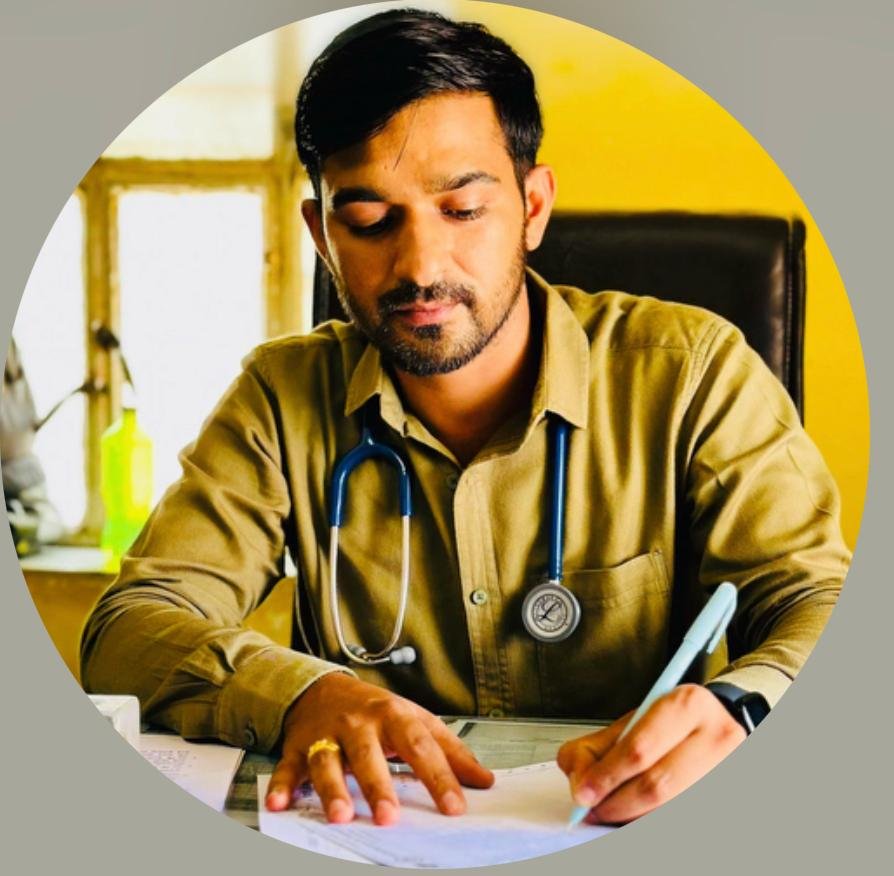
AtHomeCare contact and service information
Corporate Office
Unit No. 703, 7th FloorILD Trade Centre
Sector 47
Gurgaon, Haryana 122018
Phone: 9910823218
Email: care@athomecare.in
Regional Operations — Patna
A-212, P C Colony RoadKankarbagh, Patna 800020
India
Phone: +91-9229662730
Service area: Patna
Serving patients across Patna through our regional care network.