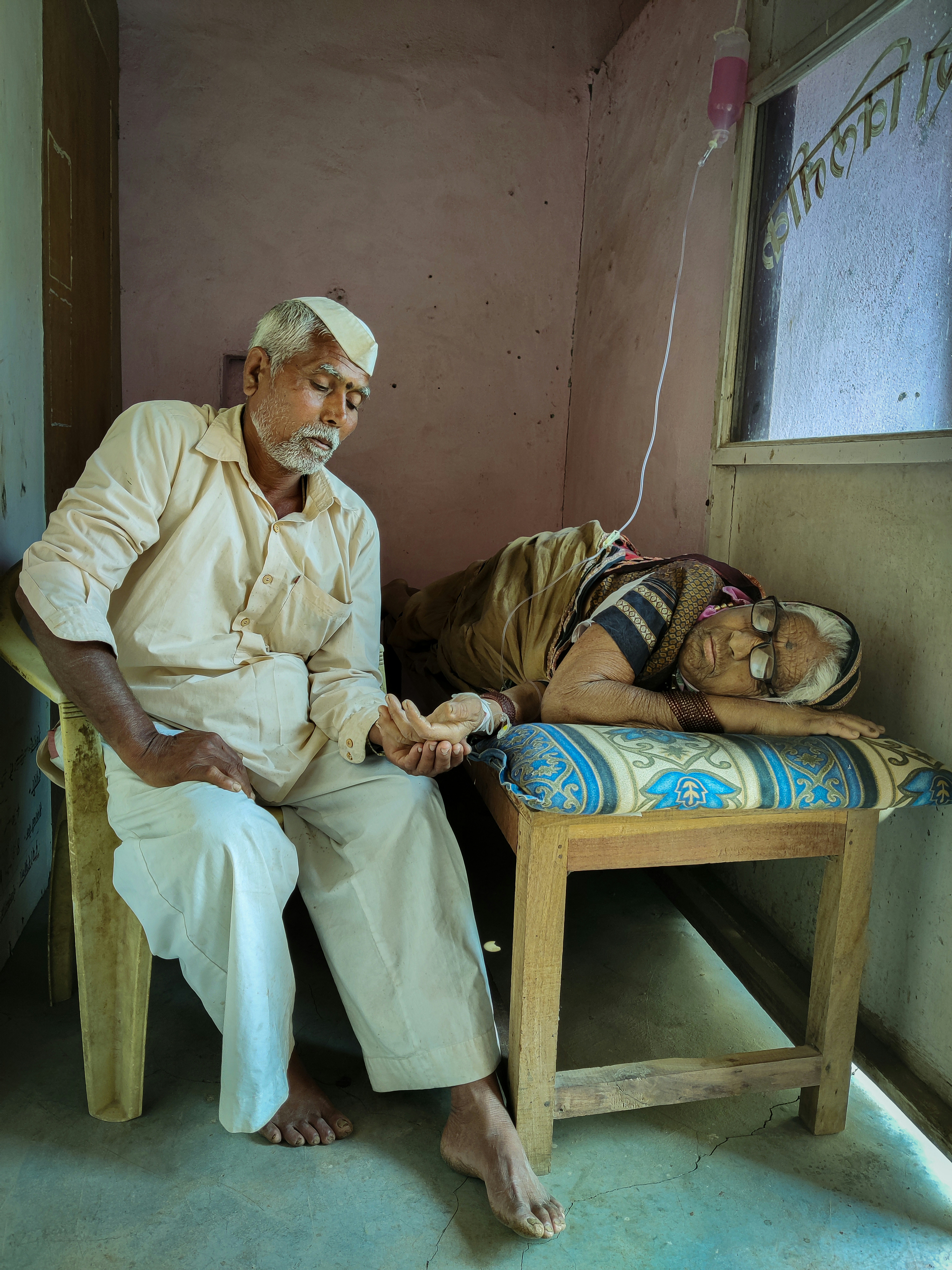
Managing Elderly Patients with Limited Medical Follow-Up: A Doctor’s Reality Check from Patna
Introduction: The Challenge of Infrequent Doctor Visits
Elderly patients often face unique health challenges, and one of the prominent issues they encounter is the infrequency of doctor visits. In Patna, this trend has raised considerable concern among healthcare providers regarding its impact on the management of chronic conditions commonly prevalent among the older population. Studies suggest that more than 40% of elderly individuals in Patna do not visit their healthcare provider at least once a year, leading to significant gaps in medical oversight.
These long intervals between consultations can hinder the timely diagnosis of health issues, allowing manageable conditions to escalate into serious complications. For example, hypertension and diabetes, which are prevalent among the elderly, require regular monitoring and medication adjustments. Without consistent medical follow-ups, patients may experience exacerbated symptoms or develop new health complications that could have been preventable. Reports from local healthcare facilities indicate that many patients arrive at clinics only when their conditions have deteriorated, often requiring immediate and intensive intervention.
Furthermore, the cultural norms and socioeconomic factors in Patna contribute to this challenge. Many elderly individuals, especially those from lower-income families, encounter barriers such as transportation issues, financial constraints, and a lack of awareness regarding the necessity of regular health check-ups. As a result, healthcare providers are increasingly faced with the daunting task of managing patients who present with advanced medical issues, which could have been addressed earlier with consistent follow-up care.
In light of these challenges, it is crucial for the medical community in Patna to explore innovative solutions that can encourage elderly patients to engage more actively with their healthcare. By addressing the social, economic, and educational factors influencing infrequent doctor visits, we can pave the way for improved health outcomes in this vulnerable population.
Long Gaps Between Consultations: A Silent Struggle
The management of elderly patients often presents challenges that are exacerbated by prolonged intervals between medical consultations. One of the most significant issues arising from this phenomenon is the deterioration of various health conditions. With age, the human body becomes increasingly susceptible to chronic ailments such as diabetes, hypertension, and heart disease. When elderly patients do not receive the necessary follow-up care, these conditions can worsen, leading to a more complex clinical scenario.
For instance, poorly managed diabetes can result not only in elevated blood sugar levels but also in a range of complications including neuropathy and cardiovascular issues. When elderly patients delay or miss regular visits, the accumulation of these risk factors can result in debilitating outcomes. The silent struggle of these individuals often goes unnoticed until a crisis occurs, such as a stroke or kidney failure, which could have potentially been prevented with timely medical intervention.
Furthermore, conditions such as heart disease necessitate vigilant monitoring—failure to adhere to a regular follow-up schedule may result in undetected arrhythmias or escalating heart murmurs. The gradual decline in health often parallels the absence of consultation; thus, by the time a healthcare provider re-engages with the patient, significant damage may already have transpired. This delayed intervention not only complicates treatment but also places additional emotional and financial strains on both the patient and their family.
Consistent medical follow-up is crucial in managing the health of elderly patients. It enables healthcare providers to assess the efficacy of ongoing treatments, make necessary adjustments, and offer preventive advice tailored to their patient’s evolving health status. In this regard, fostering a more proactive approach toward medical consultations can significantly enhance the quality of life for elderly patients, reducing the silent suffering that comes from neglect and a lack of structured care. Clear communication channels and community support systems are essential to bridging these gaps that often lead to a downward health trajectory.
A Doctor’s Perspective on Worsening Health Conditions
The management of elderly patients, particularly those who exhibit limited medical follow-up, presents a unique set of challenges for healthcare providers. As a doctor, I frequently encounter situations where patients neglect necessary check-ups, leading to a cascade of deteriorating health issues. The lack of regular follow-up exacerbates existing conditions and often leads to the emergence of new, unforeseen complications.
One of the most pressing issues is the accumulation of health problems that arise due to missed appointments. Elderly individuals may already be grappling with multiple chronic illnesses, and when check-ups are skipped, it becomes increasingly difficult to monitor these conditions effectively. For instance, a patient with diabetes who fails to return for regular blood glucose assessments may experience unregulated blood sugar levels, leading to severe complications such as neuropathy or retinopathy. In this way, the interconnectedness of various health issues creates a complex clinical picture, complicating treatment plans.
The treatment of multiple coexisting medical conditions, known as multimorbidity, further challenges healthcare providers. Each condition can influence the others, making it crucial for doctors to adopt a holistic approach to patient care. However, when patients do not adhere to scheduled follow-ups, the lack of comprehensive data leads to assumptions that can skew treatment. Successfully navigating these challenges not only requires medical expertise but also effective communication with the patient’s family to ensure they understand the risks associated with delayed care.
Emotionally, the toll on both the patients and their families can be quite significant. Families often experience anxiety and helplessness as they witness their loved ones decline due to preventable health issues. This emotional distress can hinder the patient’s willingness to seek medical help and further complicates the healthcare provider’s role. Thus, addressing these emotional aspects is as crucial as managing the physical symptoms associated with the patient’s health conditions.
The Importance of Structured Patient Care Routines
In the context of managing elderly patients in Patna, the establishment of structured patient care routines becomes an essential component for effective healthcare delivery. Chronic conditions such as diabetes, hypertension, and arthritis require continuous supervision and timely interventions, which can be optimized through well-organized routines. These routines not only streamline the management of these conditions but also ensure adherence to medical advice, ultimately improving patient outcomes.
One of the first steps in creating structured care routines is to assess each patient’s unique needs. It is critical to involve patients and their families in this process, as their insights can shed light on preferences and barriers to adherence. For example, medication administration schedules must take into consideration the patients’ daily activities, capabilities, and potential cognitive impairments. A systematic approach often includes using visual aids or reminders for medication intake, appointment schedules, and lifestyle management practices.
Moreover, regular follow-ups can be integrated into these routines to monitor progress and make necessary adjustments. Telehealth can be deployed to bridge geographical barriers, offering consultations without requiring patients to travel. This is particularly relevant in Patna, where transportation issues may hinder access to medical facilities. Structured routine care also facilitates better communication between healthcare providers and patients, enhancing trust and accountability.
Additionally, a supportive environment within the patient’s home improves the likelihood of adherence to these care routines. Education for family members about the chronic conditions and how to assist in management is vital. When the family plays an active role, it not only supports the elderly patient but also fosters a collaborative care atmosphere.
In essence, establishing and adhering to structured patient care routines is fundamental in the management of elderly patients with chronic conditions in Patna. Such practices not only enhance the overall quality of care but are instrumental in ensuring a healthier, more engaged population of elderly individuals.
Daily Monitoring: What Trained Attendants Must Observe
Effective management of elderly patients, particularly in scenarios with limited medical follow-up, relies heavily on vigilant daily monitoring by trained attendants or family members. It is essential for caregivers to observe a variety of physical and emotional indicators that may signal changes in the health status of their elderly charges. These observations serve as the first line of insight into potential complications that could necessitate medical attention.
One of the primary areas to focus on is the patient’s mobility and physical activity. Changes in gait, increased difficulty in performing daily tasks, or noticeable lethargy may indicate underlying issues such as musculoskeletal disorders or neurological changes. Additionally, caregivers should keep an eye on vital signs; abnormalities in blood pressure, heart rate, or respiratory patterns are substantial indicators of health deterioration.
Another critical aspect involves monitoring nutritional intake and hydration. Loss of appetite or erratic eating patterns can contribute to malnutrition, directly affecting overall health. Similarly, dehydration is a common issue in the elderly, often exacerbated by medications or cognitive decline. Caregivers should encourage a balanced diet and regular fluid intake while being watchful for signs of dehydration, such as dry skin or confusion.
Cognitive and emotional health should also be assessed frequently. Sudden changes in mood, increased confusion, or withdrawal from social interactions may reflect an acute or chronic mental health condition that requires immediate assessment. Providing a stable environment and open lines of communication can help maintain emotional well-being.
In conclusion, diligent daily monitoring by trained attendants is indispensable for early detection of health changes in elderly patients. By focusing on mobility, vital signs, nutrition, hydration, and cognitive health, caregivers can significantly contribute to the well-being and quality of life of those they support. This attentive approach not only aids in identifying concerning symptoms but also fosters a sense of security for both patients and their families.
Why This Issue is Specific to Patna
The healthcare landscape in Patna presents several unique challenges, particularly for elderly patients with limited medical follow-up. One of the most pressing issues is the scarcity of healthcare specialists available in the region. Many elderly individuals have chronic conditions requiring ongoing care from specialists, yet the limited availability of medical professionals hinders their access to necessary treatments. This lack of resources contributes to a significant healthcare gap that affects not only the elderly but the population overall.
Cultural attitudes towards healthcare also play a crucial role in shaping how elderly patients engage with medical services in Patna. Traditional beliefs and practices often lead families to prioritize home remedies or local treatments over professional medical care. This approach can result in a reluctance to seek follow-up care or specialist consultations, which exacerbates health issues for the elderly. Hence, cultural dynamics heavily influence the decisions made by families regarding healthcare, often sidelining standard medical protocols.
Moreover, patients faced with the paradox of high healthcare costs and limited access to quality services tend to delay seeking medical attention until conditions become severe. This delay hampers their overall health and increases morbidity rates among the elderly population. In Patna, inadequate public healthcare infrastructure further complicates this situation, with overcrowded facilities and stretched resources making it difficult for medical professionals to provide appropriate follow-up care.
The convergence of these factors—scarcity of specialists, cultural beliefs, and systemic healthcare inefficiencies—creates a distinctive environment in Patna. It is essential for healthcare providers to recognize and address these challenges to improve the quality of care available to their elderly patients, enabling better health outcomes in the community.
Navigating Cost-Conscious Care Decisions
In Patna, economic factors play a crucial role in the healthcare experiences of elderly patients. The financial burden of routine medical care can often deter families from seeking necessary treatments and regular check-ups for their elderly loved ones. The costs associated with medications, diagnostic tests, and specialist consultations can accumulate rapidly, leading to a situation where families must evaluate the necessity versus the affordability of ongoing healthcare.
This financial dilemma frequently forces families to make challenging choices, often prioritizing immediate monetary concerns over the long-term health of their elderly relatives. In many instances, the desire to maintain a stable household budget takes precedence over the imperative of consistent medical follow-up, resulting in delayed diagnosis and treatment of potentially serious health issues.
Moreover, the stigma attached to acknowledging a limited financial capacity can further complicate decision-making processes. Families may be reluctant to seek assistance or explore affordable healthcare options due to a fear of judgment or social scrutiny. The result is a significant gap in care, where elderly patients either forego essential medical interventions or resort to unsafe practices in the absence of professional advice.
Statistics indicate that neglecting routine medical follow-ups can lead to increased hospitalizations, which impose a much greater financial strain in the long run. This cycle underscores the need for a more supportive healthcare framework that accommodates the economic realities faced by families in Patna.
In addressing these challenges, it is vital for healthcare providers and policymakers to develop strategies that promote cost-effective care options while ensuring that the health and well-being of elderly patients remain paramount. Engagement with community resources and educational outreach can facilitate better understanding and access to affordable healthcare services, thereby helping families make informed decisions regarding the care of their elderly members.
The Role of Family Judgment in Healthcare Decisions
Family members often serve as the primary support system for elderly patients, playing a crucial role in healthcare decision-making. As healthcare systems can be complex and overwhelming, families become key advocates for their elderly relatives. This reliance on family judgment can be beneficial, yet it also introduces challenges due to varying levels of health literacy and differing personal biases.
In many cases, family members may have a stronger emotional connection to their elderly relatives than healthcare professionals. This connection can lead to compassionate care strategies; however, it may also cloud judgment when critical healthcare decisions are required. Emotional biases can skew perceptions of an elderly patient’s condition, resulting in either undue optimism or unwarranted pessimism regarding medical treatments. Such biases can hinder effective communication with healthcare providers, complicating the provision of appropriate care.
Moreover, the varying degrees of health literacy within families can significantly impact healthcare outcomes. In families where members lack basic medical understanding, decisions may lean towards personal beliefs rather than medical evidence. This situation can result in adherence to misconceptions about health conditions and treatments. For instance, some family members may rely on alternative remedies that lack scientific support, potentially delaying necessary medical interventions.
It is essential that healthcare providers recognize the dynamics at play when family members are involved in decision-making. Establishing open lines of communication and providing educational resources to families can help ensure that decisions are made based on accurate health information rather than subjective perspectives. By fostering an environment of collaboration, healthcare professionals can better equip families to make informed choices that align with the best interests of their elderly patients.
Conclusion: Proposing a Way Forward
Managing elderly patients in Patna, who often have limited access to regular medical follow-up, presents a unique set of challenges. As discussed, the high prevalence of chronic illnesses and the underutilization of healthcare services among this demographic highlight the need for a systematic approach to improve their health management. The key to addressing these issues lies in enhancing community awareness and equipping family members and caregivers with the necessary skills and knowledge.
To initiate improvement, local health authorities should implement educational programs that focus on the prevalence of common geriatric conditions, the importance of regular health check-ups, and preventive measures. Empowering family members through training sessions can facilitate better care for elderly patients, ensuring that they understand warning signs and when to seek medical intervention. Furthermore, incorporating technology, such as telehealth services, can bridge the gap in medical follow-ups, providing elderly patients with much-needed access to specialists without the burden of travel.
The formation of support groups within communities can also play a vital role in health management, fostering a culture of shared knowledge and experiences among families of elderly individuals. These groups can become platforms for advocacy, where families unite to voice their needs for better healthcare access and resources tailored for the aging population.
In summary, addressing the healthcare needs of the elderly in Patna requires a multifaceted approach that combines education, community involvement, and technology. By advocating for improved access to healthcare and creating a supportive environment, we can enhance the quality of life for our elderly population. Investing in these changes now will lead to long-term benefits for both patients and caregivers alike.