
Post-Amputation Patient Needing Wound and Movement Support
Post-Amputation Patient Needing Wound and Movement Support
A comprehensive guide to specialized home care for post-amputation patients in Patna, focusing on wound management, phantom limb pain, and rehabilitation.
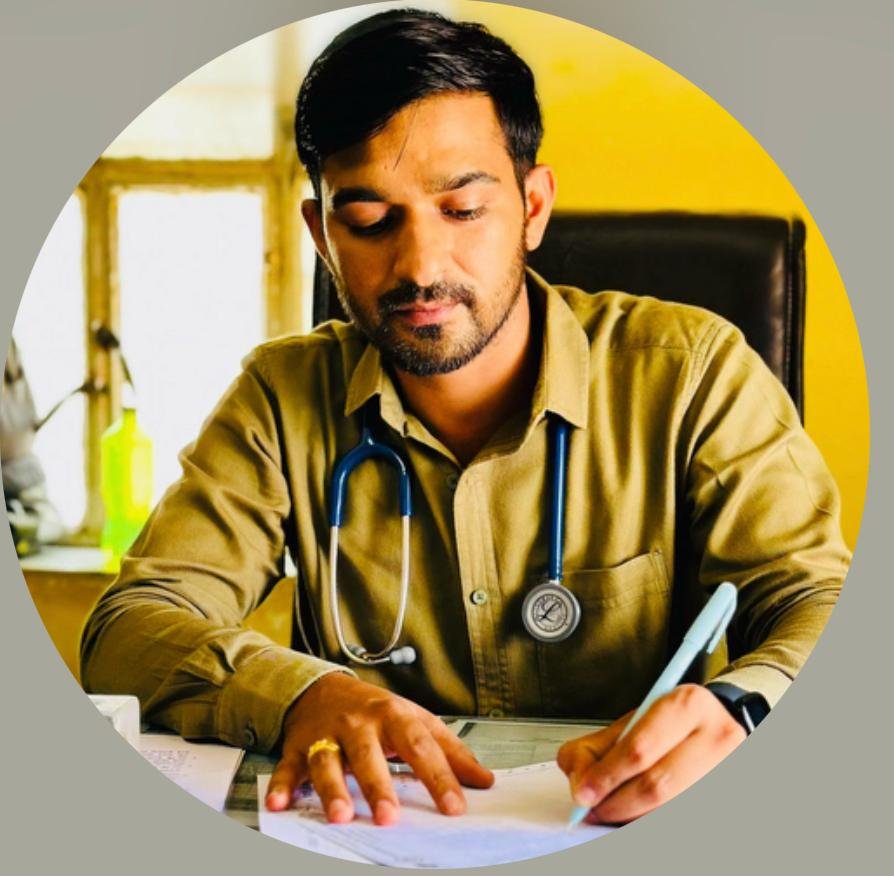
Amputation is not merely the loss of a limb; it is the beginning of a profound and complex journey of healing and adaptation. The post-operative period is a critical time where the foundation for the patient’s future function and quality of life is established. As a medical practitioner in Patna, I have observed that the success of this journey hinges on two interdependent pillars: meticulous wound care and intelligent, compassionate movement support. This guide delves into the specialized needs of post-amputation patients and explains how our integrated care model at At Home Care Patna is designed to navigate this challenging path toward recovery and independence.
The Dual Challenge: Healing the Stump and the Self
When a patient returns home after an amputation, they are faced with a dual reality. On one hand, there is the very physical, very present surgical wound—the stump—that requires intensive medical care to heal properly. On the other hand, there is the psychological and neurological reality of a body that has changed, which can manifest as phantom limb sensations, pain, and a significant emotional toll. These two aspects are deeply intertwined; poor physical healing can exacerbate psychological distress, and psychological issues like depression can negatively impact physical recovery.
In Patna, this journey is compounded by unique challenges. The hot and humid climate can increase the risk of wound infections. Traditional home layouts may not be accessible for a patient with mobility limitations. Furthermore, the cultural emphasis on physical wholeness can make the psychological adjustment even more difficult for the patient and their family. A specialized, integrated approach is not just beneficial—it is essential for a successful outcome.
Wound Care: The Foundation of Future Mobility
The post-amputation stump is not just a healing wound; it is the future interface for a prosthesis. Therefore, its care must be impeccable. The goals of specialized stump care are multi-faceted: to ensure rapid and infection-free healing, to shape the stump into a form that can comfortably bear a prosthesis, and to manage pain and other complications.
Key Components of Professional Stump Care
- Sterile Dressing Changes: Our registered nurses perform dressing changes using strict aseptic techniques. The type of dressing and frequency are determined by the surgeon’s protocol and the condition of the wound. We use advanced dressings that promote a moist healing environment while managing exudate.
- Infection Surveillance: This is our top priority. Our nurses are trained to spot the earliest signs of infection—increased redness, swelling, warmth, foul-smelling discharge, or fever—long before they become serious. In Patna’s climate, this vigilance is paramount.
- Stump Shaping and Edema Control: Proper healing involves more than just closing the skin. The stump must be shaped into a conical form suitable for a prosthesis. We use techniques like elastic bandaging or custom-made shrinkers to control swelling (edema) and mold the stump correctly. This is a critical skill that untrained caregivers often lack.
- Scar Management: Once the wound is closed, we focus on scar management. This includes massage and desensitization techniques to prevent the scar from becoming adherent to underlying bone and to reduce hypersensitivity, which is crucial for tolerating a prosthesis later.
- Drain and Suture Care: If the patient has surgical drains or sutures/staples, our nurses provide the appropriate care, monitor output, and coordinate with the surgeon for their removal at the right time.
⚠️ When to Seek Immediate Medical Attention
While our team provides expert care, certain signs require immediate contact with the surgeon or a visit to the emergency room. Contact us or your doctor immediately if you notice:
- Fever above 101°F (38.3°C)
- Spreading redness or red streaks from the wound
- Increased pain, swelling, or warmth at the stump site
- Pus or foul-smelling drainage from the wound
- The wound edges opening up
Movement Support: Relearning the Body in a New Form
Movement after amputation is a delicate balance. The patient needs to move to prevent the severe complications of immobility—like blood clots, muscle atrophy, and joint contractures—but this movement must be done safely and in a way that promotes healing. This is where our integrated model of movement support becomes invaluable.
1. Managing Phantom Limb Phenomena
One of the most misunderstood aspects of post-amputation recovery is the phantom limb. Nearly all patients experience phantom sensations—the feeling that the limb is still there. For many, this includes phantom limb pain, which can be severe and debilitating. It is crucial for patients and families to understand that this is a real, neurological phenomenon, not “in their head.”
Our approach to managing this includes:
- Desensitization: Gently touching and massaging the stump to help the brain remap its sensory map and reduce hypersensitivity.
- Mirror Therapy: A simple but effective technique where a mirror is placed to reflect the intact limb, creating the visual illusion of the amputated limb. This can help “trick” the brain and reduce phantom pain.
- Medication Management: Our nurses ensure that pain medications, including specific drugs for nerve pain, are administered on a strict schedule to stay ahead of the pain.
2. Preventing Complications: The Proactive Approach
Immobility is the enemy of recovery. Our team is proactive in preventing its consequences:
- Contracture Prevention: Joints, especially the hip and knee, can become permanently bent if not positioned correctly. Our attendants and physiotherapists ensure the patient is positioned properly in bed and perform gentle, passive range-of-motion exercises to keep joints flexible.
- Strength Building: Even before the patient can walk, we begin strengthening exercises for the core, arms, and the intact leg. This builds the foundation for future mobility with crutches or a prosthesis.
- Deep Vein Thrombosis (DVT) Prevention: We encourage movement of the intact limb and use prescribed compression stockings. Our physiotherapists teach specific exercises that promote blood flow.
3. The Path to Mobility: A Step-by-Step Approach
Our physiotherapists design a progressive rehabilitation program tailored to the patient’s specific type of amputation and overall condition.
Stage 1: Bed-Based Exercises
Focuses on strengthening, balance, and desensitization while the wound is still healing. Includes activities like pelvic tilts, bridging, and upper body exercises.
Stage 2: Transfers and Balance
Once medically cleared, we teach the patient how to safely move from bed to chair, and from chair to standing. Balance exercises are introduced to build confidence.
Stage 3: Walking with Aids
We introduce walking with a walker or crutches, focusing on proper gait patterns to conserve energy and prevent falls. This is a critical phase for building endurance.
Stage 4: Pre-Prosthetic Training
This involves specific exercises to prepare the stump for the pressures of a prosthesis and to build the strength and balance needed for successful prosthetic use.
Doctor’s Perspective: The Power of the Integrated Model
As a physician, I see the post-amputation period as a time where fragmented care leads to fragmented outcomes. If wound care is handled by one person, physiotherapy by another, and psychological support is left to chance, the patient’s progress is disjointed and slow. The true power of our model at At Home Care Patna lies in its integration.
Our nurse, attendant, and physiotherapist are not working in silos. They are a unified team, communicating daily about the patient’s progress. The nurse’s report on wound healing directly influences the physiotherapist’s exercise plan for the day. The attendant’s observation of the patient’s mood and pain levels informs the nurse’s pain management strategy. This holistic, 360-degree view of the patient ensures that every action is coordinated and purposeful.
“An amputation patient is not healing a wound; they are rebuilding a life. This requires more than medical procedures. It requires a supportive ecosystem that addresses their physical, functional, and psychological needs simultaneously. Our integrated care model in Patna is designed to be that ecosystem, guiding the patient from the shock of surgery to the confidence of mobility.” – Dr. Anil Kumar
The Psychological Component: Healing the Invisible Wound
The loss of a limb is a profound psychological trauma. It can lead to grief, depression, anxiety, and a crisis of identity. This aspect of care is not optional; it is central to the patient’s overall well-being and their motivation to participate in the difficult process of rehabilitation.
Our integrated model addresses this by:
- Creating a Safe Space: Our attendants and nurses provide a consistent, compassionate presence. They listen to the patient’s fears and frustrations without judgment, creating a therapeutic relationship built on trust.
- Setting Realistic Goals: Our physiotherapists work with the patient to set small, achievable goals. Celebrating these milestones—whether it’s sitting up unaided for the first time or walking ten steps—builds confidence and a sense of agency.
- Family Counseling and Education: We educate the family on how best to support the patient. This includes teaching them supportive communication, helping them understand the patient’s emotional journey, and involving them in the rehabilitation process in a constructive way.
- Peer Support Connection: When appropriate, we can connect patients with amputee support groups, either locally or online. Seeing others who have successfully navigated this journey can be incredibly powerful and inspiring.
Nutrition and Lifestyle: Fueling the Recovery
Healing from major surgery and adapting to a new body requires significant nutritional and lifestyle support. Our integrated care includes:
- High-Protein, High-Calorie Diet: Our nutritionists provide meal plans rich in protein, vitamins A and C, and zinc, all of which are crucial for wound healing and tissue repair.
- Hydration: Proper hydration is essential for circulation and overall health. We monitor fluid intake carefully.
- Lifestyle Modification: For patients whose amputation was due to conditions like diabetes or vascular disease, we provide education and support to manage their underlying condition and prevent further complications.
Conclusion: A Journey of Transformation
Recovering from an amputation is undoubtedly one of the most challenging medical journeys a person can undertake. It demands physical resilience, mental fortitude, and a support system that is both clinically excellent and deeply human. In Patna, where resources can be scattered and the environment presents unique challenges, attempting this journey without a dedicated, integrated professional team is a significant risk.
At At Home Care Patna, our mission is to be that team. We bring the hospital’s expertise to the comfort and security of the patient’s home, providing a seamless continuum of care that addresses every facet of their recovery. From the sterile precision of wound care to the empathetic support needed to face a new reality, we are there every step of the way.
The goal is not just to heal a stump. The goal is to help the patient heal as a whole person, empowering them to reclaim their independence, redefine their identity, and move forward into a future full of possibility.
Medical Disclaimer
This article is for informational purposes only and does not constitute medical advice. The information provided is based on general medical knowledge and the professional experience of the author. Always consult with your healthcare provider for medical advice and treatment tailored to your specific condition. If you are experiencing a medical emergency, please call emergency services immediately.
Frequently Asked Questions
The initial wound healing typically takes 4 to 8 weeks, depending on the type of amputation, the patient’s overall health, and circulation. However, complete healing, including scar maturation and stump shaping, can take several months. Our integrated care in Patna ensures optimal healing conditions through professional wound care, proper nutrition, and infection prevention, which can significantly speed up the process and prepare the stump for future prosthetic use.
Phantom limb pain is the sensation of pain coming from a body part that is no longer there. It’s a real neurological phenomenon, not psychological. Treatment options include medications (like gabapentin or antidepressants), non-pharmacological therapies like mirror therapy, desensitization techniques, acupuncture, and physiotherapy. At At Home Care Patna, our team is trained in these techniques and works closely with doctors to manage this challenging aspect of amputation recovery.
This varies greatly. The wound must be fully healed, and the stump must be well-shaped and free of infection. This usually takes at least 2-3 months, sometimes longer. Before getting a prosthesis, patients undergo pre-prosthetic training with our physiotherapists in Patna to build strength, balance, and endurance. This preparation is crucial for successfully adapting to a prosthesis when it is eventually fitted.
Professional home care is vital because amputation recovery is complex and requires specialized skills. Our team in Patna provides expert stump care to prevent life-threatening infections, manages phantom pain, prevents contractures through proper positioning and exercise, and offers crucial psychological support. This comprehensive approach reduces complications, speeds up healing, and helps the patient adapt to their new body, leading to better long-term outcomes and independence.
Family support is incredibly important. Family members can help by creating a safe home environment, encouraging adherence to the care plan, providing emotional support, and learning basic assistance techniques from our professionals. At At Home Care Patna, we educate families on what to expect, how to talk about body image issues, and how to be a positive part of the rehabilitation journey without becoming overwhelmed, creating a supportive ecosystem for the patient’s recovery.