Complete Guide to Family Caregiver Training in Patna: Essential Skills for Safe Home Patient Care
Family caregivers in Patna often step into caregiving without formal training, leading to preventable complications like bedsores, medication errors, and falls. This guide provides a structured, doctor-reviewed training framework covering every essential skill—from safe patient transfers and infection control to emergency response and equipment handling—specifically designed for the home care environment in Patna.
Table of Contents
Why Caregiver Training Matters in Patna
Family caregiver training in Patna is essential because untrained caregivers frequently cause preventable harm—including medication errors, improper patient handling leading to injuries, missed infection signs, and delayed emergency response. Structured training reduces home care complications by up to 40% and gives families the confidence to manage patients safely between professional nurse visits.
Patna’s healthcare landscape presents unique challenges for family caregivers. With major hospitals like AIIMS Patna, PMCH, IGIMS, and Paras HMRI handling high patient volumes, discharge timelines are increasingly compressed. Patients are sent home earlier, often with complex needs—tracheostomy tubes, urinary catheters, wound dressings, or insulin regimens—that family members must manage without any formal preparation.
The gap between hospital discharge and home readiness is where most complications occur. In Patna’s context, where access to 24/7 professional nursing may be limited by availability or cost, the family caregiver becomes the primary safety net. Without training, this safety net has holes.
Critical Reality
A 2024 review of home care emergencies in Patna showed that 67% of avoidable hospital readmissions within 30 days of discharge were linked to family caregivers lacking basic skills in medication management, fall prevention, or infection recognition.
Specific Challenges for Patna Families
- Humidity and wound infection risk: Patna’s tropical climate with high humidity (60-85% in monsoon and summer) significantly increases wound infection risk. Caregivers must learn moisture management and early infection signs specific to this environment.
- Limited ambulance response time: In areas outside the main city core, ambulance response can exceed 25-30 minutes. Caregivers must be trained to stabilize the patient during this window.
- Language and health literacy: Training materials and instructions must be available in Hindi, and complex medical concepts must be simplified without losing clinical accuracy.
- Power reliability: Frequent power fluctuations affect oxygen concentrators, BiPAP machines, and monitors. Caregivers need backup operation training.
- Joint family dynamics: Multiple family members may share caregiving, leading to inconsistent practices. Training must establish a single standardized care protocol.
Who Needs Family Caregiver Training
Caregiver training is necessary for anyone in Patna who is actively involved in a patient’s daily home care—regardless of whether they are a family member, domestic helper, or part-time attendant. The training level should match the patient’s medical complexity, not the caregiver’s relationship to the patient.
| Caregiver Profile | Recommended Training Level | Typical Patient Scenario |
|---|---|---|
| Spouse or adult child providing daily care | Comprehensive (Basic + Condition-Specific) | Elderly parent with diabetes, hypertension, or early dementia |
| Domestic helper or ayah already assigned to patient | Practical Skills Focus (Hands-on only) | Bedridden patient needing turning, feeding, hygiene support |
| Family member supervising a professional attendant | Supervisory Level (Monitoring + Recognition) | Home ICU patient with nurse and attendant on shift |
| NRI child visiting Patna for short periods | Intensive Condensed (3-4 day crash course) | Setting up care systems before returning abroad |
| Young family members (age 18-30) helping part-time | Emergency + Basic Daily Care | Assisting parent who is primary caregiver |
| Neighbor or relative filling in for short periods | Orientation Session (2-4 hours) | Respite care for primary caregiver’s break |
Requires full transfer training, repositioning, bedsore prevention, catheter/tube awareness, and emergency response.
Requires mobility assistance, fall prevention, medication management, and nutrition support training.
Add equipment operation, alarm recognition, basic troubleshooting, and escalation protocol training.
Focus on vital signs monitoring, medication safety, and recognizing when to seek medical help.
Core Skills Every Family Caregiver Must Learn
The foundation of family caregiver training in Patna rests on five core skill areas: safe patient handling, vital signs monitoring, infection prevention, medication management, and emergency response. Mastery of these five areas addresses approximately 80% of daily home care needs and prevents the most common complications that lead to hospital readmission.
Skill Area 1: Communication and Documentation
Before learning physical skills, caregivers must learn to document and communicate effectively. This includes maintaining a daily care log with entries for vital signs, food intake, urine output, medication given, any unusual observations, and bowel movements. This log becomes the primary communication tool between the family caregiver, visiting nurses, and the treating doctor.
Practical Tip
Keep a simple notebook near the patient’s bed with columns for Time, Vitals, Food, Medicine, Output, and Notes. Any family member should be able to read this log and understand the patient’s status in 60 seconds. AtHomeCare provides printed log templates in Hindi for Patna families.
Skill Area 2: Personal Hygiene Assistance
Patients who cannot bathe independently need assistance that balances hygiene with safety and dignity. Training covers bed bath techniques, oral care for unconscious or weak patients, perineal care, hair washing in bed, nail care (especially for diabetic patients where nail injuries can lead to serious infections), and changing soiled clothing or bedsheets while minimizing patient movement.
Skill Area 3: Elimination Management
Caregivers must learn to assist with bedpan and urinal use, manage urinary catheters (without performing insertion or removal), monitor bowel patterns, recognize constipation early, and manage incontinence with dignity. For patients with diarrhea, dehydration monitoring becomes critical—especially in Patna’s summer when fluid loss can become dangerous within hours.
Skill Area 4: Comfort and Positioning
Proper positioning prevents contractures, reduces pain, improves breathing, and prevents pressure ulcers. Caregivers learn to use pillows for limb support, position patients at appropriate angles for feeding and breathing, and understand the difference between comfortable positioning and medically necessary positioning (such as elevating the head of the bed for a patient with aspiration risk).
Safe Patient Handling and Transfer Techniques
Improper patient transfers are the leading cause of caregiver back injuries and patient falls in Patna homes. Training teaches body mechanics, use of transfer aids, and standardized techniques for moving patients from bed to chair, chair to commode, and repositioning in bed—reducing injury risk for both the patient and the caregiver.
The most critical principle in patient handling is that the caregiver must protect their own spine first. A caregiver with a back injury cannot help anyone. Every transfer must use the legs and hips, never the back. The patient’s center of gravity must be kept close to the caregiver’s body.
Types of Transfers Trained
| Transfer Type | Technique | When Used | Equipment Needed |
|---|---|---|---|
| Bed to Wheelchair | Stand-pivot or sliding board transfer | Patient can bear some weight on one leg | Wheelchair, transfer board (optional), non-slip footwear |
| Bed to Commode | Assisted stand with gait belt | Patient needs toilet assistance | Commode chair, gait belt |
| Bed Repositioning | Draw sheet technique with two caregivers | Every 2 hours for bedridden patients | Draw sheet (chadar), pillow positioning |
| Chair to Bed | Reverse stand-pivot | Returning patient to bed | Wheelchair with lockable brakes |
| Full Lift (No Weight Bearing) | Two-person lift or hydraulic lift | Completely paralyzed or unconscious patient | Hydraulic patient lift (recommended) or two trained persons |
| Floor Recovery | Chair-assist technique or mechanical lift | After a fall when patient is on the ground | Sturdy chair, lift equipment if available |
Warning
Never attempt a solo lift of a patient who cannot bear weight. In Patna homes where only one caregiver may be present at night, this is a critical risk. AtHomeCare recommends that families with bedridden patients arrange for at least two people to be available during nighttime transfers, or invest in a hydraulic patient lift.
Step-by-Step: Stand-Pivot Transfer (Bed to Wheelchair)
- Lock the wheelchair brakes. Position the wheelchair at a 30-45 degree angle to the bed on the patient’s stronger side.
- Help the patient sit on the edge of the bed for 30-60 seconds to check for dizziness (orthostatic hypotension).
- Apply a gait belt securely around the patient’s waist, over clothing.
- Position your feet shoulder-width apart, with one foot slightly forward. Bend your knees.
- Place your hands on the gait belt, not under the patient’s arms.
- On a count of three, rock back with your legs, bringing the patient to standing. Do not pull with your arms.
- Pivot both your feet and the patient’s feet together toward the wheelchair.
- Lower the patient slowly into the wheelchair by bending your knees, not your back.
- Ensure the patient is positioned fully back in the seat before unlocking brakes.
Vital Signs Monitoring at Home
Family caregivers in Patna must learn to measure and record body temperature, pulse rate, respiratory rate, blood pressure, blood oxygen saturation (SpO2), and blood glucose levels. Knowing normal ranges and recognizing abnormal readings enables early medical intervention before a condition becomes critical.
| Vital Sign | Normal Range | Equipment | When to Call Doctor |
|---|---|---|---|
| Temperature | 36.5°C – 37.5°C (oral) | Digital thermometer | Above 38.3°C or below 35°C |
| Pulse Rate | 60 – 100 beats per minute | Pulse oximeter or wrist watch | Below 50 or above 120 at rest |
| Respiratory Rate | 12 – 20 breaths per minute | Observation and counting | Below 10 or above 25, or labored breathing |
| Blood Pressure | 90/60 – 140/90 mmHg | Digital BP monitor | Above 180/120 or below 80/50 |
| Oxygen Saturation (SpO2) | 95% – 100% | Pulse oximeter | Below 92% (or below prescribed threshold) |
| Blood Glucose (Fasting) | 70 – 130 mg/dL | Glucometer | Below 70 or above 300 mg/dL |
How to Measure Vital Signs Correctly
Blood Pressure Measurement
- Have the patient rest for 5 minutes before measuring. No caffeine or exercise in the previous 30 minutes.
- Patient should sit with back supported, feet flat on floor, arm supported at heart level.
- Apply the cuff on bare upper arm, 2 cm above the elbow crease. The cuff should be snug but allow one finger underneath.
- Do not talk during measurement. Take two readings 1 minute apart and record the average.
- Measure at the same time each day for consistent comparison. Morning and evening are standard.
Respiratory Rate
The respiratory rate is the most commonly missed vital sign because patients may consciously alter their breathing if they know they are being observed. The trained caregiver counts breaths by watching chest rise and fall while pretending to check the pulse—counting for a full 60 seconds for accuracy.
Important for Patna Caregivers
During Patna’s summer months (April-June), body temperature can be elevated due to ambient heat rather than infection. Always note the room temperature and time of day when recording temperature. An afternoon reading of 37.8°C in a non-AC room in June may not indicate fever, whereas the same reading at 6 AM in a cool room is more significant.
Infection Prevention and Control
Home infection prevention in Patna requires rigorous hand hygiene, proper wound care techniques, safe medical waste disposal, and environmental cleanliness. In Patna’s warm, humid climate, wound infections and urinary tract infections are among the most common home care complications—most of which are preventable with trained caregiving practices.
Hand Hygiene: The Single Most Important Skill
Hand hygiene is not simply washing hands. Training covers the WHO five moments for hand hygiene adapted for home care:
- Before touching the patient
- Before any clean or aseptic procedure (wound dressing, catheter handling)
- After body fluid exposure risk (changing soiled clothes, handling urine bag)
- After touching the patient
- After touching the patient’s surroundings (bed rails, bedside table, medical equipment)
The correct technique for handwashing with soap and water takes 20-30 seconds: wet hands, apply soap, rub palm to palm, back of each hand, between fingers, backs of fingers, thumbs, fingertips, and wrists. Rinse and dry with a clean towel. When soap is not available, alcohol-based hand rub (minimum 60% alcohol) is used for 20 seconds—but only when hands are not visibly soiled.
Wound Care Infection Signs
Family caregivers are often the first to notice wound infections. Training teaches the five cardinal signs of wound infection that require immediate doctor consultation:
- Increased redness spreading beyond the wound edges
- Increased swelling or warmth around the wound
- Increased pain that is worsening rather than improving
- Pus or cloudy discharge from the wound
- Development of fever (above 38°C) without another obvious cause
Medical Waste Disposal at Home in Patna
Home care generates medical waste including used dressings, cotton, gloves, syringes (if home injections are given), and catheter bags. Training covers segregation into three categories:
- General waste: Used tissues, paper towels — dispose in regular household waste.
- Infectious waste: Blood-soaked dressings, used gloves, catheter bags — seal in a yellow bag or double-layered plastic bag, mark as medical waste, and hand over to the nearest health facility or AtHomeCare’s collection service.
- Sharps waste: Needles, lancets, blades — never throw in regular waste. Use a puncture-proof container (rigid plastic bottle or designated sharps container). Return to the prescribing hospital or AtHomeCare for safe disposal.
Emergency Note
If a caregiver sustains a needle-stick injury while handling sharps at home: allow the wound to bleed briefly, wash thoroughly with soap and running water for 5 minutes, apply antiseptic, and immediately contact the prescribing doctor for blood-borne infection risk assessment. Do not ignore needle-stick injuries—even from a family member’s used lancet.
Medication Management and Safety
Medication errors by family caregivers are a leading cause of preventable harm in home care. Training covers creating medication schedules, using pill organizers, administering oral medications and insulin injections safely, storing medicines correctly, and recognizing drug side effects. This skill is non-negotiable for any patient on three or more medications.
The Medication Management System
AtHomeCare trains families to implement a five-step medication safety system:
- Reconciliation: At discharge, create a complete list of all medications with exact names, doses, timings, routes, and the doctor who prescribed each. Cross-check with discharge summary.
- Organization: Use a weekly pill box sorted by day and time slot (morning, afternoon, evening, night). This eliminates confusion about whether a dose was given.
- Administration: Follow the “Five Rights” — Right patient, Right medicine, Right dose, Right route, Right time. Read the label every time, even for familiar medicines.
- Documentation: Mark each dose as given in the medication log immediately after administration. Never rely on memory.
- Monitoring: Watch for side effects and report unusual reactions. Keep all original medicine packets until the course is complete.
Common Medication Errors in Home Care
| Error Type | Example | How Training Prevents It |
|---|---|---|
| Double dosing | Two family members give the same medicine, not knowing the other already gave it | Single medication log with tick marks; only one designated person gives medicines |
| Wrong timing | Giving diabetes medicine after food instead of before | Clear timing labels on pill box (Before Food / After Food) |
| Skipping doses | Forgetting night doses when caregiver is tired | Phone alarms set for each medication time |
| Stopping early | Stopping antibiotics after 3 days because patient “feels better” | Education on antibiotic resistance and completion importance |
| Wrong insulin dose | Confusing units on different insulin pens | Dose verification checklist, supervised practice sessions |
| Food-drug interaction | Giving certain medicines with grapefruit or dairy | Dietary interaction chart provided during training |
Insulin Administration Training
For diabetic patients requiring insulin at home, AtHomeCare provides hands-on training that includes: identifying different types of insulin (rapid-acting, short-acting, long-acting), proper storage (unopened vials in refrigerator, not freezer; opened vials at room temperature for up to 28 days), injection site rotation to prevent lipohypertrophy, correct technique for using insulin pens and syringes, recognizing and managing hypoglycemia, and glucometer operation for blood sugar monitoring before each insulin dose.
Warning: Hypoglycemia Emergency
If a diabetic patient becomes sweaty, confused, shaky, or drowsy after insulin, this may be hypoglycemia (low blood sugar). Immediately give 3-4 teaspoons of sugar, glucose powder in water, or a small glass of fruit juice. Recheck blood sugar after 15 minutes. If unconscious, do NOT give anything by mouth — apply honey or glucose gel inside the cheek and call emergency services immediately.
Emergency Recognition and First Response
Family caregivers in Patna must recognize life-threatening emergencies and initiate appropriate first response within the first critical minutes. Training covers cardiac arrest, choking, stroke, seizures, severe bleeding, falls, breathing difficulty, and hypoglycemia—with clear protocols for what to do immediately and when to call 108 or rush to the nearest hospital.
Emergency Contact Protocol for Patna Homes
Every trained caregiver must have a printed emergency card visible near the patient’s bed with:
- Treating doctor’s name and phone number
- Nearest emergency hospital name and distance
- Ambulance service numbers: 108 (government), plus one private ambulance service
- AtHomeCare’s 24/7 emergency helpline
- Primary family contact (if caregiver is not immediate family)
- Patient’s blood group, known allergies, and primary diagnosis
- List of current medications (for the emergency team)
Recognizing Stroke: FAST Protocol
For patients at risk of stroke (hypertension, diabetes, previous stroke, elderly), every caregiver must know the FAST protocol:
- F — Face: Ask the patient to smile. Does one side of the face droop?
- A — Arms: Ask the patient to raise both arms. Does one arm drift downward?
- S — Speech: Ask the patient to repeat a simple sentence. Is speech slurred or strange?
- T — Time: If any of these signs are present, note the time of onset and call emergency services immediately. Stroke treatment is time-critical — the earlier the patient reaches hospital, the better the outcome.
Emergency: Cardiac Arrest
If the patient is unresponsive and not breathing (or only gasping), call 108 immediately and begin CPR if trained. Push hard and fast on the center of the chest (at least 2 inches deep, 100-120 compressions per minute). Do not stop until help arrives or the patient shows signs of life. Even without formal CPR training, hands-only chest compressions are better than no action.
Seizure Response
- Clear the area of hard or sharp objects. Do not restrain the patient.
- Place something soft (pillow, folded towel) under the head.
- Turn the patient gently to one side to keep the airway clear.
- Time the seizure with a watch. Most seizures stop within 2-3 minutes.
- Do NOT put anything in the patient’s mouth (no spoon, no cloth, no fingers).
- Call emergency services if the seizure lasts more than 5 minutes, if a second seizure starts immediately, or if the patient does not regain consciousness within 10 minutes after the seizure stops.
- After the seizure, keep the patient on their side and stay with them until fully alert.
Pressure Ulcer (Bed sore) Prevention
Pressure ulcers are almost entirely preventable with correct repositioning, skin care, and appropriate support surfaces. Training teaches the 2-hour repositioning rule, skin assessment techniques, proper use of air mattresses, and nutritional support—critical skills for Patna families caring for bedridden elderly patients, post-stroke patients, or those with spinal cord injuries.
Understanding Pressure Ulcer Stages
Caregivers learn to identify the four stages of pressure ulcers so they can catch them at the earliest stage when they are reversible:
- Stage 1: Redness on intact skin that does not fade when pressed (non-blanchable erythema). This is a warning sign — reversible with immediate intervention.
- Stage 2: Shallow open wound or blister. The outer layer of skin is broken. Requires medical attention and wound care.
- Stage 3: Deep wound extending into the fat layer. Visible as a crater. Requires professional wound care and possibly surgical intervention.
- Stage 4: Deep wound exposing muscle, bone, or tendon. Life-threatening if infected. Requires hospitalization.
Critical Warning
If you see black or dark brown dead tissue (eschar) in a pressure ulcer, do NOT attempt to remove it. This requires professional debridement by a trained nurse or doctor. Applying home remedies like turmeric, honey, or oil on an open pressure ulcer can worsen the infection. Clean with normal saline only and seek medical help immediately.
The 2-Hour Repositioning Schedule
For bedridden patients, repositioning every 2 hours around the clock is the single most effective prevention strategy. The training covers specific positions and a rotation schedule:
| Time | Position | Key Points |
|---|---|---|
| 6:00 AM | Right lateral (30° tilt) | Pillow behind back, pillow between knees |
| 8:00 AM | Supine (on back), head elevated 30° | Heels floating on pillow, arms supported |
| 10:00 AM | Left lateral (30° tilt) | Pillow behind back, pillow between knees |
| 12:00 PM | Supine, head elevated 30° | Check all vulnerable areas during this position |
| 2:00 PM | Right lateral (30° tilt) | Continue rotation pattern |
| (Continue every 2 hours through the night) | Alternate right lateral → supine → left lateral | Set phone alarms for nighttime repositioning |
For detailed pressure ulcer prevention guidance, families should also review our complete pressure ulcer prevention guide and pressure relief surfaces guide.
Nutrition Support and Feeding Assistance
Proper nutrition and safe feeding techniques are essential for patient recovery, yet are frequently overlooked in home care. Training covers safe feeding positions, aspiration prevention, meal preparation for modified diets (soft, pureed, thickened liquids), Ryle’s tube feeding procedures, and monitoring for malnutrition and dehydration—skills that directly impact recovery outcomes.
Safe Feeding Position
The patient must always be seated at 90 degrees (upright) during and for 30 minutes after every meal. For patients who cannot sit fully upright, the minimum safe angle is 60 degrees with the head supported. Feeding a patient while they are lying flat is the primary cause of aspiration pneumonia in home care—a condition that is life-threatening for elderly and debilitated patients.
Aspiration Prevention
- Feed slowly — one small spoonful at a time
- Wait for the patient to completely swallow before offering the next spoonful
- Do not mix liquids and solids in the same spoonful
- Place food on the unaffected side of the mouth (for stroke patients with facial weakness)
- Keep the patient’s chin slightly tucked downward during swallowing
- Watch for coughing, wet-sounding voice, or food remaining in the mouth after swallowing
- Stop feeding immediately if any aspiration signs appear and inform the doctor
- Never force-feed a patient who is refusing or showing disinterest
Hydration Monitoring
In Patna’s hot climate, dehydration is a constant risk, especially for elderly patients who may not feel thirsty. Caregivers learn to monitor daily urine output (target: 1-1.5 liters per day for most adults), check skin turgor (pinch test on the back of the hand), observe for dry mouth and cracked lips, and ensure a minimum fluid intake of 1.5-2 liters per day unless restricted by the doctor (for heart failure or kidney disease patients).
AtHomeCare Operational Note
AtHomeCare’s integrated pharmacy service in Patna ensures that prescribed nutritional supplements, thickening agents, and enteral feeding formulas are delivered to the home along with clear administration instructions. This eliminates the common problem of families struggling to find specific dietary products in local Patna pharmacies.
Elderly-Specific Care Skills
Caring for elderly patients in Patna requires understanding age-related changes that increase vulnerability—thin skin prone to injury, reduced sensation masking pain, slower metabolism affecting drug clearance, and impaired thermoregulation. Training addresses fall prevention, age-appropriate communication, recognizing delirium versus dementia, and managing multiple chronic conditions simultaneously.
Fall Prevention in Patna Homes
Falls are the most common home care emergency for the elderly in Patna, often resulting in hip fractures, head injuries, and prolonged hospitalization. Training covers a systematic fall prevention approach:
- Remove loose rugs, mats, and clutter from all walking paths
- Ensure non-slip mats in bathrooms and near the bed
- Install grab bars near the toilet and inside the bathroom
- Provide proper footwear (non-slip chappals or shoes, not socks alone)
- Ensure adequate lighting, especially from bed to bathroom at night
- Keep a night lamp on at all times
- Ensure the bed height allows the patient’s feet to touch the floor when sitting on the edge
- Keep a walker or stick within arm’s reach
- Never leave a confused or unsteady patient unattended in the bathroom
- Review all medications with the doctor for dizziness-causing side effects
For a comprehensive approach, families can refer to our complete fall prevention guide and home safety modification guide.
Recognizing Delirium vs Dementia
One of the most critical distinctions a trained caregiver must make is between delirium (acute confusion, often a medical emergency) and dementia (chronic, gradual cognitive decline). This confusion is common in Patna homes where families may attribute sudden confusion to “old age” and miss a urinary tract infection, dehydration, or medication side effect.
| Feature | Delirium (Medical Emergency) | Dementia (Chronic Condition) |
|---|---|---|
| Onset | Sudden — hours to days | Gradual — months to years |
| Attention | Severely impaired, cannot focus | Relatively preserved in early stages |
| Fluctuation | Worse at night, varies hour to hour | Relatively stable, slowly progressive |
| Consciousness | Altered — drowsy or hyperactive | Alert until late stages |
| Common Cause | UTI, dehydration, medication, infection | Alzheimer’s, vascular disease, age-related |
| Action | Urgent doctor consultation | Ongoing management plan |
Emergency: Sudden Confusion in Elderly
If an elderly patient in your care suddenly becomes confused, disoriented, agitated, or excessively drowsy, do not assume it is normal aging. This is most likely delirium caused by a treatable medical condition—commonly a urinary tract infection, dehydration, or medication side effect. Contact the treating doctor the same day. Untreated delirium can progress to permanent cognitive decline or death.
Dementia and Alzheimer’s Care at Home
Dementia care at home in Patna requires specialized skills beyond general elderly care. Training covers behavior management techniques, communication strategies that reduce agitation, home safety measures specific to dementia (wandering prevention, kitchen safety, door alarms), structured daily routines, and caregiver strategies that preserve the patient’s dignity while managing challenging behaviors like aggression, repetition, and sundowning.
Communication Techniques for Dementia Care
- Use short, simple sentences: Instead of “Please get up from the bed, go to the bathroom, and wash your face,” say “Please get up.” Then, after they stand: “Let’s go to the bathroom.”
- Never argue or correct reality: If the patient says they need to go to work (despite being retired for 20 years), do not correct them. Say “Tell me about your work” or redirect: “Let’s have tea first, then we can go.”
- Use validation, not confrontation: If they say “My mother is coming,” respond with “You must be looking forward to seeing her” rather than “Your mother passed away 15 years ago.”
- Non-verbal communication matters: Maintain eye contact at their level, use a calm and warm tone, use gentle touch on the hand or arm, and smile genuinely.
- Give choices, not open questions: Instead of “What do you want to eat?” say “Would you like dal-chawal or khichdi?”
Wandering Prevention
Wandering is a serious safety risk for dementia patients, particularly in Patna’s busy streets where an elderly patient could easily become lost or injured. Training covers:
- Install door alarms on all exit doors
- Keep external doors locked with locks placed high or low (out of the patient’s line of sight)
- Use GPS tracking devices or smartwatches designed for elderly patients
- Inform neighbors and local shopkeepers about the patient’s condition
- Keep a recent photograph and patient details readily available for emergency distribution
- Camouflage exits with curtains or mirrors to reduce the visual cue to leave
- Ensure the patient wears an ID bracelet with their name, address, and emergency contact
For comprehensive dementia care approaches, families should review our complete dementia guide, dementia care dos and don’ts, and memory care and dementia management guide.
Home Medical Equipment Operation
Family caregivers in Patna increasingly need to operate home medical equipment including oxygen concentrators, BiPAP/CPAP machines, suction apparatus, pulse oximeters, multipara monitors, and air mattresses. Training focuses on safe operation, alarm recognition, basic troubleshooting, and knowing the limits of what a non-medical caregiver should handle versus when to call for professional support.
Equipment Training Scope for Family Caregivers
| Equipment | Caregiver Can Learn | Requires Professional Nurse |
|---|---|---|
| Oxygen Concentrator | Switch on/off, set flow rate as prescribed, change nasal cannula, recognize low oxygen alarm, clean external filters | Adjusting oxygen flow rate without doctor order, managing high-flow oxygen, assessing oxygen adequacy |
| BiPAP/CPAP Machine | Apply and remove mask, start/stop machine, recognize mask leak alarm, clean mask and tubing daily | Changing pressure settings, selecting mask type, managing complex airway issues |
| Suction Apparatus | Turn on/off, recognize when suction is needed (gurgling sounds), hand the machine to the nurse | Performing oral or tracheal suctioning (invasive procedure) |
| Multipara Monitor | Read SpO2, pulse rate, blood pressure display; recognize and report abnormal values and alarms | Interpreting ECG waveforms, adjusting alarm parameters, clinical decision-making based on readings |
| Air Mattress | Switch on/off, adjust firmness if available, recognize if mattress is not inflating properly | Assessing whether the pressure relief is adequate for the patient’s specific risk level |
| Nebulizer | Assemble the machine, add prescribed medicine, operate the nebulizer, clean after use | Deciding which medicine to nebulize, assessing treatment effectiveness |
Power Failure Protocol for Patna
During Patna’s frequent power cuts, equipment on backup power (inverter or UPS) has limited runtime. Caregivers are trained to: (1) Know exactly how many minutes of backup each device has, (2) Prioritize oxygen concentrator and BiPAP as life-support devices, (3) Keep a manual suction bulb (mucus extractor) as a non-electric backup for airway clearance, (4) Inform the local electricity office if the patient is on life-support equipment for priority power restoration, and (5) Have AtHomeCare’s emergency helpline on speed dial for immediate equipment support.
For equipment-specific guidance, families can refer to our home ICU setup guide, BiPAP and suction apparatus guide, and multipara monitor guide.
Catheter, Ryle’s Tube, and Stoma Care
Family caregivers in Patna frequently encounter urinary catheters, Ryle’s (nasogastric) tubes, and occasionally colostomy stomas. Training teaches caregivers to manage and monitor these devices safely—cleaning, ensuring proper positioning, recognizing complications, and understanding which procedures must only be performed by a qualified nurse.
Urinary Catheter Care
- Hygiene: Clean the area around the catheter insertion site with clean water and mild soap twice daily. Wipe from front to back.
- Bag position: The urine collection bag must always hang below the level of the bladder (below the waist when patient is sitting or lying). Never place it on the bed or floor when patient is sitting up.
- Emptying: Empty the bag when it is two-thirds full. Use a clean container and note the volume and color in the log.
- Securing: Ensure the catheter is secured to the thigh (for males) or inner thigh (for females) to prevent pulling. A dislodged catheter is a medical emergency requiring nurse intervention.
- Monitoring: Report cloudy urine, foul smell, blood in urine, reduced urine output (less than 30 ml/hour), or fever — these may indicate a urinary tract infection.
Never Do This
Family caregivers must NEVER attempt to insert, remove, or replace a urinary catheter. If the catheter is accidentally pulled out, do not push it back in. Cover the area with a clean dressing, monitor for bleeding, and call the nurse immediately. If urine is not draining, check for kinks in the tube — if the tube is straight and still not draining, call the nurse. Do not flush the catheter at home.
Ryle’s Tube (NG Tube) Feeding
For patients who cannot swallow safely, a Ryle’s tube passes through the nose into the stomach. Caregiver training covers:
- Checking tube position before each feed (aspirating stomach contents and checking pH, or following the nurse’s specific verification method)
- Preparing the feed at the correct temperature (room temperature or slightly warm, never hot)
- Administering the feed slowly using a syringe or feeding bag — typically 200-300 ml over 20-30 minutes
- Flushing the tube with 20-30 ml of water before and after each feed to prevent blockage
- Keeping the patient’s head elevated at 30-45 degrees during and for 1 hour after feeding
- Recognizing tube blockage (unable to flush) — attempt gentle flush with warm water, but do not force. If blocked, call the nurse.
- Monitoring for aspiration signs: coughing during feed, respiratory distress, or fever after feeding
For detailed procedure guidance, see our Ryle’s tube feeding guide, catheter care guide, and colostomy and stoma care guide.
Home Safety Assessment and Modifications
Before beginning home care, Patna families must assess and modify the home environment to eliminate hazards. Training covers a room-by-room safety checklist, recommendations for essential modifications (grab bars, non-slip surfaces, bed height adjustment, lighting), and specific considerations for Patna’s homes—including Indian toilet adaptations, staircase safety, and monsoon-specific hazards like wet floors and mosquito-borne illness prevention.
Room-by-Room Safety Checklist
Patient’s Bedroom
- Bed at correct height — patient’s feet touch floor when sitting on edge
- Bed positioned with access from both sides if possible
- Non-slip mat or rug beside the bed
- Night lamp within reach
- Call bell or phone within arm’s reach
- Emergency numbers displayed prominently
- No trailing wires or cords
- Adequate ventilation — fan or AC at comfortable temperature
- Side rails on bed if patient is at risk of falling out
- Draw sheet under patient for easier repositioning
Bathroom
- Non-slip mat on the bathroom floor
- Grab bars near the toilet and inside the shower area
- Commode chair if patient cannot use Indian toilet
- Shower stool if patient cannot stand for bathing
- Water heater set to warm (not hot — reduced skin sensation in elderly can cause burns)
- Bathroom door should open outward (in case patient falls against it from inside)
- Adequate lighting with a switch accessible from outside
- Towel and clothing within easy reach
Kitchen and Dining Area
- Gas cylinder turned off when not in use
- Sharp objects (knives, scissors) stored out of reach of confused patients
- Matchboxes and lighters removed from accessible areas for dementia patients
- Non-slip flooring near the dining area
- Dining table at correct height for wheelchair access if applicable
- Fire extinguisher accessible in the kitchen
Staircases and Corridors
- Handrails on both sides of staircase
- Non-slip strips on each step edge
- Adequate lighting on staircase — motion sensor lights recommended
- No loose objects on stairs or in corridors
- If possible, relocate the patient’s room to the ground floor to eliminate staircase use
- Corridors wide enough for wheelchair passage (minimum 90 cm)
For additional home modification guidance, see our senior-friendly home guide.
Training Duration and Curriculum Structure
Caregiver training duration in Patna ranges from 3 days for basic orientation to 15 days for comprehensive home ICU support training. The curriculum is modular, allowing families to select the specific modules relevant to their patient’s condition rather than undergoing unnecessary training. Every program concludes with a hands-on competency assessment.
Hand hygiene, communication and documentation, patient positioning, vital signs monitoring, emergency contact protocol, basic life support awareness, and caregiver self-care introduction.
Personal hygiene assistance, feeding and nutrition, elimination management, safe patient transfer techniques (with hands-on practice using a willing family member as the “patient”), and repositioning skills.
Medication management system, infection prevention, wound care observation, bedsore prevention schedule, catheter and tube awareness (monitoring, not procedures), and vital signs interpretation.
Recognizing and responding to cardiac arrest, stroke, choking, seizures, falls, hypoglycemia, breathing difficulty, and severe bleeding. Hands-on practice with CPR manikin if available.
Dementia care, stroke care, post-surgical care, respiratory care (BiPAP/oxygen), or diabetic care — chosen based on the patient’s diagnosis.
Home ICU equipment operation, tracheostomy care awareness, advanced wound observation, palliative care basics, night care protocols, and supervised practice sessions with the actual patient under nurse oversight.
Flexible Scheduling for Patna Families
AtHomeCare understands that family caregivers in Patna may have work or other responsibilities. Training sessions can be scheduled in flexible time blocks — mornings, evenings, or weekends. For working professionals, the 15-day program can be spread over 3-4 weeks. The competency assessment ensures that learning outcomes are met regardless of schedule.
How AtHomeCare Delivers Caregiver Training in Patna
AtHomeCare’s caregiver training in Patna follows a structured operational process: initial patient assessment to determine training needs, curriculum customization, hands-on training delivery by qualified nurses, supervised practice with the actual patient, competency assessment, certification, and ongoing follow-up support. This is not a classroom lecture — it is practical, bedside training designed for real-world home care conditions.
Operational Workflow
- Patient Assessment: A senior nurse visits the home, assesses the patient’s medical condition, current care setup, and identifies the specific skills the family caregiver needs. This assessment typically takes 45-60 minutes.
- Curriculum Customization: Based on the assessment, a tailored training plan is created selecting the relevant modules. The family receives a written training plan before sessions begin.
- Training Delivery: A qualified nurse conducts hands-on training sessions at the patient’s home using the actual equipment and supplies that will be used in daily care. Training is conducted in Hindi or bilingual format as preferred.
- Supervised Practice: After each skill is taught, the family caregiver practices under direct nurse supervision. The nurse provides real-time feedback and correction until the caregiver demonstrates competency.
- Competency Assessment: Each trained skill is assessed using a standardized checklist. The caregiver must demonstrate each skill independently and correctly before receiving certification for that module.
- Certification: A certificate of completion is issued documenting the modules covered, skills assessed, and assessment outcomes.
- Follow-Up Support: AtHomeCare’s supervisor conducts a follow-up home visit within 7-14 days to observe the trained caregiver in actual practice and provide additional guidance if needed. A helpline is available for real-time questions during care.
Quality Assurance Practices
- Caregiver Verification: All AtHomeCare nurses providing training are verified through their nursing registration, background-checked, and assessed for teaching competency before being assigned to training roles.
- Standardized Checklists: Every skill has a standardized assessment checklist ensuring consistent quality across all trainers and locations.
- Shift Handover Integration: When AtHomeCare also provides professional nursing or attendant services, the trained family caregiver is integrated into the shift handover process, ensuring continuity of care standards.
- Infection Prevention Compliance: All training sessions model the same infection prevention practices that are expected during actual patient care.
- Emergency Escalation Integration: Trained caregivers are enrolled in AtHomeCare’s emergency escalation system, with clear protocols for when to call the nurse-on-call versus when to call 108.
- Equipment Logistics Support: AtHomeCare coordinates the procurement, delivery, setup, and maintenance of any medical equipment needed for home care, ensuring the caregiver is trained on the exact device that will be used.
- Integrated Pharmacy: Medications, consumables, and nutritional supplements prescribed during the care period are supplied through AtHomeCare’s integrated pharmacy, with clear labeling and administration instructions in Hindi.
- Transportation Coordination: For patients requiring hospital visits, AtHomeCare coordinates transportation with ambulance services or accessible vehicles as needed.
- Accommodation Support: For long-term assignments where a professional nurse or attendant stays at the patient’s home, AtHomeCare assists with accommodation logistics to ensure the caregiver’s well-being and reliability.
Family Caregiver vs Professional Nurse: What Families Must Understand
Family caregiver training does not replace the need for a professional nurse. Trained family caregivers provide daily assistance, monitoring, and early warning detection between nurse visits, while professional nurses handle clinical procedures, complex medical decisions, and invasive interventions. Understanding this boundary prevents dangerous gaps in care.
| Task | Trained Family Caregiver | Professional Nurse Required |
|---|---|---|
| Oral medication administration | Yes — after training | No |
| Insulin injection | Yes — after specific insulin training | Recommended for complex regimens |
| IV injection or drip | Never | Yes — always |
| Wound observation | Yes — check for infection signs | Yes — for wound dressing and debridement |
| Catheter monitoring | Yes — check output and signs of infection | Yes — for insertion, removal, and irrigation |
| Ryle’s tube feeding | Yes — after specific training | Yes — for tube insertion and replacement |
| Tracheostomy suctioning | Never | Yes — always (invasive airway procedure) |
| Vital signs monitoring | Yes — after training | Yes — for clinical interpretation and escalation decisions |
| CPR initiation | Yes — hands-only CPR if trained | Yes — full BLS/ACLS if available |
| Bed bath and hygiene | Yes | Only if medical hygiene is needed (post-surgical) |
| Pain assessment | Yes — ask and observe, report to nurse/doctor | Yes — for pain management decisions |
| Deciding to stop a medication | Never | Only with doctor’s written order |
The Silent Gap: When Families Rely Only on Trained Family Members
Even well-trained family caregivers have limitations — fatigue, emotional involvement, lack of clinical judgment, and inability to perform invasive procedures. For patients with tracheostomy, IV lines, complex wounds, or unstable vital signs, a professional nurse must be part of the care plan. A trained family caregiver and a professional nurse work as a team, not as alternatives. AtHomeCare’s quality monitoring team assesses whether the current care setup has adequate professional nursing coverage and advises families honestly about gaps.
Recognizing and Preventing Caregiver Burnout
Caregiver burnout is a state of physical, emotional, and mental exhaustion that reduces caregiving quality and threatens the caregiver’s own health. In Patna’s family-centered culture, caregivers often neglect their own well-being, leading to burnout that can result in errors, resentment, and health crises for the caregiver themselves. Training includes a dedicated module on self-care and burnout prevention.
Warning Signs of Caregiver Burnout
- Chronic exhaustion that does not improve with rest
- Irritability and impatience with the patient or other family members
- Withdrawing from social activities, friends, and hobbies
- Sleep problems — difficulty falling asleep or sleeping excessively
- Frequent headaches, body aches, or other physical complaints
- Neglecting personal health — skipping own meals, missing doctor appointments
- Feeling overwhelmed, trapped, or hopeless about the caregiving situation
- Loss of empathy or emotional detachment from the patient
- Increased use of alcohol, tobacco, or other substances to cope
- Feeling that no amount of help would make a difference
Prevention Strategies
- Share the responsibility: Distribute caregiving tasks among multiple family members. Even small contributions (one person handles morning care, another handles evening) reduce individual burden significantly.
- Schedule respite breaks: Arrange for a professional attendant or another family member to cover for at least 2-4 hours daily. Use this time for personal activities, not household chores.
- Maintain personal health: Do not skip your own meals, exercise, or medical check-ups. A sick caregiver cannot provide good care.
- Set realistic expectations: Accept that you cannot do everything perfectly. Some days will be harder than others. Progress, not perfection, is the goal.
- Seek emotional support: Talk to friends, family, or a counselor about your feelings. Caregiving is emotionally demanding — acknowledging this is not weakness.
- Use professional support proactively: Do not wait for a crisis to hire help. AtHomeCare offers flexible respite care packages in Patna that can be used for a few hours a day or for specific task support.
For deeper understanding, families can read our guides on managing caregiver stress and recognizing caregiver stress signs.
Guidance for NRI Families Managing Care in Patna
NRI children living abroad face unique challenges in ensuring quality home care for their parents in Patna. Caregiver training serves as a force multiplier—ensuring that the local family member or hired attendant providing daily care has standardized skills. AtHomeCare provides systems for remote monitoring, daily reporting, and quality oversight specifically designed for NRI families.
Recommended Setup for NRI Families
- Train the primary local caregiver: Whether it is a sibling, spouse of a sibling, or a trusted domestic helper, invest in comprehensive caregiver training before relying on them for daily care.
- Arrange periodic professional nurse visits: Even if full-time nursing is not needed, schedule nurse visits 2-3 times per week for clinical assessment, wound care, and to supervise the trained caregiver’s practice.
- Install CCTV with consent: With the parent’s knowledge and consent, install cameras in common areas (not bathrooms or private spaces) for safety monitoring. This helps detect falls, monitor attendant behavior, and provide peace of mind.
- Establish daily digital reporting: AtHomeCare provides a daily care report shared via WhatsApp with the NRI family member, including vitals, food intake, activity, medications given, and any concerns.
- Set up teleconsultation with the treating doctor: Schedule monthly or bi-weekly video calls with the treating doctor to review the patient’s condition and adjust the care plan.
- Have a local emergency contact: Identify a trusted person in Patna (relative, neighbor, or AtHomeCare coordinator) who can reach the home within 30 minutes during any emergency.
- Visit and observe: When visiting Patna, spend time observing the actual care delivery, not just talking to the parent. Watch the caregiver perform transfers, give medications, and handle emergencies. This reveals gaps that phone conversations cannot.
For comprehensive NRI guidance, see our NRI caregiving guide and NRI elderly care setup guide.
Complete Caregiver Training Readiness Checklist
Use this comprehensive checklist to evaluate whether a family caregiver in Patna is adequately prepared for home care. Every item should be checked off before the caregiver assumes primary responsibility. This checklist can also be used by treating doctors to assess home care readiness before hospital discharge.
Emergency Preparedness (8 Items)
- Emergency contact card displayed near patient’s bed with all numbers filled
- Knows the FAST protocol for stroke recognition
- Can demonstrate hands-only CPR (chest compressions) correctly
- Knows the Heimlich maneuver for choking
- Knows seizure response protocol (time it, protect head, side position)
- Knows hypoglycemia response (give sugar if conscious, do not force if unconscious)
- Knows fall response protocol (check consciousness, do not rush to lift, check for injury)
- Has a first-aid kit stocked and accessible in the patient’s room
Patient Handling and Mobility (7 Items)
- Can perform bed-to-wheelchair transfer safely using correct body mechanics
- Can perform bed-to-commode transfer with gait belt
- Can reposition patient in bed using draw sheet technique
- Can assist patient with walking using walker or support
- Knows to lock wheelchair brakes before every transfer
- Can check for dizziness after sitting up (30-second wait rule)
- Knows when to use two-person lift and never attempts unsafe solo lifts
Vital Signs and Monitoring (7 Items)
- Can measure and record blood pressure correctly
- Can measure and record temperature correctly
- Can count and record respiratory rate without alerting the patient
- Can measure blood glucose using glucometer
- Can read SpO2 on pulse oximeter and knows the patient’s target range
- Knows the abnormal thresholds for each vital sign and when to call the doctor
- Maintains a daily care log with all vitals recorded at prescribed times
Medication Safety (6 Items)
- Has a complete medication list with names, doses, timings, and routes
- Uses a pill organizer sorted by day and time
- Follows the Five Rights for every medication administration
- Can administer insulin correctly (if applicable) including dose drawing and site rotation
- Marks each dose as given in the medication log immediately
- Knows common side effects of each medication and when to report them
Infection Prevention (6 Items)
- Performs hand hygiene correctly at all five moments
- Can identify the five signs of wound infection
- Knows how to segregate general, infectious, and sharps waste
- Uses gloves correctly when handling body fluids and disposes them properly
- Knows daily cleaning and disinfection routine for patient’s room and equipment
- Knows needle-stick injury protocol
Nutrition and Hydration (5 Items)
- Feeds patient in correct upright position (minimum 60 degrees, ideally 90 degrees)
- Can identify aspiration signs during feeding and stops immediately
- Can prepare Ryle’s tube feed and administer correctly (if applicable)
- Monitors daily fluid intake and urine output
- Recognizes signs of dehydration (dry mouth, reduced urine, skin turgor)
Pressure Ulcer Prevention (5 Items)
- Repositions patient every 2 hours following the rotation schedule
- Inspects all vulnerable areas (sacrum, heels, elbows, shoulders) daily
- Keeps patient’s skin clean and dry
- Uses air mattress or pressure-relief surface correctly
- Knows the four stages of pressure ulcers and can identify Stage 1 (early warning)
Device and Equipment Awareness (5 Items)
- Can operate all medical devices in the home (oxygen, BiPAP, monitor, nebulizer)
- Recognizes device alarms and knows the immediate response for each
- Knows the power failure backup plan for each device
- Performs basic daily cleaning/maintenance for each device
- Knows which device issues can be handled at home and which require a technician
Frequently Asked Questions
Where can family caregivers in Patna get proper training for home patient care?
What are the most essential skills a family caregiver in Patna must learn first?
How many days of training does a family caregiver in Patna typically need?
Is caregiver training in Patna available in Hindi?
What is the cost of family caregiver training in Patna?
Can a family caregiver in Patna learn to operate home ICU equipment like BiPAP machines and monitors?
How is caregiver training in Patna different from hiring a trained nurse?
What should I do if my elderly parent in Patna falls while I am the only caregiver at home?
How can I prevent bedsores in my bedridden family member at home in Patna?
Can AtHomeCare train my domestic helper in Patna to become a better caregiver?
What infection control practices should a home caregiver in Patna follow?
How do I manage medications for my elderly parent who has diabetes and hypertension in Patna?
Is there a certification provided after completing caregiver training in Patna?
What emergency situations should a trained family caregiver in Patna be able to handle before calling for help?
How can I learn to feed a stroke patient safely at home in Patna?
What should a family caregiver in Patna know about dementia patient behavior management?
Can I learn catheter care at home through AtHomeCare’s training in Patna?
How does AtHomeCare ensure the quality of its caregiver training programs in Patna?
What are the signs of caregiver burnout and how can families in Patna manage it?
How can NRI children living abroad ensure their parents in Patna receive proper caregiving support?
What home safety modifications should be made in Patna homes before starting patient care?
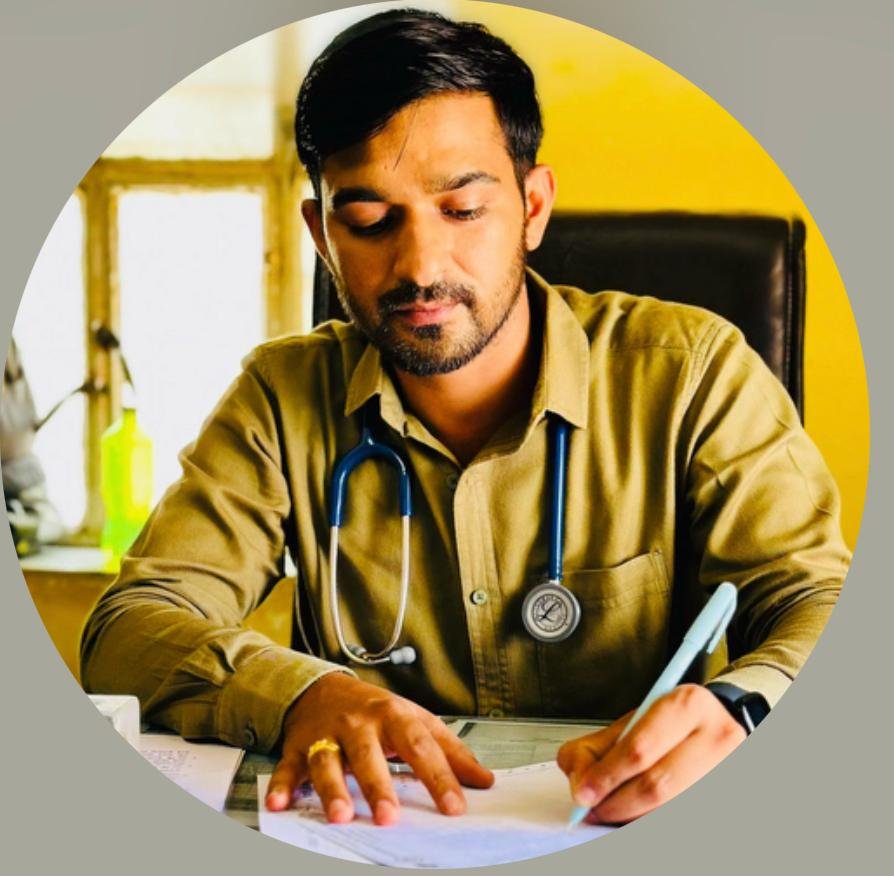
Dr. Anil Kumar
Qualification: MBBS
Speciality: General Medicine
Registration Number: RMC-79836
Years of Experience: 7 Years
This article has been medically reviewed by Dr. Anil Kumar for clinical accuracy. However, it is intended for educational purposes and does not constitute personalized medical advice. Always consult your treating physician for decisions specific to your patient’s condition.
Ready to Train Your Family Caregiver in Patna?
Get a personalized training assessment for your family’s specific needs. Our qualified nurses will train your caregiver at your home, using your actual equipment, in Hindi or English.