Doctor Home Visit Services in Patna: When Should You Choose a Doctor Consultation at Home?
Getting a doctor to visit your home in Patna is not a luxury. For elderly parents, post-surgery patients, and anyone who cannot easily travel, a home consultation can mean the difference between timely care and delayed treatment. This guide explains exactly when a doctor home visit is the right choice, what happens during one, and how it connects to ongoing nursing and care services.
What Is a Doctor Home Visit?
A doctor home visit means a registered medical practitioner comes to your home to examine the patient, assess their health condition, prescribe or adjust medication, and guide further care. The doctor carries basic diagnostic tools and can evaluate vital signs, review medical history, and make clinical decisions without requiring the patient to travel.
In Patna, where many families live in areas like Kankarbagh, Rajendra Nagar, Boring Road, and Danapur, getting to a hospital during peak traffic or in extreme weather can take over an hour. For an elderly person with knee pain, a post-surgery patient who cannot sit for long, or a bedridden family member, this travel itself becomes a health risk.
A doctor home visit removes this barrier. The consultation happens in the patient’s own environment, where the doctor can also observe living conditions, medication storage, mobility challenges, and caregiver capacity — things that are impossible to assess in a hospital OPD.
Who Benefits Most from a Home Doctor Visit?
Doctor home visits are most valuable for patients who face genuine barriers to hospital travel. While anyone can request one, the following groups benefit the most in practical, clinical terms.
Elderly Patients With Limited Mobility
Seniors above 70 often have joint pain, muscle weakness, balance problems, or fatigue that makes hospital visits exhausting. In Patna’s summer heat and monsoon humidity, the physical stress of travelling, waiting in queues, and sitting in crowded OPDs can worsen their condition. A home visit allows the doctor to assess them in a safe, familiar setting.
Many elderly patients in Patna live alone or with a spouse who is also ageing. For them, arranging transport, navigating hospital buildings, and managing prescriptions becomes a significant burden. Regular home visits by a doctor reduce this dependency on external help for routine medical needs.
Post-Surgery and Post-Hospitalisation Patients
After surgery — whether orthopaedic, cardiac, abdominal, or neurological — patients need clinical follow-up within days of discharge. Stitches may need checking, wounds need assessment, and medication needs adjustment. Taking a fresh surgical patient back to the hospital for a simple follow-up increases infection risk and causes unnecessary pain.
A doctor home visit at this stage ensures the recovery is on track, identifies early signs of complications like wound infection or deep vein thrombosis, and adjusts pain management — all without moving the patient.
Bedridden or Paralysed Patients
Patients who are completely bedridden due to stroke, spinal injury, advanced neurological conditions, or severe arthritis cannot be transported easily. Moving them requires multiple people, an ambulance in some cases, and carries risks like dislodging tubes, aggravating wounds, or causing pain.
For these patients, a doctor home visit is often the only practical way to receive regular clinical assessment. The doctor can check for pressure sores, evaluate catheter and tube function, assess respiratory status, and adjust care plans while the patient remains in bed.
Chronic Disease Patients Requiring Regular Monitoring
Patients with diabetes, hypertension, heart failure, COPD, kidney disease, or Parkinson’s need regular medical review. Their medication dosages change based on blood sugar levels, blood pressure trends, weight changes, and symptom patterns. Instead of monthly hospital visits, a doctor can visit at home, review home monitoring logs maintained by the nurse or family, and adjust treatment in real time.
Palliative and End-of-Life Care Patients
Patients with advanced cancer, end-stage organ disease, or terminal conditions benefit enormously from home doctor visits. The focus shifts from cure to comfort — managing pain, breathlessness, nausea, and anxiety. Taking such patients to a hospital repeatedly serves no clinical purpose and reduces their quality of life.
Families Living Outside Patna
Many children of elderly parents in Patna work in Delhi, Mumbai, Bangalore, or abroad. They cannot accompany their parents to every hospital visit. Through AtHomeCare’s doctor home visit service, they can book consultations remotely, receive detailed reports after each visit, and stay informed about their parent’s health without being physically present.
When Should You Choose a Home Consultation?
Choosing a doctor home visit is not about convenience alone. There are specific clinical and practical situations where a home consultation is medically appropriate and often safer than a hospital visit.
Routine Health Check-Ups for Elderly Family Members
If your parent is above 65 and has not seen a doctor in the last 2 to 3 months, a home check-up is overdue. The doctor will check blood pressure, pulse, oxygen saturation, blood sugar, weight, and general physical condition. They will review all current medications for interactions or dosage issues, assess mental status and cognitive function, and check for signs of common elderly problems like urinary tract infections, dehydration, and skin breakdown.
New or Worsening Symptoms That Need Assessment
If an elderly family member develops sudden confusion, increased breathlessness, persistent cough, swelling in the legs, chest discomfort, sudden weakness on one side, or a significant change in appetite or behaviour, a doctor should assess them promptly. Waiting for the next planned hospital visit can be dangerous. A home visit allows the doctor to evaluate whether the symptom requires hospital admission or can be managed at home.
After Hospital Discharge
The first 72 hours after hospital discharge are the most vulnerable period for any patient. Medication changes made in the hospital need to be reviewed at home. The transition from hospital to home care often creates gaps — new medicines may not have been picked up, dosage instructions may be unclear, and the home environment may not be prepared for the patient’s needs.
A doctor home visit within 48 to 72 hours of discharge helps bridge this gap. The doctor verifies that the discharge plan is being followed, checks for early signs of readmission risk, and communicates directly with the home nursing team.
Medication Review and Adjustment
Elderly patients often take 5 to 10 different medicines. Over time, dosages need adjustment due to changing kidney function, weight loss, drug interactions, or new symptoms. A doctor home visit specifically for medication review can prevent problems like dizziness from overmedication, bleeding from blood thinner doses that are too high, or uncontrolled blood sugar because insulin doses were not updated.
Wound and Surgical Site Assessment
If a patient has a surgical wound, a diabetic foot ulcer, a pressure sore, or any other wound that needs professional assessment, a doctor can evaluate it at home. They check for signs of infection, decide whether dressing changes by a nurse are sufficient, or determine if the wound needs hospital-based intervention.
Coordinating Home Healthcare Services
Sometimes a home visit is needed not because the patient is acutely unwell, but because the overall care plan needs a doctor’s oversight. If you are starting home nursing services in Patna, setting up a home ICU, or arranging physiotherapy at home, a doctor’s initial assessment ensures the right services are prescribed at the right intensity.
- Routine health check-up for a family member above 65
- New symptoms like breathlessness, swelling, confusion, or persistent pain
- Within 72 hours of hospital discharge
- Medication review for patients on multiple drugs
- Wound or surgical site assessment
- Before starting or changing home nursing or physiotherapy services
- Regular monitoring for stable chronic conditions
- Palliative care symptom management
When Is a Home Visit Not the Right Choice?
Being clear about the limitations of home visits is important for patient safety. There are situations where going to a hospital is the correct decision, and requesting a home visit would cause dangerous delays.
| Situation | Why Hospital Is Needed |
|---|---|
| Chest pain or suspected heart attack | Needs immediate ECG, blood tests, and possible catheterisation lab — only available in hospital |
| Stroke symptoms (sudden weakness, speech difficulty, facial droop) | Time-critical: clot-busting treatment must be given within 4.5 hours in a hospital |
| Severe breathing difficulty | May need oxygen, nebulisation, chest X-ray, or ventilator support immediately |
| Loss of consciousness or seizure | Requires urgent brain imaging, blood sugar check, and neurological evaluation |
| Suspected fractures after a fall | Needs X-ray or CT scan, possible reduction or surgery |
| Severe bleeding that does not stop | May need suturing, blood transfusion, or surgical intervention |
| High fever with altered mental state | Could indicate sepsis, meningitis, or encephalitis — needs urgent lab work and possibly ICU |
| Need for MRI, CT scan, or ultrasound | Imaging equipment cannot be brought to home |
| Scheduled surgery or procedure | Must be performed in an operating theatre or procedure room |
What Happens During a Doctor Home Visit?
Understanding what to expect helps families prepare and reduces anxiety. A typical doctor home visit in Patna through AtHomeCare follows a structured clinical process.
Step 1: Arrival and Handover
The doctor arrives at the scheduled time. If a home nurse or attendant is already present, the doctor first receives a brief handover — current vitals, any changes since the last visit, medication adherence, and specific concerns the nurse has noted. This handover ensures the doctor has context before seeing the patient.
Step 2: Patient History and Symptom Review
The doctor talks to the patient and the family. They ask about new symptoms, changes in appetite, sleep quality, pain levels, bowel and bladder function, and any difficulties with daily activities. For patients with cognitive impairment, the doctor relies more on the caregiver’s observations.
Step 3: Physical Examination
The examination is adapted to the home setting but covers the essentials:
- Vital signs: Blood pressure, pulse rate, respiratory rate, temperature, and oxygen saturation using a pulse oximeter
- Cardiovascular: Listening to the heart for murmurs or irregular rhythms
- Respiratory: Checking lung sounds for wheezing, crackles, or reduced air entry
- Abdominal: Palpating for tenderness, organ enlargement, or fluid accumulation
- Neurological: Testing reflexes, muscle strength, coordination, and mental status for relevant patients
- Skin and wounds: Inspecting surgical sites, pressure sores, or diabetic foot ulcers
- Mobility: Observing how the patient moves, transfers from bed to chair, and walks if applicable
Step 4: Review of Home Medications
The doctor physically checks all medicine bottles, strips, and prescriptions in the home. This is a critical step that rarely happens in hospital OPDs. The doctor looks for expired medicines, incorrect dosages being taken, duplicate drugs from different doctors, and drugs that may no longer be needed.
Step 5: Environmental and Caregiver Assessment
Because the visit happens at home, the doctor can observe factors that affect health: Is the room well-ventilated? Are there tripping hazards? Is the patient’s bed appropriate for their condition? Is the caregiver able to manage the current care load? These observations often lead to practical recommendations that improve safety and comfort.
Step 6: Clinical Decision and Treatment Plan
Based on the assessment, the doctor either adjusts the current treatment plan or recommends further action. This could include:
- Changing medication dosages or adding new prescriptions
- Ordering lab tests through home sample collection
- Recommending specific nursing procedures like wound dressing or catheter change
- Advising hospital visit for imaging or specialist consultation
- Adjusting the home nursing care plan (frequency, tasks, monitoring parameters)
- Providing guidance on diet, fluid intake, activity level, and positioning
Step 7: Documentation and Reporting
After the visit, the doctor prepares a written consultation note. This includes findings, diagnosis or assessment, treatment changes, and specific instructions for the nursing team and family. AtHomeCare shares this report with the family, including those living outside Patna, through digital communication.
How Doctors Coordinate Follow-Up Care
A single doctor visit is useful, but its real value comes from how it connects to ongoing care. AtHomeCare operates an integrated care model where the doctor, nurse, attendant, and family work as a coordinated team.
The Shared Care Plan
After each doctor visit, a care plan is created or updated. This document specifies exactly what the home nurse should do: which vitals to check and how often, what warning signs to watch for, what medications to administer and when, what wound care or tube care is needed, and when to call the doctor again. The nurse follows this plan between doctor visits, ensuring continuity.
Nurse-to-Doctor Communication
If the home nurse notices a change in the patient’s condition — a sudden drop in blood pressure, increasing wound redness, new confusion, or refusal to eat — they do not wait for the next scheduled doctor visit. They contact the doctor through AtHomeCare’s internal communication system. The doctor then decides whether to visit immediately, give telephonic advice, or recommend hospital transfer.
Scheduled Follow-Up Visits
The doctor sets the next visit date based on clinical need. For stable patients, this might be every 2 to 4 weeks. For recently discharged or unstable patients, it could be every 3 to 7 days. The visit frequency is not fixed — it changes as the patient’s condition improves or deteriorates.
Lab Test Coordination
If the doctor orders blood tests, urine tests, or other diagnostics, AtHomeCare arranges sample collection from home through its diagnostic lab partners in Patna. The reports are sent to the doctor, who reviews them and communicates the results and any treatment changes to the family and nursing team.
Specialist Referral Pathway
If the home doctor identifies a condition that needs specialist input — such as a cardiologist for heart failure management or a neurologist for seizure control — they provide a detailed referral note. The family can then take the patient to the specialist with all relevant records from the home visits, making the hospital consultation more productive.
Day of Visit
Doctor assesses patient, updates care plan, gives written instructions to nurse and family, orders any needed tests.
Day 1 to 3
Home nurse implements care plan — vitals monitoring, medication administration, wound care. Lab samples collected if ordered.
Day 3 to 5
Lab reports reviewed by doctor. Treatment adjustments communicated to nurse and family. Nurse reports any changes in patient condition.
Day 7 to 14
Follow-up doctor visit if scheduled. Care plan updated based on progress. Visit frequency adjusted.
Ongoing
Cycle continues. As patient stabilises, visit frequency reduces. Nursing support may be scaled down or adjusted to maintenance level.
When Nursing or Other Home Healthcare Support Is Needed Alongside Doctor Visits
A doctor home visit provides clinical assessment and decision-making. But most patients also need hands-on daily care that only a nurse, attendant, or therapist can provide. Understanding when each type of support is needed helps families build the right care package.
Home Nursing Services
A trained nurse is needed when the patient requires medical procedures at home. This includes wound dressing and wound care, injection administration (intramuscular, subcutaneous, or intravenous), catheter insertion and care, Ryle’s tube feeding, tracheostomy care, stoma care, vitals monitoring, and medication management. The doctor prescribes what the nurse should do, and the nurse executes it between doctor visits.
In Patna, AtHomeCare provides specialized nursing services including GNM and BSc nurses who are trained in these procedures and supervised regularly.
Patient Care Attendants
Not every patient needs a nurse. Many elderly patients need help with daily activities — bathing, dressing, eating, toileting, moving around the house, and companionship. For this, a patient care attendant (also called a caregiver or GDA) is the right choice. They are trained in basic care but do not perform medical procedures.
The doctor visiting at home can assess whether the patient needs a nurse, an attendant, or both. This assessment prevents families from paying for a nurse when an attendant would suffice, or from relying on an untrained attendant when medical procedures are needed.
Physiotherapy at Home
For patients recovering from stroke, hip or knee replacement, spinal surgery, or severe weakness, physiotherapy is essential. The doctor can prescribe specific physiotherapy goals, and a physiotherapist visits at home to provide exercises, mobility training, and rehabilitation. Physiotherapy at home is particularly valuable for patients who cannot travel to a clinic regularly.
Medical Equipment at Home
Some patients need medical equipment as part of their home care. This could include an adjustable hospital bed, BiPAP machine, oxygen concentrator, multipara monitor, suction apparatus, or wheelchair. The doctor assesses which equipment is needed, and AtHomeCare arranges rental or purchase through its medical equipment service.
Home ICU Setup
For critically ill patients who cannot be in a hospital — due to family preference, long-term ventilation needs, or palliative goals — a home ICU can be set up. This involves deploying a ventilator, monitor, suction machine, oxygen supply, and 24-hour ICU-trained nursing care at home. The doctor oversees this setup through frequent visits and remote monitoring.
Pharmacy and Medication Delivery
After the doctor prescribes medicines, AtHomeCare’s integrated pharmacy service can deliver them to the home in Patna. This is especially useful for elderly patients who cannot go to a pharmacy, or for families who want to ensure the correct medicines are procured without confusion.
| Service Type | What It Includes | When It Is Needed |
|---|---|---|
| Doctor Home Visit | Clinical assessment, diagnosis, prescription, care plan | Initial assessment, follow-ups, medication review, symptom evaluation |
| Home Nursing | Wound care, injections, catheter care, vitals, tracheostomy care, Ryle’s tube feeding | Post-surgery, bedridden patients, patients with medical devices, chronic wound management |
| Patient Care Attendant | Bathing, feeding, mobility help, companionship, basic hygiene | Elderly needing daily living support, patients without medical procedures |
| Physiotherapy | Exercises, mobility training, strength building, gait training | Post-stroke, post-surgery, joint problems, muscle weakness, fall recovery |
| Medical Equipment | Hospital bed, BiPAP, oxygen, monitor, wheelchair on rent or purchase | Respiratory support, bedridden care, mobility limitation, home ICU |
| Pharmacy Delivery | Prescription medicines delivered to home | Elderly who cannot travel, complex medication regimens, post-discharge |
Home Visit vs Hospital OPD: A Clear Comparison
Families often wonder whether a home visit is as good as going to the hospital. The answer depends on what the patient needs. Here is an honest comparison based on clinical practicality.
| Factor | Doctor Home Visit | Hospital OPD |
|---|---|---|
| Travel effort for patient | None — doctor comes to patient | Significant — transport, walking, waiting |
| Waiting time | Minimal — scheduled at a specific time | Often 1 to 3 hours in crowded OPDs |
| Physical examination quality | Thorough, in patient’s own environment | Thorough, in clinical setting |
| Medication review | Doctor can physically check all medicines at home | Patient must remember and list all medicines |
| Environmental assessment | Yes — doctor sees living conditions, safety hazards | No — not possible in hospital |
| Caregiver interaction | Doctor talks to nurse and family in the care setting | Limited — family may not accompany patient |
| Lab tests | Can be arranged via home collection | Available on-site, faster results |
| Imaging (X-ray, CT, MRI) | Not available — must go to diagnostic centre | Available or easily accessible |
| Emergency procedures | Not available — must transfer to hospital | Available immediately |
| Specialist access | Limited — depends on doctor network | Multiple specialists available in one location |
| Cost per visit | Slightly higher (includes travel) | Lower consultation fee, but add travel and time costs |
| Infection exposure risk | Very low — patient stays in own home | Higher — exposure to hospital-acquired infections |
| Continuity with home care team | Seamless — doctor directly instructs home nurse | Separate from home care — family must relay instructions |
Decision Tree: Should You Book a Doctor Home Visit?
Use this simple decision guide to determine whether a home visit is appropriate for your situation. Start at the first question and follow the path that matches your case.
How AtHomeCare Doctor Home Visits Work in Patna
Understanding how the service operates helps families know what to expect and builds trust. Here is how AtHomeCare manages doctor home visits in Patna from booking to follow-up.
Booking and Triage
When you call 9910823218 or message on WhatsApp, the care coordination team collects basic information: patient age, primary medical condition, current symptoms, medicines being taken, and whether any home nursing is already in place. This information is shared with the assigned doctor before the visit so they arrive prepared.
If the reported symptoms suggest an emergency, the team advises immediate hospital visit rather than scheduling a home consultation. This triage step ensures patient safety is never compromised for the sake of booking a service.
Doctor Assignment
AtHomeCare assigns a doctor based on the patient’s medical needs. Doctors on the Patna panel are registered medical practitioners with valid credentials. Their registration details are available on request. For continuity, the same doctor is assigned for follow-up visits whenever possible.
The Visit
The doctor arrives at the scheduled time with a clinical bag containing diagnostic tools. The visit typically lasts 20 to 40 minutes depending on the complexity of the case. Family members are encouraged to be present so they can ask questions and understand the care plan.
Post-Visit Coordination
After the visit, the following happens automatically within the AtHomeCare system:
- A written consultation summary is prepared and shared with the family
- If a home nurse is assigned, the care plan is updated and communicated to the nurse
- If lab tests are ordered, sample collection is scheduled
- If medicines need to be procured, the pharmacy team is notified
- If medical equipment is recommended, the equipment logistics team is informed
- The next visit is scheduled based on the doctor’s recommendation
Quality Monitoring and Supervision
AtHomeCare monitors the quality of doctor home visits through several mechanisms. Patient feedback is collected after each visit. Clinical outcomes are tracked — for example, whether a patient’s blood pressure came under control after the medication adjustment made during the home visit. If a doctor’s assessment is flagged as incomplete or if there are concerns from the family, a senior clinician reviews the case.
Infection Prevention During Home Visits
Doctors follow hand hygiene protocols, use hand sanitiser before and after patient contact, wear masks when appropriate, and ensure that any equipment used is cleaned or disposed of properly. In the post-COVID era, these practices are standard and non-negotiable.
Emergency Escalation Protocol
If during a home visit the doctor identifies a condition that requires immediate hospital care, they do not simply advise the family to go to a hospital. They help coordinate the transfer — providing a referral note, calling the hospital if possible, advising on whether an ambulance is needed, and ensuring the patient is stabilised as much as possible while waiting for transport.
Cost and Booking Information for Doctor Home Visits in Patna
Transparency in pricing helps families make informed decisions. The cost of a doctor home visit depends on several factors.
| Factor | Details |
|---|---|
| Consultation type | Initial assessment, follow-up visit, or specialist review have different fee structures |
| Time of visit | Standard daytime visits cost less than evening, night, or weekend visits |
| Visit frequency | Package rates may be available for weekly or fortnightly recurring visits |
| Travel distance | Visits to areas on the outskirts of Patna may have a small additional travel charge |
| Additional services | Lab tests, equipment, or nursing services are billed separately from the doctor visit |
To get an exact quote for your specific situation, contact AtHomeCare directly. The team will provide the cost before confirming the booking, with no hidden charges.
How to Book
- Phone: Call 9910823218 (corporate) or +91-9229662730 (Patna regional)
- WhatsApp: Message 9910823218 with patient details
- Email: care@athomecare.in
When booking, keep the following information ready:
- Patient’s full name, age, and address in Patna
- Primary medical condition and current symptoms
- List of current medicines (a photo of the medicine strips is helpful)
- Any recent hospital discharge summaries or medical reports
- Whether a home nurse or attendant is already present
- Preferred date and time for the visit
How to Prepare for a Doctor Home Visit
Good preparation helps the doctor make the most of the visit. Here is a practical checklist for families.
Before the Doctor Arrives
- Gather all current medicines in one place — including allopathic, Ayurvedic, and supplements
- Keep recent medical reports, discharge summaries, and lab results accessible
- Note down specific concerns or questions you want to ask
- Ensure the room where the consultation will happen has good lighting
- If the patient uses a blood pressure monitor, glucometer, or other devices at home, keep them nearby
- If a home nurse is present, ask them to prepare a brief handover note
- Inform the doctor’s team about any pets, narrow staircases, or parking constraints at your location
During the Visit
- Be present in the room unless the patient prefers privacy
- Do not interrupt the examination, but do ask questions when the doctor invites them
- If you do not understand something, ask the doctor to explain in simple language
- Take notes or ask the doctor to write down key instructions
- If the doctor recommends hospital visit, ask which hospital and which specialist
After the Visit
- Read the consultation report carefully
- Ensure the home nurse (if any) understands the updated care plan
- Purchase or arrange delivery of any new prescriptions promptly
- Schedule the next visit as recommended
- Share the report with family members who were not present
Safety, Quality, and Doctor Verification at AtHomeCare
Allowing a doctor into your home requires trust. AtHomeCare follows specific operational practices to ensure that the doctors visiting your home are qualified, verified, and accountable.
Doctor Credential Verification
Every doctor on the AtHomeCare panel is a registered medical practitioner with a valid registration number from a recognised medical council. Registration details can be verified on the respective state medical council website. Families can ask for the doctor’s registration number at any time.
Clinical Supervision
Doctors working with AtHomeCare operate under clinical supervision protocols. Complex cases are discussed with senior clinicians. If a home visit reveals a condition outside the doctor’s area of expertise, a referral is made rather than attempting to manage it inappropriately.
Ongoing Training
Doctors in the AtHomeCare network receive periodic updates on clinical guidelines, home care best practices, and communication standards. This is especially important for geriatric care, where treatment approaches evolve based on new evidence.
Patient Feedback Loop
After every home visit, families are contacted for feedback. This is not a formality — negative feedback triggers a review by the clinical team. If the same doctor receives repeated concerns, their association with AtHomeCare is reassessed.
Background and Identity Verification
Beyond medical credentials, doctors and all AtHomeCare staff undergo identity verification. When the doctor arrives at your home, you can verify their identity through the ID card they carry and by cross-checking with the care coordination team on phone.
Frequently Asked Questions About Doctor Home Visits in Patna
How quickly can a doctor reach my home in Patna?
AtHomeCare typically arranges a doctor home visit in Patna within 2 to 4 hours for scheduled requests. For urgent but non-emergency situations, the response time may be shorter depending on doctor availability and your location within the city. It is best to call as early in the day as possible for same-day visits. For planned follow-ups, you can schedule a specific time slot a day or two in advance.
What medical equipment does the doctor bring during a home visit?
The doctor carries a clinical bag with a stethoscope, blood pressure monitor, pulse oximeter, thermometer, glucometer, otoscope, and basic diagnostic tools. For specific needs like wound care or catheter checks, additional supplies are arranged in advance if communicated during booking. However, the doctor does not carry large equipment like ECG machines, X-ray units, or ultrasound devices — these require hospital or diagnostic centre visits.
Is a doctor home visit as thorough as a hospital OPD consultation?
For clinical assessment, vital checks, medication review, and ongoing condition management, a home visit can be equally thorough. In some ways, it is more thorough because the doctor can see the patient’s living conditions, check all medicines physically, and interact with the home care team. However, if you need imaging, lab tests, or procedures like ECG or X-ray, the doctor will guide you on where to get these done and coordinate the results.
Can a doctor prescribe medicines during a home visit in Patna?
Yes. A registered medical practitioner can write a valid prescription during a home consultation. The prescription can then be used at any pharmacy. AtHomeCare also offers integrated pharmacy support for medication delivery in Patna, which is helpful when the patient or family cannot easily visit a pharmacy.
What types of doctors are available for home visits in Patna?
AtHomeCare provides general physicians, geriatric specialists, internal medicine doctors, and post-operative care physicians for home visits in Patna. For specialist consultations like cardiology or neurology, a home visit can be arranged for assessment and monitoring, with referrals for advanced diagnostics if needed. The specific availability depends on the current doctor panel, so it is best to discuss your specific medical need when booking.
How much does a doctor home visit cost in Patna?
The cost depends on the type of consultation, time of visit, and whether follow-up visits are bundled. AtHomeCare provides transparent pricing before confirmation. Contact 9910823218 or care@athomecare.in for current rates specific to Patna. There are no hidden charges — you will know the exact cost before the doctor is dispatched.
My elderly parent cannot travel. Can a doctor visit for a routine check-up?
Absolutely. Routine health check-ups are one of the most common reasons for elderly doctor home visits in Patna. The doctor checks vitals, reviews medications, assesses mobility and cognitive status, and adjusts treatment plans without the stress of travel. For elderly patients who have not seen a doctor in months, a home check-up is an important step in preventing health problems from going undetected.
What if the doctor finds something serious during the home visit?
If the doctor identifies a condition requiring hospital-level care, they will explain the situation clearly to the family, provide immediate stabilisation if possible, and help coordinate an emergency transfer or admission to an appropriate hospital in Patna. The doctor will provide a referral note with clinical findings so that the hospital team has immediate context. AtHomeCare’s care coordination team can also assist with hospital logistics if needed.
Can a doctor home visit replace going to the hospital entirely?
No. Home visits are ideal for monitoring, follow-ups, routine checks, and managing stable chronic conditions. They cannot replace hospital visits when you need surgery, advanced diagnostics like MRI or CT scan, emergency care, or specialist procedures. The best approach for most patients is a combination: home visits for ongoing management and hospital visits when advanced services are needed.
How do I prepare for a doctor home visit?
Keep the patient’s current prescriptions, previous medical reports, a list of symptoms or concerns, and any ongoing medication schedule ready. Ensure good lighting in the room where the consultation will happen. If the patient uses medical devices at home, keep those accessible for review. Having all medicines in one place is particularly helpful because the doctor will review them physically — this is one of the unique advantages of a home visit over a hospital visit.
Does AtHomeCare provide doctor home visits at night in Patna?
Yes, AtHomeCare arranges doctor home visits during extended hours in Patna, including evenings and nights, subject to availability. Night visits are typically prioritised for urgent medical needs rather than routine check-ups. If you need a night visit, call the Patna regional number at +91-9229662730 to check availability. There may be an additional charge for visits outside standard daytime hours.
How does the doctor coordinate with the home nurse or attendant?
The doctor provides written instructions to the nursing team or attendant after each visit. These include medication changes, vitals monitoring frequency, wound care protocols, and warning signs to watch for. AtHomeCare uses a shared care plan so the nurse, doctor, and family stay aligned. If the nurse notices a change between visits, they contact the doctor through AtHomeCare’s internal system for guidance.
My father had a stroke and cannot move. Can a doctor assess him at home?
Yes. Post-stroke patients who cannot travel are ideal candidates for doctor home visits. The doctor assesses motor function, speech, swallowing ability, medication effectiveness, and risk of complications like deep vein thrombosis or aspiration pneumonia, and coordinates with physiotherapy and nursing teams. Regular home visits are particularly important in the first few months after a stroke when recovery is most active and complications are most likely.
Can a doctor visit help manage my mother’s diabetes and blood pressure at home?
Yes. Regular doctor home visits are effective for managing diabetes and hypertension in elderly patients. The doctor monitors blood sugar and blood pressure trends, adjusts medication dosages, checks for complications like diabetic foot ulcers, and ensures the home nursing team follows the care plan. This ongoing monitoring often achieves better control than occasional hospital visits because the doctor sees the patient’s daily patterns through the nurse’s records.
What is the difference between a doctor home visit and a nurse visit?
A doctor diagnoses conditions, prescribes medication, and makes clinical decisions. A nurse provides ongoing care like wound dressing, injection administration, catheter care, and vital monitoring. In practice, they work together — the doctor visits periodically to assess and adjust the plan, while the nurse handles daily care. For most patients, both are needed: the nurse for daily hands-on care and the doctor for periodic clinical oversight.
How often should an elderly person have a doctor home visit?
For stable elderly patients, once every 2 to 4 weeks is common. For patients with multiple chronic conditions, recent hospital discharge, or active symptom changes, weekly visits may be recommended. The doctor adjusts the visit frequency based on clinical need. It is not a fixed schedule — the doctor may increase frequency during an illness and reduce it when the patient is stable.
Can I request a specific doctor for home visits?
You can express a preference, and AtHomeCare will try to accommodate it based on the doctor’s availability and schedule in Patna. For continuity of care, it is beneficial to have the same doctor for follow-up visits when possible. Mention your preference at the time of booking, and the care coordination team will check availability.
What happens if the patient needs lab tests during a home visit?
The doctor can order lab tests and AtHomeCare coordinates sample collection from home through its network of diagnostic partners in Patna. Reports are shared with the doctor, who then reviews them and updates the treatment plan during the next visit or via a call. Common tests arranged this way include complete blood count, blood sugar, kidney function, liver function, thyroid panel, and urine analysis.
Is a doctor home visit covered by insurance in Patna?
Coverage depends on your insurance policy. Some health insurance plans cover home visit consultations, especially if they are part of a post-hospitalisation recovery plan. Check with your insurance provider. AtHomeCare can provide invoices and documentation needed for claims. If your policy covers domiciliary treatment (treatment at home), doctor home visits may fall under this category.
My child is working abroad. Can they book a doctor home visit for me in Patna?
Yes. Many NRI families book doctor home visits for their parents in Patna through AtHomeCare. The booking can be done over phone or WhatsApp. After the visit, a detailed report is shared with the family member abroad, ensuring they stay informed about their parent’s health. This arrangement gives NRI children peace of mind knowing that a doctor is regularly checking on their parents even from a distance.
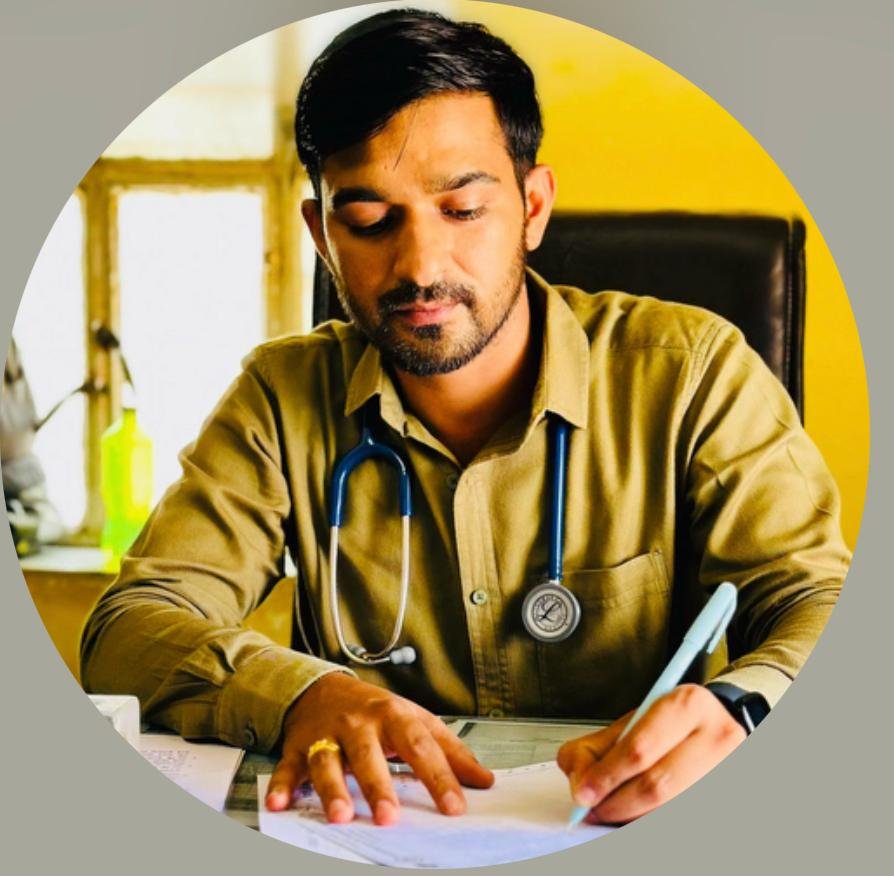
Medical Review Details
- Doctor Name
- Dr. Anil Kumar
- Qualification
- MBBS
- Speciality
- General Medicine
- Registration Number
- RMC-79836
- Years of Experience
- 7 Years
- Review Date
- 10 July 2025
Need a Doctor to Visit Your Home in Patna?
Whether it is a routine check-up for your elderly parent, a post-surgery follow-up, or a medication review, our doctors are ready to come to your home. Call now to discuss your needs and book a visit.