How to Manage Doctor Appointments and Follow-Up Care at Home in Patna for Elderly Patients
A practical, step-by-step guide for families in Patna on preparing for follow-up visits, tracking recovery at home, coordinating medicines and tests, and deciding when a home doctor visit is the safer choice for your elderly parent after hospitalization or treatment.
Why Follow-Up Care Matters for Elderly Patients in Patna
Many families in Patna believe that once their elderly parent is discharged from a hospital like PMCH, IGIMS, or Paras HMRI, the hardest part is over. In reality, the days and weeks after discharge carry significant medical risk. Studies show that nearly 20 percent of elderly patients in India are readmitted within 30 days of discharge, and most of these readmissions are preventable with proper follow-up care.
Elderly patients in Patna face specific challenges that make follow-up care even more critical. The city’s hot and humid summers can worsen dehydration and wound healing. Monsoon season increases infection risk. Winter brings joint stiffness and respiratory complications for seniors with existing conditions. Traffic congestion on roads like Bailey Road, Kankarbagh, and Boring Road makes hospital visits physically exhausting for frail patients. Many elderly patients live in homes without lifts, making even short trips difficult.
Follow-up care is not just about showing up for an appointment. It includes preparing for that appointment, tracking symptoms daily at home, giving medicines correctly on time, getting lab tests done, coordinating with nurses and physiotherapists, and knowing when a situation has become urgent. When any of these steps are missed, the patient’s recovery suffers.
Who Needs Follow-Up Care Most?
Follow-up care is essential for elderly patients who have been hospitalized for surgery, stroke, heart attack, severe infection, COPD worsening, or any condition requiring ICU stay. It is equally important for patients managing chronic conditions like diabetes, hypertension, kidney disease, or dementia where medicine doses and health status need regular review.
In Patna, many families try to manage all of this alone. A working son or daughter may take a day off to accompany their parent to the hospital, but between visits, there is often no one monitoring the patient’s vitals, medicine intake, or symptom changes. This gap is where complications develop silently. This is why elderly care Patna services that provide home-based follow-up support have become essential for families who cannot be present around the clock.
The First 72 Hours After Discharge: What Families Must Do
When an elderly patient leaves the hospital in Patna, the family typically receives a discharge summary, a list of medicines, and some verbal instructions. Most families focus on getting the patient home comfortably and then relax, assuming things will improve on their own. This is a dangerous assumption.
Immediate Tasks Within the First 6 Hours
- Read the entire discharge summary carefully. Do not skim it. Every line matters.
- Count all medicines against the prescription. Check if you have received the exact drugs, doses, and quantities prescribed.
- Confirm the first follow-up appointment date, time, and doctor’s name. Write it down in more than one place.
- Set up the patient’s resting area with easy access to water, a urinal or commode, medicines, and a phone.
- If any medical equipment was prescribed (oxygen concentrator, air mattress, walker), ensure it is delivered and set up before the patient needs it.
Tasks Within 24 to 48 Hours
- Begin a daily health log. Record temperature, blood pressure if a monitor is available, pulse, medicine times, food intake, and any complaints from the patient.
- Observe the patient’s mental state. Confusion, excessive sleepiness, or unusual behavior can signal complications.
- Check surgical wounds, if any, for redness, swelling, or discharge. Take a photo if possible to compare at the next visit.
- Confirm that a family member or caregiver will be present for the next 48 hours at minimum.
- If the patient is on a special diet (diabetic, low salt, renal), ensure the kitchen is stocked accordingly.
Elderly patients often do not show dramatic symptoms even when something is going wrong internally. A slight increase in breathing rate, a small change in alertness, or reduced urine output can be the only signs of a developing complication. These are easy to miss without structured monitoring. If you have arranged home nursing services in Patna, the nurse will catch these early signs. If you are managing alone, you must be deliberately observant.
Preparing for Follow-Up Doctor Appointments
A follow-up appointment is typically short. Doctors in Patna’s busy hospitals may have only 5 to 10 minutes per patient. If you arrive without organized information, most of that time gets wasted in searching for papers or trying to remember when a symptom started. With proper preparation, you can use those same minutes to get clear, actionable guidance.
Documents to Carry
| Document | Why It Matters | Where to Keep It |
|---|---|---|
| Discharge summary | Contains the diagnosis, treatment given, and planned follow-up | Top of your folder |
| All prescription papers | Shows medicine names, doses, and duration clearly | Sorted by date |
| Current medicine list | A handwritten list of what the patient is actually taking right now | On a separate page, easy to read |
| Lab reports done after discharge | Helps the doctor see if values are improving or worsening | Chronological order, newest on top |
| Daily health log | Shows trends in temperature, BP, and symptoms | Highlight any abnormal readings |
| X-ray, CT, or MRI films or CDs | Needed if the doctor wants to compare with previous images | In a protective cover |
| Patient ID and insurance card | Required at most hospital registration counters | Easy-access pocket |
Questions to Write Down Before the Visit
Write these questions on a piece of paper and bring them with you. Check each one off as the doctor answers it:
- Is the recovery progressing as expected, or is anything concerning?
- Which medicines can be stopped, reduced, or changed?
- Are there any side effects I should watch for from the current medicines?
- What specific warning signs mean we should come back immediately?
- When is the next follow-up due, and what tests are needed before it?
- Should we continue physiotherapy, and has the plan changed?
- Are there any diet or lifestyle changes needed now?
- Can a doctor home visit be arranged for the next review if travel is difficult?
Hospitals in Patna like PMCH and IGIMS have large campuses and limited parking. Arrive at least 30 minutes early. If your parent uses a wheelchair, try to arrange for a porter in advance. During summer months, carry a water bottle and a hand fan. If you have an afternoon appointment, try to avoid peak heat hours between 12 PM and 3 PM for the patient’s comfort.
Tracking Symptoms and Recovery Progress at Home
Most families rely on memory when the doctor asks how the patient has been. They might say “he has been fine” or “she had some fever last week.” This is imprecise and often misses important details. A written or digital log changes this completely.
What to Track Daily
| Parameter | How to Measure | When to Record | When to Worry |
|---|---|---|---|
| Temperature | Digital thermometer, under arm or forehead | Morning and evening | Above 99.5°F or below 96°F |
| Blood pressure | Automatic BP monitor at home | Morning and evening, same time daily | Above 160/100 or below 90/60 |
| Blood sugar | Glucometer (for diabetic patients) | Fasting and 2 hours after meals | Fasting above 180 or below 70 |
| Oxygen level | Pulse oximeter | Twice daily or if breathless | Below 93% on room air |
| Appetite | Estimate meals eaten vs offered | After each meal | Skipping 2 or more meals in a row |
| Urine output | Approximate number of times and amount | Throughout the day | Very reduced output or dark color |
| Sleep quality | Hours slept, number of awakenings | Each morning | Unable to sleep for 2+ nights |
| Pain level | Ask patient to rate 0 to 10 | Morning and evening | Pain increasing despite medicine |
| Bowel movements | Frequency and consistency | As they occur | No movement for 3+ days or diarrhea |
| Wound status | Visual check for redness, swelling, discharge | Daily, during dressing change | Increasing redness, pus, or bad smell |
Use a simple notebook with columns for Date, Time, Parameter, Value, and Notes. Keep this notebook and all measuring devices (thermometer, BP monitor, glucometer, oximeter) in one place, ideally on a tray next to the patient’s bed. If a home nurse is assigned, they will maintain clinical records as part of their standard duty. Ask them to share the log with you daily so you stay informed.
Managing Doctor Instructions at Home
When a doctor in Patna gives instructions at discharge, they are speaking from clinical experience about what the patient needs to recover. But those instructions have to travel through multiple layers: the doctor speaks to the family, the family tries to remember everything, then they try to explain it to a caregiver or attendant at home, and that person has to actually follow through daily. At each step, something gets lost or changed.
Common Instruction Categories and How to Manage Them
Medicine Instructions
Write down every medicine with its exact timing on a chart. Stick this chart on the wall where medicines are kept. Do not rely on verbal instructions passed to an attendant. If the doctor says “take this before food,” confirm whether that means 30 minutes before or just before the first bite. These details affect how the drug works.
Diet Instructions
If the doctor has prescribed a specific diet — low salt for heart patients, low potassium for kidney patients, sugar-free for diabetics — write down exactly what foods are allowed and what is forbidden. Share this list with whoever cooks at home. In Patna, where meals often include dal, rice, sabzi, and roti, small modifications like reducing salt in dal or avoiding certain vegetables can make a real difference.
Activity Restrictions
Many elderly patients are told not to walk without support, not to bend, not to lift weight, or not to sit up for long periods after surgery. These restrictions exist to prevent complications like wound reopening, falls, or blood clots. Write the restrictions clearly and explain them to every family member and caregiver so no one accidentally encourages the patient to do something risky.
Wound Care Instructions
If the patient has a surgical wound, the doctor will specify how often to change the dressing, what antiseptic to use, and what signs of infection to watch for. If a home nurse is handling wound care, ensure they follow the exact protocol. Do not substitute antiseptics or skip dressing changes because the wound “looks fine.” Infections can develop underneath the surface.
In Patna, it is common for well-meaning relatives or neighbors to suggest home remedies, alternative medicines, or changes to the doctor’s plan. While some advice may be harmless, some can be dangerous. An elderly patient on blood thinners should not take turmeric supplements without asking the doctor. A diabetic patient should not stop insulin because someone said a herbal remedy works better. Always run any changes through the treating doctor first.
Coordinating Medicines: The Biggest Risk Area
Elderly patients in Patna are often on five to ten different medicines after a hospital stay. Each has a different schedule — some before food, some after, some in the morning, some at night, some weekly. For a family managing this without a system, errors are almost guaranteed.
The Medicine Chart System
Create a chart with columns for Medicine Name, Dose, Timing, Food Relation (before/after/with food), and Special Instructions. Fill this chart using the discharge prescription. Review it with the pharmacist if anything is unclear. Stick this chart where medicines are stored.
Pill Organizers
Buy a pill organizer with at least four compartments per day: morning, afternoon, evening, and night. Fill it once a week. This makes it immediately obvious if a dose was missed — an empty compartment that should have been taken. Pill organizers cost very little but prevent significant errors.
Medicine Reconciliation After Every Doctor Visit
Every time you visit the doctor for follow-up, the doctor may add a new medicine, stop an old one, or change a dose. The moment you return home, update the medicine chart. Cross out stopped medicines. Highlight new ones. If a home nurse is present, sit with them and go through the changes together. This process is called medicine reconciliation, and it is a standard clinical practice that families should adopt at home.
How AtHomeCare Handles Medication Management
AtHomeCare’s medication monitoring service assigns a trained nurse or compounder who prepares each dose at the correct time, administers it to the patient, and records it. They watch for side effects, ensure no interactions between drugs, and reconcile the medicine list after every doctor visit. This eliminates the most common category of home care errors for elderly patients. Serving patients across Patna through our regional care network.
Coordinating Lab Tests and Diagnostic Follow-Ups
After discharge, the doctor will typically ask for blood tests at specific intervals. For a post-surgery patient, this might include a complete blood count after one week to check for infection and hemoglobin levels. For a diabetic patient starting new medicines, fasting sugar and HbA1c might be checked after two weeks. For a heart patient on blood thinners, INR needs to be checked regularly to ensure the dose is safe.
Common Follow-Up Tests for Elderly Patients
| Test | Condition It Monitors | Typical Frequency |
|---|---|---|
| Complete Blood Count (CBC) | Infection, anemia, platelet levels | Weekly for 2-4 weeks post-surgery |
| Kidney Function Test (KFT) | Kidney health, medicine side effects | Every 1-2 weeks if abnormal at discharge |
| Liver Function Test (LFT) | Liver health, medicine tolerance | Every 2-4 weeks |
| Blood Sugar (Fasting and PP) | Diabetes control | Weekly until stable, then monthly |
| INR / PT | Blood thinner dosage safety | Every 3-7 days initially |
| Electrolytes (Sodium, Potassium) | Fluid balance, kidney function | As directed, often weekly |
| Urine Routine and Culture | Urinary tract infection | If symptoms suggest infection |
| Chest X-ray | Lung recovery, fluid in lungs | As directed by the doctor |
Home Sample Collection in Patna
Several labs in Patna offer home sample collection. AtHomeCare coordinates with partnered laboratories to arrange sample collection from the patient’s home. A phlebotomist visits at a scheduled time, collects the sample, and reports are typically available within 24 to 48 hours. These reports can be shared directly with the treating doctor or reviewed during a home doctor visit.
Use a folder with clear plastic sleeves. Put the newest report in the front. Write the date on the top-right corner of each report in bold pen. When you go for the follow-up, the doctor can flip through and see the trend immediately. This simple habit saves time and helps the doctor make faster, better decisions.
When to Choose a Doctor Home Visit Over a Hospital Visit
The idea of a doctor coming to your home may feel unusual if you have always taken your parents to a hospital. But doctor home visits are a well-established medical practice, especially in geriatric care. In many countries, home visits are the standard for elderly follow-up. In India, services like AtHomeCare’s doctor home visit are making this option available in cities including Patna.
Situations Where a Home Visit Is Clearly Better
- Bedridden patients: If your parent cannot get out of bed without significant assistance, the physical act of being moved into a vehicle, carried to the hospital, and placed on a waiting room chair can cause pain, agitation, and even injury.
- Post-surgery patients with wounds: Moving a patient with fresh surgical wounds increases infection risk and pain. A doctor can examine the wound at home in a controlled environment.
- Patients on oxygen support: Transporting a patient who needs continuous oxygen is logistically difficult and risky. A home visit eliminates this risk entirely.
- Dementia or Alzheimer’s patients: Unfamiliar environments cause confusion, anxiety, and sometimes aggressive behavior in dementia patients. A home visit keeps them in familiar surroundings.
- Extreme weather: Patna’s summer heat can cause heat exhaustion in frail elderly patients. Monsoon flooding on roads like Kankarbagh can make travel dangerous. Winter fog reduces visibility for early-morning appointments.
- Night-time emergencies that are not life-threatening: If something feels wrong at night but does not require an ambulance, a home visit can provide faster assessment than waiting for morning and going to the hospital.
What Happens During a Doctor Home Visit
The doctor arrives at the scheduled time, examines the patient, checks vitals, reviews the health log and reports, assesses wound status if applicable, adjusts medicines if needed, and provides guidance for the next period. The visit typically lasts 20 to 30 minutes, which is often longer than a hospital OPD consultation. The doctor can also see the home environment and suggest safety modifications if needed.
Doctor Home Visits Through AtHomeCare in Patna
AtHomeCare arranges qualified doctors for home visits across Patna. The doctor is selected based on the patient’s condition — a physician for general follow-up, a surgeon for post-operative review, or a specialist as needed. Reports from the visit are shared with the family and, with consent, with the hospital’s treating doctor to maintain continuity of care. To arrange a visit, call 9229662730.
How Home Nursing Support Improves Follow-Up Outcomes
Many families in Patna hire an attendant or aaya to help with elderly care at home. While attendants help with daily activities like feeding, bathing, and mobility, they are not trained to provide clinical care. They cannot identify early signs of deterioration, manage complex medication schedules, perform wound dressings, or communicate effectively with doctors. This is the critical difference between an attendant and a trained nurse.
What a Home Nurse Does for Follow-Up Care
- Vital signs monitoring: Records blood pressure, temperature, pulse, oxygen saturation, and blood sugar at prescribed intervals.
- Medicine administration: Prepares and gives each medicine at the correct time, using the right route (oral, injection, etc.), and documents every dose.
- Wound care: Performs dressing changes using sterile technique, monitors for signs of infection, and photographs wounds to track healing.
- Catheter and tube care: Manages Foley catheters, Ryle’s tubes, and PEG tubes, ensuring they function properly and do not cause infections.
- Symptom reporting: Communicates observations to the supervising doctor or to the family, highlighting any changes that need attention.
- Doctor visit preparation: Prepares the patient and all documents before a follow-up appointment or home visit, ensuring nothing is missed.
- Emergency response: Recognizes warning signs early and initiates the appropriate response — calling the family, the doctor, or an ambulance based on the situation.
AtHomeCare provides specialized nursing services in Patna including GNM and BSc nurses who are trained in geriatric care, post-operative care, chronic disease management, and critical care. Nurses are deployed based on the patient’s clinical needs, not just their general care requirements.
Supervision and Quality Monitoring
AtHomeCare does not simply deploy a nurse and leave. Nursing supervisors conduct periodic home visits to check care quality, review patient records, and assess the nurse’s performance. Shift handovers include detailed clinical briefings so that the incoming nurse knows exactly what has happened in the previous shift. Any gaps in care, infection prevention issues, or caregiver concerns are addressed through this supervision system.
Recovery Timeline: What to Expect Week by Week
Week 1: High-Risk Adjustment Phase
The patient is adjusting to being home. Sleep may be disturbed. Appetite is often low. Pain levels may fluctuate. This is the week when most complications like infections, deep vein thrombosis, or medicine reactions appear. Daily monitoring is essential. The first follow-up appointment usually falls in this week.
Week 2: Early Stabilization
Most patients start feeling slightly better. Appetite begins to improve. Pain becomes more manageable. Wounds start showing early healing signs. However, this is also the week when families sometimes become complacent and start missing medicine doses or skipping monitoring. Stay disciplined. The second follow-up often includes lab tests to check if recovery markers are moving in the right direction.
Weeks 3 to 4: Visible Improvement
The patient may start moving more, sitting up longer, or engaging in light activity. Physiotherapy progresses. Medicine doses may be reduced at this visit. Lab reports typically show improvement. This is the point where families start feeling confident, which is good, but continued monitoring is still important.
Weeks 5 to 8: Recovery Consolidation
For post-surgery patients, this is when significant functional improvement happens. Wounds are mostly healed. The patient may be able to walk short distances with support. Follow-up visits become less frequent — perhaps every two weeks instead of weekly. The doctor may start discontinuing medicines one by one.
Months 2 to 6: Rehabilitation and Maintenance
For major conditions like stroke, fracture, or heart surgery, this phase involves continued physiotherapy, gradual increase in activity, and periodic check-ups. For chronic conditions like diabetes or hypertension, the patient settles into a long-term management routine with follow-ups every one to three months.
This timeline is a general guide. An elderly patient with multiple conditions — for example, diabetes and heart disease together — may recover more slowly than a patient with a single condition. Age, nutrition, mental health, and family support all affect recovery speed. Use this timeline as a reference, not a rule. Always follow your doctor’s specific guidance for your parent’s condition.
Decision Tree: Hospital Visit vs Home Visit vs Home Nurse
If the patient has chest pain, severe breathlessness, loss of consciousness, sudden weakness, or uncontrolled bleeding — call an ambulance or go to the nearest hospital emergency immediately. Do not wait for a home visit.
If the doctor needs a CT scan, MRI, endoscopy, or other equipment that cannot come to your home, a hospital visit is necessary. For general examination, wound review, vitals check, and medicine adjustment, a home visit works.
If the patient is bedridden, on oxygen, in significant pain, or has dementia that worsens in unfamiliar settings, a home visit is safer. If the patient can sit in a vehicle for 20 to 40 minutes without distress, a hospital visit is feasible.
If yes, the nurse can handle routine monitoring and only escalate to the doctor when needed. The doctor visit (home or hospital) can be limited to periodic reviews. If no nurse is present, more frequent doctor visits may be necessary to compensate for the lack of daily clinical oversight.
Hospital visit if emergency, needs hospital equipment, and patient can travel.
Doctor home visit if routine review, patient cannot travel easily, and no special equipment needed.
Home nurse for daily care + periodic doctor review if the patient needs continuous monitoring between doctor visits.
Hospital Visit vs Home Doctor Visit: Full Comparison
| Factor | Hospital OPD Visit | Doctor Home Visit |
|---|---|---|
| Travel required | Yes — patient must travel to hospital | No — doctor comes to patient |
| Waiting time | 30 min to 2 hours in most Patna hospitals | Minimal — doctor arrives at scheduled time |
| Consultation duration | 5 to 10 minutes typically | 20 to 30 minutes typically |
| Diagnostic tests available | Yes — all tests available on-site | Limited — basic tests only, samples can be collected |
| Physical stress on patient | High — travel, waiting, unfamiliar environment | Low — patient stays in familiar, comfortable setting |
| Best for | Complex reviews needing imaging or procedures | Routine follow-ups, wound checks, medicine review |
| Suitable for bedridden patients | No — very difficult and risky | Yes — ideal for bedridden patients |
| Cost | Consultation fee + transport + parking | Home visit fee (often comparable total cost) |
| Family time required | Half day or more for most hospital visits in Patna | 30 to 45 minutes at home |
| Infection exposure risk | Higher — hospital has sick patients | Lower — controlled home environment |
How AtHomeCare Operates for Follow-Up Care in Patna
Understanding how a home healthcare provider actually works helps families make informed decisions. Here is a transparent look at AtHomeCare’s operational workflow for follow-up care in Patna.
Recruitment and Screening
Caregivers and nurses are recruited through verified channels. Every candidate undergoes identity verification, address verification, and criminal background checks through government databases. Previous employment is verified with direct calls to former employers. Clinical skills are assessed through practical demonstrations, not just certificates.
Training Before Deployment
Even experienced nurses undergo condition-specific training before being assigned to a patient. A nurse assigned to a post-surgical elderly patient will receive training on wound care protocols, mobility assistance, DVT prevention, and emergency escalation procedures specific to that patient’s condition. Training includes infection prevention practices that meet hospital-grade standards.
Care Plan Development
Before deployment, a clinical team reviews the patient’s discharge summary and doctor’s instructions to develop a customized care plan. This plan specifies what vitals to monitor, at what intervals, what medicines to administer, what wound care to perform, and what symptoms should trigger an escalation. The care plan is shared with the family for approval before the nurse arrives.
Shift Handovers
For 24-hour care assignments, shift handovers are conducted between the outgoing and incoming nurse. Every handover includes a verbal briefing and a written entry covering the patient’s current status, vitals trends, medicines given, any concerns, and pending tasks. This ensures no information is lost between shifts.
Supervision and Quality Monitoring
Nursing supervisors conduct unannounced home visits at regular intervals. They review patient records, check the nurse’s knowledge and practice, inspect infection prevention compliance, and speak with the family about any concerns. Findings are documented and addressed. Persistent quality issues lead to nurse replacement.
Medical Equipment Logistics
If the patient needs equipment like an oxygen concentrator, air mattress, BiPAP machine, or patient monitor, AtHomeCare handles delivery, setup, and training on usage. Equipment is tested before delivery and maintained throughout the rental period. Replacement is arranged immediately if any device malfunctions.
Emergency Escalation
Every home care assignment includes a clear escalation protocol. The nurse knows exactly who to call, in what order, for different types of emergencies. The protocol covers medical emergencies (calling the doctor or ambulance), equipment failures (calling the equipment team), and caregiver issues (calling the supervisor). Response targets are defined for each level.
Integrated Pharmacy Support
AtHomeCare can coordinate medicine delivery to the patient’s home, ensuring continuity when prescriptions change after follow-up visits. This is especially useful for families who find it difficult to visit pharmacies regularly for multiple medicines.
Home ICU Deployment
If the patient’s condition deteriorates and the doctor advises step-down ICU care at home, AtHomeCare can deploy a home ICU setup including multipara monitors, BiPAP or ventilator support, suction apparatus, and ICU-trained nurses. This can be arranged within hours when needed, coordinated with the treating doctor.
Regional Operations in Patna
Serving patients across Patna through our regional care network. Office: A-212, P C Colony Road, Kankarbagh, Patna 800020 India. Phone: +91-9229662730. For long-term assignments, AtHomeCare can arrange accommodation support for caregivers from other cities, ensuring continuity even when local staff availability is limited.
Emergency Warning Signs That Cannot Wait for Follow-Up
Sudden chest pain or pressure that does not go away in 5 minutes. Sudden difficulty breathing or inability to speak full sentences. Sudden weakness or numbness on one side of the face, arm, or leg. Sudden confusion, slurred speech, or inability to understand. Loss of consciousness or unresponsiveness. Seizure. Uncontrolled bleeding. Severe allergic reaction with swelling of face or throat. Suicide attempt or expression of intent to self-harm.
Signs That Need Urgent Doctor Attention Within Hours
- Fever above 102°F that does not come down with paracetamol, especially in post-surgery patients
- Blood pressure above 180/110 or below 80/50 with symptoms like headache, dizziness, or confusion
- Sudden worsening of existing symptoms — breathing that was stable becomes labored, a wound that was healing starts bleeding
- New confusion or disorientation in a patient who was mentally clear, especially if it develops over hours
- Severe abdominal pain with vomiting or inability to pass gas
- Urine output stopping for more than 8 hours despite drinking fluids
- Oxygen saturation dropping below 90% on room air (if you have a pulse oximeter)
Signs That Need a Doctor Visit Within 24 Hours
- Mild fever (99.5°F to 101°F) persisting for more than 24 hours
- Increasing pain that is not controlled by prescribed medicines
- Wound showing new redness, warmth, or small amount of discharge
- Significant reduction in appetite lasting more than 2 days
- New swelling in legs or feet
- Persistent cough with sputum, especially if sputum is yellow or green
- Mild confusion that comes and goes
Write down the following numbers on a large paper and stick it on the wall next to the patient’s bed: Ambulance (108), treating doctor’s number, AtHomeCare’s 24-hour number (9910823218 or 9229662730), and the nearest hospital emergency number. In a real emergency, no one should be searching through a phone contacts list.
Common Mistakes Families Make with Elderly Follow-Up Care
Mistake 1: Skipping Appointments Because the Patient Looks Fine
This is the single most dangerous mistake. Elderly patients can have abnormal blood sugar, rising creatinine levels, or a developing wound infection without showing any visible symptoms. The entire purpose of a follow-up visit is to catch problems that are not yet visible. By the time a problem becomes obvious, it may have become an emergency.
Mistake 2: Relying on Untrained Attendants for Clinical Tasks
In Patna, many families hire local attendants or aayas through word of mouth. These attendants help with feeding, bathing, and companionship, which is valuable. But families often expect them to also manage medicines, monitor vitals, and recognize deterioration. Untrained attendants cannot do this reliably. Giving injections, managing catheters, or assessing wound status requires clinical training. Choosing the right caregiver means matching the caregiver’s skill level to the patient’s clinical needs.
Mistake 3: Not Maintaining a Health Log
When the doctor asks “how has the blood pressure been?” and the family says “it was fine,” the doctor has no data to work with. A log with actual numbers allows the doctor to see trends, identify patterns, and make precise adjustments. Without data, the doctor is guessing.
Mistake 4: Not Asking Questions at Follow-Up Visits
Many families sit silently during the doctor visit, nod, and leave. They may not understand half of what was said but feel uncomfortable asking questions. This results in going home with incomplete understanding, wrong medicine schedules, and unaddressed concerns. Write questions down before every visit and ask them all.
Mistake 5: Delaying Help Because “It Is Late at Night”
Many emergencies in elderly patients start at night. Families often decide to wait until morning because they do not want to disturb anyone. This delay can turn a manageable situation into a critical one. If you are concerned enough to consider calling for help, you should call. Night-time is when overnight care for seniors becomes essential — a trained nurse present at night can identify and respond to problems before they escalate.
Mistake 6: Not Sharing Information Between Family Members
In many Patna families, one person manages the parent’s care while others are less involved. If that person is unavailable even for a day, no one else knows the medicine schedule, the next appointment date, or what the doctor said last time. Create a shared document or group where key information is accessible to at least two or three family members at all times.
Complete Follow-Up Care Checklist for Patna Families
At Hospital Discharge
- Collect complete discharge summary and read it fully before leaving
- Verify all prescribed medicines have been received from the hospital pharmacy
- Confirm first follow-up appointment date, time, and doctor name
- Ask the doctor specifically: “What warning signs should make us come back before the next appointment?”
- Ask if any medical equipment is needed at home and arrange for it before reaching home
- Get the discharge nurse’s contact number if available for questions in the first 24 hours
First Day at Home
- Set up a comfortable resting area with essentials within arm’s reach
- Create the medicine chart and organize all medicines
- Set up measuring devices (thermometer, BP monitor, glucometer, oximeter if prescribed)
- Start the daily health log with the first entries
- Share emergency contact numbers with all family members and caregivers
- Confirm who will be with the patient for the next 72 hours
Before Each Follow-Up Appointment
- Organize all documents in a folder
- Update the current medicine list to reflect what the patient is actually taking
- Print or prepare the health log for the doctor to review
- Write down questions to ask the doctor
- If using home doctor visit, keep all documents on a table near the patient
- Arrange transport and a family member to accompany the patient (for hospital visits)
After Each Follow-Up Appointment
- Update the medicine chart with any changes immediately
- Remove discontinued medicines from the active medicine area
- Note the next appointment date in multiple places
- Share the doctor’s instructions with all caregivers and family members
- If lab tests were ordered, schedule them immediately with a home collection service or plan the hospital visit
- Observe the patient for any changes in the 24 hours after medicine adjustments
Ongoing Weekly Tasks
- Review the health log for any trends (rising temperature, fluctuating BP, declining appetite)
- Check medicine stock and refill before running out
- Inspect medical equipment for proper functioning
- Assess the patient’s mobility and mental state for any gradual changes
- Communicate observations to the home nurse or doctor if anything seems different
- Ensure the caregiver or nurse is following all instructions correctly
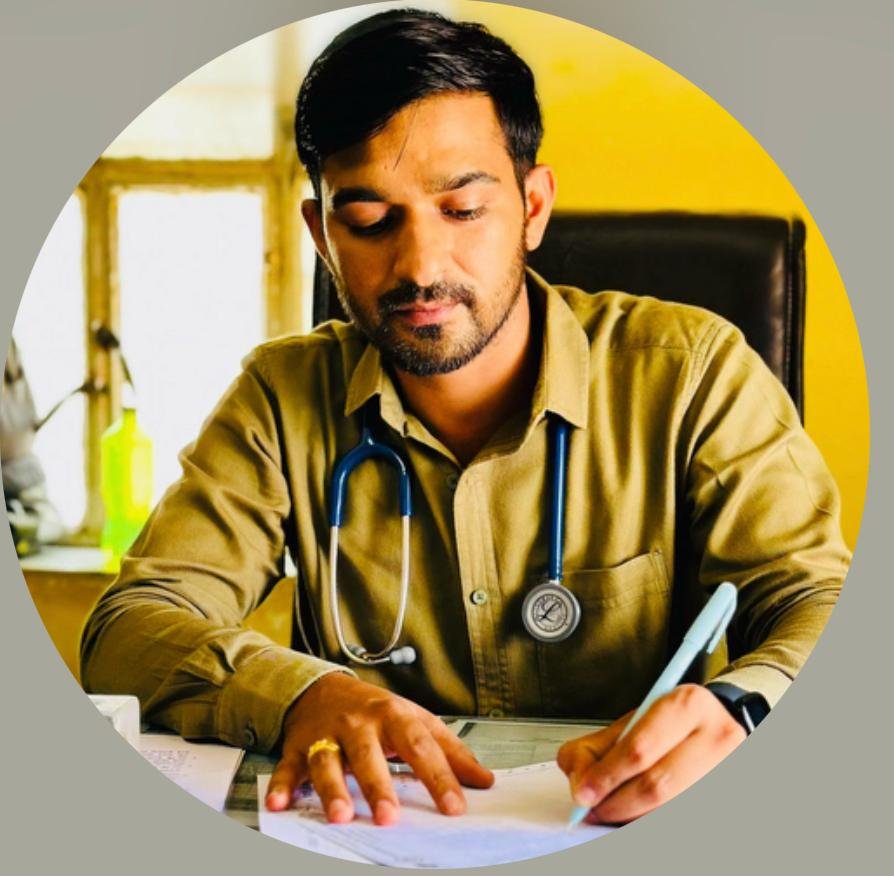
Medical Review Details
| Doctor Name | Dr. Anil Kumar |
| Qualification | MBBS, [Speciality Qualification] |
| Speciality | General Medicine |
| Registration Number | RMC-79836 |
| Years of Experience | 7 |
| Date of Review | July 10, 2025 |
Frequently Asked Questions
How soon after hospital discharge should my elderly parent in Patna have their first follow-up appointment?
Most doctors in Patna recommend a first follow-up within 3 to 7 days of discharge for elderly patients, depending on the condition. Post-surgery patients may need review within 48 to 72 hours. Your discharge summary will specify the exact timeline. If no date is mentioned, call the hospital or the treating doctor within 24 hours to confirm. Delaying the first follow-up increases the risk of undetected complications.
Can a doctor visit my elderly parent at home in Patna instead of going to the hospital?
Yes. AtHomeCare arranges doctor home visits in Patna for elderly patients who find it difficult to travel. A qualified doctor visits your home, examines the patient, reviews reports, and adjusts treatment. This is especially helpful for bedridden patients, those with mobility issues, or during extreme weather when hospital visits become risky for frail seniors.
What documents should I carry to my parent’s follow-up appointment in Patna?
Carry the discharge summary, all prescription papers, current medication list, any lab reports done after discharge, the patient’s ID proof, insurance card if applicable, and a written note of symptoms or changes you have observed at home. Keeping these in a single folder saves time and helps the doctor make better decisions during the short consultation window.
How do I track my elderly parent’s recovery at home between doctor visits?
Maintain a daily log that includes temperature, blood pressure, blood sugar if diabetic, oxygen levels if using a concentrator, food intake, urine output, sleep quality, pain levels, and any new symptoms. Share this log with the doctor at each visit. If a home nurse is present, they will maintain clinical records as part of their routine duty and can share summaries with you.
What should I do if my elderly parent misses a follow-up appointment in Patna?
Call the doctor’s clinic immediately and reschedule. Do not wait for the next scheduled date. If the patient has worsening symptoms, consider requesting a home doctor visit instead of waiting. Missing follow-ups is one of the most common reasons for preventable readmissions in elderly patients. Even if the patient seems fine, the purpose of the visit is to verify that through tests and examination.
How can AtHomeCare help with follow-up care for my elderly parent in Patna?
AtHomeCare provides home nursing services, doctor home visits, medication management, lab test coordination, physiotherapy at home, and medical equipment rental in Patna. Our team coordinates with your parent’s treating doctor to ensure continuity of care after discharge. We serve patients across Patna through our regional care network based at Kankarbagh. Call 9229662730 to discuss your parent’s specific needs.
How do I manage multiple medicines for my elderly parent after discharge?
Create a medicine chart with the name of each drug, dose, timing, and whether it should be taken before or after food. Use a pill organizer with morning, afternoon, evening, and night compartments. A home nurse or compounder can handle medicine preparation and administration. AtHomeCare’s medication monitoring service ensures no doses are missed or duplicated and handles medicine reconciliation after every doctor visit.
What lab tests are usually needed during follow-up for elderly patients in Patna?
Common follow-up tests include complete blood count, blood sugar, kidney function tests, liver function tests, electrolyte levels, and INR for patients on blood thinners. Post-surgery patients may need wound culture or imaging. Your doctor will specify which tests are needed and when. AtHomeCare can coordinate sample collection from home through partnered labs in Patna, so the patient does not need to travel just for a blood test.
Is it safe to skip follow-up appointments if my parent looks fine at home?
No. Many serious complications in elderly patients develop silently. Blood pressure, kidney function, or blood sugar can change without visible symptoms. A follow-up visit allows the doctor to review test results, adjust medicine doses, and catch problems early. Skipping appointments is one of the leading causes of emergency hospitalizations in seniors. “Looking fine” is not the same as “being fine” in elderly patients.
How do I prepare my elderly parent for a doctor home visit in Patna?
Keep all previous prescriptions and reports ready on a table near the patient. Note down current symptoms, medicine side effects, or changes in appetite, sleep, or behavior. Ensure the room is well-lit and the patient is wearing loose, comfortable clothing. If the doctor needs to check a wound or catheter, keep that area easily accessible. Have the daily health log ready for the doctor to review.
What warning signs require an emergency doctor visit instead of waiting for a scheduled follow-up?
Call for emergency help immediately if your elderly parent shows sudden confusion, difficulty breathing, chest pain, very high or very low blood pressure, sudden weakness on one side of the body, uncontrollable bleeding, severe abdominal pain, high fever above 102°F, or loss of consciousness. Do not wait for the next appointment. Call 108 for an ambulance or go to the nearest hospital emergency.
Can a home nurse in Patna coordinate directly with my parent’s doctor?
Yes. AtHomeCare’s home nurses in Patna are trained to communicate clinical observations to the treating doctor. They share vital signs, wound status, medicine tolerance, and any concerns through structured reporting. This coordination ensures the doctor has accurate, timely information even between visits, which improves treatment decisions and reduces the risk of complications being missed.
How does AtHomeCare ensure the quality of caregivers deployed for elderly follow-up care in Patna?
All caregivers undergo background verification, skill assessment, and clinical training before deployment. Nursing supervisors conduct periodic home visits to monitor care quality. Shift handovers include detailed clinical briefings. Any infection prevention lapses, missed medications, or caregiver misconduct triggers immediate investigation and corrective action. The system is designed to maintain hospital-grade care standards at home.
What is the cost of a doctor home visit for elderly patients in Patna?
The cost of a doctor home visit in Patna varies based on the type of consultation, time of visit, and distance. AtHomeCare provides transparent pricing with no hidden charges. For current rates, call 9910823218 or 9229662730. When comparing costs, factor in the hospital travel expense, waiting time for the family, parking charges, and the physical stress on the patient. For many families, home visits are practically and economically sensible.
How do I handle a situation where the doctor changes medicines at follow-up but my parent is already taking old prescriptions?
At the appointment, clearly show the doctor the current medicine list. Ask specifically which medicines to stop, which to continue, and which are new. Write these changes immediately on the medicine chart at home. If a home nurse is present, they handle medicine reconciliation after each doctor visit. Never continue old and new medicines together unless the doctor explicitly says to do so — this is a common cause of dangerous drug interactions.
My elderly parent in Patna has dementia. How do I manage their follow-up care?
For dementia patients, home doctor visits are strongly recommended because hospital visits cause confusion, agitation, and behavioral worsening. Keep a structured daily routine at home. Track behavioral changes, eating patterns, and sleep disturbances carefully. A trained caregiver familiar with dementia care can provide daily observations that help the doctor assess disease progression accurately. AtHomeCare offers specialized dementia care support in Patna with nurses trained in memory care techniques.
How do I coordinate physiotherapy sessions with follow-up appointments for my parent in Patna?
Share the physiotherapy progress report with the doctor at each follow-up visit. The doctor can then adjust the exercise plan based on actual recovery progress. AtHomeCare coordinates both home physiotherapy and doctor visits, ensuring the physiotherapist and doctor are aligned on recovery goals. This integrated approach is especially important after joint replacement surgery, stroke, or spinal surgery where rehabilitation directly affects long-term outcomes.
What should I ask the doctor during my elderly parent’s follow-up visit?
Ask these key questions: Is the recovery on track? Which medicines can be stopped or reduced? What warning signs should I watch for at home? When is the next follow-up due? Are any new tests needed? Can physiotherapy or diet changes help recovery? What should we do if symptoms worsen at night? Write these questions down before the visit so you do not forget anything in the short consultation time.
How long does elderly follow-up care typically continue after a major illness in Patna?
It depends on the condition. Post-surgery follow-up usually lasts 4 to 8 weeks. Stroke recovery follow-up can extend 3 to 6 months. Chronic conditions like diabetes, heart failure, or COPD require lifelong follow-up, typically every 1 to 3 months. The doctor will tell you the expected timeline at each visit. Even after the active follow-up period ends, regular health check-ups should continue for life.
Can AtHomeCare set up a home ICU for my elderly parent in Patna if follow-up shows deterioration?
Yes. If the doctor advises step-down care or the patient’s condition requires closer monitoring than a regular home nurse can provide, AtHomeCare can deploy a home ICU setup in Patna. This includes multipara monitors, BiPAP machines, suction apparatus, oxygen concentrators, and ICU-trained nurses. The setup is coordinated with the treating doctor and can be arranged within hours if the situation requires urgent escalation.
Need Help with Follow-Up Care for Your Elderly Parent in Patna?
AtHomeCare provides complete follow-up care support including home nursing, doctor visits, physiotherapy, medical equipment, and lab test coordination. Serving patients across Patna through our regional care network.