Hereditary Multiple Exostoses Home Care in Patna: A Four-Week Mobility and Daily-Activity Rehabilitation Case Study
How structured home physiotherapy, occupational therapy, joint protection, stair training and caregiver education helped a 34-year-old working professional with Hereditary Multiple Exostoses (HME) stay independent, safe and confident — without hospitalization and without surgery.
Medically reviewed by Dr. Anil Kumar (Registration No. RMC-79836) · Published: 10 January 2026 · Case study is a fictional educational composite.
Case at a Glance
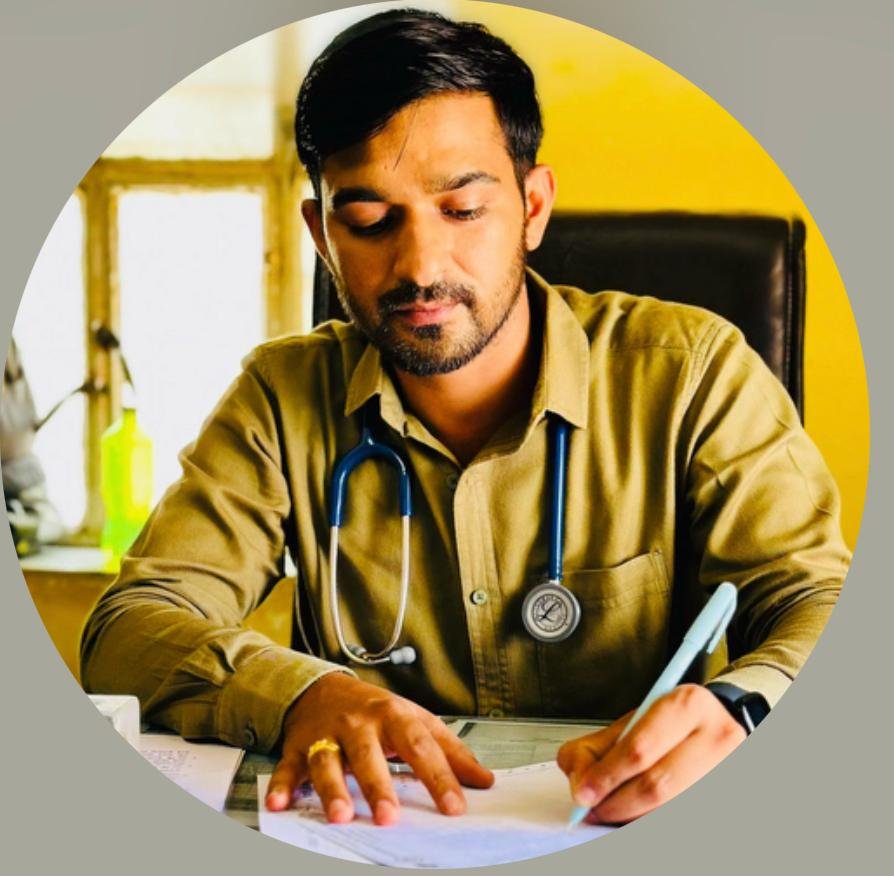
Author
Dr. ANIL KUMARRegistration No. RMC-79836
This case study has been authored and clinically reviewed by Dr. Anil Kumar, Medical Author and Clinical Reviewer at AtHomeCare. It is written to the standards expected of accountable healthcare publishing: every clinical statement is traceable to the documented home-care record, medical reasoning is explained openly, and nothing has been exaggerated for effect. Readers are encouraged to discuss any individual health concern with their own treating doctors.
Patient Background: A Working Professional in Patna Living With a Lifelong Bone Condition
Mr. Arjun Sinha (name changed; the case is fictional and written for education) is a 34-year-old bank back-office employee living in Patna, Bihar, with his wife and their young son. He was first diagnosed with Hereditary Multiple Exostoses (HME) — also known as hereditary multiple osteochondromas — during childhood. Over the years, several of his bony growths had remained stable, and like many adults living with this condition, he had built an independent, working life around it.
Arjun’s known osteochondromas are located around his lower limbs and forearms. He remained fully independent with bathing, dressing, eating and all other basic personal-care activities. He walked without any walking aid, drove, worked full-time at a desk, and shared household responsibilities with his wife, who served as his primary caregiver in the sense of everyday family support rather than hands-on nursing.
What changed was not his independence but his comfort. In recent months, Arjun noticed increasing right-knee discomfort after prolonged standing and walking. Stairs that he had always used casually began to feel like a task. He started to worry — not about catastrophe, but about a slow loss of the easy mobility he had always taken for granted.
Living situation: Lives with wife (primary caregiver) and young son.
Mobility: Independent; slower during prolonged walking; no walking aid.
Function: Fully independent in all personal-care activities.
Home-care focus (as documented): Pain management, mobility support, safe daily activities, joint protection and functional independence.
Understanding the Diagnosis: What Is Hereditary Multiple Exostoses?
Hereditary Multiple Exostoses (HME), also called hereditary multiple osteochondromas, is a genetic bone condition in which multiple benign bone growths called osteochondromas develop around the bones — typically near the growing ends (growth plates) of long bones such as those around the knee, forearm, shoulder and ankle. These growths have a cartilage cap and usually develop during childhood and adolescence, often stopping when the skeleton stops growing.
The growths themselves are benign, but their location determines their impact. When an osteochondroma sits close to a joint or alongside a tendon, muscle or nerve, it can cause mechanical problems: pain during certain movements, stiffness, restricted range of motion, differences in limb alignment, or difficulty with specific daily activities. This is why two people with the same diagnosis can have completely different functional experiences.
In medical terms, most HME cases follow an autosomal dominant inheritance pattern, most often linked to changes in the EXT1 or EXT2 genes, although some cases arise as new (de novo) genetic changes. This is why families are often advised to discuss genetic counselling with their specialist. Orthopedic follow-up also matters for another reason: in a small proportion of cases, an osteochondroma can undergo malignant change, which is precisely why certain red-flag symptoms must never be ignored or managed at home alone.
The documented clinical picture in this case
| Domain | Documented finding |
|---|---|
| Primary diagnosis | Hereditary Multiple Exostoses, diagnosed in childhood; multiple stable osteochondromas around the lower limbs and forearms |
| Current problem | Recent increased right-knee discomfort after prolonged standing and walking; mild stiffness after prolonged sitting |
| Orthopedic evaluation | Symptoms attributed to mechanical irritation around the affected area; no evidence of acute fracture or other emergency condition |
| Treating team’s recommendation | Continued observation and rehabilitation; surgery to be considered only if clinically necessary |
| Investigations | Laboratory investigations were not part of this home-care episode and none are reproduced here (see note in Clinical Evidence) |
Source: documented home-care record — orthopedic evaluation summary, physiotherapy assessment notes and weekly progress notes.
Why the orthopedic team chose observation and rehabilitation rather than immediate surgery
Not every osteochondroma requires removal. When a growth is stable and symptoms are activity-related rather than progressive, the evidence supports supervised conservative management first: strengthening the muscles that support the joint, correcting movement habits that repeatedly irritate the area, and monitoring for change. Surgery remains a genuine, well-defined option — but it is reserved for growths that cause significant pain, restrict movement, compress nearby nerves or vessels, or create other important functional problems. In Arjun’s case, the home-care team’s role was rehabilitation and monitoring; any surgical decision remained entirely with his orthopedic team.
Recent Medical History and Presenting Concerns
Arjun’s diagnosis dated back to childhood, and for years the growths caused little more than visible bumps. The recent change — right-knee discomfort appearing after activity rather than randomly — followed the classic pattern of mechanical irritation: the joint structures were being repeatedly loaded in a way that the local anatomy tolerated less well over a full working day.
His documented concerns at intake were specific and functional, which made them ideal rehabilitation targets:
- Right-knee discomfort after prolonged walking
- Mild stiffness after sitting for long periods
- Difficulty using stairs repeatedly
- Reduced walking speed
- Discomfort while squatting
- Difficulty carrying heavier household objects
- Occasional forearm discomfort
- Concern about worsening mobility
Note what is not on this list: no night pain, no loss of independence in personal care, no falls, and no neurological symptoms. This distinction shaped the entire care plan — the goal was not to rescue lost function, but to protect existing function and prevent avoidable deterioration, which is a fundamentally different (and easier) task. This principle applies broadly; families often notice mobility changes late, and early recognition genuinely changes outcomes, as we describe in our guide to recognizing mobility issues and arranging home-care assistance.
Initial Home Assessment: Measuring Function Where It Actually Happens
Clinic-based assessments tell a clinician how a patient moves in a clinic corridor. Home-based assessment tells a clinician how a patient moves in the environment where they actually live, cook, climb stairs and work. Arjun’s first home visit therefore covered a deliberately wide scope:
What the team assessed
- Walking pattern and walking speed
- Knee movement and joint flexibility
- Muscle strength (lower-limb, hip and knee groups)
- Balance, turning and stair use
- Sit-to-stand movement technique
- Pain during specific activities
- Ability to perform household tasks
- Work-related sitting and movement habits
- Home fall hazards
Key mobility findings
Arjun could walk independently without an aid, but his right knee became uncomfortable after longer walks. The physiotherapist systematically observed his step pattern, walking speed, knee movement, turning ability, sit-to-stand technique, stair climbing and balance.
One principle governed the whole plan: rehabilitation would aim for comfortable movement rather than forcing the affected joint through painful positions.
Why assess at home instead of only in a clinic?
Three of Arjun’s four main difficulties — stairs, squatting and carrying household objects — barely exist in a clinic room. Assessing them at home allowed the team to identify exactly which activities increased his symptoms, and then modify those activities without unnecessarily restricting his normal movement. Over-restriction is a real clinical error: unnecessary help accelerates deconditioning, while targeted modification protects the joint.
Why Home Healthcare Was Clinically Appropriate
Arjun’s case raises a fair question: he was not bedridden, not hospitalized, and not dependent — so why involve professional home healthcare at all? The answer lies in what his condition actually required.
HME is a lifelong condition managed over decades, not weeks. Its day-to-day burden shows up in repeated, ordinary tasks: the office stairwell, the squat while cleaning, the grocery bag, the eight-hour desk chair. No hospital admission addresses these; no single clinic visit can observe them. What his situation needed was:
- Structured, progressive rehabilitation delivered regularly in his real environment — supported by home physiotherapy in Patna rather than sporadic clinic appointments;
- Objective monitoring of pain patterns, mobility and exercise tolerance, so that any meaningful change would be detected early and escalated to his orthopedic team — a model explained in our overview of specialized nursing services in Patna;
- Caregiver education, so his wife could support him correctly — assisting when genuinely needed without silently taking over tasks he should keep doing;
- Environmental safety review, because even independently mobile adults with joint problems benefit from a home set up to reduce strain and fall risk;
- Continuity with specialist care — home care as a complement to, never a substitute for, orthopedic follow-up.
Families in Patna often ask whether care at home is genuinely safe and accountable. We address that directly in our article on ensuring patient safety with home care in Patna, and in our family guide to choosing a home-care service in Patna. For Arjun, the clinical indication was clear: a stable condition with activity-related symptoms, a motivated patient, an involved caregiver, and a rehab plan that could only work at home.
The Home Care Plan: Every Intervention, and Why
Arjun’s plan combined physiotherapy, occupational therapy, nursing support, environmental modification and family education into a single coordinated program — the integrated approach we describe in complete patient care through nursing and physiotherapy. Each element is documented below with its purpose.
6.1 Symptom tracking and pain management
Arjun kept a simple daily symptom record containing: the activity performed, the location of discomfort, its duration and severity, whether rest helped, and any new swelling or movement restriction. Within days, patterns emerged — which is the entire point. A diary converts vague “my knee bothers me” into actionable data: this specific activity, at this duration, predictably triggers this symptom.
Pain medicines were taken only according to his doctor’s instructions — never self-adjusted. Alongside medical management, the team used non-drug strategies such as pacing and activity modification; readers interested in this area can explore our guides to managing chronic pain without relying only on pills and pain medication and alternative approaches. The deeper link between discomfort and function is also covered in our overview of pain and mobility.
6.2 The physiotherapy program
The physiotherapist built an individualized program — not a generic knee sheet. It included:
- Gentle range-of-motion exercises, kept within comfortable limits
- Lower-limb, hip and knee strengthening
- Core exercises
- Balance training
- Controlled sit-to-stand practice
- Walking practice with attention to technique
- Gentle stretching
Exercises were stopped or modified if they caused significant pain — a rule Arjun was taught to apply himself, not just obey. The reasoning is anatomically straightforward: forcing a joint repeatedly through ranges that provoke pain around a mechanically irritated osteochondroma risks aggravating the very tissues rehabilitation is trying to protect. Range-of-motion work, when done sensibly, is a cornerstone of this kind of program; we explain the principles in our guide to range-of-motion therapy and joint stiffness, and the philosophy of individualized exercise design in our article on customized rehabilitation and strength-building programs. For the broader evidence behind movement-based recovery, see our overview of why physiotherapy matters — healing through movement, our look at at-home physiotherapy services, and our comparison of physiotherapy at home versus clinic-based sessions.
Why introduce physiotherapy when surgery was not planned?
Because conservative management is the treatment in this case. Strong hip and thigh muscles reduce the load transmitted through the knee with every step and stair. Better movement habits reduce the number of times per day the irritated area is provoked. Better balance reduces fall risk in a person whose knee is already complaining. In other words, physiotherapy here is not preparation for something else — it is the clinically recommended management.
6.3 Joint protection
Arjun was taught to avoid repeatedly forcing a joint into painful positions. Practical, individualized strategies included:
- Using proper body mechanics for lifting and reaching
- Avoiding prolonged squatting; using alternatives that keep the knee in comfortable ranges
- Taking breaks during standing work rather than pushing through discomfort
- Using both hands and better technique when carrying household items
- Avoiding sudden heavy lifting
- Changing positions regularly through the day
Joint protection was tailored to the documented locations of his osteochondromas. The same logic — adapting tasks around stiff or painful joints while preserving independence — is described in our guide to daily activity assistance for painful or stiff joints.
6.4 Stair management
Stairs were among Arjun’s most difficult activities, so they received dedicated training:
- Always use the handrail
- Do not rush; stairs demand more of the knee than flat walking
- Place the entire foot securely on each step
- Take a short rest if needed — resting on stairs is sensible, not weakness
- Avoid carrying bulky objects while climbing
His wife was advised to provide supervision only when necessary rather than automatically taking over the task. If his mobility had changed, walker and transfer training of the type described in our guide to safe walker use and transfers would have been introduced — but his documented status remained independent.
6.5 Occupational therapy: making daily activities easier
Occupational therapy focused on the mechanics of everyday life. Arjun practiced safe kitchen activities, dressing, household organization, carrying lightweight objects, desk-based work habits, reaching activities, and safe floor-to-standing strategies. Frequently used objects were moved to comfortable waist-to-shoulder heights to cut down repeated deep bending and overhead reaching. These are exactly the kinds of adaptations covered in our guide to ADL (activities of daily living) support.
6.6 Workstation modification
Arjun spends several hours daily at a desk. His workstation was adjusted for comfortable sitting posture, appropriate desk height and proper foot support, and he was coached to take regular short movement breaks and avoid remaining in one position for long periods. Static sitting was, after all, one of his documented stiffness triggers.
6.7 Daily activity planning and pacing
Arjun redistributed demanding tasks across the day instead of stacking them:
| Time of day | Planned activity |
|---|---|
| Morning | Personal care and light household tasks |
| Afternoon | Work with scheduled movement breaks |
| Evening | Short walk and family activities |
| Night | Gentle stretching and rest |
He also learned a simple pacing cycle for heavier days: Plan → Perform → Rest → Resume. The clinical goal of pacing is subtle but important: keep him consistently active without triggering the symptom spikes that cause people to either overdo it or give up on activity altogether. Staying gently active at every stage of life is a principle we expand on in our article about the importance of staying active at any age.
6.8 Home safety review
Although Arjun was independently mobile, the family completed a home-safety review: floors kept clear, loose objects removed from walking paths, bathroom safety improved, frequently used items kept within reach, lighting maintained, and clutter kept away from the staircase. These measures reduced both unnecessary joint strain and fall risk — the same principles set out in our comprehensive guide to fall prevention and our practical tips for a safe and comfortable home setup.
6.9 Nutrition and general health
Arjun was encouraged to maintain a balanced diet and healthy body weight, with meals built around vegetables, fruits, whole grains, protein-rich foods, dairy or suitable alternatives, and adequate fluids. Nutrition was treated honestly for what it is: general health support, not a treatment for osteochondromas. Body weight does, however, directly influence the load his knee experiences with every step, which makes healthy weight maintenance a legitimate part of joint care. Our resources on nutrition as the key to a healthier life and nutrition in disease prevention cover these principles; families in Patna can also book a dietitian and yoga consultation at home.
6.10 Family support and caregiver education
Arjun’s wife was taught how to help: heavy household tasks, transportation when required, appointment organization, and symptom tracking. Just as importantly, she was taught when not to help — she was explicitly encouraged not to restrict Arjun from safe independent activities, because preserving independence was itself a treatment goal. Caregivers who silently take over tasks often accelerate the very dependence they are trying to prevent; the psychology of this balance is discussed in our articles on what caregivers actually do and managing caregiver stress.
Why was the family trained to support — not to take over?
Muscle strength, balance and confidence are “use it or lose it” systems. When a well-meaning family member begins doing everything, deconditioning starts quietly within weeks. The clinically correct model for an independent patient like Arjun is graded assistance: help with genuinely heavy or unsafe tasks, supervise where risk exists, and deliberately protect the activities he can and should keep doing himself.
6.11 Equipment considerations
Arjun did not require a walking aid at the start of home care, and none was prescribed. However, the team discussed future options with the family so that decisions would be need-based rather than panic-based if his mobility ever changed: handrails, shower support equipment, appropriate seating, reaching aids, and walking aids only if later medically prescribed. The governing principle: equipment decisions follow actual functional needs, not the diagnosis label. Families can explore medical equipment rental in Patna, including premium hospital beds for rent, and our guides to independent-living aids such as essential products for independent living.
6.12 Monitoring the known bone growths
Arjun continued regular orthopedic follow-up for his known osteochondromas. The family was given a specific list of clinically important changes to report — listed in the warning-signs section below. These symptoms require medical review, not home physiotherapy. Recognizing early deterioration is a skill, and our article on early warning signs that need immediate medical attention explains how trained home teams triage such changes.
6.13 When surgery may be considered
Not every osteochondroma requires surgery. Depending on location and symptoms, an orthopedic specialist may consider surgical removal when a growth causes significant pain, restricts movement, compresses nearby structures (such as nerves or blood vessels), or creates other important functional problems. Arjun’s home-care team did not recommend surgery independently — that decision belongs to his orthopedic team. Should surgery ever become necessary, a defined recovery pathway exists: post-procedure wound care such as our dressing services at home in Patna, structured post-operative nursing care in Patna, and orthopedic rehabilitation including the role of physiotherapy in orthopedic surgery recovery — with knee-focused rehabilitation principles similar to those used after knee procedures, as outlined in our guide to structured knee physiotherapy at home.
6.14 Home nursing support
Home nursing in this case was deliberately supportive and monitoring-focused, not intensive. The nurse monitored: pain pattern, mobility changes, daily functioning, exercise tolerance, medication adherence where applicable, new symptoms, and — had surgery later been performed — recovery after the procedure. Any significant change was communicated to the treating medical team. This is the standard monitoring-and-escalation model described in our article on effective coordination between nurses and physiotherapists, delivered in Patna through our patient care services and doctor visits at home.
Four-Week Rehabilitation Timeline
Arjun’s program followed a documented four-week structure. Each phase built on the previous one, with the physiotherapist adjusting intensity based on his symptom diary rather than a fixed script.
Baseline and safety
Clinical focus: Comprehensive home assessment (walking, stairs, sit-to-stand, balance, strength, hazards).
Interventions: Baseline mobility documented; symptom diary started; home-safety review completed; gentle first exercises prescribed.
Response: Arjun engaged and cooperative; no acute findings; plan agreed with family.
Establish the foundation
Focus: Establish baseline mobility · identify painful activities · review home safety · begin gentle exercises · start symptom tracking.
Why: Before loading a joint, the team needed to know exactly which activities provoked symptoms, and the home needed to be safe for practice. The diary became the program’s steering wheel from day one.
Build capacity safely
Focus: Increase lower-limb strengthening · practice stairs · improve sit-to-stand movement · continue joint mobility exercises.
Why: Stronger hip and thigh muscles reduce knee load during every step and stair; stair practice under supervision builds both technique and confidence. Exercises continued to be modified if they caused significant pain.
Transfer skills to real life
Focus: Practice household activities · improve work-related movement habits · introduce pacing strategies · increase safe walking.
Why: Strength only matters if it shows up in the kitchen, the office and the stairwell. This week deliberately rehearsed Arjun’s actual daily tasks, using the Plan → Perform → Rest → Resume cycle.
Consolidate and hand over
Focus: Review mobility progress · reassess pain triggers · improve confidence with daily tasks · create a longer-term exercise and follow-up plan.
Why: The final week converted therapist-led progress into patient-owned routine: a sustainable home exercise program, a clear list of personal activity limits, and scheduled orthopedic follow-up.
Steady state
Focus: Continued independent home exercise; periodic check-ins; ongoing orthopedic follow-up for the known osteochondromas; family alert to documented red-flag symptoms.
Why: HME requires lifelong observation, not a “cure.” The home team’s job now shifts to early detection and support if anything changes.
Clinical Evidence: Documented Findings and Functional Progression
This case study deliberately contains no laboratory values, imaging measurements, medication names or numeric pain scores. None of these were documented within the home-care record reviewed for this publication, and none have been invented. Pain was recorded descriptively (activity-linked discomfort), not numerically. The tables below reproduce only what the record contains.
| Diary component | Clinical purpose |
|---|---|
| Activity performed | Identify which specific movements or workloads repeatedly trigger symptoms |
| Location of discomfort | Confirm symptoms track the known affected areas (right knee; occasional forearm) |
| Duration | Define safe activity durations for pacing and planning |
| Severity (descriptive) | Track whether the same activity is becoming more or less troublesome over time |
| Response to rest | Distinguish activity-related mechanical symptoms from symptoms needing medical review |
| New swelling or movement restriction | Escalation trigger — any new finding goes to the orthopedic team |
| Functional area | Start of care (documented) | After four weeks (documented) |
|---|---|---|
| Walking | Independent, no aid; right-knee discomfort after prolonged walking or standing | Discomfort still present after prolonged activity, but easier to manage because Arjun recognized his activity limits and used regular breaks |
| Stairs | Repeated stair use difficult | More comfortable; handrail technique and pacing used consistently |
| Household activities | Difficulty carrying heavier household objects; squatting uncomfortable | Routine household activities completed more comfortably; squatting avoided or modified through joint-protection strategies |
| Walking aid | Not required | Not required — no new walking aid introduced |
| Confidence | Concern about worsening mobility | Better confidence during everyday movement |
| Specialist follow-up | Active orthopedic monitoring | Continued as planned; no home-team change to the orthopedic plan |
Source: weekly progress notes and the documented four-week outcome review. Progression statements are qualitative by design, matching the record.
Clinical Outcome Over Time
After four weeks, the documented outcome was exactly what good conservative management should look like — improved function and confidence, honest residual symptoms, no complications, and specialist continuity preserved.
- Mobility: Better confidence during everyday movement; no walking aid required at any point.
- Pain: Knee discomfort remained present after prolonged activity but became easier to manage, because Arjun recognized his limits and used regular breaks.
- Function: More comfortable with stairs and routine household activities.
- Medical stability: No red-flag symptoms; no new swelling, neurological change or functional loss.
- Family feedback: Wife reported he was moving more freely and managing the house and stairs without prompting.
- Remaining challenge (stated honestly): Activity-related knee discomfort persists. Home care did not make the osteochondroma disappear — it made Arjun functionally fluent around it.
- Long-term care: Continued orthopedic follow-up for lifelong monitoring of the known growths.
Why is “discomfort persists but is manageable” a good outcome?
Because it is the truthful one. A stable osteochondroma near a joint may always produce some symptoms under heavy load. The clinical win is measured differently: can the patient do their work, climb their stairs, carry their groceries, and live their family life — with symptoms that are predictable, non-progressive and self-managed? For Arjun at four weeks, the answer was yes. Claiming a “pain-free miracle” would be neither documented nor honest.
Short-Term and Long-Term Goals
Short-term goals (documented)
- Reduce activity-related discomfort
- Improve joint movement
- Maintain muscle strength
- Improve stair safety
- Improve walking confidence
- Maintain independence with daily activities
Long-term goals (documented)
- Preserve functional mobility
- Reduce unnecessary joint strain
- Maintain participation in work and family activities
- Monitor known osteochondromas appropriately
- Identify new concerning symptoms early
- Maintain independence for as long as possible
Key Clinical Learnings
- HME is a genetic condition involving multiple osteochondromas. It is usually inherited in an autosomal dominant pattern (EXT1/EXT2 genes), and because relatives can be affected, genetic counselling is a reasonable discussion to have with a specialist.
- Many osteochondromas remain stable and never require surgery. The default for asymptomatic, stable growths is observation — surgery is reserved for clinically important problems, and only an orthopedic specialist makes that call.
- Symptoms depend on location, not just number. Two growths near a joint can matter more than five on flat bone; the functional map matters more than the count.
- Physiotherapy protects the joint environment. Strength, flexibility, balance and movement-habit training reduce daily provocation of mechanically irritated areas — which is why physiotherapy was the primary documented intervention here, not an optional extra.
- Activities that repeatedly cause pain need modification, not elimination. Arjun stopped prolonged squatting; he did not stop living. The skill is in the differentiation.
- Red-flag symptoms are non-negotiable. New persistent pain, rapid growth of a known lump, new swelling, neurological symptoms or major functional change must be medically assessed — never absorbed into a home exercise plan.
- Home care complements specialists; it never replaces them. The orthopedic team owns the diagnosis, imaging and surgical decisions. The home team owns function, safety, monitoring and education. When both understand their lane, patients like Arjun do well for decades.
Warning Signs: When Home Care Must Stop and Medicine Must Take Over
Report any of the following changes in a known osteochondroma without delay:
- New or persistently worsening pain at the site of a known growth
- Rapidly increasing size of a known lump — particularly after the skeleton has matured
- New swelling around a growth or joint
- Significant change in movement, or a new mechanical block
- New weakness, numbness or tingling (possible nerve involvement)
- Any sudden change in function — e.g., new difficulty walking
These symptoms require medical evaluation, not home physiotherapy. If weakness, numbness or inability to walk develops suddenly, seek urgent medical care. General guidance on recognizing emergencies at home is available in our article on warning signs and emergency response; sudden weakness as a red flag is also discussed in our guide to sudden weakness and its warning signs.
- Gradual, mild increase in activity-related discomfort
- Stiffness patterns changing with work routine
- Any question about exercise selection or pacing limits
- Symptoms predictable and tied to specific, avoidable activities
- Discomfort easing with rest and pacing
- No swelling, no neurological change, no functional decline
- Confidence and activity levels maintained or improving
Frequently Asked Questions
1. Can someone with Hereditary Multiple Exostoses receive home care?
Yes. Home care can help with mobility, exercise, pain tracking, safe daily activities, joint protection and caregiver education. The exact support depends on which bones and joints are affected.
2. Does every osteochondroma need to be removed?
No. Many osteochondromas do not cause significant problems and may simply be monitored. Surgery may be considered when a growth causes important pain, movement restriction, pressure on nearby structures, or another clinically significant problem.
3. Can physiotherapy help with Hereditary Multiple Exostoses?
Physiotherapy can help maintain strength, flexibility, balance and functional movement. Exercises should be selected according to the person’s symptoms and the location of the osteochondromas.
4. Should painful exercise be continued?
Exercise should not be forced through significant or worsening pain. A physiotherapist can modify the activity, movement range, repetitions or exercise type to make rehabilitation safer and more comfortable.
5. Can people with HME remain independent?
Many people can remain independent, especially when symptoms are well managed. Independence depends on the number and location of osteochondromas, joint involvement, pain and any complications affecting movement.
6. What symptoms should be reported to the doctor?
New persistent pain, rapid enlargement of a known lump, significant swelling, new weakness or numbness, or a major change in movement should be discussed with a healthcare professional.
7. Can occupational therapy help?
Yes. Occupational therapy can help modify everyday tasks, improve body mechanics, organize the home environment and identify ways to complete activities with less strain.
8. Is home care a replacement for orthopedic follow-up?
No. Home care provides functional and daily-living support. Regular orthopedic evaluation remains important for monitoring symptoms and deciding whether further investigations or treatment are needed.
9. Is Hereditary Multiple Exostoses inherited, and should family members be checked?
HME is usually inherited in an autosomal dominant pattern, most often linked to changes in the EXT1 or EXT2 genes, although a meaningful proportion of cases arise as new genetic changes. Because first-degree relatives can be affected, families are usually advised to discuss genetic counselling and clinical screening with their treating specialist.
10. Is an osteochondroma a form of cancer?
No. Osteochondromas are benign growths. In HME, a small proportion of growths can rarely undergo malignant change, which is why orthopedic teams monitor for red-flag features such as growth of a lump after skeletal maturity or new persistent pain. Any such change should be assessed promptly by a doctor.
How AtHomeCare Patna Can Support Orthopedic and Mobility Care at Home
Every service below was used — or held in readiness — within the care model described in this case study. The full range is listed on our services hub, and condition-specific education is available in our blog library. Our organizational approach is described on the About AtHomeCare Patna page, and why families rely on us is summarized in why families in Patna trust AtHomeCare for patient care at home and what makes our Patna care model different.
Individualized strengthening, balance, stair and gait programs — physiotherapy at home in Patna.
Monitoring, mobility assistance and escalation — patient care services and specialized nursing care that comes home in Patna.
Physician review without hospital travel — doctor visits at home.
Weight, nutrition and gentle activity guidance — dietitian and yoga consultation services.
Medicines delivered and refills managed — 24×7 pharmacy service.
Supportive equipment when function changes — medical equipment rental in Patna.
If surgery is ever advised: dressing services at home and post-operative nursing care in Patna.
Complete service overview — home healthcare services in Patna, including options for elderly care at home for older family members.
Contact AtHomeCare Patna
If someone in your family is living with a bone or joint condition, recurring mobility difficulty, or needs structured rehabilitation at home, our team can arrange an assessment — usually within a day.
A-212, P C Colony Road, Kankarbagh,
Bankman Colony, Patna, Bihar 800020
Near Bankman Colony Main Road & Kankarbagh Main Market.
Patna and surrounding districts of Bihar
Medical Disclaimer
This case study is entirely fictional and intended for educational purposes only. “Mr. Arjun Sinha” is a composite illustrative patient; no real patient’s confidential information is disclosed. Hereditary Multiple Exostoses requires individualized medical assessment and, when appropriate, orthopedic follow-up.
Physiotherapy, occupational therapy, nursing and home support can help with mobility, daily activities, safety and independence — but they do not replace specialist diagnosis, investigation or treatment. New, persistent, or rapidly changing symptoms (including new pain, rapid growth of a lump, swelling, weakness, numbness or sudden functional change) should be medically evaluated promptly.
Supporting documentation basis: this publication was prepared from a documented home-care record comprising the orthopedic evaluation summary, physiotherapy assessment notes, the patient’s symptom diary and weekly progress notes. No laboratory reports, imaging measurements or prescriptions formed part of the reviewed record, and none have been fabricated.