Home Nursing vs Patient Care in Patna: Which Service Does Your Loved One Really Need?
Most families in Patna confuse home nursing with patient care and end up with the wrong service. A nurse performs medical procedures like injections, wound dressing, and catheter care. A patient care attendant helps with daily activities like bathing, feeding, and mobility. Choosing the wrong one can delay recovery, increase infection risk, and waste money. This guide explains the real differences so you can make the right decision for your family member.
Serving patients across Patna through our regional care network.
What Is Home Nursing in Patna?
Home nursing in Patna means a qualified nurse comes to your home to perform clinical procedures that require medical training. These nurses hold GNM or BSc Nursing degrees and are registered with the nursing council. They handle tasks that family members or untrained attendants cannot safely perform.
Home nursing is not just someone visiting to check on the patient. It is clinical care delivered in the home setting. The nurse measures vitals, interprets what those numbers mean, administers medications, performs wound care, manages medical devices, and communicates directly with the treating doctor when the patient’s condition changes.
In Patna, where many families live in joint households or where the primary earner works in another city, home nursing fills a critical gap. After discharge from hospitals like PMCH, IGIMS, or private facilities on Boring Road, patients often need skilled care that families cannot provide. The nurse bridges the period between hospital discharge and full recovery.
What a Home Nurse Actually Does
- Gives intravenous (IV) injections, intramuscular (IM) injections, and subcutaneous injections including insulin
- Performs wound cleaning, dressing changes, and monitors wound healing progress
- Inserts and manages Foley catheters, including catheter change and bladder training
- Inserts and manages Ryle’s tube (nasogastric tube) for feeding
- Performs tracheostomy suctioning, tube change, and stoma care
- Manages colostomy and ileostomy bags including cleaning and replacement
- Monitors blood pressure, pulse, temperature, oxygen saturation, and respiratory rate with clinical interpretation
- Administers oxygen therapy and monitors flow rates
- Operates and monitors BiPAP, CPAP, and suction machines
- Manages IV drips and syringe pumps for controlled medication delivery
- Performs blood sugar monitoring and insulin dose adjustment as prescribed
- Provides post-surgical drain management and removal
- Conducts patient assessment and reports to the treating doctor
- Provides patient and family education on disease management
Home nursing does not replace hospital care. If the patient has unstable vitals, active bleeding, severe breathing difficulty, altered consciousness, or chest pain, they need immediate hospital attention. Home nursing is for stable patients who need clinical support during recovery or chronic disease management.
What Is Patient Care in Patna?
Patient care in Patna refers to non-medical daily living support provided by trained attendants, also called General Duty Assistants (GDAs) or patient care assistants. These staff help patients who cannot fully care for themselves due to age, illness, surgery, or disability. They do not perform any clinical or medical procedures.
Patient care attendants in Patna typically have completed a GDA certification course or have experience in home care settings. Their role focuses on keeping the patient comfortable, clean, fed, and safe. This service is essential for families where everyone works, or where the patient needs help that family members physically cannot manage, such as lifting a bedridden adult.
Many families in Patna initially try to manage with a domestic helper or an ayah. But domestic helpers are not trained in patient handling, fall prevention, or basic hygiene protocols specific to sick or elderly patients. Patient care attendants are trained specifically for these needs.
What a Patient Care Attendant Actually Does
- Helps with bathing, oral care, grooming, and dressing
- Assists with feeding, including preparing food trays and helping patients who cannot feed themselves
- Helps with mobility: walking support, transferring from bed to wheelchair, and repositioning in bed
- Turns bedridden patients every two hours to prevent bedsores
- Assists with toilet needs and maintains basic hygiene
- Changes bed sheets, maintains a clean patient area, and manages soiled linen
- Provides companionship and emotional support to reduce isolation
- Reminds patients about medication timing (but does not administer injections or decide doses)
- Monitors and reports changes in patient behavior, appetite, or alertness to the family
- Assists with passive range-of-motion exercises as directed by a physiotherapist
- Helps with fluid intake tracking and basic food intake documentation
- Provides night supervision to prevent falls and respond to patient needs
Patient care attendants must never be asked to perform injections, change catheters, dress wounds, or handle any medical device. These are clinical procedures that require a qualified nurse. Asking an unqualified person to perform these tasks puts the patient at serious risk of infection, injury, and complications.
Core Differences at a Glance
The table below shows the most important differences between home nursing and patient care in Patna. Understanding these differences helps you match the right service to your family member’s actual needs.
| Factor | Home Nursing | Patient Care |
|---|---|---|
| Staff Qualification | GNM or BSc Nursing, nursing council registered | GDA certification or trained attendant course |
| Primary Role | Clinical and medical care | Daily living assistance and support |
| Injections | Yes — IV, IM, subcutaneous, insulin | No — not permitted |
| Wound Dressing | Yes — cleaning, dressing, monitoring healing | No — cannot touch wounds |
| Catheter Care | Yes — insertion, change, removal | No — can only report if bag is full |
| Ryle’s Tube Feeding | Yes — insertion, feeding, management | No — cannot manage feeding tubes |
| Vital Monitoring | Yes — measures and interprets vitals | Limited — can note obvious changes like fever |
| Medical Equipment | Yes — operates BiPAP, suction, monitors | No — cannot operate medical devices |
| Bathing and Feeding | Can assist but primarily focused on clinical tasks | Yes — this is their core responsibility |
| Mobility Support | Limited — assists with medical stability | Yes — walking, transfers, repositioning |
| Bedsore Prevention | Assesses skin, advises on prevention | Performs turning every 2 hours |
| Doctor Communication | Yes — reports clinical findings directly | No — reports to family, not to doctor |
| Night Supervision | Available but costly for routine supervision | Commonly used for overnight monitoring |
| Cost in Patna (per shift) | ₹1,200 – ₹2,500 | ₹700 – ₹1,200 |
| Best For | Post-surgery, wounds, catheters, injections, tracheostomy, home ICU | Elderly care, bedridden patient support, dementia supervision, recovery assistance |
Who Performs What: Complete Procedure Breakdown
One of the most common questions families ask in Patna is: “Can the attendant do this?” The answer depends entirely on whether the task is clinical or non-clinical. The following table lists specific procedures and clearly states who can perform each one.
| Procedure or Task | Home Nurse | Patient Care Attendant |
|---|---|---|
| IV injection | Yes | No |
| IM injection | Yes | No |
| Insulin injection | Yes | No |
| Subcutaneous injection | Yes | No |
| IV drip setup and monitoring | Yes | No |
| Syringe pump operation | Yes | No |
| Wound cleaning and dressing | Yes | No |
| Wound debridement | Yes (if trained) | No |
| Suture removal | Yes | No |
| Drain removal | Yes (with doctor order) | No |
| Catheter insertion | Yes | No |
| Catheter change | Yes | No |
| Catheter bag emptying | Yes | Yes (with training) |
| Ryle’s tube insertion | Yes | No |
| Ryle’s tube feeding | Yes | No |
| Tracheostomy suctioning | Yes | No |
| Tracheostomy tube change | Yes | No |
| Stoma care (colostomy) | Yes | No |
| PEG tube care | Yes | No |
| Blood sugar monitoring | Yes | No |
| Blood pressure measurement | Yes | Can use machine but cannot interpret clinically |
| Oxygen concentrator operation | Yes | Can switch on/off only |
| BiPAP/CPAP mask fitting | Yes | No |
| Suction machine operation | Yes | No |
| Multipara monitor reading | Yes | No |
| Bed bath | Yes (but primarily attendant task) | Yes |
| Oral care | Yes | Yes |
| Feeding assistance (oral) | Yes | Yes |
| Helping to bathroom | Yes | Yes |
| Walking support | Limited | Yes |
| Bed to wheelchair transfer | With assistance | Yes |
| Turning in bed (every 2 hours) | If no attendant available | Yes |
| Changing bed linen | No | Yes |
| Companionship | Limited | Yes |
| Medication reminder | Yes — administers medication | Yes — reminds only, does not administer |
If your family member needs even one procedure marked “No” for patient care attendants, you need a home nurse. It is not safe to ask an attendant to perform clinical tasks, regardless of how experienced they seem.
When to Choose Home Nursing in Patna
Home nursing is the right choice when the patient has a medical need that requires clinical skills. This is not about the patient’s general condition being serious. A patient can be stable and still need a nurse because they have a wound that needs dressing or a catheter that needs changing. The deciding factor is whether a clinical procedure is involved.
Situations That Require a Home Nurse
- After surgery: The patient has a surgical wound that needs regular dressing, drains that need monitoring, and pain medication that needs injection administration. This applies to orthopedic surgeries (hip replacement, knee replacement, spine surgery), abdominal surgeries, cardiac surgeries, and cancer surgeries.
- Wound care: Diabetic foot ulcers, pressure ulcers (bedsores), surgical wounds, traumatic wounds, or any open wound that requires cleaning, dressing, and infection monitoring.
- Catheter management: The patient has a Foley catheter that needs insertion, periodic change, or monitoring for blockages or infections.
- Feeding tube management: Ryle’s tube or PEG tube that needs insertion, feeding administration, or monitoring for displacement.
- Tracheostomy care: Patient with a tracheostomy tube who needs regular suctioning, tube change, and airway management.
- Injection-dependent conditions: Diabetes requiring insulin, infections requiring IV antibiotics, or any condition where the patient cannot take medication orally.
- Oxygen therapy management: Patient on oxygen concentrator or cylinder who needs flow rate monitoring, saturation tracking, and adjustment based on clinical assessment.
- Home ICU setup: Patient discharged from ICU with a ventilator, BiPAP, multipara monitor, or multiple medical devices requiring skilled operation.
- Post-chemotherapy or radiation: Cancer patient at home needing injection support, nausea management, and close clinical monitoring.
- Post-stroke with medical complications: Stroke patient who also has a feeding tube, catheter, or needs injection-based medication.
If your family member is being discharged from PMCH, IGIMS, Paras HMRI, or any Patna hospital and the discharge summary mentions wound care, catheter, Ryle’s tube, or injections at home, you need a home nurse. Do not assume a family member or attendant can manage these.
When to Choose Patient Care in Patna
Patient care is the right choice when the patient needs help with daily activities but does not need clinical procedures. Many elderly patients in Patna fall into this category. They are medically stable but physically dependent on others for routine tasks like bathing, eating, moving around, and using the bathroom.
Situations Where Patient Care Is Sufficient
- Elderly parent living alone: Your mother or father can manage their own health but needs help with cooking, bathing, cleaning, and companionship. No injections, no wounds, no medical devices.
- Early dementia or Alzheimer’s: The patient is physically healthy but needs supervision, structured routines, reminders, and someone to prevent wandering or unsafe behavior.
- Post-surgery after wound has healed: The surgical wound has closed, drains are removed, and injections have stopped. The patient now needs help with mobility, exercises, and daily activities during the rehabilitation phase.
- Bedridden patient without clinical devices: An elderly or paralyzed patient who is bedridden but has no catheter, no feeding tube, no wound, and no injections. They need turning, bathing, feeding, and hygiene support.
- Mild stroke recovery: Stroke patient who can eat orally, has no catheter, and needs help with walking, exercises, and daily activities. A physiotherapist visits separately for rehabilitation.
- Fracture recovery without surgery: Patient with a cast or splint who needs help with mobility, bathing, and daily tasks while the bone heals.
- General weakness after illness: Patient recovering from dengue, typhoid, COVID-19, or any illness that left them weak but without specific clinical needs at home.
- Palliative comfort care: Terminally ill patient whose medical needs are managed by a visiting doctor, and who primarily needs comfort, dignity, hygiene, and companionship at home.
- NRI families with parents in Patna: Children living outside Patna or abroad who want a reliable person to be with their parents daily, monitor their wellbeing, and report any concerns.
- Temporary support after discharge: Patient coming home after a brief hospitalization who just needs a few days of extra help before returning to normal activities.
Patient care is not sufficient if the patient develops a new medical need later. Many families start with patient care and then discover the patient needs a catheter or develops a wound. At that point, you must add a nurse or switch to nursing care. Do not ask the attendant to take on clinical responsibilities.
When You Need Both Services Together
In many real situations, the patient needs both clinical care and daily living support. A single nurse cannot bathe the patient, turn them every two hours, cook for them, and also manage their wound, catheter, and injections. This is especially true for patients with high dependency.
AtHomeCare regularly deploys combined care plans in Patna. A typical setup includes a nurse for 8 to 12 hours (usually the day shift) to handle all clinical procedures, and a patient care attendant for the remaining hours or as a 24-hour support. The nurse handles the medical tasks during their shift. The attendant handles the daily living tasks round the clock.
Patients Who Commonly Need Both
- Bedridden patients with catheter and wound: The nurse manages the catheter and wound dressing. The attendant turns the patient, bathes them, and helps with feeding.
- Post-ICU discharge patients: The nurse monitors vitals, manages medical devices, and administers medications. The attendant provides 24-hour presence and daily care.
- Advanced dementia with medical conditions: The nurse handles injections or other clinical needs. The attendant provides supervision, companionship, and daily structure.
- Stroke patients with feeding tube and paralysis: The nurse manages the Ryle’s tube feeding and any other clinical needs. The attendant helps with mobility, hygiene, and turning.
- End-of-life care at home: The nurse manages pain medication, symptom control, and clinical monitoring. The attendant provides comfort, hygiene, and family support.
Decision Tree: Which Service Do You Need?
Answer the questions below to find out whether home nursing, patient care, or both is the right choice for your family member in Patna.
If YES: Home Nursing is required.
Now ask: Does the patient also need help with daily activities (bathing, feeding, turning, mobility) for more than 8 hours a day?
If NO: Patient Care may be sufficient.
Now ask: Is the patient fully independent in daily activities (can bathe, eat, walk, use bathroom alone)?
Cost Comparison in Patna (2026)
Understanding costs helps families plan their budget. The rates below are typical ranges for Patna as of 2026. Actual costs depend on the specific skills required, the patient’s condition complexity, and whether the assignment is short-term or long-term.
| Service Type | Per Day Shift (8-12 hrs) | Per Night Shift (12 hrs) | 24-Hour (Monthly) |
|---|---|---|---|
| Staff Nurse (GNM) | ₹1,200 – ₹1,800 | ₹1,300 – ₹2,000 | ₹45,000 – ₹60,000 |
| Staff Nurse (BSc) | ₹1,500 – ₹2,200 | ₹1,600 – ₹2,500 | ₹55,000 – ₹75,000 |
| ICU-Trained Nurse | ₹2,000 – ₹2,800 | ₹2,200 – ₹3,000 | ₹66,000 – ₹90,000 |
| Patient Care Attendant (Male) | ₹700 – ₹1,000 | ₹800 – ₹1,100 | ₹21,000 – ₹33,000 |
| Patient Care Attendant (Female) | ₹800 – ₹1,200 | ₹900 – ₹1,200 | ₹24,000 – ₹36,000 |
| Nurse + Attendant (Combined) | ₹2,000 – ₹3,000 | ₹900 – ₹1,200 (attendant only) | ₹66,000 – ₹1,05,000 |
These are service charges only. Medical equipment rental, consumables (dressing materials, syringes, catheters), and doctor visit fees are additional. AtHomeCare provides a detailed cost estimate before starting any assignment so there are no surprises.
Why Choosing the Wrong Service Costs More
Hiring a patient care attendant when you actually need a nurse does not save money. It creates additional costs in three ways. First, the patient’s condition can worsen because clinical needs are not met, leading to hospital readmission which costs far more than home nursing. Second, families then have to hire a nurse on an emergency basis at a premium rate. Third, complications like infected wounds or blocked catheters require more expensive treatment than the original condition.
Similarly, hiring a nurse when you only need a patient care attendant means paying ₹1,500 to ₹2,000 per shift for tasks that a ₹700 to ₹1,000 attendant can handle. The nurse’s clinical skills are wasted on bathing and feeding, which is not an efficient use of resources.
Real Scenarios from Patna Families
The following scenarios are based on common situations that AtHomeCare encounters in Patna. They illustrate how the decision between nursing and patient care plays out in real life.
Scenario 1: Post-Knee Replacement in Kankarbagh
A 68-year-old woman had a knee replacement at a private hospital on Boring Road. She was discharged on day 3 with a surgical wound, a prescription for daily antibiotic injections for 5 days, and pain medication injections as needed. The family initially asked for a patient care attendant to save money.
This was the wrong choice. The wound needed dressing, the injections needed a nurse, and the pain management required clinical monitoring. AtHomeCare recommended a staff nurse for the first 10 days. After the injections ended and the wound showed good healing, the family switched to a patient care attendant for physiotherapy support and daily assistance during the remaining 4 weeks of recovery.
Scenario 2: Elderly Father with Dementia in Rajendra Nagar
A 78-year-old man living with his wife in Rajendra Nagar had moderate dementia. He was physically healthy, could walk with support, eat by himself, and had no medical devices. But he would wander at night, forget to eat, and sometimes leave the gas stove on. His son worked in Delhi and called AtHomeCare worried about his father’s safety.
This situation needed patient care, not nursing. The father had no clinical needs. A female patient care attendant was deployed for 24-hour support. She provided supervision, structured daily routines, meal reminders, and night monitoring. No nurse was needed because there were no injections, wounds, or devices to manage.
Scenario 3: Bedridden Patient with Catheter and Bedsore in Patliputra
A 72-year-old man paralyzed after a stroke had been bedridden for 3 months. He had a Foley catheter, a stage 2 bedsore on his lower back, and needed to be turned every 2 hours. The family had one attendant who was doing the turning but could not manage the catheter or the wound.
This patient needed both services. A staff nurse was assigned for 8 hours daily to handle the catheter care, wound dressing, and vital monitoring. A patient care attendant was assigned for 24 hours to handle turning, bathing, feeding, and hygiene. The nurse also trained the attendant on proper turning technique and skin care to prevent new bedsores.
Scenario 4: Young Professional Recovering from Dengue in Boring Road
A 32-year-old software engineer recovered from dengue at home after 5 days in the hospital. He was weak, could not cook or clean, and needed help with meals and hydration. No injections, no wound, no devices.
Patient care for 7 days was sufficient. A male attendant helped with cooking, cleaning, meal preparation, and ensuring adequate fluid intake. No nurse was needed. After a week, the patient recovered enough to manage independently.
How AtHomeCare Operates in Patna
Understanding how a home healthcare company actually works helps families trust the service. AtHomeCare does not simply send a person to your home. There is a structured process that ensures the right person is matched to the right patient, that the staff is properly trained and supervised, and that quality is maintained throughout the assignment.
Step 1: Initial Contact and Assessment
When a family calls the Patna office or sends a WhatsApp message, the operations team collects basic information: the patient’s age, diagnosis, current medical needs, discharge summary details if available, and the home environment. A clinical assessment may be done over the phone or through a home visit by a senior nurse, depending on the complexity of the case.
Step 2: Care Plan Preparation
Based on the assessment, a care plan is prepared that specifies whether the patient needs a nurse, an attendant, or both. The care plan lists the specific tasks, the schedule, any equipment needed, and the escalation criteria. This plan is shared with the family for approval before any staff is deployed.
Step 3: Staff Matching
The operations team matches a caregiver based on the patient’s medical needs, gender preference, language (Hindi, Bhojpuri, or other), and any specific experience required. For example, a tracheostomy patient is matched with a nurse who has ICU or tracheostomy experience. A dementia patient is matched with an attendant who has dementia care training.
Step 4: Deployment and Handover
The assigned staff arrives at the patient’s home with their ID card, verification documents, and a handover checklist. They review the care plan with the family, check the home environment for safety, note the medication schedule, and confirm emergency contact numbers. For patients coming from the hospital, the nurse reviews the discharge summary in detail.
Step 5: Ongoing Monitoring and Supervision
AtHomeCare does not deploy staff and disappear. The operations team makes regular supervision calls. A senior nurse or supervisor may visit the home for quality checks. Patient records are reviewed to ensure documentation is complete. The family receives regular updates on the patient’s condition and any concerns identified by the staff.
Recruitment and Verification Process
The safety of your family member depends on who enters your home. AtHomeCare follows a multi-step verification process for every caregiver deployed in Patna.
- Educational certificate verification: Nursing degrees (GNM, BSc Nursing) or GDA certificates are verified with the issuing institution
- Nursing council registration check: For nurses, the Bihar Nurses Registration Council or Indian Nursing Council registration number is verified
- Government ID verification: Aadhaar card, voter ID, or passport is verified
- Address verification: Permanent and current address are confirmed
- Previous employment check: References from previous employers or hospitals are contacted
- Police verification: Background check through police verification where available
- Health screening: Basic health check including blood tests for infectious diseases
- Clinical skill assessment: For nurses, a practical skills test covering injection technique, wound dressing, catheter management, and emergency response
Before accepting any caregiver from any agency in Patna, ask to see their original certificates, nursing council registration card, and government ID. Take a photocopy or photograph for your records. If the agency refuses to share these documents, do not accept the staff.
Training and Clinical Supervision
Verification alone is not enough. Staff must be trained to deliver care according to AtHomeCare’s standards. The training and supervision system operates at multiple levels.
Pre-Deployment Training
Before being assigned to a patient, all staff go through orientation covering the company’s care protocols, documentation requirements, infection control practices, communication standards, and emergency response procedures. Nurses receive additional training on advanced procedures if the assignment requires it, such as tracheostomy care or home ICU management.
Patient-Specific Briefing
Before starting an assignment, the staff is briefed on the specific patient’s condition, medication list, doctor’s instructions, any allergies, dietary requirements, and the family’s preferences. This briefing is documented and signed by the staff member.
Ongoing Clinical Supervision
AtHomeCare’s clinical supervisor in Patna conducts periodic home visits to observe the staff’s performance, check patient records, review the care plan, and identify any training gaps. If a nurse is found to be lacking in a specific skill, additional training is provided before the next shift. If performance does not improve, the staff is replaced.
Accommodation Support for Long-Term Assignments
For 24-hour assignments where the staff is from outside Patna, AtHomeCare coordinates accommodation arrangements near the patient’s home. This ensures the staff is well-rested and available for night duties. The accommodation cost is included in the service package where applicable, and families are informed upfront.
Shift Handover Process
When a patient has 24-hour care with changing staff, the handover between shifts is a critical safety point. Information lost during handover can lead to missed medications, unnoticed changes in condition, or repeated mistakes. AtHomeCare follows a written handover protocol for every shift change.
Before leaving, the outgoing staff writes down: vitals recorded during the shift, medications given and any doses missed, food and fluid intake, urine and stool output, any pain or discomfort reported, any changes in condition, tasks completed, and tasks pending for the next shift.
The incoming staff reads the entire handover, checks the patient physically, counts the medications, confirms the equipment is working, and signs the handover register acknowledging receipt of information.
For patients with tracheostomy, catheter, feeding tube, or unstable conditions, the outgoing and incoming staff have a phone or in-person briefing to discuss specific concerns that may not be fully captured in writing.
If the handover reveals any new concern, the family is informed immediately. The handover notes are also available for the family to review at any time.
Infection Prevention at Home
Home-based care carries infection risk if proper protocols are not followed. AtHomeCare’s infection prevention practices are based on hospital-grade standards adapted for the home environment. These apply primarily to nursing care but also to patient care attendants who handle hygiene and body fluids.
- Hand hygiene: Staff wash hands with soap and water or use alcohol-based hand rub before and after every patient contact, before handling food, after using the bathroom, and after handling waste
- Glove use: Disposable gloves are worn for wound care, catheter care, feeding tube management, and any contact with body fluids. Gloves are changed between tasks and disposed of properly
- Waste segregation: Biomedical waste (used dressings, syringes, catheters) is segregated from general waste in color-coded bags. Biomedical waste is collected for proper disposal through authorized vendors
- Equipment sterilization: Reusable equipment like scissors, forceps, and suction catheters are sterilized before use. Disposable items are used once and discarded
- Clean technique for wound care: Wound dressing is done using sterile instruments and supplies. The wound area is cleaned from the center outward to prevent contamination from surrounding skin
- Catheter care protocol: Catheter insertion and change are done using sterile technique. The catheter bag is kept below bladder level to prevent backflow. The bag is emptied regularly to prevent stasis
- Surface disinfection: Patient care areas, bed rails, commodes, and frequently touched surfaces are cleaned with disinfectant solution daily
- Staff health monitoring: Staff with symptoms of infection (fever, cough, diarrhea, skin rashes) are not deployed until cleared by a doctor
Infection prevention is one of the biggest differences between a trained nurse and an untrained attendant. If your patient has a wound, catheter, or feeding tube, infection prevention is not optional. It is a clinical skill that only a qualified nurse can properly execute.
Emergency Escalation Protocol
Emergencies can happen at home even with the best care. The key is how quickly the staff recognizes the emergency, what they do in the first minutes, and how the family and medical system are notified. AtHomeCare trains all staff in a clear escalation protocol.
Emergency Response Steps
- Recognize: The staff identifies warning signs such as sudden drop in blood pressure, difficulty breathing, chest pain, loss of consciousness, seizure, severe bleeding, or sudden change in behavior.
- Immediate response: The nurse takes basic life-saving measures within their scope — positioning the patient, ensuring airway is clear, checking pulse and breathing, administering prescribed emergency medication if available.
- Call the family: The family is called immediately with a clear description of what happened, what was done, and what is needed next.
- Call the AtHomeCare supervisor: The Patna operations team is notified for guidance and support.
- Call for medical help: If hospital transfer is needed, the family arranges an ambulance (or AtHomeCare assists in coordination), and the nurse prepares the patient for transport with a summary of events and current condition.
- Document: A detailed incident report is written including time of event, symptoms observed, actions taken, and outcome.
Home care staff are not a replacement for an ambulance or emergency department. If the patient shows signs of a life-threatening emergency (no breathing, no pulse, severe chest pain, uncontrolled bleeding, seizure lasting more than 5 minutes), call 108 or the nearest hospital ambulance immediately. Do not wait for the home care staff to arrive or for the agency to respond.
Equipment and Pharmacy Integration
Many patients need medical equipment and regular medication supplies alongside nursing or patient care. AtHomeCare coordinates these needs as part of the care plan rather than leaving families to arrange everything separately.
Medical Equipment
AtHomeCare provides medical equipment on rent or purchase for patients in Patna. This includes hospital beds (manual and electric), air mattresses for bedsore prevention, oxygen concentrators, BiPAP and CPAP machines, suction apparatus, multipara patient monitors, syringe pumps, DVT pumps, wheelchairs, commode chairs, and walking aids. Equipment is delivered to the home, installed, and the staff is trained on its operation.
For patients needing a home ICU setup, AtHomeCare coordinates the complete deployment including the bed, monitor, oxygen source, suction machine, and emergency medications. This is integrated with the nursing care plan so the nurse knows exactly how each device works and what to do if an alarm sounds.
Integrated Pharmacy Support
AtHomeCare helps families with medication procurement, especially for items that are not easily available at local chemists in Patna. This includes specialized dressings, specific catheter types, feeding tube supplies, and rarely used medications. The nurse maintains a medication inventory at the home and informs the family in advance when supplies are running low so there is no gap in treatment.
Transportation Coordination
For patients who need to visit the hospital for follow-up appointments, AtHomeCare can help coordinate transportation. The attendant or nurse accompanies the patient if requested, ensuring the patient’s medical records, medications, and devices are managed during the trip.
Checklist Before Hiring Any Home Care Service in Patna
Whether you choose AtHomeCare or any other provider in Patna, use this checklist to verify that you are making a safe decision for your family member.
For Home Nursing Services
- Verify the nurse’s original GNM or BSc Nursing certificate
- Check the nursing council registration number and verify it online
- Ask about the nurse’s hospital experience and specific skills relevant to your patient
- Confirm whether the nurse has handled your patient’s specific condition before (tracheostomy, wound care, catheter, etc.)
- Ask what the nurse will do in an emergency and who they will call
- Check if the agency provides replacement staff when the nurse is on leave
- Ask about the handover process between nurses
- Confirm the nurse carries her own basic equipment (stethoscope, BP machine, thermometer) or if the agency provides it
- Get a written care plan listing all tasks the nurse will perform
- Ask about supervision — who checks on the nurse’s work and how often
For Patient Care Services
- Verify the attendant’s GDA certificate or training certificate
- Check government ID (Aadhaar, voter ID)
- Ask about the attendant’s experience with patients who have similar needs
- Confirm the attendant has been trained in patient handling, fall prevention, and basic hygiene
- Ask about the attendant’s physical ability to lift or turn the patient if needed
- Check if the attendant can communicate in a language the patient understands
- Ask about replacement policy when the attendant takes leave
- Get a clear list of what the attendant will and will not do
- Ask about night supervision arrangements if 24-hour care is needed
- Confirm the agency conducts background verification
If an agency in Patna tells you that their attendant can give injections or change catheters, that is a red flag. Either the agency is lying, or they are putting your family member at risk by allowing unqualified staff to perform clinical procedures. Walk away from such agencies.
Common Mistakes Patna Families Make
Understanding these mistakes can help you avoid problems that other families have faced.
Mistake 1: Hiring an Ayah or Domestic Helper Instead of a Trained Attendant
Many families in Patna hire a local ayah or domestic helper because they are cheaper. But these workers are not trained in patient handling, do not know how to prevent bedsores, cannot recognize early warning signs of deterioration, and may not maintain basic hygiene standards. The patient suffers, and the family ends up spending more on hospital readmission.
Mistake 2: Asking the Attendant to Perform Clinical Tasks
This happens when families hire an attendant to save money but then realize the patient needs injections or wound care. Instead of hiring a nurse, they ask the attendant to do it. This is dangerous, illegal in many contexts, and has led to serious infections and complications in Patna homes.
Mistake 3: Not Sharing the Full Medical History with the Agency
Some families hide certain conditions to get a lower quote or because they feel it is not relevant. If the agency does not know the patient has a catheter or a specific infection, they cannot send the right staff. Always share the complete medical picture including the discharge summary.
Mistake 4: Assuming One Person Can Do Everything 24/7
A single person cannot safely provide 24-hour care, especially for a bedridden patient. They need rest, and patient handling tasks like lifting require two people for safety. Families who try to manage with one person for 24 hours often see the staff quit from exhaustion or the patient suffer from inadequate care.
Mistake 5: Not Setting Expectations Clearly on Day One
Families often assume the staff knows what to do without clearly communicating expectations. This leads to frustration on both sides. On the first day, sit with the staff, go through the care plan together, show them where everything is kept, explain the patient’s preferences, and confirm the daily schedule.
Mistake 6: Ignoring Early Warning Signs Because “The Staff Is Handling It”
Even with professional staff at home, families must stay involved. If the staff reports a change in the patient’s condition, take it seriously. Do not assume the staff will handle everything. The family is the decision-maker for hospital visits and doctor consultations.
Recovery Timeline: When to Switch Services
Many patients start with one type of care and need to switch as their condition changes. The timeline below shows how service needs typically evolve for common conditions. This helps families plan ahead and avoid gaps in care.
Post-Surgery Recovery Timeline
Surgical wound is fresh, drains may be present, injections are ongoing, and pain management is critical. A nurse is essential for wound dressing, drain management, injection administration, and vital monitoring for signs of infection or complications.
Wound is closing, drains are usually removed, injections may be ending. The nurse continues wound dressing and monitors healing. If the patient needs significant help with mobility and daily activities, a patient care attendant can be added during this period.
Wound has healed sufficiently for simple dressing or no dressing. Injections have stopped. The patient now needs help with mobility exercises, bathing, and daily activities. A patient care attendant with physiotherapy support is usually sufficient.
As the patient regains independence, care can be reduced from 24-hour to daytime only, and eventually to periodic visits. A physiotherapist may continue visiting independently.
Chronic Disease Management Timeline (Elderly with Multiple Conditions)
If the elderly patient has just been discharged after a complication (like a fall, infection, or stroke), home nursing is needed initially to stabilize the condition, manage any acute medical needs, and establish a care routine.
Once the patient is stable, ongoing care shifts to patient care attendants for daily living support, with periodic nurse visits for specific clinical tasks like catheter changes or wound checks if needed. A doctor visiting periodically manages the overall treatment plan.
If the patient develops a new wound, needs a catheter, or has a medical crisis, nursing care is temporarily increased. This cycle of escalation and stabilization is common in chronic disease management at home.
Frequently Asked Questions
What is the main difference between home nursing and patient care in Patna?
Can a patient care attendant give injections or change catheters at home in Patna?
My father had a hip replacement surgery. Does he need a nurse or a patient care attendant in Patna?
How much does home nursing cost in Patna compared to patient care?
Can I hire both a nurse and a patient care attendant together for my mother in Patna?
How does AtHomeCare verify and train its nursing staff and patient care attendants in Patna?
What happens if the nurse or attendant does not show up for the shift in Patna?
My elderly mother has dementia. Should I choose home nursing or patient care in Patna?
Can patient care services in Patna handle bedridden patients safely?
Does AtHomeCare provide home nursing and patient care across all areas of Patna?
What medical procedures can a home nurse perform in Patna that a patient care attendant cannot?
How quickly can AtHomeCare deploy a nurse or attendant to my home in Patna?
Is home nursing in Patna as safe as hospital care?
What qualifications should I check before hiring a home nurse in Patna?
Can a patient care attendant stay overnight at my home in Patna?
How do I know if my family member needs to upgrade from patient care to home nursing in Patna?
Does AtHomeCare provide medical equipment along with nursing or patient care in Patna?
What is the minimum duration for hiring home nursing or patient care in Patna?
How are shift handovers managed between day and night staff in Patna?
What should I do if I am not satisfied with the nurse or attendant sent to my home in Patna?
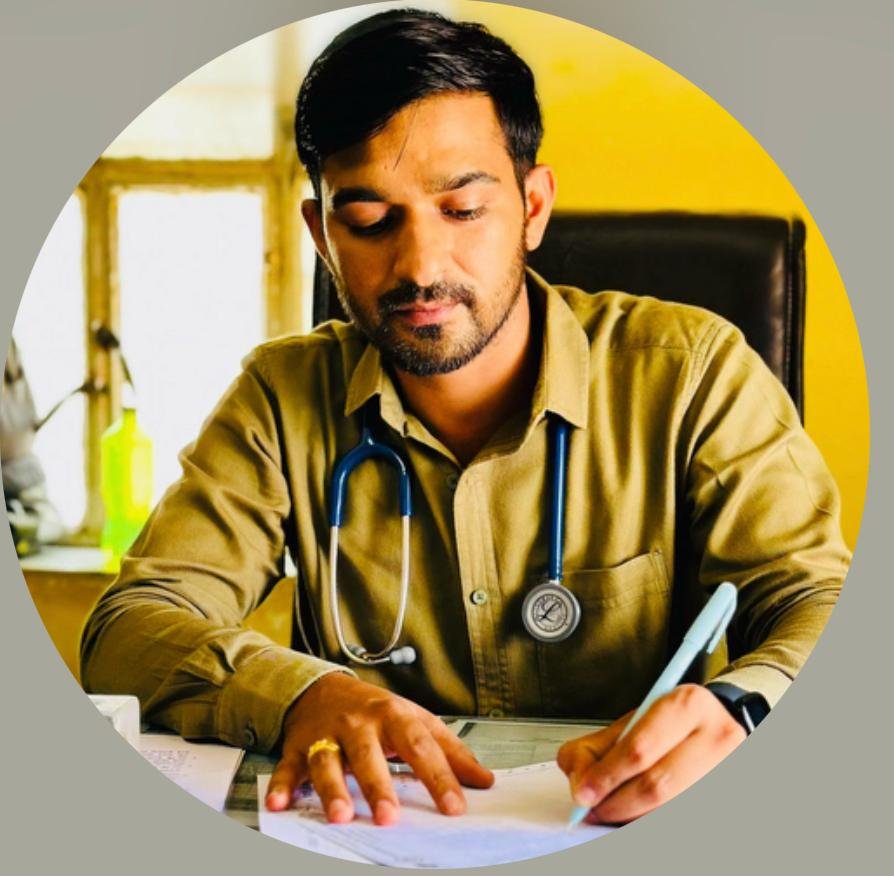
Medical Review Certification
Not Sure Which Service Your Family Member Needs?
Speak with AtHomeCare’s clinical team in Patna. We will assess your situation over the phone, recommend the right service, and give you a clear cost estimate — no obligation, no pressure.