How Home Healthcare Works in Patna: From Your First Call to Complete Recovery
This guide walks you through every stage of the home healthcare journey in Patna — from the moment you pick up the phone to the day your loved one achieves recovery. You will learn exactly how caregiver selection works, what happens during the first assessment, how medications and equipment are managed, and what emergency systems protect your family.
Home healthcare in Patna follows a structured eight-stage process — from initial phone consultation to recovery discharge. Each stage involves specific clinical protocols, caregiver verification steps, and quality checks designed to ensure patient safety. This guide documents every step transparently so families know exactly what to expect.
What Home Healthcare in Patna Actually Means
Home healthcare in Patna means bringing qualified medical professionals — nurses, physiotherapists, and trained attendants — to your doorstep to deliver clinical care that would otherwise require hospital visits or admission. It includes medication management, wound care, vital sign monitoring, post-surgical rehabilitation, elderly care, and even home ICU setups with ventilators and multipara monitors.
Unlike domestic help or untrained attendants sourced through local agencies in areas like Kankarbagh, Boring Road, or Rajendra Nagar, professional home healthcare is delivered by verified and clinically trained staff who follow documented medical protocols. The care is supervised by senior clinicians and coordinated with your treating doctor.
Important Distinction
Home healthcare is not the same as hiring an aaya or domestic helper. Home healthcare involves clinical procedures, medical decision-making support, and emergency response capability. Confusing the two puts patients at significant medical risk, especially elderly patients with chronic conditions.
Stage 1: Your First Call — What Happens
When you call AtHomeCare’s Patna operations number, a trained care coordinator answers — not a call center agent reading scripts. The coordinator collects structured clinical and logistical information, identifies the urgency level, and begins matching your requirements with available caregivers in Patna.
Information Collected During Your First Call
- Patient’s full name, age, weight, and diagnosed medical conditions
- Current medications with dosages and timing (a photo of the prescription is preferred)
- Treating doctor’s name, hospital of discharge, and contact number
- Discharge summary or recent medical reports (if available)
- Type of care needed: nursing, attendant, physiotherapy, home ICU, or combined
- Shift preference: 12-hour (day or night) or 24-hour care
- Preferred start date and whether the situation is urgent
- Complete address in Patna with landmarks and floor information
- Whether medical equipment is already available at home or needs to be arranged
- Family member who will be the primary point of contact
What Happens Immediately After the Call
The care coordinator creates a patient case file within 30 minutes. A clinical supervisor reviews the medical details and classifies the case into one of three urgency tiers:
| Urgency Tier | Deployment Timeline | Typical Scenarios |
|---|---|---|
| Tier 1 — Critical | 2 to 4 hours | Post-ICU discharge, ventilator patient, active wound with bleeding, tracheostomy with recent tube change |
| Tier 2 — Urgent | 4 to 8 hours | Post-surgery discharge (within 48 hours), catheter or Ryle’s tube insertion needed, IV antibiotics prescribed |
| Tier 3 — Planned | 24 to 48 hours | Elderly care, chronic disease management, physiotherapy, post-surgery after initial stabilization |
Tip for Families in Patna
Keep the discharge summary and prescription photos ready on your phone before calling. This single step can reduce the assessment-to-deployment time by up to 3 hours because the clinical supervisor can begin care planning immediately without waiting for documents.
Stage 2: Clinical Assessment and Care Planning
Before a caregiver is deployed, a clinical assessment is performed. For Tier 1 and Tier 2 cases, this happens through a detailed phone consultation with the family and, if possible, the treating doctor. For Tier 3 cases, a supervisor may visit the home in Patna for a physical assessment.
What the Clinical Assessment Covers
- Medical history review: All diagnosed conditions, surgical history, known allergies, and current symptom status
- Medication reconciliation: Comparing the discharge prescription with medications the family has at home to identify gaps or duplicates
- Functional assessment: Patient’s mobility level, ability to eat independently, continence status, and cognitive awareness
- Home environment evaluation: Bathroom accessibility, bed height, presence of stairs, ventilation, and space for medical equipment
- Risk stratification: Identifying fall risk, pressure sore risk, aspiration risk, and infection vulnerability
- Equipment needs: Determining whether hospital bed, oxygen concentrator, suction machine, or monitoring devices are required
The Care Plan Document
Based on the assessment, a written care plan is created. This is not a generic template — it is specific to the patient’s diagnosis, the treating doctor’s instructions, and the home environment in Patna. The care plan includes:
- Daily vital sign schedule (e.g., BP every 4 hours, SpO2 continuous for respiratory patients)
- Complete medication chart with exact timings, routes, and special instructions
- Specific nursing procedures required (wound dressing frequency, catheter care schedule, suctioning protocol)
- Physiotherapy goals and exercise plan (if applicable)
- Nutrition and hydration targets
- Red flag symptoms that require immediate doctor contact or hospital transfer
- Weekly review milestones to track progress
Warning
Never accept home healthcare from any provider in Patna that does not create a written care plan. Without a documented plan, the caregiver has no structured protocol to follow, medication errors become likely, and there is no baseline to measure improvement or deterioration against.
Stage 3: How Caregivers Are Selected for Your Home
Caregiver selection at AtHomeCare follows a multi-step matching process. The clinical supervisor reviews the care plan requirements and matches them against available caregivers based on clinical skills, language preference (Hindi, Bhojpuri, or English), gender preference, and prior experience with similar cases.
The Complete Verification Pipeline
Every caregiver who enters a patient’s home in Patna has passed through this verification pipeline:
| Verification Step | What Is Checked | How It Is Verified |
|---|---|---|
| Identity Verification | Aadhaar card, voter ID, or passport | Physical document check with cross-verification on government portal |
| Address Verification | Permanent and current address | Address proof document cross-checked with Aadhaar database |
| Police Background Check | Criminal record in any state | Police verification certificate from the caregiver’s home district |
| Nursing Council Registration | Valid nursing license (for nurses) | Registration number verified on the respective State Nursing Council website |
| GDA Certification | Valid General Duty Assistant certificate (for attendants) | Certificate verified with issuing training center and NSDC portal |
| Reference Check | Previous employer feedback | Minimum two reference calls to previous healthcare employers |
| Health Screening | Infectious diseases, physical fitness | Recent medical certificate including COVID-19 status, TB test, and HIV test |
Training Requirements Before Deployment
Verification alone is not sufficient. All caregivers complete a structured training program before being assigned to any patient in Patna:
- Core training (40 hours minimum): Hand hygiene, vital sign measurement, patient communication, infection control basics, safe patient handling and transfer techniques
- Procedure-specific training (additional 16–32 hours): Catheter care, tracheostomy care, wound dressing, Ryle’s tube feeding, injection administration — assigned based on the patient’s needs
- Emergency response training (8 hours): Recognizing deterioration signs, CPR basics, choking response, seizure management, and the escalation protocol
- Home ICU training (40 additional hours for ICU nurses): Ventilator management, multipara monitor interpretation, arterial blood gas basics, emergency airway management
Transportation and Accommodation
For specialized cases where a matching caregiver is not available locally in Patna, AtHomeCare coordinates transportation from the nearest operational city. For long-term 24-hour assignments, the family provides a clean sleeping space with basic amenities. Outstation caregivers receive a one-day orientation about the local area, nearby hospitals, and emergency contacts before starting duty.
Stage 4: The First Day of Care at Your Home
The first day is the most critical phase of the entire home healthcare process. What happens in the first 2 hours determines the safety and quality of care for the entire assignment. The nurse or attendant arrives at the patient’s home in Patna with a standardized first-day protocol.
First Two Hours: Step-by-Step Protocol
Minute 0–15: Introduction and Environment Check
The caregiver introduces themselves to the patient and family, verifies the patient’s identity, and conducts a quick scan of the room for safety hazards — loose wires, wet floors, poor lighting, blocked pathways, and bathroom accessibility.
Minute 15–30: Vital Sign Assessment
Blood pressure, pulse rate, respiratory rate, temperature, and SpO2 are measured and recorded as baseline values. For ICU patients, a full set of vitals including blood sugar level, pupil response, and consciousness level (using Glasgow Coma Scale or AVPU scale) is documented.
Minute 30–50: Medication Reconciliation
Every medication in the home is compared against the prescription. The nurse checks expiry dates, verifies dosages, and organizes medications into a time-labeled medication tray. Any missing medications are flagged immediately to the family and the pharmacy coordinator.
Minute 50–80: Physical Examination and Documentation
The nurse examines the patient’s current wounds, catheter sites, tracheostomy stoma (if applicable), skin condition (especially pressure-prone areas), and limb mobility. All findings are documented in the handover register with photographs if relevant for wound monitoring.
Minute 80–100: Equipment Verification and Setup
If medical equipment has been delivered, the nurse verifies that every device is functioning correctly — oxygen concentrator flow rate, suction machine pressure, monitor alarm settings, syringe pump calibration. Any malfunction is reported immediately for replacement.
Minute 100–120: Handover Register Setup and Family Briefing
The nurse initializes the handover register, explains the daily routine to the family, identifies the primary contact person, shares the emergency escalation number, and obtains the family’s consent for doctor coordination. The first-day report is submitted digitally to the clinical supervisor.
Emergency Note
If the first-day vital sign assessment reveals abnormal values (BP below 90/60 or above 180/110, SpO2 below 92%, temperature above 101°F, or altered consciousness), the nurse does not proceed with routine care. The clinical supervisor is informed immediately, the treating doctor is contacted, and hospital transfer is arranged if required. Patient safety is never compromised for protocol completion.
Stage 5: Ongoing Care, Monitoring, and Supervision
After the first day, the care enters a structured daily cycle. The nurse follows the care plan while the clinical supervisor monitors remotely and through periodic home visits. This dual-layer system ensures that care quality does not degrade over time — a common problem in home healthcare where families stop paying attention after the initial few days.
Daily Care Cycle
| Time | Activity | Documentation |
|---|---|---|
| Shift Start | Vital signs, handover review from previous shift, patient physical check | Handover register entry with vitals and overnight events |
| Morning Round | Oral care, personal hygiene, skin inspection, repositioning (for bedridden patients) | Skin condition log, repositioning chart tick |
| Medication Rounds | Medication administration as per chart, insulin injection, nebulization if prescribed | Medication chart signed with time and dose given |
| Midday | Meal supervision, feeding support, intake-output recording, physiotherapy session | Intake-output chart, physiotherapy progress note |
| Afternoon | Wound dressing (if scheduled), catheter bag monitoring, vitals recheck | Wound assessment with photo, catheter output log |
| Evening | Evening medication, evening care routine, shift handover preparation | Shift summary in handover register |
| Night Shift | 2-hourly vitals for critical patients, repositioning every 2 hours, suctioning as needed | Night vigilance chart with timed entries |
Shift Handover Protocol
For 24-hour care assignments, shift changes are the highest-risk moments. Errors during handovers — missed medications, undocumented vitals changes, incomplete wound observations — are a leading cause of preventable complications in home care. AtHomeCare’s handover protocol is designed to eliminate these gaps:
- Outgoing nurse completes all documentation before the next nurse arrives — no verbal-only handovers
- Incoming nurse reads the entire handover register before touching the patient
- Incoming nurse independently rechecks vitals and compares with the last recorded values
- Both nurses physically examine the patient together — wounds, catheter, drains, skin condition
- Both nurses count and verify all medications in the tray against the medication chart
- Both nurses sign the handover register with time and any concerns noted
- Minimum 15-minute overlap between shifts to ensure complete information transfer
Clinical Supervision Schedule
- Day 1: Clinical supervisor calls the family within 4 hours of deployment to confirm smooth arrival
- Day 3: First physical supervision visit — reviews handover register, checks infection control compliance, assesses patient condition
- Day 7: Second supervision visit — compares patient status with Day 1 baseline, adjusts care plan if needed, collects family feedback
- Weekly thereafter: Physical supervision visit for critical patients; telephonic review for stable patients
- Monthly: Operations manager conducts an independent quality audit
What Families Should Watch For
Check the handover register daily. Look for blank time slots (meaning vitals were missed), unsigned medication entries, or declining vital trends. If you notice the nurse skipping documentation, report it to the supervisor immediately — documentation gaps are the earliest warning sign of care quality deterioration.
Stage 6: Medical Equipment and Pharmacy Integration
Many home healthcare assignments in Patna require medical equipment and regular medication supplies. AtHomeCare operates an integrated equipment logistics and pharmacy support system to ensure that the right tools and medicines reach the patient’s home on time.
Equipment Deployment Process
- Requirement identification: Clinical supervisor specifies exact equipment based on the patient’s medical condition
- Availability check: Patna equipment inventory is checked. If unavailable locally, equipment is sourced from the nearest warehouse
- Sanitization and testing: Every device is sanitized with hospital-grade disinfectant, function-tested by a biomedical technician, and calibrated if applicable
- Delivery and setup: Equipment is delivered to the patient’s home before or alongside the caregiver. The delivery team sets up the device, demonstrates operation, and confirms alarm settings
- Ongoing maintenance: For long-term rentals, a preventive maintenance visit is scheduled every 30 days. Backup equipment is available for emergency replacement within 4 hours in Patna
Common Equipment Deployed in Patna Homes
| Equipment | Used For | Setup Time |
|---|---|---|
| Hospital Bed (Manual/Electric) | Bedridden patients, post-surgery recovery, pressure sore prevention | 30 min |
| Air Mattress (Alternating Pressure) | Pressure ulcer prevention and treatment for bedridden patients | 15 min |
| Oxygen Concentrator (5L/10L) | COPD, respiratory failure, post-COVID recovery, hypoxia | 20 min |
| BiPAP/CPAP Machine | Sleep apnea, COPD exacerbation, neuromuscular respiratory weakness | 45 min |
| Suction Apparatus | Tracheostomy suctioning, oral suctioning, secretions management | 10 min |
| Multipara Monitor | Continuous monitoring of BP, SpO2, heart rate, temperature for critical patients | 20 min |
| Syringe Pump | Precise IV medication delivery (insulin, antibiotics, pain management) | 15 min |
| DVT Pump | Deep vein thrombosis prevention for post-surgical and bedridden patients | 10 min |
| Nebulizer Machine | Asthma, COPD, bronchitis — bronchodilator delivery | 5 min |
Home ICU Deployment
For patients requiring intensive-level care at home, a complete home ICU is deployed. This goes beyond individual equipment rental — it is a coordinated setup involving a biomedical technician, an ICU-trained nurse, and a remote intensivist available for teleconsultation.
A typical home ICU setup in Patna includes: hospital bed with air mattress, multipara monitor with continuous SpO2 and ECG, oxygen concentrator with backup cylinder, suction apparatus, BiPAP or portable ventilator (as prescribed), emergency crash cart with basic resuscitation supplies, and a dedicated ICU nurse trained in ventilator management and emergency response.
Integrated Pharmacy Support
- Day 1: Complete medication list is shared with the pharmacy coordinator. Any missing medicines are sourced and delivered within 4 to 8 hours in Patna
- Ongoing: The nurse tracks medication stock daily. When any medication has less than 48 hours of supply remaining, a refill request is triggered automatically
- Specialized items: Surgical dressings, catheter kits, tracheostomy tubes, Ryle’s tubes, and sterile supplies are delivered as needed
- Injection and IV supplies: Syringes, IV sets, IV fluids, and injection medications are delivered in sterile packaging with batch numbers recorded for traceability
Stage 7: Emergency Escalation Protocols
Emergencies can happen at any time during home healthcare — cardiac arrest, sudden respiratory distress, seizure, fall with injury, or equipment failure. AtHomeCare has a structured three-tier escalation protocol that every caregiver in Patna is trained to follow without hesitation.
Tier 1: Immediate Response (Minute 0–5)
The on-duty nurse provides immediate clinical intervention — CPR if no pulse, positioning for airway protection during seizure, oxygen administration for respiratory distress, pressure application for bleeding, stabilization of fracture suspected after a fall. Simultaneously, the nurse activates the emergency alert by calling the 24-hour clinical supervisor hotline and informing the family.
Tier 2: Clinical Decision Support (Minute 5–15)
The clinical supervisor connects with the treating doctor via phone to relay real-time vitals and patient status. The doctor provides instructions — continue home management, adjust medications, or prepare for hospital transfer. If the treating doctor is unreachable, AtHomeCare’s empaneled physician provides telephonic guidance.
Tier 3: Hospital Transfer (Minute 15 onward)
If hospitalization is required, the nurse prepares the patient for transport — secures IV lines, ensures airway protection, packages all medical records including the handover register and recent vitals chart, and coordinates with the family to arrange ambulance. The nurse accompanies the patient to the hospital and provides a verbal and written handover to the hospital emergency team.
Critical: Do Not Wait to See If the Patient Improves
The most dangerous mistake families make during home healthcare emergencies is waiting to see if the patient improves on their own. If the nurse says hospital transfer is needed, do not delay. In conditions like cardiac arrest, stroke, or severe respiratory distress, every minute of delay reduces survival chances and increases permanent damage risk.
Infection Prevention During Routine Care
- Hand hygiene with alcohol-based rub before and after every patient contact (minimum 20 seconds)
- Disposable gloves worn for all wound care, catheter care, and bodily fluid contact
- Sterile technique for wound dressing — sterile field, sterile instruments, no touch technique
- Catheter care with antiseptic solution at the insertion site every shift
- Tracheostomy care using sterile inner cannula replacement technique
- Biomedical waste segregated into color-coded bags: yellow for infected waste, red for recyclables, white for sharp objects
- Daily disinfection of reusable equipment (stethoscope, BP cuff, thermometer) with alcohol wipes
Stage 8: Recovery Milestones and Discharge
Home healthcare is not open-ended. From the first day, the care plan includes defined recovery milestones that serve as objective markers of improvement. When these milestones are consistently met, the clinical supervisor initiates a structured discharge process — not an abrupt termination of services.
Sample Recovery Timeline: Post-Knee Replacement in Patna
| Week | Milestones Expected | Care Level |
|---|---|---|
| Week 1 | Wound healing on track, pain controlled, knee flexion to 60° with physio, independent bed mobility with assistance | 24-hour nursing + daily physiotherapy |
| Week 2 | Sutures removed, knee flexion to 90°, walking with walker for short distances, reduced pain medication | 12-hour nursing + daily physiotherapy |
| Week 3 | Wound fully healed, knee flexion to 110°, walking with walker independently, stair climbing with support | 12-hour attendant + physiotherapy 5x/week |
| Week 4 | Walking without walker (using cane), knee flexion near normal, independent in all daily activities | Physiotherapy 3x/week only |
| Week 5–6 | Full independent mobility, no pain at rest, ready for outpatient follow-up only | Discharged from home care |
The Discharge Process
- Milestone review: Clinical supervisor reviews whether all care plan milestones have been met consistently for at least 5 consecutive days
- Doctor consultation: The treating doctor is consulted to confirm that home care can be safely discontinued
- Family counseling: The supervisor meets with the family to explain the patient’s current status, remaining precautions, and warning signs to watch for
- Written discharge summary: A comprehensive document summarizing the entire care period — baseline condition, interventions provided, progress achieved, current medication list, and follow-up schedule
- Equipment retrieval: All rented equipment is collected, cleaned, and returned to inventory
- Follow-up call: A follow-up call is made 72 hours after discharge to confirm the patient is stable
Never Abruptly Stop Home Care
Families sometimes stop home care suddenly because they feel the patient “looks fine.” This is especially dangerous for elderly patients who may appear stable in the morning but deteriorate at night. Always follow the clinical discharge process. If you want to reduce care intensity, discuss a step-down plan with the supervisor.
Home Nursing vs Patient Care vs Home ICU in Patna
Families in Patna often confuse these three service levels, leading to either overpaying or under-provisioning. The table below clarifies the differences.
| Parameter | Patient Care Attendant (GDA) | Home Nursing (Staff Nurse) | Home ICU |
|---|---|---|---|
| Qualification | GDA certificate | GNM/BSc Nursing with council registration | BSc Nursing + 2 years ICU experience + home ICU training |
| Medication | Cannot administer. Can only remind and hand over oral tablets | Oral, subcutaneous, IM injections, IV through cannula | All nurse routes + syringe pump, IV titration, blood transfusion monitoring |
| Vital Monitoring | Temperature and pulse manually. Cannot interpret | Full vitals with clinical interpretation | Continuous multipara monitoring with trend analysis, ECG, alarm response |
| Wound Care | Cannot perform. Can keep area clean | Simple to moderate dressing, suture/staple removal | Complex wounds, NPWT, surgical wound management |
| Catheter Care | Monitor output and bag only | Foley catheter care, bag change, removal (female) | All nurse-level + insertion, difficult scenarios, urostomy care |
| Emergency | Can call family and ambulance only | BLS, oxygen, seizure management, CPR | ALS, airway management, ventilator troubleshooting, crash cart |
| Supervision | Weekly phone check-in | Weekly physical supervision | Weekly physical + remote intensivist 24/7 |
| Best For | Mobile elderly needing companionship and basic help | Post-surgery, chronic disease, stable patients needing procedures | Post-ICU, ventilator-dependent, unstable vitals, end-of-life |
Do You Need Home Healthcare? A Decision Guide
Many families in Patna delay seeking professional home healthcare because they are unsure whether their situation warrants it. This decision tree helps you assess based on clinical criteria.
Question 1
Was the patient discharged from a hospital in the last 30 days?
↓
Yes →
Professional home healthcare is recommended. The first 72 hours after discharge carry the highest risk of complications. Explore Home Nursing in Patna
No → Continue
Proceed to the next question.
↓
Question 2
Does the patient have diabetes requiring insulin, hypertension with recent fluctuations, heart failure, COPD on oxygen, chronic kidney disease, or stroke history?
↓
Yes →
Professional home healthcare is medically necessary. These conditions require regular monitoring and medication adherence tracking. Explore Patient Care in Patna
No → Continue
Proceed to the next question.
↓
Question 3
Is the patient bedridden, unable to walk without support, or experiencing frequent falls?
↓
Yes →
Professional home healthcare is needed. Bedridden patients require 2-hourly repositioning, catheter and bowel management, and supervised feeding. Read our Elderly Care Guide
No → Continue
Proceed to the next question.
↓
Question 4
Does the patient have a catheter, Ryle’s tube, tracheostomy, or surgical wound needing regular care?
↓
Yes →
A staff nurse is required — not an attendant. These are clinical procedures with infection risk. Explore Specialized Nursing in Patna
No →
If none of the above apply, the patient may be managing well independently. However, if you notice increasing confusion, weight loss, poor appetite, or difficulty with daily activities, schedule a consultation — these are early warning signs.
Pre-Booking Checklist for Families in Patna
Having these items ready before you call will significantly speed up the process.
Documents to Keep Ready
- Discharge summary from the hospital (most important document)
- Current prescription with all medications, dosages, and timings
- Recent lab reports (within last 7 days if available)
- Imaging reports (X-ray, CT, MRI) if relevant to current condition
- Previous medical history documents or a summary from the family
- Aadhaar card or ID proof of the patient
- Insurance card (if claiming reimbursement)
- Treating doctor’s contact number and OPD appointment details
Home Preparation Steps
- Clear the patient’s room of unnecessary furniture for equipment and nurse movement
- Ensure the bed is accessible from both sides (at least 2 feet clearance)
- Check bathroom — non-slip mat, grab bars, adequate lighting
- Arrange a clean sleeping space for the caregiver if 24-hour care is needed
- Ensure working electrical connections near the patient’s bed for equipment
- Keep a working phone charger near the patient’s bed for emergency calls
- Inform building security or gatekeeper about expected medical visits
- Share exact landmarks and floor information for easy location by the caregiver
Questions to Ask the Care Coordinator
- What is the exact qualification and experience of the caregiver being assigned?
- Has this caregiver handled a similar case before?
- What is the supervision schedule — how often will someone physically visit?
- How are medication refills managed? Who delivers them?
- What happens if the caregiver falls sick or needs an unplanned day off?
- What is the process if I am not satisfied with the caregiver?
- How do I reach the clinical supervisor in an emergency at 2 AM?
- Will the caregiver’s duties be documented daily? Can I see the handover register?
- What are the exact charges — are there any hidden costs for equipment, transport, or pharmacy?
- What is the payment schedule — daily, weekly, or monthly?
How AtHomeCare Maintains Quality in Patna
Quality in home healthcare is not achieved through a single checkpoint — it requires layered systems that operate continuously. AtHomeCare’s quality framework in Patna operates across five dimensions:
1. Recruitment Quality
Caregivers are sourced through nursing institutions, registered staffing agencies, and referral networks. Every candidate undergoes the full 7-step verification pipeline before onboarding. AtHomeCare does not recruit through unverified social media groups or word-of-mouth referrals without background checks — a practice unfortunately common in Patna’s unorganized home care market.
2. Training Quality
Training is not a one-time event. Caregivers undergo annual refresher training, procedure-specific upskilling when new clinical protocols are introduced, and mandatory infection control retraining every 6 months. Training effectiveness is assessed through practical demonstrations and written assessments — not just attendance.
3. Supervision Quality
The supervision schedule (Day 1 call, Day 3 visit, Day 7 visit, weekly thereafter) is tracked digitally. If a supervision visit is missed, an automated alert is triggered to the operations manager. Supervisors use a standardized 32-point checklist during each home visit covering clinical care, documentation, infection control, equipment status, caregiver behavior, and patient satisfaction.
4. Patient Feedback Integration
Feedback is collected at three points: Day 7, Day 30, and at discharge. The survey covers nurse competence, punctuality, behavior, communication quality, documentation completeness, and overall satisfaction. Negative feedback triggers a same-day call from the operations manager and a corrective action plan within 24 hours.
5. Incident Reporting and Learning
Every clinical incident — medication error, near-miss, equipment malfunction, patient fall, or unplanned hospitalization — is documented in an incident report. The clinical team reviews all incidents weekly to identify patterns. Systemic issues lead to protocol changes that are communicated to all caregivers across all cities.
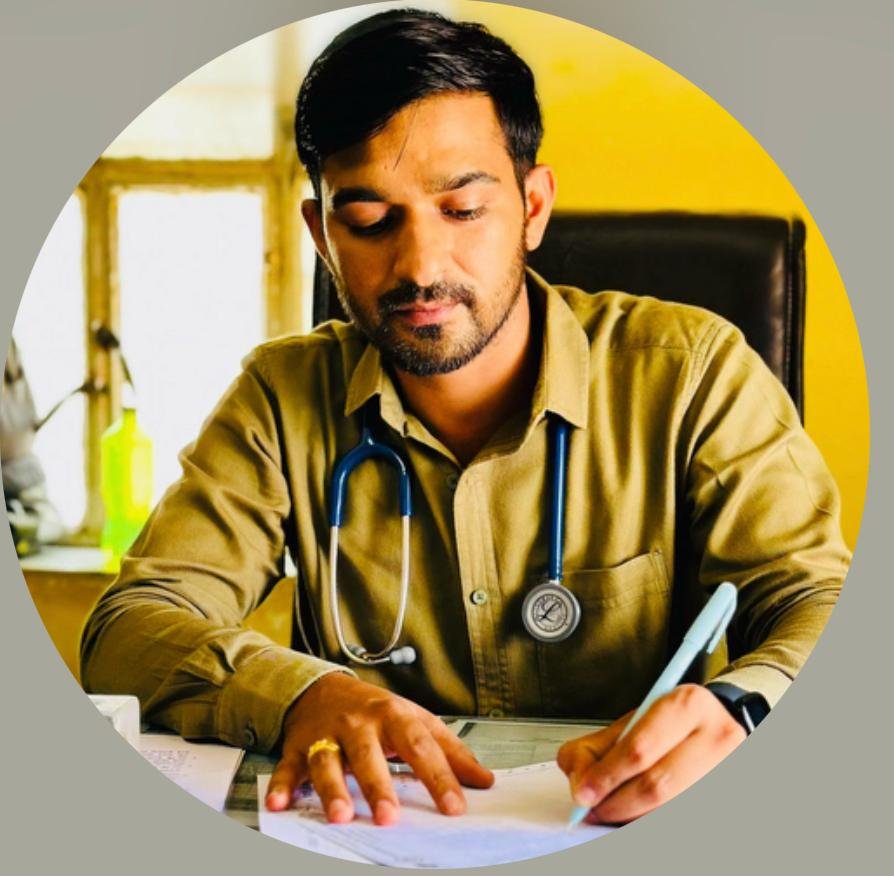
Reviewed By: Dr. Anil Kumar
Qualification: MBBS | Registration No.: RMC-79836 | Experience: 7 Years
“Understanding the home healthcare process empowers families to make informed decisions and actively participate in their loved one’s recovery. This guide accurately reflects the clinical protocols that should be followed in any professional home care setting. I particularly want to emphasize three points: first, always insist on a written care plan; second, never skip the medication reconciliation step on day one; and third, trust the nurse’s clinical judgment during emergencies — hesitation costs lives. Home healthcare, when delivered with structured protocols and proper supervision, produces outcomes comparable to hospital care for a wide range of conditions.”
Frequently Asked Questions About Home Healthcare in Patna
How quickly can AtHomeCare deploy a nurse to my home in Patna after I call?
For standard requests, AtHomeCare deploys a verified nurse or caregiver within 4 to 6 hours in Patna. For urgent or post-discharge cases, deployment can happen within 2 hours. Emergency home ICU setups with ventilators and monitors can be arranged within 4 to 8 hours depending on equipment availability.
What information do I need to provide when I first call AtHomeCare in Patna?
You need to share the patient’s name, age, diagnosis, current medications, doctor’s contact details, discharge summary (if available), address in Patna, type of care needed (nursing, attendant, physiotherapy, ICU), preferred start date, and whether 12-hour or 24-hour care is required. A recent prescription or discharge summary significantly speeds up the process.
How does AtHomeCare verify and train its caregivers before sending them to homes in Patna?
Every caregiver undergoes ID verification, address verification, police background check, nursing council registration verification (for nurses), and reference checks. They complete a minimum 40-hour clinical training program covering infection control, vital sign monitoring, emergency response, and patient handling. Nurses additionally undergo procedure-specific training for catheter care, tracheostomy, wound dressing, and IV management.
What happens on the first day when the nurse arrives at my home in Patna?
The nurse conducts a thorough initial assessment including vital signs (BP, pulse, temperature, SpO2, respiratory rate), reviews the medication list against prescriptions, assesses the home environment for safety hazards, checks existing medical equipment, documents the patient’s current condition in a handover register, and establishes a communication line with the treating doctor. A detailed first-day report is shared with the family and the clinical supervisor.
How are shift handovers managed for 24-hour home care in Patna?
Shift handovers follow a structured protocol. The outgoing nurse documents all vitals recorded during the shift, medications administered, any changes in condition, intake-output records, and pending tasks in a physical handover register. The incoming nurse reviews this register, independently rechecks vitals, physically examines the patient, and countersigns the handover. Both nurses communicate directly for at least 15 minutes during the overlap period.
Can I change my caregiver if I am not satisfied in Patna?
Yes. AtHomeCare allows caregiver replacement without any penalty. You can request a change by calling the dedicated Patna operations number. The replacement is typically arranged within 24 hours for non-urgent cases and within 4 to 6 hours for urgent situations. A clinical supervisor will also call to understand the specific concern and ensure the replacement better matches your requirements.
How does AtHomeCare coordinate with my hospital doctor in Patna?
With your written consent, AtHomeCare’s clinical team shares periodic patient status reports including vital sign trends, medication adherence, wound healing progress, and any clinical concerns directly with your treating doctor. For critical patients, weekly teleconsultation coordination is arranged. If the patient was discharged from a Patna hospital, AtHomeCare obtains the discharge summary and follows the prescribed treatment plan exactly.
What medical equipment does AtHomeCare provide at home in Patna?
AtHomeCare provides hospital beds (manual and electric), air mattresses for pressure sore prevention, oxygen concentrators, BiPAP and CPAP machines, suction apparatus, multipara monitors, syringe pumps, nebulizers, DVT pumps, wheelchairs, walkers, and commode chairs. All equipment is sanitized, tested, and delivered with setup instructions. For home ICU setups, the complete equipment bundle is deployed and configured by a biomedical technician.
How is a home ICU setup different from regular home nursing in Patna?
Home ICU involves continuous vitals monitoring with a multipara monitor, ventilator or BiPAP support, trained ICU nurses with critical care experience, 24-hour clinical supervision by a remote intensivist, emergency escalation protocols, and backup equipment on standby. Regular home nursing covers medication administration, wound care, personal hygiene, and basic vital checks. Home ICU is typically recommended for patients recently discharged from ICU, on ventilator support, or with unstable vital parameters.
What emergency protocols does AtHomeCare follow if a patient deteriorates at home in Patna?
AtHomeCare follows a three-tier emergency protocol. Tier 1: The on-duty nurse provides immediate first-aid and stabilizes the patient while informing the clinical supervisor and family simultaneously. Tier 2: The clinical supervisor connects with the treating doctor via phone for real-time instructions. Tier 3: If hospitalization is needed, the nurse arranges ambulance coordination, prepares the patient for transport with all medical records, and ensures continuity of care until hospital handover. The average response time from deterioration detection to ambulance dispatch is under 15 minutes.
How does medication management work during home healthcare in Patna?
The nurse maintains a medication chart listing every drug, dosage, timing, and route. Medications are administered strictly as per the prescription. The nurse conducts a medication reconciliation on day one to compare the prescription with what the family has at home. AtHomeCare’s integrated pharmacy service can deliver prescribed medications to your doorstep in Patna. Refill reminders are sent 48 hours before a medication runs out. Any discrepancies or side effects are immediately reported to the treating doctor.
What infection prevention measures do AtHomeCare nurses follow in Patna homes?
Nurses follow hospital-grade infection control protocols including hand hygiene with alcohol-based rub before and after every patient contact, use of disposable gloves for wound care and catheter handling, proper biomedical waste segregation in color-coded bags provided to the family, daily disinfection of medical equipment, catheter care with sterile technique every shift, and tracheostomy care using sterile supplies. The clinical supervisor conducts random infection control audits during home visits.
How long does a typical post-surgery home recovery program last in Patna?
Recovery duration depends on the surgery type. Joint replacement (knee/hip) typically requires 4 to 6 weeks of home physiotherapy and nursing care. Abdominal surgery recovery ranges from 2 to 4 weeks. Cardiac surgery (CABG, valve replacement) requires 6 to 8 weeks with cardiac monitoring. Spine surgery needs 6 to 12 weeks with restricted mobility support. The exact duration is determined by the treating surgeon’s discharge instructions and the patient’s weekly progress assessments.
Does AtHomeCare provide physiotherapy at home in Patna?
Yes. AtHomeCare deploys qualified physiotherapists to homes across Patna for post-surgical rehabilitation, stroke recovery, joint mobility exercises, chest physiotherapy for respiratory conditions, balance and gait training for fall-prone elderly, and pain management through therapeutic exercises. Sessions typically last 45 to 60 minutes. The physiotherapist coordinates with the patient’s orthopedic surgeon or neurologist and provides weekly progress reports.
How does AtHomeCare handle caregiver accommodation for long-term assignments in Patna?
For 24-hour care assignments, the family is expected to provide a clean, separate sleeping space for the caregiver with basic amenities including a bed, clean bedding, access to a bathroom, and meals. AtHomeCare provides guidance on caregiver accommodation standards. For outstation caregivers deployed to Patna for specialized assignments, AtHomeCare coordinates initial temporary accommodation and ensures smooth transition to the patient’s home. Caregiver comfort is monitored during supervision visits.
What is the cost of home healthcare services in Patna?
Costs vary based on the type and duration of care. Trained attendants (GDA) start from approximately ₹800 to ₹1,200 per day for 12-hour shifts. Staff nurses range from ₹1,500 to ₹2,500 per day. ICU-trained nurses cost between ₹2,500 and ₹4,000 per day. Physiotherapy sessions cost ₹500 to ₹800 per session. Medical equipment rental varies by device — hospital beds from ₹3,000 per month, oxygen concentrators from ₹5,000 per month. Exact pricing is provided after the initial assessment based on the patient’s specific needs.
Can AtHomeCare manage patients with tracheostomy at home in Patna?
Yes. AtHomeCare has ICU-trained nurses experienced in tracheostomy care including suctioning (both oral and tracheal), inner tube cleaning and replacement, stoma care and dressing, humidification management, tube change assistance under doctor’s guidance, and emergency management of tube displacement or blockage. The nurse is trained to recognize signs of infection, monitor oxygen saturation continuously, and coordinate with the ENT surgeon or pulmonologist for follow-up.
How do I know if my parent needs home healthcare or just a domestic attendant in Patna?
A domestic attendant helps with cooking, cleaning, and basic companionship but has no medical training. Home healthcare is needed when the patient requires medication administration (especially injections, insulin, or IV drips), wound dressing, catheter or Ryle’s tube management, vital sign monitoring, physiotherapy, or supervision after a hospital stay. If your parent has diabetes, hypertension, heart disease, dementia, is bedridden, or was recently discharged from hospital, professional home healthcare is medically necessary — not optional.
Does AtHomeCare work with insurance companies for home healthcare claims in Patna?
AtHomeCare provides detailed invoices and treatment records that patients can submit to their insurance companies for reimbursement. Some insurance policies under health benefit packages cover post-hospitalization home nursing care for a specified period (typically 30 to 60 days). AtHomeCare’s team helps you understand what your policy covers and provides all required documentation including prescriptions, nursing notes, and equipment usage records. Direct cashless claims are available with select insurance partners.
What quality monitoring systems does AtHomeCare use for home care in Patna?
AtHomeCare uses a multi-layer quality monitoring system. Level 1: Daily digital reports submitted by the nurse covering vitals, medications, and patient status. Level 2: Weekly supervision visits by a senior clinical supervisor who physically visits the patient’s home, reviews the handover register, checks infection control compliance, and assesses the patient’s progress. Level 3: Monthly quality audits by the Patna operations manager. Level 4: Patient and family feedback surveys at 7 days, 30 days, and at discharge. Any deviation triggers an immediate corrective action plan.
Ready to Start Home Healthcare in Patna?
A single call is all it takes. Our care coordinator will assess your needs, create a care plan, and have a verified caregiver at your doorstep — often within hours.