Living With Ankylosing Spondylitis: Understanding Spinal Stiffness and Long-Term Daily Challenges in Patna
A doctor-reviewed, plain-language guide for patients, families and caregivers.
- Medically reviewed by Dr. Anil Kumar
- Updated: 10 November 2026
- Approx. 25-min read
- For families in Patna
What Is Ankylosing Spondylitis?
Your spine is a stack of small bones called vertebrae, with joints between them that let you bend and twist. At the bottom, two joints called the sacroiliac joints connect the spine to the pelvis. In AS, the body’s defence system becomes overactive in these areas, attacking the spots where ligaments and tendons grip bone — doctors call these entheses.
The attack creates swelling and pain even without infection or injury. When inflammation repeats over months and years, the body lays down extra bone as a faulty “repair”. Slowly, bone bridges from one vertebra to the next — doctors call this fusion ankylosis. A badly fused spine looks like bamboo on an X-ray, hence “bamboo spine”.
Ankylosing spondylitis belongs to a family called axial spondyloarthritis. When X-rays already show damage, doctors use the name ankylosing spondylitis. When symptoms are present but X-rays look normal, the condition is called non-radiographic axial spondyloarthritis — real disease, just not yet visible on plain X-ray. An MRI can show it earlier.
AS usually begins in the late teens, twenties or thirties, most often before 45. It is diagnosed more often in men, but women get it too — and in women it is more often missed. AS is not caused by sitting badly, lifting wrongly or catching cold. It runs partly in families through genes such as HLA-B27.
Ankylosing Spondylitis Symptoms in Adults
AS symptoms creep in: weeks and months pass with a dull, deep ache low in the back or buttocks that keeps returning. Because it looks like “normal” back pain, many adults ignore it for years or treat it with rest — the wrong medicine here.
Back pain with a special pattern
Doctors call the classic AS pain inflammatory back pain. It has a recognisable fingerprint:
- Starts slowly, before age 45, lasting over three months.
- Feels worst in the morning, with stiffness over 30 minutes.
- Wakes you in the second half of the night, around 2–5 am.
- Improves with movement, worsens with rest or sitting still.
- Often switches between the left and right buttock.
Pain beyond the back
- Heels and soles — pain at the back of the heel or under the foot (enthesitis).
- Hips and shoulders — deep ache, more common when AS starts young.
- Rib joints — chest pain worse with a deep breath or cough.
- Neck — stiffness that usually appears later in the illness.
Whole-body signs
AS is a body-wide inflammatory condition, so adults may also notice deep fatigue, low-grade fever during flares and slow weight loss. Some develop uveitis (eye inflammation), psoriasis or long-lasting gut trouble. As the spine stiffens, touching the toes becomes harder and the chest expands less while breathing deeply.
Morning Back Stiffness and Spinal Inflammation
Imagine a rusty gate hinge: stiff after a night of no use, smoother once you swing it. A spine with active inflammation behaves the same way. During sleep you lie still, so inflammatory chemicals settle around the spinal joints and the tissue swells. On waking, everything feels locked and sore; as you stretch, walk and warm the tissues, the stiffness melts.
Patients often describe a fixed timetable: pain is bad by evening, wakes them around 3–5 am, and the first hour of the day is hardest. These details — night waking and stiffness minutes — are the best home markers of disease activity.
What helps mornings feel better
- Gently stretch in bed before standing — knee rolls, arm reaches, deep breathing.
- Roll onto your side and push up with your arm instead of sitting straight up.
- Take a warm shower, letting the water run over the lower back.
- Use a hot-water bag or heat pack on stiff areas for 10–15 minutes.
- Move early — a short walk inside the house beats another hour in bed.
- Take prescribed medicines at the time your doctor advised.
- Avoid very high pillows, and keep the bedroom warm in Patna’s winter.
Inflammatory or Mechanical Back Pain?
Most back pain is mechanical — muscle, disc or joint wear — and improves with rest. AS is the opposite: rest makes it worse, movement makes it better. Telling them apart early matters most, because the treatments are completely different.
| Feature | Inflammatory pain (suggests AS) | Mechanical pain (muscle, disc, wear) |
|---|---|---|
| Age of start | Usually under 45, often 20s–30s | Any age, more common after 40–50 |
| How it begins | Slowly, over weeks to months | Often suddenly, after lifting or strain |
| Effect of rest | Stiffness and pain worsen | Pain improves with rest |
| Effect of movement | Improves with walking and exercise | Often worsens with activity |
| Morning stiffness | More than 30 minutes, sometimes hours | Less than 30 minutes |
| Night pain | Wakes patient in the second half of the night | Usually only if the position is wrong |
| Other features | Buttock pain, heels, eyes, gut, skin, fatigue | Localised back or leg pain; numbness if a nerve is pressed |
| Course | Persists for months, flares and settles | Settles in days to weeks with care |
| Myth | Fact |
|---|---|
| “It is just back pain from sitting wrongly.” | AS is an immune-driven inflammatory disease, not a posture problem. |
| “Full bed rest will heal the spine.” | Long rest worsens stiffness. Correct exercise is real medicine here. |
| “My HLA-B27 test is positive, so I have AS.” | Many healthy people carry HLA-B27. Diagnosis needs the full picture. |
A Simple Self-Check Decision Tree
Open each question below and answer honestly — a clearer way to describe what you feel when you speak to a doctor.
-
Has your back pain lasted three months or more, and did it start before age 45?
Yes 1 point — the first rule of inflammatory back pain.
No Shorter, later-onset pain is more often mechanical.
-
Is your morning stiffness longer than 30 minutes?
Yes 1 point — a classic inflammatory marker. Note the minutes.
No Stiffness under 30 minutes is less typical of AS.
-
Does walking or light exercise ease the pain, while rest makes it worse?
Yes 1 point — the “movement helps” pattern of inflammatory pain.
No Pain worse with activity points to a mechanical cause.
-
Does pain wake you in the second half of the night, around 2–5 am?
Yes 1 point — night waking in the early hours is very typical.
No Position-related discomfort alone is less specific.
-
Do you also have switching buttock pain, heel pain, red painful eyes, or long-lasting tiredness?
Yes 1 point — these companions of AS strengthen the case.
No No extra points, but watch symptoms over the coming weeks.
Axial Spondyloarthritis: Daily Challenges Beyond Back Pain
Patients often say the back pain is only half the story. The other half is everything the pain quietly interrupts: a full day of classes, a family function, a night of good sleep.
Sitting, study and desk work
A stiff spine hates long, still sitting. The fix is rhythm, not a fancy chair: stand and move for a minute every 30–45 minutes, use a small lumbar cushion, and keep both feet flat.
Travel and commuting
Pothole-jolted rides and long two-wheeler commutes load the spine. Prefer the front seat of a car with firm back support, break long trips hourly, and carry a small cushion. Riders with active disease should discuss two-wheeler use with their doctor.
Household work
Sweeping, mopping, squatting to wash clothes and lifting heavy pots all involve bending — the movement a stiffening spine tolerates least. Slide vessels instead of lifting, split heavy chores across the week, and use a long-handled mop. Asking for help is good management, not weakness.
Sleep and mood
Night pain steals deep sleep, and poor sleep raises pain the next day — a cycle that also pulls mood down. Low mood and anxiety are more common in AS and deserve open conversation with your doctor.
Fatigue Associated With Spinal Inflammation
Fatigue is one of the most under-rated symptoms of AS: a heavy, whole-body exhaustion that can appear even after a full night’s sleep. Families sometimes misread it as laziness, which hurts — knowing the causes helps everyone respond kindly.
Where the tiredness comes from
- Active inflammation itself — the chemicals that inflame the spine drain the whole body’s energy.
- Broken nights — pain waking you at 3 am steals the deepest sleep.
- Weakened muscles — when pain limits activity, everyday tasks cost more effort.
- Low mood — ongoing pain is draining, and depression deepens fatigue. Anaemia, thyroid problems and low vitamin D also contribute and are treatable.
Pacing: budgeting your energy
Think of your energy as a daily budget, spread across the day. Put the hardest task in your best hours — usually late morning, after the stiffness melts. Take short breaks before you feel exhausted. On flare days, cut the plan in half rather than paying for it with three bad days.
Why Early Specialist Assessment Matters
Studies show that people with axial spondyloarthritis often wait five or more years from first symptoms to the right diagnosis. In India the gap can be longer, because early AS is commonly treated as “gas”, “weakness” or simple back strain. During those untreated years, inflammation keeps damaging joints — and late-caught damage is harder to undo.
Which doctor should you see?
A rheumatologist — a specialist in inflammatory joint and spine diseases — is the right doctor for AS. Orthopaedic surgeons treat fractures and disc problems; inflammatory arthritis belongs to rheumatology. Under 45 with months of stiffness that improves with movement? Ask for a rheumatology opinion. In Patna, rheumatologists practise at AIIMS Patna, IGIMS, PMCH and established private hospitals.
What happens during assessment
- History: the doctor maps your pain pattern — timing, stiffness minutes, night waking, family history, eye, skin or gut symptoms.
- Examination: simple bending tests check how far the spine and hips move, and how well the chest expands.
- Blood tests: CRP and ESR measure inflammation (they can be normal in AS); HLA-B27 looks for the gene link.
- Imaging: an MRI of the sacroiliac joints can show inflammation years before X-ray changes appear.
What early treatment looks like
Early management usually starts with anti-inflammatory medicines (NSAIDs) taken properly for a fair trial, a structured daily exercise programme, and follow-up to measure response. If disease stays active, rheumatologists today have strong options such as TNF-inhibitor or IL-17-inhibitor injections that can shut down inflammation before the spine fuses — but they work best when started early.
When travelling to a specialist is too painful during a bad phase, a doctor home visit can bridge assessments until you can reach the OPD comfortably.
Daily Activities With Ankylosing Spondylitis
Work and study
Set up your chair so your back is supported and the screen is at eye level. A one-minute stand-and-stretch break every 30–45 minutes beats an hour of perfect posture. Most employers are more understanding than people fear, especially with a doctor’s note.
Kitchen, bathing and dressing
Store daily-use items between waist and shoulder height so you rarely bend or stretch overhead. Slide pots rather than lifting them. In the bathroom, non-slip mats and a grab bar remove the riskiest moments of the day. Dress sitting on a firm chair, and prefer slip-on footwear.
Exercise: the closest thing to medicine
Movement is not optional in AS — it is treatment. The best-evidenced routine includes daily posture and spinal extension exercises (gentle backward bending), deep-breathing work for the rib joints, walking, and swimming, which supports the body while every joint works. A physiotherapist can build your home programme — the point is to do it daily, like a prescribed tablet.
Weather in Patna
Cold December–January mornings tighten muscles — layer up, keep rooms warm, and walk indoors on the coldest, foggiest days. In the humid monsoon, wipe damp floors dry and wear grip slippers. In summer, exercise early and drink enough water.
Home Safety and Fall Prevention
Two things raise fracture risk in AS: posture and stiffness shift the centre of gravity, and chronic inflammation can lower bone density. Most spinal fractures in AS follow minor events — a bathroom slip, a pothole jolt, a stumble on a stair. Prevention at home is treatment, not fussiness.
- Wipe bathroom and kitchen floors dry immediately; never walk on wet floors in socks.
- Fix non-slip mats in the bathroom, and add a grab bar near the toilet and shower.
- Install handrails on both sides of stairs, and keep stairs well lit.
- Put a night light on the bedroom-to-bathroom path for 2 am trips.
- Remove loose rugs, trailing wires and clutter from walking areas.
- Wear closed footwear with grip at home — not loose chappals on polished floors.
- Never stand on stools or chairs to reach shelves; ask for help.
- Keep a charged phone within reach at night.
- Ask your doctor about a bone density (DEXA) check, vitamin D and fall-risk medicines.
Where balance is poor or a flare confines someone to bed, the right equipment helps: a hospital bed with side rails, a firm mattress, walking aids. Our Patna team arranges medical equipment on rent with delivery, setup and guidance.
Family Support for Ankylosing Spondylitis
AS is an invisible illness: a person can look well while fighting stiffness, fatigue and low mood underneath. Families who understand this become the strongest part of the treatment plan — support is a set of learnable habits.
What helps most
- Learn the condition together. When everyone knows rest worsens AS and movement helps, nobody says “just lie down” during a flare.
- Believe the pain. Symptoms follow inflammation, not willpower.
- Share the bending-heavy work. During flares, quietly take over floor cleaning and heavy pots.
- Be an exercise partner, not a coach. Walk together, swim together.
- Guard the medicine plan. Keep a shared chart and reminders so prescriptions never lapse — refills can run through our medicine delivery and refill service.
- Join the appointments that matter. A second set of ears catches details the patient may miss.
- Watch the mood, not just the spine. Withdrawal or hopelessness lasting weeks deserves attention.
What to avoid
Over-helping is the most common mistake — doing everything for the person slowly takes away confidence and muscle strength. Pushing through a flare “because guests are coming” is the second. Support means making the prescribed plan easier to follow, not replacing it.
Long-Term Management of Ankylosing Spondylitis
AS is a marathon, won with routine rather than heroics. The five pillars work together: medicines calm inflammation, exercise keeps what medicine protects, and follow-up catches drift early.
Pillar 1: Medicines, taken properly
NSAIDs (anti-inflammatory painkillers) are usually the first prescription and work best as a sustained course — always with food, and never self-adjusted. When disease remains active, rheumatologists may discuss advanced injections such as TNF or IL-17 inhibitors, which target the inflammation itself. Never stop biologics without your doctor, and report fever or infection promptly. Steroids are not a long-term AS treatment.
Pillar 2: Exercise as prescribed medicine
The exercise programme maintains the gains — do not drop it when you feel better. A good plan includes morning stretches, spinal extension and posture work, deep-breathing for the rib joints, and steady activity like brisk walking or swimming. A structured physiotherapy plan at home helps build the habit safely.
Pillar 3: Stop smoking — completely
This pillar has no polite version: smoking makes AS worse, speeds up spinal damage, and blunts the effect of advanced medicines. For a patient with AS, quitting is as powerful as starting a new drug.
Pillar 4: Bone, weight and general health
Ask about bone density (DEXA), vitamin D and calcium, since AS raises osteoporosis risk. Keep weight in a healthy range and vaccinations current — especially before biologics.
The care journey over time
-
Assessment and diagnosis
Rheumatology consultation, blood tests and MRI; first treatment plan; baseline measurements recorded.
-
Finding the right routine
Medicines adjusted, physiotherapy programme learned, posture and sleep habits rebuilt, home safety changes made.
-
Building stability
Exercise becomes a daily habit, follow-ups every three months, flare plan agreed, work and travel adjusted.
-
Living well long-term
Reviews every six to twelve months when stable, eye and bone checks. Most people work, travel and raise families normally.
Handling flares
A flare is a stretch of days to weeks when pain and stiffness sharply rise. Triggers include infections, stress, missed medicines, smoking and deep cold. Agree on a written flare plan in advance: what to take, what to avoid, when to call.
-
Calm and comfort
Use the agreed flare plan, keep taking prescribed medicines, apply heat, stay gently moving.
-
Steady, not still
Stay active in small doses, protect sleep, note symptoms in the diary. Never start steroids or antibiotics on your own.
-
Escalate if not settling
If it has not clearly improved, contact your rheumatologist for review rather than waiting.
Ankylosing Spondylitis Medical Follow-Up and Home Tracking
AS follow-up is not a formality. It measures invisible things — inflammation and side effects that have not yet produced symptoms — and corrects course early. Skipping reviews removes the early-warning system that protects the spine.
What the doctor checks
At each visit, expect a short mobility examination, chest expansion measurement, a review of your diary and medicines, and sometimes CRP or ESR blood tests. The doctor compares today with your baseline — another reason home records matter.
A simple home tracker
| What to note | How often | Why it matters |
|---|---|---|
| Morning stiffness (minutes) | Daily or weekly | Best home marker of disease activity |
| Night waking from pain | Weekly count | Shows whether inflammation is settling |
| Pain score 0–10 | Daily or weekly | Tracks the trend, not single bad days |
| Fatigue level | Weekly | Often changes before other symptoms |
| Exercises and medicines completed | Daily tick | Keeps the plan honest, prevents gaps |
| Activities that were hard | As they happen | Concrete changes for the doctor |
Call the doctor between visits when
- Morning stiffness climbing well above your usual for over two weeks.
- New pain in the heel, hip or chest, or night pain returning.
- Fever with back pain, unexplained weight loss, or medicine side effects — stomach pain, black stools, swelling, repeated infections.
Home nursing can carry this tracking for you. A trained nurse from our home nursing service in Patna records vitals, keeps the diary updated, times medicines and prepares a summary for every OPD visit.
How AtHomeCare Supports Ankylosing Spondylitis Patients in Patna
Home care for AS does not cure the disease — it makes the prescribed plan physically possible on difficult days: reaching the rheumatology OPD during a flare, doing exercises correctly, taking medicines on time, and keeping the home safe from another fall. We carry those burdens in a structured, supervised way.
How our caregivers are selected and trained
Caregivers are recruited through a documented process: identity and address verification, background and police verification, reference checks with previous employers, and a health screening. Selected caregivers complete structured training in safe mobility assistance, transfers, positioning, medication reminders, fall-risk awareness and emergency response. Attendants work under nurses; nurses under clinical supervisors. We deploy only matched, verified caregivers — never unverified substitutes.
How care is supervised and quality is monitored
Every care plan is written, not verbal. Day and night staff hand over using a written log of what was done, what changed and what needs attention. Clinical supervisors conduct periodic home visits and quality calls, and care plans are reviewed whenever the patient’s condition or prescription changes. Infection prevention — hand hygiene, safe handling, home hygiene guidance — is standard for every deployment.
The logistics families ask about
- Transportation coordination: we help plan supportive transport for OPD, eye, physiotherapy and laboratory visits, with an escort attendant where needed.
- Accommodation support for long-term assignments: for families needing round-the-clock presence, we plan live-in arrangements sensibly — rest space, meals and duty hours — so care stays sustainable for weeks.
- Integrated pharmacy: medicine refills, delivery coordination and reminder schedules so a biologic or NSAID course never lapses mid-way.
- Equipment logistics: hospital beds, mattresses, posture supports, walkers and wheelchairs on rent with delivery, setup and usage training at home.
When care needs to step up
AS rarely needs intensive care, but complications happen — a spinal fracture after a fall, a severe chest infection when rib movement is restricted, or recovery after spinal surgery. For these we deploy home ICU setups with monitors, oxygen support and ICU-trained nurses under a treating doctor’s guidance. Every caregiver follows a written escalation path: attendant to clinical supervisor, supervisor to family and treating doctor — and in an emergency, the ambulance is called first.
| Service | How it helps in AS |
|---|---|
| Home nursing | Medication schedules, flare observation, vitals records, coordination with your rheumatologist. |
| Patient care | Daily activity assistance, safe transfers, bathing and dressing support on stiff mornings. |
| Physiotherapy at home | Implements the prescribed exercise programme correctly; supervises posture, extension and breathing work. |
| Medical equipment | Hospital beds, supportive mattresses, walking aids and wheelchairs, delivered and installed. |
| Pharmacy support | Refills and delivery coordination so long-term medicines are never interrupted. |
| Doctor visits | Reviews and medicine adjustments at home when travel to a clinic is too painful. |
| Home ICU | Doctor-guided monitoring and support for serious complications or post-surgical recovery at home. |
| Elderly care | Combined care for older adults managing AS with blood pressure, diabetes or heart conditions. |
Planning support for a loved one with AS?
Tell us what a hard day currently looks like. Our Patna care coordinators will suggest the right mix of attendant support, nursing and equipment.
Warning Signs: When To Seek Help
Most AS days are managed at home with the routine in this guide. A small number of situations need urgent attention — families should know them by heart. Save this list on the family WhatsApp group.
Keep one page in the home with: your rheumatologist’s clinic number, the hospital emergency number, the 108 ambulance number, and our Patna care team number — +91-92296 62730. Decisions are easier when the numbers are already written down.
Frequently Asked Questions About Living With Ankylosing Spondylitis
Real questions from patients and families in Patna — answered in plain language and medically reviewed. Click any question to open it.
1. What does ankylosing spondylitis actually feel like day to day?
A deep ache and tightness low in the back and buttocks, worst on waking and easing as you move. Sitting too long makes it worse; a walk loosens it. Bad phases bring night pain, heel pain and heavy tiredness; good phases feel almost normal.
2. Is AS the same as ordinary back pain or a “slip disc”?
No. Mechanical pain and slip discs worsen with activity and improve with rest. AS is the reverse: rest worsens it, movement eases it, with morning stiffness over 30 minutes. A slip disc causes one-sided leg pain; AS causes buttock pain that switches sides.
3. Can ankylosing spondylitis be cured?
There is no permanent cure yet, but “incurable” does not mean “untreatable”. Modern treatment can shut down most inflammation and protect the spine from fusing. Many treated patients work, travel and raise families. The goal is low disease activity, and it is reachable.
4. Which tests confirm AS, and where can families in Patna get them?
Diagnosis rests on your history and examination, plus blood tests (CRP, ESR, HLA-B27) and imaging. An MRI of the sacroiliac joints shows early inflammation; X-rays show later changes. Available at major Patna hospitals — but have a rheumatologist read them with your symptoms.
5. My HLA-B27 test is positive. Do I have AS?
Not necessarily. HLA-B27 is a genetic marker: many people with AS carry it, but plenty of healthy people carry it too. A positive test with no symptoms is not a disease. With months of inflammatory back pain, it is a strong signal to see a rheumatologist.
6. Will I end up completely stiff or bent forward?
That outcome belonged to the era before modern treatment. With early diagnosis, proper therapy and daily exercise, most patients keep a mobile, upright spine for life. Severe fusion now mainly affects people who went decades without diagnosis or smoked heavily. Early treatment is the strongest protection.
7. Is exercise safe when my back already hurts?
Yes — in AS, exercise is the treatment, not a risk. Move within comfort, never through sharp pain. Gentle stretching, walking, swimming and prescribed posture exercises reduce stiffness over weeks. During a flare, stay gently active rather than resting flat. Have a physiotherapist set your starting programme.
8. Which exercises and activities help the most?
Four categories work together: daily stretching; posture and extension exercises (gentle backward bending); breathing exercises that keep rib joints moving; and steady aerobic activity — brisk walking and swimming are the most forgiving. Avoid contact sports during active disease. Twenty minutes daily beats two hours on Sunday.
9. How long should morning stiffness last, and when is it a problem?
Inflammatory stiffness typically lasts over 30 minutes. It is a problem when it persists for months, wakes you in the second half of the night, and improves with movement. Consistently crossing 30 minutes under age 45 deserves a rheumatology assessment.
10. Can I keep working or studying with AS?
Most people do, with adjustments. The spine’s enemy is uninterrupted sitting, so build a move-every-30-to-45-minutes rhythm and use lumbar support. During flares, discuss temporary flexibility with employers. Students can request short stand-up breaks in long lectures with a medical certificate.
11. What kind of mattress and pillow are best?
Choose a firm-to-medium, supportive mattress — not rock hard, not sinking soft. A thin-to-medium pillow that keeps the neck in line beats thick pillows. Sleeping on your back with a small neck roll, or on your side with a pillow between the knees, both work.
12. Is there a special diet for ankylosing spondylitis?
No diet cures or replaces AS medicines. Eat sensibly: enough protein, vegetables and fruit, calcium-rich foods, and a healthy weight. Omega-3 sources (fish, flaxseed) may mildly help. Limit alcohol and quit smoking — the single most powerful change. Be wary of expensive supplements sold as cures.
13. Does Patna’s winter cold or monsoon humidity make AS worse?
Weather does not cause AS, but many patients report stiffer winters and damp monsoon days. Cold tightens muscles; humidity adds a general ache. The fix is environmental: warm layered clothing, warm rooms, hot-water bags, dry floors during the rains, and indoor walks on the coldest days.
14. Can AS affect the eyes or other organs?
Yes. Up to about one in three patients develops uveitis — inflammation inside the eye — at some point: redness, pain, light sensitivity and blurred vision, usually one eye at a time. It needs same-day eye treatment. AS can also link with psoriasis and gut inflammation.
15. Do women get ankylosing spondylitis?
Yes, and their disease is more often missed. Women more often have milder X-ray changes and more neck, hip and widespread pain. If a woman under 45 has months of morning stiffness over 30 minutes that improves with movement, she deserves the same assessment as any man.
16. Is AS hereditary? Will my children get it?
AS runs in families, but inheritance is not certain. A parent with AS raises a child’s risk, yet most carriers of HLA-B27 never develop the disease. Tell your children to take persistent inflammatory-pattern back pain seriously and seek early assessment — early diagnosis changes everything.
17. How can AtHomeCare support an AS patient at home in Patna?
We provide verified, trained attendants for stiff mornings; supervised home nursing for medicines, vitals and records; physiotherapy support for exercise programmes; beds and mobility aids on rent; medicine refills; doctor home visits; and transport coordination for OPD visits — all under clinical supervision.
18. When should a family consider professional home care support?
Consider help when flares regularly disrupt household work, when the patient is alone for long hours, when exercises and medicines keep getting missed, or when caregiver exhaustion is visible. Trained support brought in earlier — even part-time — prevents falls, skipped treatment and burnout later.
19. What exactly is a flare, and what should we do during one?
A flare is a stretch of days to weeks when pain, stiffness and fatigue sharply rise. Follow your doctor’s flare plan: keep taking prescribed medicines, use heat, stay gently active, protect sleep. If it has not settled in two weeks, contact your doctor.
20. Which warning signs need urgent medical attention?
Call an ambulance (108) for severe new spine pain after even a minor fall, limb weakness or numbness, loss of bladder or bowel control, sudden breathlessness, chest pain or fainting. See an eye specialist the same day for a red, painful, light-sensitive eye.
Author and Medical Review
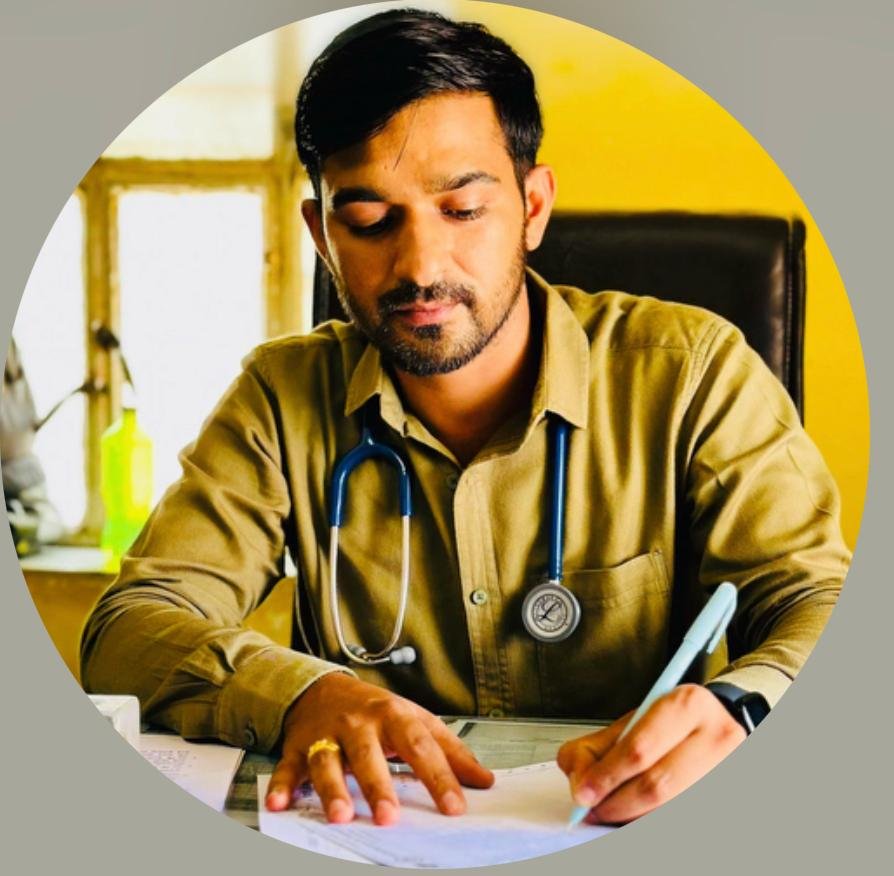
Dr. Anil Kumar
Dr. Anil Kumar writes and clinically reviews AtHomeCare’s patient education pages. With seven years of clinical experience, he reviews every condition guide for medical accuracy, clarity and safe, practical advice families can follow at home.
Medical review statement
This page was medically reviewed by Dr. Anil Kumar (Registration No. RMC-79836, 7 years of clinical experience) on 10 November 2026. The review verified the medical information, emergency warning signs and alignment with standard rheumatology practice. This page is general health education — not a diagnosis or personal treatment plan. Always follow your treating doctor’s advice.
Need help at home in Patna?
An attendant for stiff mornings, a nurse for medicine routines, equipment for safe recovery, or transport for the next OPD visit — our regional team is one call away.