Netherton Syndrome Adult Skin Care With Barrier Protection and Infection Prevention in Patna
A documented clinical journey of a 32-year-old patient with Netherton syndrome transitioning from hospital to structured home healthcare — focusing on skin-barrier integrity, infection surveillance, and functional recovery.
Case Summary
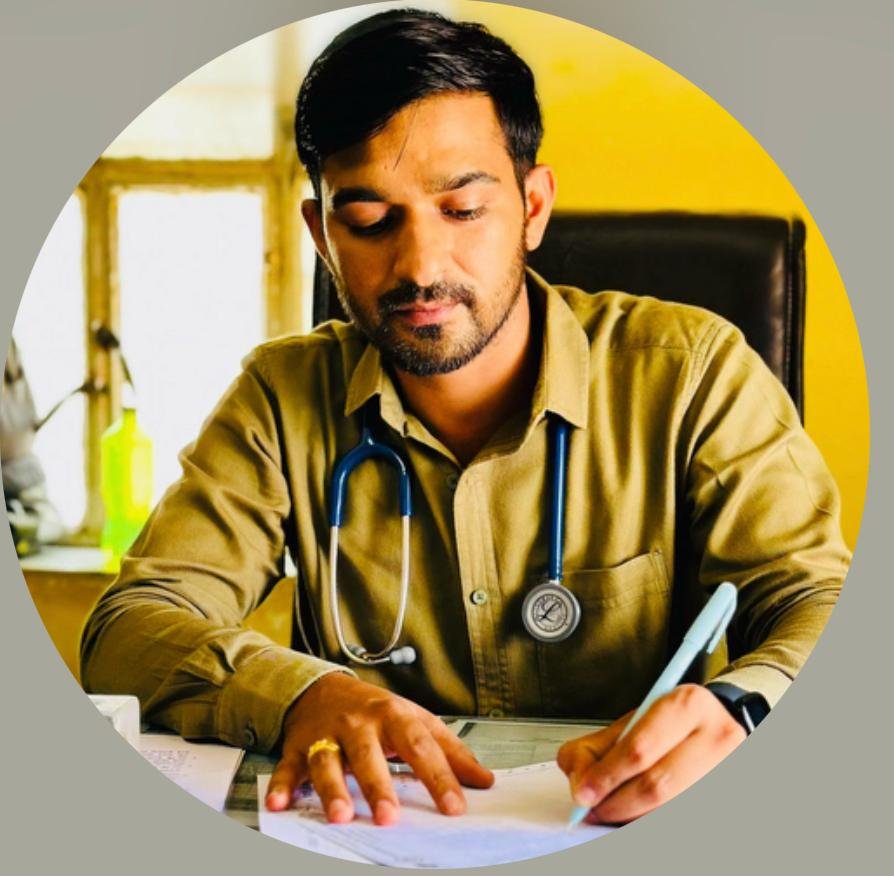
Dr. Anil Kumar
Registration No: RMC-79836
This case study has been reviewed for clinical accuracy and adherence to evidence-based documentation standards. The content reflects standard clinical practice in managing rare inherited skin disorders in a home healthcare setting. All patient details are fictional and created for educational purposes.
Need Professional Home Nursing in Patna?
Skin care monitoring, wound prevention, medication support, and daily clinical care — delivered to your doorstep by trained nurses.
Patient Background
Ms. Kavya Raj was a 32-year-old woman living in Patna, Bihar, who ran an online craft business from her home. She was unmarried and lived with her mother, Mrs. Sunita Raj, who served as her primary caregiver. Her sister, Ms. Nidhi Raj, provided secondary caregiving support when available.
Kavya had experienced recurrent skin inflammation and extreme skin sensitivity since childhood. Her condition had been managed with varying degrees of success over the years, but over the twelve months preceding this episode, her symptoms had become progressively more difficult to control.
She developed widespread redness, scaling, intense itching, persistent dryness, and repeated skin cracks across multiple body surfaces. During periods of worsening inflammation, she experienced significant difficulty sleeping and a reduced ability to perform routine household activities. Her work on the online craft business was intermittently affected during severe flare-ups.
Clinical Context: Why Netherton Syndrome Worsens Over Time
Netherton syndrome is caused by mutations in the SPINK5 gene, which encodes a serine protease inhibitor called LEKTI. This protein normally regulates the desquamation process in the stratum corneum. When LEKTI is deficient or absent, uncontrolled serine protease activity degrades corneodesmosomes, leading to a fundamentally impaired skin barrier. Unlike acquired inflammatory skin conditions, this structural defect persists throughout life. Environmental triggers, hormonal changes, stress, and secondary infections can cause episodic worsening, which is what appears to have occurred in Kavya’s case during the year before hospitalization.
Prior to the acute exacerbation that led to hospitalization, Kavya’s daily functioning was as follows: she could walk independently without a walking aid for approximately 250 metres before experiencing fatigue. She was fully independent in feeding, dressing, basic bathing, grooming, toileting, and communication. However, she required assistance with applying topical treatments to difficult-to-reach areas, heavy household work, laundry involving prolonged standing, and outdoor errands during severe flare-ups.
Her associated medical conditions included intermittent allergic rhinitis that worsened during seasonal changes, mild iron-deficiency anemia being monitored by her physician, and chronic sleep disturbance related to persistent itching. She had no known history of diabetes or chronic kidney disease.
Clinical Diagnosis
Primary Diagnosis: Netherton Syndrome
A dermatology evaluation supported the diagnosis of Netherton syndrome, a rare autosomal recessive inherited disorder. The condition is characterized by a triad of clinical features: ichthyosis linearis circumflexa (a distinctive swirling pattern of skin scaling), trichorrhexis invaginata (a specific hair shaft abnormality commonly known as “bamboo hair”), and atopic diathesis including allergic manifestations such as allergic rhinitis and elevated IgE levels.
In Kavya’s case, the principal manifestations affecting her daily life were related to the skin-barrier component of the disorder. Her main symptoms at the time of hospital presentation included:
Associated Conditions
| Condition | Status at Discharge | Monitoring Plan |
|---|---|---|
| Allergic Rhinitis | Intermittent; worse during seasonal changes | Symptom diary; physician follow-up as needed |
| Mild Iron-Deficiency Anemia | Identified on laboratory testing; being monitored | Physician monitoring; dietary support |
| Sleep Disturbance | Persistent itching interfering with sleep | Itch severity tracking; sleep quality assessment |
| Recurrent Skin Colonization / Infection Risk | Elevated risk due to impaired barrier | Daily skin inspection; infection warning sign education |
Hospital Treatment
Reason for Hospitalization
Kavya was admitted to the hospital after developing extensive skin breakdown with features concerning for secondary infection. Her presenting concerns at the time of admission included:
Clinical Reasoning: Why Hospitalization Was Necessary
The decision to hospitalize was based on the combination of extensive skin breakdown, suspected secondary infection (indicated by oozing and spreading redness), reduced oral intake suggesting dehydration risk, and general weakness. In patients with Netherton syndrome, extensive skin barrier disruption can lead to rapid fluid loss through damaged skin, increased susceptibility to systemic infection (including sepsis), and difficulty maintaining nutrition — all of which are difficult to manage safely at home without initial stabilization. Hospitalization allowed for intravenous hydration if needed, systemic infection monitoring, electrolyte assessment, and specialist-directed topical treatment under controlled conditions.
Hospital Course and Assessment
During her 6-day hospital stay, the clinical team systematically assessed and managed the following parameters:
| Parameter Assessed | Purpose of Assessment |
|---|---|
| Skin Integrity | Document extent of breakdown, identify areas of deepest fissuring, assess for signs of secondary infection |
| Infection Status | Evaluate for local or systemic signs of secondary bacterial infection; monitor for spreading erythema, warmth, or purulent drainage |
| Hydration Status | Assess for dehydration resulting from reduced oral intake and possible trans-epidermal fluid loss through damaged skin |
| Electrolyte Panel | Detect and correct any electrolyte imbalances associated with dehydration or poor intake |
| Nutritional Assessment | Evaluate adequacy of caloric and protein intake relevant to skin healing and general recovery |
| Temperature Monitoring | Screen for fever as an early indicator of systemic infection |
| Medication Response | Evaluate response to prescribed topical treatments and adjust as needed under dermatology guidance |
The hospital team provided specialist-directed dermatological treatment and supportive care. The acute skin condition was stabilized to a point where the skin breakdown was no longer rapidly progressing, infection was adequately controlled, hydration and oral intake had improved, and the patient was judged safe for continued management at home with structured support. A detailed patient care plan was prepared for the transition.
Why Home Healthcare Was Recommended
At the time of discharge, while the acute phase had been stabilized, Kavya continued to have several active concerns that made a return to unsupported self-care medically inappropriate. The decision to recommend home healthcare services was based on the following clinical reasoning:
Persistent Skin-Barrier Compromise
Despite hospital stabilization, Kavya’s skin remained dry, sensitive, and prone to fissuring. Consistent application of prescribed emollients and topical treatments was essential, and she had difficulty reaching certain body areas independently. Without assisted application, critical areas of the back, posterior legs, and other surfaces would receive inconsistent treatment, increasing the risk of barrier breakdown recurrence.
Ongoing Infection Risk
The impaired skin barrier in Netherton syndrome creates a persistent vulnerability to secondary bacterial colonization and infection. Daily professional skin inspection was needed to detect early signs of infection — increasing redness, warmth, swelling, new drainage, or pain — before they progressed to a level requiring re-hospitalization. Families without clinical training may not recognize these subtle early changes. This is a well-documented concern in skin care and moisture management in home settings.
Medication Adherence and Safety
The discharge plan included multiple topical treatments with specific application schedules and techniques. A home nurse could ensure correct application methods, monitor for adverse effects, and prevent the common error of introducing new over-the-counter creams, antiseptics, or home remedies — which can be particularly harmful in Netherton syndrome due to extreme skin sensitivity. Proper medication monitoring and management was critical.
Nutrition and Hydration Monitoring
Her reduced oral intake during the acute phase and ongoing fatigue made it important to monitor that she was maintaining adequate nutrition and hydration at home — both essential for skin healing and general recovery. This aligns with principles of nutrition and hydration support in chronic care.
Sleep Disruption and Functional Impact
Persistent itching was disrupting sleep, which in turn was contributing to fatigue and reduced tolerance for daily activities. A structured home care approach could help optimize the evening skin-care routine, modify the sleep environment, and document itch patterns to provide useful data for the dermatologist at follow-up visits.
Family Education and Confidence
Kavya’s mother was the primary caregiver but needed structured training in infection warning signs, proper skin-care technique, and when to seek urgent medical review. The early warning sign recognition education provided by the home nurse significantly reduced the family’s anxiety and improved their ability to participate safely in care.
The combination of these factors — persistent skin vulnerability, infection risk, medication complexity, nutritional concerns, sleep disruption, and the need for caregiver education — made structured home healthcare the clinically appropriate next step after hospital discharge, rather than a return to unsupported home life.
Home Care Plan by AtHomeCare
The home healthcare plan was designed to address each of the identified clinical needs through a coordinated team approach. Every intervention was linked to a specific clinical objective documented in the discharge plan and aligned with the treating dermatologist’s recommendations. No new treatments were initiated by the home-care team without medical direction.
Home Nursing
Clinical monitoring and care coordination
The home nurse’s role was central to the entire care plan. The nurse was responsible for the following clinical functions:
Patient Attendant
Daily living support and assistance
The patient attendant supported Kavya’s daily functional needs, reducing the physical burden on her mother and allowing her to conserve energy for skin healing. The attendant’s role was distinct from the nurse’s clinical functions and focused on practical assistance.
Skin Care Support
Dermatologist-directed barrier care
The home-care team reinforced the dermatologist’s prescribed skin-care routine without modification. This was a critical safety principle — in Netherton syndrome, inappropriate topical products can cause significant harm. The personalized wound and skin care approach included:
No new topical medication, cream, antiseptic, or home remedy was introduced by the home-care team at any point during the documented care period without explicit dermatologist approval.
Gentle Mobility Guidance
Adapted activity during skin flare-ups
Formal intensive physiotherapy was not required for Kavya. However, guided home-based physiotherapy principles were applied to prevent deconditioning during periods when she reduced her activity due to skin discomfort. The approach was specifically adapted to her condition:
Gentle Stretching
Short Walks
Joint Mobility
Posture Exercises
Light Strengthening
Activity Pacing
Equipment Used
Home care setup for monitoring and comfort
The home setup included basic monitoring and comfort equipment. Any specialized dermatological product was used according to the treating dermatologist’s recommendation. For patients requiring more advanced monitoring, medical equipment rental in Patna can provide additional support.
Digital Thermometer
Digital BP Monitor
Medication Organizer
Skin-Care Organizer
Soft Towels
Non-Irritating Clothing
Exercise Chair
Humidification Support
Structured Daily Care Plan
Morning
- •Skin inspection
- •Gentle bathing or cleansing
- •Prescribed topical treatment
- •Breakfast and hydration
- •Gentle stretching and short walk
Afternoon
- •Lunch
- •Rest period
- •Skin reassessment
- •Light household or online work
- •Hydration and medication as prescribed
Evening
- •Gentle cleansing if required
- •Prescribed skin treatment
- •Light stretching
- •Dinner
- •Review itching and skin discomfort
Night
- •Skin check for new cracks
- •Complete prescribed topical care
- •Confirm nails are kept short
- •Comfortable clothing applied
- •Comfortable bedroom environment
Risks Actively Monitored Throughout Home Care
Required prompt medical evaluation if observed
Escalation Criteria: Fever, rapidly spreading redness, increasing pain, pus-like drainage, significant swelling, or rapidly worsening systemic symptoms required immediate medical evaluation. The family was educated to contact the treating dermatologist or visit the nearest emergency facility without delay if any of these signs appeared.
Recovery Timeline
The following timeline documents the clinical progression, nursing interventions, and functional changes observed during the 12-week home healthcare period. It is important to note that Netherton syndrome is a lifelong genetic condition — the improvements documented represent better symptom management and complication prevention, not a cure.
Clinical Status: Alert and comfortable. Blood pressure 116/72 mmHg, heart rate 78 beats/min, respiratory rate 16/min, temperature 98.4°F, oxygen saturation 99% on room air. General condition stable.
Patient Report: Moderate skin dryness, intermittent itching, tightness of the skin, mild burning over previously cracked areas, difficulty sleeping during severe itching, fatigue, and reduced tolerance for prolonged household activity.
Nursing Intervention: Comprehensive skin assessment completed. Skin symptom diary initiated. Areas of increased dryness, cracked skin, redness, scaling, and scratching-related injury were documented. Family education on infection warning signs began.
Clinical Progress: Skin-care routine was being established. Initial consistency challenges were noted, particularly with the frequency of emollient reapplication. Occasional skin fissures observed on hands and elbows.
Nursing Intervention: Nurse provided hands-on demonstration of proper application technique to both Kavya and her mother. Written schedule created for topical treatments. Medication adherence tracking started.
Family Observation: Mother reported feeling more confident about identifying which skin changes were normal for Kavya’s baseline versus which required concern.
Clinical Progress: Kavya became more consistent with her prescribed skin-care routine. The number of significant scratching-related skin injuries decreased compared to the initial weeks. Skin dryness remained present but was being managed more effectively with regular emollient use.
Nursing Intervention: Skin symptom diary reviewed — data showed a downward trend in scratching-related injuries. Nurse reinforced the importance of continuing the routine even when skin appeared to be improving, as barrier maintenance is ongoing in Netherton syndrome.
Clinical Progress: Average daily itching became less disruptive to sleep. Kavya reported longer uninterrupted sleep periods. She was able to resume more of her online craft business activities, indicating improved daytime function.
Doctor Review: Dermatology follow-up visit occurred. The treating dermatologist reviewed the skin symptom diary data, assessed current skin status, and confirmed that the home-care approach was appropriate. No changes were made to the core skin-care regimen.
Clinical Progress: Kavya was able to walk approximately 320 metres comfortably — a measurable improvement from her baseline of 250 metres. This increase reflected reduced fatigue and improved confidence in physical activity. She required less assistance with household activities.
Patient Response: Kavya expressed that she felt more in control of her daily routine. The structured skin-care schedule had become a habitual part of her day rather than an additional burden.
Clinical Progress at 12-Week Assessment:
Ongoing: Dermatology follow-up remained scheduled and ongoing. The improvement represented better skin-care adherence and complication prevention, not elimination of the underlying genetic condition.
Clinical Evidence
The following tables present the documented clinical data from the home healthcare period. All values are derived from the documented assessments. Where data was not recorded at a specific time point, this is noted.
Initial Vital Signs Assessment (Day 1 of Home Care)
| Clinical Parameter | Recorded Value | Interpretation |
|---|---|---|
| Blood Pressure | 116/72 mmHg | Within normal range |
| Heart Rate | 78 beats/min | Normal sinus rhythm range |
| Respiratory Rate | 16/min | Within normal range |
| Temperature | 98.4°F | Afebrile — no sign of systemic infection |
| Oxygen Saturation | 99% on room air | Normal — no respiratory compromise |
| General Condition | Stable | Appropriate for home care transition |
Functional Status Progression
| Functional Parameter | Baseline (Day 1) | Week 4 | Week 8 | Week 12 |
|---|---|---|---|---|
| Walking Distance (comfortable) | ~250 metres | ~250 metres | ~320 metres | ~320 metres |
| Personal Care (ADLs) | Independent (except topical to hard-to-reach areas) | Independent | Independent | Fully independent |
| Transfers | Independent | Independent | Independent | Independent |
| Household Activity Assistance | Required for heavy work, laundry, errands | Required for heavy work | Less assistance needed | Minimal assistance |
| Online Business Activity | Reduced during flare-ups | Partially resumed | More active | Consistently active |
| Outdoor Activity | Avoided during severe flares | Limited | Gradually increased | Increased gradually |
Skin-Barrier Status Progression
| Skin Parameter | Day 1 | Week 4 | Week 8 | Week 12 |
|---|---|---|---|---|
| Dryness | Moderate | Moderate (better managed) | Mild to moderate | Better controlled |
| Itching Severity | Intermittent, moderate | Intermittent | Less disruptive | Decreased disruption |
| Skin Fissures | Occasional | Occasional | Less frequent | Less frequent |
| Scratching-Related Injuries | Present | Decreased | Further decreased | Significantly decreased |
| Sleep Disruption | Present | Present | Decreased | Decreased |
| Secondary Infection Episodes | None at assessment | None | None | None (no hospitalization) |
| Skin-Care Adherence | Being established | More consistent | Consistent | Consistently followed |
Care Goals Achievement Status
| Goal Category | Specific Goal | Status at Week 12 |
|---|---|---|
| Short-Term | Maintain skin-barrier integrity | Achieved — no major breakdown |
| Reduce preventable skin trauma | Achieved — scratching injuries decreased | |
| Improve sleep disrupted by itching | Achieved — decreased sleep disruption | |
| Long-Term | Prevent avoidable infections | Achieved — no hospitalization for infection |
| Maintain independence in personal care | Achieved — fully independent | |
| Support consistent dermatology follow-up | Achieved — follow-up ongoing |
Recovery Outcome
Important Clinical Note: Netherton syndrome is a lifelong inherited genetic condition caused by SPINK5 gene mutations. There is no cure available through home healthcare or routine medical management. The outcomes documented below represent improvements in symptom control, complication prevention, and functional quality of life — not resolution of the underlying condition. Long-term dermatology follow-up remains essential throughout the patient’s life.
Mobility
Walking distance improved from approximately 250 metres to approximately 320 metres. Fatigue during prolonged activity reduced. Outdoor activity gradually increased.
Sleep Quality
Sleep disruption from itching decreased measurably by week 6 and continued to improve. Longer uninterrupted sleep periods were reported.
Infection Prevention
No major skin infection requiring hospitalization occurred during the entire 12-week documented period. Early detection systems and family education appeared effective.
Skin-Care Adherence
Transitioned from inconsistent application at baseline to a consistently followed skin-barrier routine by week 12. Scratching-related injuries significantly decreased.
Functional Independence
Personal care remained fully independent throughout. Requirement for household activity assistance decreased. Online business activity resumed consistently.
Remaining Challenges
Underlying genetic condition persists. Skin dryness and sensitivity remain chronic features. Ongoing dermatology follow-up is required. Future flare-ups remain possible.
Long-Term Care Requirements
At the conclusion of the documented 12-week period, the following long-term care requirements were identified:
- Continued dermatology follow-up at the intervals recommended by the treating specialist
- Lifelong adherence to a prescribed skin-barrier protection routine
- Ongoing vigilance for infection warning signs, with clear escalation criteria understood by the family
- Monitoring of associated conditions: allergic rhinitis, anemia, and sleep quality
- Periodic home nursing support during flare-ups or when adherence challenges arise, accessible through patient care services in Patna
Family Education Provided
A structured education program was delivered to Kavya and her mother over the course of home care. This education was essential because the family would be responsible for day-to-day management between nurse visits and after the formal home-care period concluded. The importance of quality caregiver education cannot be overstated in chronic condition management.
Key Clinical Learnings
Skin-Barrier Protection Is the Foundation of Netherton Syndrome Management
Unlike inflammatory skin conditions that may have episodic treatment, Netherton syndrome requires continuous, daily barrier protection. The consistent application of prescribed emollients is not a supplementary measure — it is the core therapeutic intervention. Gaps in emollient application directly translate to increased barrier disruption. This principle applies broadly to skin care and moisture management in various chronic skin conditions managed at home.
Damaged Skin Barrier Creates a Compounding Vulnerability Cycle
Each episode of barrier breakdown increases susceptibility to secondary infection, which in turn causes further inflammation and barrier damage. Breaking this cycle requires early intervention at the first signs of fissuring or increased redness — a window that families without clinical training may miss. Home nursing provides the systematic surveillance needed to detect and respond to these early changes.
Product Safety Is Paramount in Netherton Syndrome
Patients with Netherton syndrome have extreme skin sensitivity. Products that are well-tolerated in other skin conditions — including common over-the-counter moisturizers, antiseptics, and herbal remedies — can cause significant worsening. The principle of “no new products without dermatologist approval” must be strictly enforced by the home-care team and clearly understood by the family. This is a critical safety boundary that distinguishes professional specialized nursing in Patna from untrained home care.
Sleep Disruption Has a Cascading Effect on Recovery
In this case, itching-related sleep disruption contributed to fatigue, reduced activity tolerance, and impaired daytime function. Addressing sleep disruption was not merely a comfort measure — it was a functional rehabilitation intervention. Optimizing the evening skin-care routine and sleep environment produced measurable improvements in daytime activity and work capacity.
Home Healthcare Does Not Replace Specialist Care
Throughout this case, the home-care team operated strictly within the scope defined by the treating dermatologist. No diagnoses were made, no treatments were modified, and no new products were introduced by the home-care team. The role was to implement, monitor, educate, and communicate — not to substitute for specialist decision-making. This distinction is fundamental to safe home nursing care in Patna.
Chronic Skin Conditions Require Emotional and Practical Support
Beyond the clinical interventions, patients with chronic visible skin conditions often experience emotional burden, social anxiety, and frustration with the limitations imposed by their condition. The home-care team’s role in providing consistent, non-judgmental support — and in helping the patient regain a sense of control over their daily routine — is a meaningful component of care that extends beyond clinical metrics. The caregiver stress management aspect is equally important for the family.
Frequently Asked Questions
Netherton syndrome is a rare inherited disorder that affects the skin barrier and can also be associated with hair abnormalities (trichorrhexis invaginata or “bamboo hair”) and allergic or immune-related problems including allergic rhinitis and elevated IgE levels. It is caused by mutations in the SPINK5 gene and follows an autosomal recessive inheritance pattern. The condition is present from birth but the severity and specific manifestations can vary significantly between individuals.
The skin barrier helps protect the body from water loss, environmental irritants, and microorganisms. In Netherton syndrome, the genetic defect leads to a fundamentally impaired skin barrier. This means the skin cannot effectively retain moisture or defend against external agents, resulting in chronic dryness, cracking, inflammation, and significantly increased infection risk. Consistent barrier protection through prescribed emollients and gentle skin care is the primary ongoing management strategy because it addresses the root structural defect rather than just treating symptoms.
Yes. Patients with significant skin-barrier disruption have an increased risk of secondary bacterial infections. The cracked, inflamed skin provides entry points for bacteria, particularly Staphylococcus aureus. Warning signs that require prompt medical evaluation include new or increasing redness, warmth, swelling, pus or unusual drainage, increasing pain, fever, or rapidly spreading skin changes. Regular monitoring by a home nurse can help detect these signs early, before they progress to serious infection requiring hospitalization.
Yes. Home nurses can play a valuable role by monitoring skin integrity at regular intervals, supporting adherence to prescribed skin-care routines, identifying infection warning signs early, assisting with topical treatment application to difficult-to-reach areas, educating family members on safe care practices, and tracking symptom patterns to provide useful data for dermatology follow-up visits. The home nurse does not replace the dermatologist but implements and monitors the specialist’s prescribed plan in the home environment.
Not necessarily. Patients with Netherton syndrome can have highly sensitive skin that reacts to ingredients commonly found in over-the-counter moisturizers, including fragrances, preservatives, and certain emollients. Products should be selected according to dermatology advice, particularly when the skin is inflamed or damaged. Some moisturizing agents that are beneficial for other dry skin conditions may be poorly tolerated in Netherton syndrome. This is why the home-care team in this case was instructed not to introduce any new products without dermatologist approval.
Gentle activity may help prevent deconditioning during periods of reduced mobility, but exercises should be carefully adapted to the patient’s current skin condition, pain levels, fatigue, and medical recommendations. In this case, formal intensive physiotherapy was not required. Instead, gentle stretching, short walks, joint mobility exercises, posture exercises, light strengthening, and activity pacing were recommended — all modified based on daily skin status. Strenuous exercise or activities that cause excessive sweating or friction over affected skin areas should be avoided during active flare-ups.
Families can help reduce skin injury by: maintaining short nails to minimize damage from scratching, reducing scratching through distraction techniques and gentle alternatives, avoiding harsh soaps and unnecessary scrubbing, minimizing friction from clothing and bedding by using soft fabrics, using comfortable loose-fitting clothing, following the prescribed skin-care plan consistently, keeping the home environment at a comfortable humidity level, and ensuring the patient’s skin is never allowed to become significantly dry between scheduled emollient applications.
Netherton syndrome is a genetic condition caused by mutations in the SPINK5 gene, and there is currently no cure available through routine medical or home care. Management focuses on protecting the skin barrier through consistent emollient use, treating symptoms such as itching and inflammation, preventing and promptly treating complications such as secondary infections, managing associated conditions like allergic rhinitis, and maintaining overall health, nutrition, and quality of life. Research into targeted therapies is ongoing, but current management is supportive and preventive rather than curative. Regular dermatology follow-up remains essential throughout life.
Immediate medical evaluation or hospital assessment should be sought if the patient develops: fever (which may indicate systemic infection), rapidly spreading redness that expands over hours, significant swelling of the skin or surrounding areas, pus-like or unusual drainage from skin lesions, increasing pain that is not controlled by prescribed measures, extensive new skin breakdown with oozing, signs of dehydration (reduced urine output, dizziness, excessive thirst, confusion), difficulty maintaining adequate oral intake, or any rapid worsening of systemic symptoms such as weakness, rapid heart rate, or breathing difficulty.
AtHomeCare Patna offers several services relevant to patients with chronic skin conditions requiring home management. These include patient care services for daily clinical monitoring and support, dressing services at home for wound and skin care, doctor home visit services for medical review without hospital travel, physiotherapy at home for mobility maintenance, laboratory services for monitoring investigations, and dietitian consultation for nutritional support. All services are coordinated under the direction of the patient’s treating physicians.
Related Services in Patna
Patient Care Services
Clinical monitoring and daily care support at home
Dressing Services at Home
Wound and skin care with sterile dressing techniques
Doctor Visits at Home
Medical review without the burden of hospital travel
Physiotherapy at Home
Gentle mobility and rehabilitation exercises at home
Laboratory Services
Home sample collection for monitoring investigations
Dietitian Consultation
Nutritional guidance for skin health and recovery
Home Healthcare Services
Comprehensive home-based clinical care solutions
Elderly Care Services
Dedicated support for senior family members at home
Injection Services at Home
Safe medication administration by trained professionals
24×7 Pharmacy
Round-the-clock medication availability and support
Medical Equipment Rental
Monitoring devices and care equipment on rent in Patna
ICU at Home
Critical care setup for patients requiring intensive monitoring
Related Reading
Medical Disclaimer
This case study is entirely fictional and created solely for educational purposes. It does not represent a real patient. Any resemblance to actual individuals, living or dead, is purely coincidental. The information provided is intended for education only and should not be used as a substitute for professional medical advice, diagnosis, or treatment.
Always seek the advice of your physician or other qualified health provider with any questions you may have regarding a medical condition. Never disregard professional medical advice or delay in seeking it because of something you have read in this case study. If you think you may have a medical emergency, call your doctor, go to the emergency department, or call emergency services immediately.
The home healthcare interventions described were coordinated under the direction of a treating dermatologist. Home nursing does not replace specialist medical care. Outcomes in real patients may differ significantly from this fictional illustration.
Need Professional Home Nursing in Patna?
Whether it’s post-hospital recovery, chronic condition management, or daily clinical support — our trained nursing team in Patna is ready to help.
A-212, P C Colony Road, Kankarbagh, Bankman Colony, Patna, Bihar 800020 | +91-9229 662730