Home Healthcare Case Study for Peripheral Artery Disease Recovery
A clinically documented journey of a 67-year-old patient in Patna recovering from lower limb angioplasty for Peripheral Artery Disease with Critical Limb Ischemia — managed entirely through coordinated home healthcare over eight weeks.
Patient
Meera Prasad
67 Years · Female
Location
Patna, Bihar
Kankarbagh Area
Primary Condition
PAD with CLI
Post-Angioplasty
Duration · Outcome
8 Weeks
Full Wound Healing
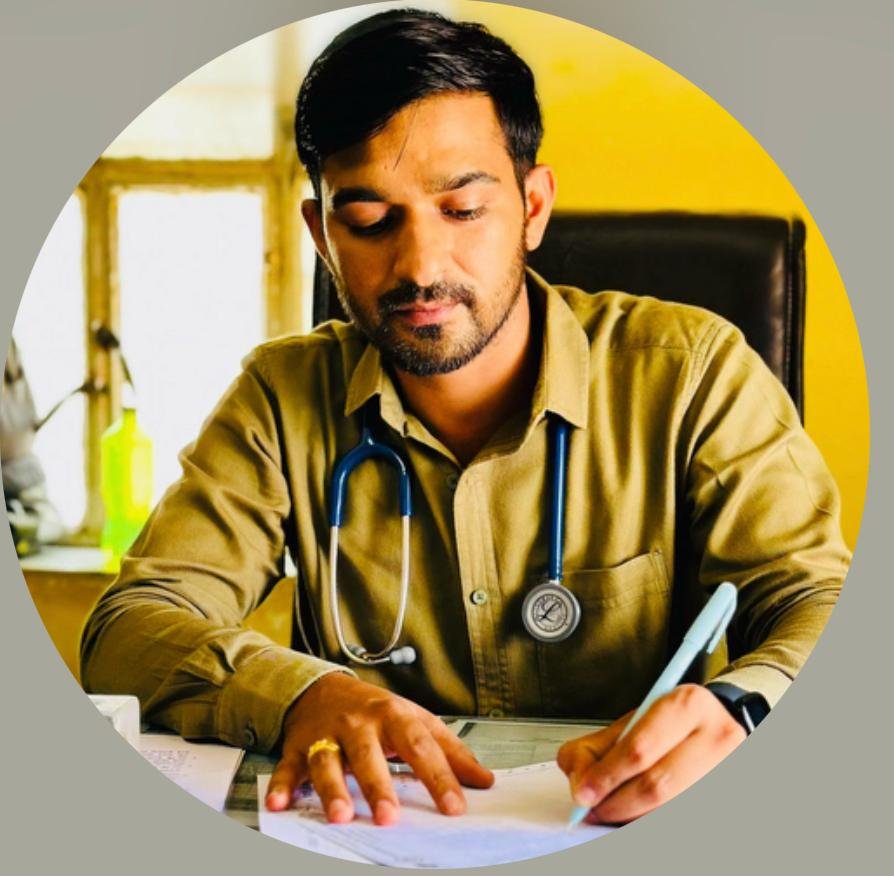
Dr. Anil Kumar
Verified Medical AuthorRegistration No.: RMC-79836
This case study has been clinically reviewed and documented for educational purposes. It reflects the standard of care expected in post-angioplasty home recovery for elderly patients with Peripheral Artery Disease and diabetes. All clinical decisions, assessments, and outcomes described are consistent with evidence-based vascular and geriatric care guidelines.
Table of Contents
Patient Background
Mrs. Meera Prasad, a 67-year-old retired school principal residing in Patna, Bihar, presented with a gradually progressive clinical picture that is characteristic of advanced vascular disease in elderly patients. A widowed woman living with her daughter and son-in-law, she had been managing multiple chronic conditions for over fifteen years. Her daughter served as the primary caregiver, with her son-in-law providing secondary support — a family structure commonly observed in elderly care setups across India.
Medical History
- Type 2 Diabetes Mellitus — 15 years duration, managed with oral hypoglycemic agents. Long-standing diabetes is a significant risk factor for peripheral arterial disease, as chronic hyperglycemia accelerates endothelial dysfunction and atherosclerotic plaque formation.
- Dyslipidemia — Abnormal lipid profile contributing to atherosclerotic burden. Elevated LDL cholesterol and triglycerides are directly implicated in the pathogenesis of arterial narrowing.
- Controlled Hypertension — On antihypertensive medication. Hypertension contributes to arterial wall damage and is an independent risk factor for PAD progression, as documented in chronic disease management guidelines.
Lifestyle & Baseline Function
- Occupation: Retired school principal — previously active lifestyle with significant standing and walking during her working years.
- Baseline mobility: Independent in all activities of daily living (bathing, dressing, toileting, eating, grooming) prior to symptom onset. This level of functional independence is an important baseline for measuring post-illness decline.
- Family support: Daughter and son-in-law available full-time — a critical factor enabling safe home-based recovery for elderly patients.
Clinical Reasoning
The combination of Type 2 Diabetes of 15 years’ duration, dyslipidemia, and hypertension represents a classic triad of metabolic risk factors that converge to produce accelerated atherosclerosis. In elderly patients, this triad is the most common pathological pathway leading to Peripheral Artery Disease. The fact that Mrs. Prasad had been independent in all daily activities before symptom onset meant that her functional decline was directly attributable to the vascular compromise — not to age-related deconditioning alone. This distinction is clinically important because it suggests that restoring blood flow, combined with structured rehabilitation, could meaningfully recover her functional capacity.
Clinical Diagnosis
Primary Diagnosis
Peripheral Artery Disease (PAD) with Critical Limb Ischemia
Caused by significantly reduced blood flow to the left lower limb due to arterial narrowing. Critical Limb Ischemia (CLI) represents the most severe stage of PAD, characterized by rest pain, ischemic ulcers, or gangrene, and carries a significant risk of limb loss if not treated promptly.
Presenting Symptoms Before Hospitalization
Severe Left Calf Pain
Classical claudication — pain induced by walking, relieved by rest
Foot Numbness
Sensory deficit likely from combined ischemic neuropathy and diabetic neuropathy
Delayed Wound Healing
Ischemic ulcer near the ankle — a hallmark of Critical Limb Ischemia
Toe Discoloration
Indicative of severely compromised distal perfusion
Diagnostic Workup
The diagnosis was established through a structured vascular assessment protocol. After clinical examination, a Doppler ultrasound was performed to evaluate arterial blood flow patterns and identify the location and severity of the stenosis. This was followed by a CT angiography, which provided detailed anatomical mapping of the arterial tree, precisely identifying the segment of blockage and guiding the interventional plan. This stepwise approach — from clinical suspicion to non-invasive imaging to definitive angiographic mapping — is the standard diagnostic pathway for PAD, as outlined in vascular care protocols.
Post-Discharge Clinical Assessment
| Parameter | Value | Interpretation |
|---|---|---|
| Blood Pressure | 132/82 mmHg | Mildly elevated; requires continued monitoring |
| Heart Rate | 76 bpm | Normal sinus rhythm |
| Respiratory Rate | 18/min | Within normal limits |
| Temperature | 98.5°F | Afebrile — no sign of systemic infection |
| Oxygen Saturation | 98% on Room Air | Normal |
Disease-Specific Vascular Assessment
Hospital Treatment
Mrs. Prasad underwent a 7-day hospitalization during which the acute vascular intervention was performed and initial stabilization achieved. The hospital course was structured to address the immediate threat to the limb, establish antithrombotic protection, initiate wound management, and begin early mobilization under supervision. This phase represents the critical window where the balance between limb salvage and potential amputation is most delicate — a reality well-documented in diabetic foot ulcer and PAD management literature.
Procedures Performed
Lower Limb Angioplasty with Stent Placement
An endovascular procedure in which a balloon catheter was advanced to the site of arterial blockage, inflated to dilate the narrowed segment, and a stent was deployed to maintain vessel patency. This minimally invasive approach was chosen over surgical bypass given the patient’s age, comorbidities, and the anatomical suitability of the lesion. The restoration of inline blood flow is the foundational step upon which all subsequent wound healing and rehabilitation depend, as described in post-angioplasty care protocols.
Supportive Hospital Interventions
Antiplatelet Therapy
Dual antiplatelet regimen to prevent acute stent thrombosis and maintain vessel patency
Pain Management
Analgesic protocol for ischemic rest pain and post-procedural discomfort
Wound Care
Sterile dressing of the ischemic ankle ulcer with appropriate wound care products
Vascular Monitoring
Serial assessment of pedal pulses, capillary refill, and limb temperature
Physiotherapy
Early mobilization exercises initiated under physiotherapy supervision
Diabetes Management
Blood sugar optimization to support wound healing and prevent further vascular damage
Clinical Reasoning: Why Endovascular Over Surgical Bypass?
In a 67-year-old patient with diabetes, hypertension, and dyslipidemia, open surgical bypass carries significantly higher perioperative risk compared to endovascular intervention. The decision for angioplasty with stenting was guided by: (1) the anatomical characteristics of the lesion (focal stenosis amenable to balloon dilation), (2) the patient’s comorbidity profile making her a higher-risk surgical candidate, (3) the goal of rapid limb revascularization to facilitate wound healing, and (4) the shorter recovery time allowing earlier return to home and rehabilitation. This aligns with current TASC II guidelines for endovascular-first approach in suitable lesions.
Why Home Healthcare Was Needed
At the point of discharge, Mrs. Prasad’s acute vascular crisis had been resolved. The artery was open, blood flow was restored, and she was hemodynamically stable. However, the recovery journey was far from complete. The decision to recommend home healthcare services rather than extended hospitalization or a rehabilitation facility was based on several interconnected clinical considerations.
1 Wound Healing Requires Sustained, Supervised Care
The ischemic ankle ulcer had begun healing but was far from closed. In a diabetic patient with recently restored circulation, wound care must be performed with strict aseptic technique, monitored for signs of infection, and documented for progression. Professional dressing services at home provide this continuity without exposing the patient to hospital-acquired infections — a significant consideration for immunocompromised diabetic patients. The wound healing trajectory in such patients is well-described in wound care and infection prevention literature.
2 Stent Patency Monitoring Is an Ongoing Requirement
After angioplasty, the stented artery requires vigilant monitoring for signs of restenosis or thrombosis. This includes regular assessment of pedal pulses, limb temperature, capillary refill, and any return of ischemic symptoms. Real-time patient monitoring at home allows for early detection of hemodynamic changes that could indicate stent failure. As documented in clinical observations about patient deterioration, even patients who appear stable can experience rapid decline without adequate monitoring.
3 Diabetes Control Directly Affects Limb Salvage
Poor blood sugar control impairs wound healing, increases infection susceptibility, and accelerates atherosclerosis. A 15-year diabetic patient requires structured blood sugar monitoring and diabetes management during the recovery period. Home nursing provides daily glucometer checks, dietary guidance, and medication supervision that would be difficult to maintain through outpatient visits alone. This is particularly relevant in managing diabetes and hypertension at home.
4 Mobility Rehabilitation Must Be Gradual and Supervised
Mrs. Prasad’s walking tolerance had significantly declined. Supervised walking is the first-line treatment for claudication in PAD and must be introduced gradually to avoid overstressing the recently revascularized limb. Physiotherapy at home allows for daily, progressive exercise programming tailored to the patient’s response — a critical advantage over facility-based sessions that occur 2-3 times per week. The role of physiotherapy in healing through movement is well-established in vascular rehabilitation.
5 Fall Prevention in a Patient With Numbness and Deconditioning
Foot numbness from diabetic neuropathy, combined with muscle weakness from deconditioning and the use of a walking stick, creates a significant fall risk. Fall prevention strategies must be integrated into daily care — including supervised walking, balance training, home environment assessment, and continuous observation during mobility. As noted in daily movement planning for elderly patients, falls are among the most dangerous complications in post-surgical seniors.
6 Psychological Support and Fear Reduction
Mrs. Prasad expressed a documented fear of another blockage — a common and understandable psychological response in patients who have experienced limb-threatening ischemia. This anxiety can actually impair recovery by reducing physical activity and increasing stress-mediated blood pressure elevation. A patient care attendant at home provides not just physical assistance but emotional encouragement, helping the patient build confidence in her recovery. The importance of mental health in senior years is increasingly recognized in geriatric care.
Clinical Reasoning: Home Over Hospital or Rehab Facility
The decision for home-based recovery was appropriate because: (1) the patient was hemodynamically stable and did not require ICU-level monitoring — ICU at home was not indicated; (2) her care needs (wound dressing, blood sugar checks, medication supervision, physiotherapy) are all deliverable in the home setting by trained professionals; (3) she had willing and available family caregivers to supplement professional care; (4) home recovery reduces the risk of hospital-acquired infections, which is particularly important for a diabetic patient with an open wound; and (5) specialized nursing services in Patna can effectively substitute for extended hospitalization in clinically appropriate cases. The guidelines for safe post-hospital recovery at home support this approach.
Home Care Plan by AtHomeCare
Home Nursing
Delivered through Patient Care Services in Patna
A trained home nurse was assigned to provide daily clinical care. The nursing component was the backbone of the home care plan, addressing the most medically complex aspects of recovery. Home health nursing for aging populations is particularly critical when multiple comorbidities intersect with post-surgical recovery, as in elderly patients with multiple chronic conditions.
Foot Wound Care
Daily sterile dressing change of the ischemic ankle ulcer using appropriate wound care techniques. Wound assessment for granulation tissue, signs of infection, and measurement of wound dimensions to track healing — consistent with wound cleaning and dressing protocols.
Blood Sugar Monitoring
Fasting and postprandial blood glucose monitoring using a digital glucometer to ensure glycemic control supports wound healing and prevents further vascular damage.
Circulation Assessment
Daily evaluation of pedal pulses, foot temperature, capillary refill time, and skin color to detect any early signs of recurrent arterial compromise or stent failure.
Medication Supervision
Ensuring correct administration of antiplatelet agents, antihypertensives, oral hypoglycemics, and any prescribed analgesics. Medication management for seniors at home prevents errors that are common in polypharmacy, as highlighted in medication safety guidelines for elderly home care.
Blood Pressure Monitoring
Regular BP checks to ensure hypertension remains controlled, as uncontrolled blood pressure can accelerate arterial disease and increase cardiovascular risk.
Foot Care Education
Training the patient and family on daily diabetic foot care practices, including inspection techniques, proper footwear, and when to seek medical attention.
Patient Attendant
Part of Elderly Care Services in Patna
A trained patient attendant complemented the nursing care by addressing the functional and emotional aspects of daily living. While the nurse handled clinical tasks, the attendant ensured Mrs. Prasad’s daily routine was safe, comfortable, and supportive of her recovery goals. The distinction between clinical care and daily living support is important — both are necessary, but they require different skill sets.
Walking Supervision
Accompanying the patient during walks to prevent falls and encourage adherence to the walking program
Outdoor Activity Assistance
Support during outdoor movements, shopping trips, and community activities as mobility improved
Meal Preparation
Preparing diabetic-friendly, heart-healthy meals as guided by nutritional requirements
Household Support
Managing household tasks so the patient can focus on recovery without physical strain
Emotional Encouragement
Providing companionship, reducing anxiety about recurrence, and building confidence in mobility
Physiotherapy
Delivered through Physiotherapy at Home in Patna
Supervised exercise therapy is a Class I recommendation (Level A evidence) for claudication in PAD. The physiotherapy program was designed to progressively challenge Mrs. Prasad’s walking tolerance while respecting the limits of her recently revascularized limb. At-home physiotherapy services offer the advantage of daily sessions, which evidence suggests produce superior outcomes compared to facility-based programs. The customized rehabilitation approach ensured the program evolved with her recovery.
Supervised Walking Program
Graduated treadmill-style or corridor walking sessions, starting from her baseline of 160 meters and progressively increasing distance. The patient was instructed to walk to near-maximal pain tolerance, rest, and repeat — the standard protocol for claudication rehabilitation.
Ankle Mobility Exercises
Range-of-motion exercises to maintain and improve ankle dorsiflexion and plantar flexion, which are critical for normal gait pattern and reducing fall risk.
Balance Training
Static and dynamic balance exercises to compensate for the sensory deficit from foot numbness, reducing fall risk during walking and transfers.
Lower Limb Strengthening
Progressive resistance exercises for quadriceps, hamstrings, and calf muscles to address the deconditioning that occurred during the period of reduced mobility before and after angioplasty.
Fall Prevention Training
Specific training on safe transfer techniques, walking with the stick on different surfaces, and recovery strategies if balance is lost — integrated with senior-friendly home environment modifications.
Doctor Home Visit
Through Doctor Visits at Home in Patna
Regular doctor home visits provided clinical oversight of the entire home care plan. The visiting physician reviewed the nurse’s daily documentation, assessed wound healing progression, evaluated the physiotherapy program’s effectiveness, and made medication adjustments as needed. This layer of medical supervision is what distinguishes professional home healthcare from informal caregiving — a distinction explored in comparisons of professional care versus domestic help.
Vascular Recovery Review
Assessment of arterial patency through clinical examination of pulses, temperature, and symptoms
Wound Healing Evaluation
Direct examination of the ulcer to confirm healing trajectory and rule out infection
Medication Assessment
Review of antiplatelet therapy, diabetes medications, and antihypertensives for appropriateness
Diabetes Control Monitoring
Review of blood sugar logs to ensure glycemic targets are being met for wound healing
Equipment Used
Sourced through Medical Equipment Rental in Patna
Walking Stick
Mobility support
Digital Glucometer
Blood sugar checks
BP Monitor
Blood pressure tracking
Pulse Oximeter
Oxygen saturation
Diabetic Foot Kit
Foot inspection tools
The decision to use rented medical equipment rather than purchasing was practical — the monitoring devices were needed for a defined 8-week period, making rental a cost-effective option. All equipment was calibrated and verified before deployment.
Structured Daily Care Plan
A structured daily routine ensured that no aspect of care was missed. This level of organization is essential in early detection of deterioration in elderly patients at home, where the absence of hospital routines can lead to gaps in care.
Morning
- • Blood sugar monitoring (fasting)
- • Complete foot inspection
- • Morning medications administered
- • Walking exercises with attendant
- • Diabetic breakfast
Afternoon
- • Wound dressing change by nurse
- • Physiotherapy session
- • Leg elevation for edema reduction
- • Hydration monitoring
- • Balanced lunch
Evening
- • Supervised walking session
- • Evening foot care routine
- • Family interaction time
- • Relaxation and breathing exercises
- • Evening medications
Night
- • Medication review completed
- • Blood sugar check (if advised)
- • Final foot inspection
- • Comfortable positioning with limb elevation
- • Night-time safety check
Risks Being Actively Monitored
These complications were screened for daily throughout the 8-week care period
Recovery Timeline
The following timeline documents the clinical progression observed during eight weeks of coordinated home healthcare. Each milestone reflects actual assessments documented by the home nursing team and reviewed by the visiting physician. This structured documentation approach is central to post-hospital discharge care for senior citizens.
Day 1 — Initial Home Assessment
First day of home healthcare after hospital discharge
Clinical Status: Patient arrived home with mild left foot pain, healing ankle wound, walking approximately 160 meters with a stick. Mild ankle swelling present. Foot numbness persisted.
Nursing Interventions: Comprehensive baseline assessment performed — vital signs, vascular assessment (pedal pulses palpable, foot warm, capillary refill improved), wound measurement and photography, blood sugar logging initiated. First home dressing change performed.
Doctor Review: Initial home visit confirmed stability for home care. Medications reviewed and reconciled — a critical step in medication reconciliation after discharge.
Family Observations: Daughter reported patient was anxious about being at home and fearful of the wound opening. Patient expressed worry about another blockage occurring.
Day 3 — Physiotherapy Initiated
Structured rehabilitation program begins
Clinical Progress: Pain slightly reduced. Wound showing no signs of infection. Blood sugar within acceptable range. Ankle edema unchanged.
Nursing Interventions: Wound dressing continued. Blood sugar monitoring showing fasting levels in target range. Foot care education session conducted with daughter — teaching proper inspection technique and danger signs to watch for.
Physiotherapy: First session conducted. Baseline walking distance recorded at 160 meters. Ankle mobility assessed — mild restriction noted. Balance assessment revealed increased sway with eyes closed (indicative of sensory neuropathy contribution). Gentle range-of-motion exercises initiated.
Patient Response: Patient reported feeling more confident after the physiotherapy session. Walking with supervision felt safer than walking alone.
Week 1 — Establishing Routine
Daily care pattern stabilized
Clinical Progress: Wound showing early granulation tissue — positive healing sign. Foot pain reduced from mild to minimal during rest. Walking distance increased to approximately 200 meters. Ankle swelling slightly reduced with leg elevation.
Nursing Interventions: Daily dressing changes continued with wound measurement showing reduction in wound dimensions. Blood sugar consistently within target. Blood pressure stable at approximately 130/80 mmHg.
Doctor Review: Weekly physician visit confirmed wound healing on track. No medication changes needed. Cleared for progressive increase in walking distance.
Family Observations: Daughter reported that the structured routine had reduced her own anxiety significantly. She felt more confident in her ability to assist with foot inspections.
Week 2 — Measurable Improvement
Functional gains becoming evident
Clinical Progress: Walking distance now approximately 280 meters — a significant improvement from the 160-meter baseline. Wound continuing to contract with healthy granulation. Ankle edema markedly reduced. Patient reporting less foot numbness during walks (likely due to improved collateral circulation from exercise).
Nursing Interventions: Wound care continued. Circulation assessment showed consistently palpable pedal pulses with improved capillary refill. Blood pressure well-controlled.
Physiotherapy: Walking program progressed. Balance training intensified — patient now able to maintain single-leg stance for 10 seconds on the unaffected leg, 5 seconds on the affected leg. Ankle mobility exercises showing improvement in dorsiflexion range.
Patient Response: Patient began walking independently within the house without the stick for short distances. Fear of another blockage had reduced noticeably — she was asking about when she could visit the nearby park.
Week 4 — Midpoint Assessment
Substantial recovery achieved; plan adjusted
Clinical Progress: Walking distance reached approximately 400 meters. Wound nearly closed — only a small area remaining. Foot pain now only present after prolonged walking. Ankle edema resolved. Blood sugar and blood pressure consistently well-controlled.
Nursing Interventions: Wound dressing frequency reduced as wound approached closure. Continued daily foot inspection and circulation monitoring. Medication management continued without issues — no side effects reported.
Doctor Review: Midpoint comprehensive review performed. Vascular assessment confirmed maintained stent patency. Wound healing rated as excellent for a diabetic patient. Physiotherapy goals revised upward — target of 500+ meters by Week 8.
Family Observations: Son-in-law reported that Mrs. Prasad had started helping with light kitchen tasks and was more socially engaged. The family’s overall stress levels had decreased considerably.
Week 8 — Final Outcome Assessment
Completion of home healthcare plan
Clinical Progress: Walking distance improved from 160 meters to approximately 520 meters — a 225% improvement. Ankle wound healed completely. Foot pain reduced to minimal levels, present only after walking beyond 500 meters. No signs of recurrent arterial blockage. Pedal pulses remained palpable and strong.
Nursing Assessment: Final wound assessment confirmed complete epithelialization. Circulation assessment showed sustained improvement. Blood sugar and blood pressure well-controlled throughout. No infections, no falls, no medication complications, and no hospital readmissions occurred during the entire 8-week period.
Doctor Review: Final physician visit confirmed readiness for transition to self-managed care with periodic follow-up. Vascular surgery follow-up appointment scheduled. Antiplatelet therapy to continue long-term. All recovery goals met.
Patient Response: Mrs. Prasad had resumed independent visits to the nearby park. She was walking with the stick outdoors but independently within the home. She expressed confidence in her recovery and understanding of her long-term management plan.
Clinical Evidence
Vital Signs at Discharge
| Parameter | Recorded Value | Normal Range | Status |
|---|---|---|---|
| Blood Pressure | 132/82 mmHg | <140/90 mmHg | Borderline |
| Heart Rate | 76 bpm | 60–100 bpm | Normal |
| Respiratory Rate | 18/min | 12–20/min | Normal |
| Temperature | 98.5°F | 97–99°F | Normal |
| SpO₂ | 98% (Room Air) | 95–100% | Normal |
Functional Assessment — Activities of Daily Living
| Activity | Status at Discharge | Assistance Level |
|---|---|---|
| Bathing | Independent | No Assistance |
| Dressing | Independent | No Assistance |
| Toileting | Independent | No Assistance |
| Eating | Independent | No Assistance |
| Grooming | Independent | No Assistance |
| Indoor Walking | Independent with stick | Supervision |
| Stair Climbing | Independent (slow) | Standby Assistance |
| Outdoor Walking | Required assistance | Assistance Needed |
| Shopping / Groceries | Unable | Full Assistance |
| Heavy Household Work | Unable | Full Assistance |
| Gardening | Unable | Full Assistance |
Walking Distance Progression Over 8 Weeks
| Time Point | Walking Distance | Improvement | Notes |
|---|---|---|---|
| Baseline (Discharge) | ~160 meters | — | With walking stick, rest breaks needed |
| Week 1 | ~200 meters | +25% | Physiotherapy just initiated |
| Week 2 | ~280 meters | +75% | Balance improving, confidence growing |
| Week 4 | ~400 meters | +150% | Wound nearly closed, pain minimal |
| Week 8 | ~520 meters | +225% | Independent park visits resumed |
The 225% improvement in walking distance over 8 weeks is consistent with expected outcomes from supervised exercise programs in PAD patients post-revascularization. The relationship between pain reduction and mobility improvement is well-documented in vascular rehabilitation literature.
Home Care Goals — Achievement Status
| Goal | Timeframe | Status at Week 8 |
|---|---|---|
| Complete wound healing | Short-term | Achieved |
| Improve walking endurance | Short-term | Achieved |
| Control blood sugar | Short-term | Achieved |
| Reduce pain | Short-term | Achieved |
| Prevent infection | Short-term | Achieved |
| Preserve limb function | Long-term | On Track |
| Prevent future vascular events | Long-term | On Track |
| Maintain independent mobility | Long-term | On Track |
| Improve cardiovascular health | Long-term | On Track |
| Avoid repeat hospitalization | Long-term | Achieved (8 weeks) |
Recovery Outcome at 8 Weeks
Mobility
Walking distance improved from 160 meters to approximately 520 meters — a 225% improvement. The patient resumed independent visits to the nearby park using her walking stick. Indoor mobility became fully independent without any assistive device. Stair climbing remained slow but independent. This level of functional recovery is significant for a 67-year-old diabetic patient with Critical Limb Ischemia and reflects the combined benefit of revascularization and evidence-based physiotherapy.
Pain & Wound
Foot pain reduced significantly — present only after walking beyond 500 meters, compared to rest pain at baseline. The ischemic ankle ulcer healed completely with full epithelialization by Week 6-7. No wound infection occurred at any point during the care period. The infection prevention and wound care approach was effective in achieving closure in a diabetic patient — a population known for delayed wound healing.
Medical Stability
Blood sugar remained well-controlled throughout the 8-week period. Blood pressure was maintained within acceptable limits. No signs of recurrent arterial blockage developed — pedal pulses remained palpable, foot remained warm, and capillary refill stayed normal. No falls, no DVT, no medication side effects, and no hospital readmissions occurred. This outcome validates the importance of ongoing monitoring even when patients appear stable.
Psychosocial & Family
The patient’s fear of another blockage reduced substantially as she experienced consistent recovery. She became more socially engaged, resumed park visits, and began participating in light household activities. The daughter reported significantly reduced caregiver stress — a common benefit of professional home care noted in caregiver stress literature. The son-in-law was able to return to his normal work schedule with the attendant providing daytime support.
Remaining Challenges & Long-Term Care Requirements
Despite the excellent 8-week outcome, several long-term considerations remain:
- PAD is a chronic, progressive disease. The angioplasty addressed the current blockage, but atherosclerosis is a systemic process. Ongoing medication adherence, lifestyle modifications, and vascular follow-up are essential — as discussed in lifestyle changes for cardiovascular disease prevention.
- Diabetes management remains a lifelong requirement. The 15-year history of Type 2 Diabetes means continued vigilance for foot complications, nephropathy, retinopathy, and further arterial disease. Regular blood sugar monitoring must continue indefinitely.
- Walking program must be maintained. The gains from the supervised exercise program will be lost if activity levels decline. The family was educated on the importance of maintaining daily walking as a permanent part of Mrs. Prasad’s routine.
- Daily foot inspection must continue lifelong. Even with healed wounds and good circulation, the combination of diabetes and PAD means that any new foot injury can become serious rapidly.
- Regular vascular surgery follow-up is essential. Stent patency needs to be monitored through periodic Doppler assessments. Any return of symptoms warrants urgent evaluation.
Family Education Provided
Education of the family caregivers is a critical component of any home healthcare plan. Without proper training, the gains achieved during professional care can be lost after services are discontinued. The education provided to Mrs. Prasad’s daughter and son-in-law covered the following areas, consistent with guidelines for family involvement in elderly care:
Daily Foot Inspection
Inspect both feet every day for cuts, blisters, redness, swelling, or color changes. Use a mirror for the bottom of the foot if needed. Report any abnormality immediately.
Metabolic Control
Ensure strict diabetes control through diet, medication adherence, and regular blood sugar monitoring. Maintain blood pressure within prescribed targets.
Graduated Walking Program
Encourage daily walking as advised by the physiotherapist. Do not push beyond prescribed limits. Ensure walking is done in safe, flat areas with the walking stick.
Footwear Safety
Never allow the patient to walk barefoot — even inside the house. Ensure properly fitting, comfortable footwear at all times. Inspect shoes for foreign objects before wearing.
Tobacco Avoidance
Stop smoking if applicable. Avoid exposure to secondhand tobacco. Tobacco is a direct contributor to arterial disease progression and stent failure.
Dietary Compliance
Follow a heart-healthy, diabetic-friendly diet — low in saturated fats, refined sugars, and sodium. High in fiber, lean proteins, and vegetables. Dietitian consultation can help structure meal plans.
Follow-Up Compliance
Attend all scheduled vascular surgery follow-up visits. These are essential for monitoring stent patency and detecting disease progression early.
Emergency Warning Signs
Seek immediate medical attention for: sudden severe leg pain, cold or blue/pale foot, wound infection (increasing redness, warmth, discharge, or fever), sudden swelling, or complete loss of foot sensation. These may indicate limb-threatening complications requiring urgent intervention.
Key Clinical Learnings
1. PAD is a systemic disease with local manifestation. The ankle ulcer and calf pain were local symptoms of a systemic atherosclerotic process. Treating the blockage addresses the immediate threat, but the underlying disease requires lifelong management. This case reinforces why understanding cardiovascular disease prevention is essential even after successful intervention.
2. Diabetes amplifies every aspect of PAD risk. In this patient, 15 years of diabetes contributed to the arterial disease, impaired wound healing, caused neuropathy that masked symptoms, and increased infection risk. The intersection of diabetes and PAD requires integrated management — blood sugar control is not separate from vascular care; it is a core component of it. This is well-documented in diabetic foot ulcer management.
3. The post-angioplasty period is a window of vulnerability. Stent thrombosis risk is highest in the early weeks. Wound healing is fragile. The patient is deconditioned and at fall risk. This convergence of vulnerabilities makes the immediate post-discharge period the most dangerous phase of recovery — a reality explored in literature on the dangerous discharge phase for elderly patients. Professional home healthcare directly addresses this vulnerability.
4. Supervised exercise is medicine for PAD. The 225% improvement in walking distance was not solely from the angioplasty — it was the combined result of restored blood flow plus structured, progressive exercise therapy. This is why at-home physiotherapy was a non-negotiable component of the care plan, not an optional add-on.
5. Home nursing catches what families miss. Even with a dedicated daughter and son-in-law, the clinical assessments performed by the home nurse — pedal pulse evaluation, capillary refill timing, wound measurement, blood sugar correlation with healing — are beyond what a family caregiver can reliably provide. This clinical layer is what distinguishes professional home health nursing from family caregiving.
6. Psychological recovery runs parallel to physical recovery. The patient’s fear of recurrence was a real barrier to rehabilitation. It was not addressed by medical treatment alone — it required the ongoing emotional support provided by the attendant, the confidence built through physiotherapy progress, and the reassurance of daily nursing assessments. Empowering seniors to thrive at home requires addressing both physical and psychological dimensions.
Frequently Asked Questions
Peripheral Artery Disease (PAD) is a condition where narrowed arteries reduce blood flow to the limbs, especially the legs. It is most commonly caused by atherosclerosis — the buildup of fatty plaque deposits in the arterial walls. Over time, these plaques narrow the artery lumen, restricting blood flow. In its most severe form, known as Critical Limb Ischemia, the blood flow becomes so reduced that the limb is at risk of tissue death (gangrene) and amputation. PAD affects approximately 5-12% of the population over age 60, with higher prevalence among those with diabetes, hypertension, and smoking history.
Angioplasty was performed because Mrs. Prasad had developed Critical Limb Ischemia — the most severe stage of PAD. The artery supplying her left lower limb had become critically narrowed, causing rest pain, an ischemic ulcer near the ankle, and toe discoloration. These are signs that the limb is not receiving enough blood to sustain tissue health. Angioplasty with stent placement was performed to mechanically reopen the blocked artery and deploy a metallic scaffold (stent) to keep it open. This restored blood flow to the limb, relieved the rest pain, and created the conditions necessary for the wound to heal. Without revascularization, the ulcer would not have healed and the risk of amputation would have been high.
Poor circulation from PAD means that even minor foot injuries — a small cut, blister, or abrasion — may not heal properly because the damaged tissue does not receive enough oxygen and nutrients. In a diabetic patient, this problem is compounded by impaired immune function (increasing infection risk) and peripheral neuropathy (which reduces sensation, meaning the patient may not even know they have an injury). What starts as a tiny unnoticed wound can progress to a deep ulcer, infection, and potentially gangrene requiring amputation. Daily foot inspection allows early detection of any abnormality while it is still easily treatable. This is why diabetic foot care at home is considered a non-negotiable daily practice.
Yes. A supervised walking program is one of the most effective and strongly evidence-supported treatments for PAD. Walking to the point of mild-to-moderate claudication pain, resting until the pain resolves, and then walking again stimulates the body to develop collateral blood vessels — alternative pathways that bypass the blocked artery and deliver blood to the limb. Over weeks to months, this leads to improved walking distance, reduced pain, and better functional capacity. In this case study, the patient’s walking distance improved by 225% over 8 weeks through a structured walking program. However, the walking must be supervised and progressive — unsupervised walking can risk falls, and walking through severe pain is not recommended. This is precisely why physiotherapy at home was an essential component of the care plan.
The following symptoms should prompt immediate medical evaluation: sudden severe leg pain that is different from the usual claudication — this may indicate acute stent thrombosis or arterial occlusion; cold, pale, or blue-colored foot — this suggests critical reduction in blood flow; wound infection indicated by increasing redness, warmth, swelling, pus-like discharge, or fever; sudden swelling of the leg — which may indicate deep vein thrombosis; complete loss of sensation in the foot — suggesting nerve ischemia or severe neuropathy progression; and inability to move the toes — which may indicate critical ischemia affecting muscle function. Any of these signs require urgent evaluation, ideally at the hospital where the angioplasty was performed. Families should not wait for the next scheduled home care visit if these symptoms appear.
Yes. PAD can recur after angioplasty through several mechanisms. Restenosis — the re-narrowing of the treated artery segment — can occur at the stent site due to scar tissue formation (intimal hyperplasia). New blockages can develop in other segments of the same artery or in different arteries of the same limb. Disease can also progress in the other leg or in other vascular territories (coronary arteries, carotid arteries). The risk of recurrence is significantly reduced by: strict adherence to antiplatelet medications, aggressive risk factor management (blood sugar, blood pressure, cholesterol), lifestyle modifications (smoking cessation, diet, exercise), and regular vascular follow-up with imaging studies. This is why PAD management is a lifelong commitment, not a one-time treatment. Long-term lifestyle changes for cardiovascular health are essential for preventing recurrence.
After the acute phase of angioplasty and initial stabilization (which required 7 days of hospitalization), Mrs. Prasad’s medical needs shifted from acute intervention to supervised recovery. Her vital signs were stable, the stent was functioning, and she did not require any monitoring or treatment that could only be provided in a hospital. The remaining needs — wound dressing, blood sugar monitoring, medication supervision, physiotherapy, and fall prevention — are all deliverable at home by trained professionals. Continuing hospitalization would have exposed her to hospital-acquired infections (a significant risk for diabetic patients with open wounds), increased costs, and potentially slowed her psychological recovery. Home-based care allowed her to recover in familiar surroundings with family support, which evidence suggests improves outcomes in elderly patients. Specialized nursing services in Patna can safely substitute for extended hospital stays in clinically appropriate cases like this one.
Physiotherapy serves multiple critical functions in PAD recovery. The primary role is implementing a supervised exercise program — specifically, a graded walking protocol that is the first-line recommended treatment for claudication (Class I, Level A evidence in international guidelines). Beyond walking, physiotherapy addresses: ankle and foot mobility to restore normal gait mechanics; lower limb strengthening to reverse deconditioning from the period of reduced activity; balance training to compensate for sensory neuropathy and reduce fall risk; and patient education on safe movement patterns. The importance of physiotherapy in healing through movement cannot be overstated in vascular rehabilitation. In this case, physiotherapy was the primary driver of the 225% walking distance improvement.
Diabetes affects PAD recovery through multiple mechanisms. First, chronic hyperglycemia impairs the cellular processes involved in wound healing — including inflammation, granulation tissue formation, and epithelialization — meaning wounds take longer to close. Second, diabetes reduces immune function, making wound infections more likely and more dangerous. Third, diabetic neuropathy reduces sensation in the feet, meaning new injuries may go unnoticed until they become serious. Fourth, diabetes accelerates atherosclerosis, increasing the risk of new blockages forming in the treated or other arteries. Fifth, diabetes is associated with a pro-thrombotic state that may increase the risk of stent thrombosis. For all these reasons, strict blood sugar control during PAD recovery is not optional — it is a medical necessity. Managing diabetes at home requires structured monitoring, dietary compliance, and medication adherence.
The essential equipment for PAD home care includes: a walking stick for safe mobilization and fall prevention during the recovery period; a digital glucometer with test strips for daily blood sugar monitoring; a BP monitor (preferably automatic upper-arm type) for regular blood pressure checks; a pulse oximeter for periodic oxygen saturation assessment; and a diabetic foot care kit containing a foot mirror, nail file, moisturizer, and wound care supplies for daily foot inspection and basic foot care. Additional equipment that may be considered based on individual needs includes a multipara monitor for more comprehensive vital sign tracking, and specialized wound care supplies. All of these can be obtained through medical equipment rental services in Patna, which is often more practical than purchasing for a defined recovery period.
Medical Disclaimer
This case study is entirely fictional and created solely for educational purposes. It does not represent a real patient. Any resemblance to actual individuals, living or dead, is purely coincidental. The information provided is intended for education only and should not be used as a substitute for professional medical advice, diagnosis, or treatment. Always seek the advice of your physician or other qualified health provider with any questions you may have regarding a medical condition. Never disregard professional medical advice or delay in seeking it because of something you have read in this case study. If you think you may have a medical emergency, call your doctor, go to the emergency department, or call emergency services immediately.
Explore Related Services in Patna
Patient Care Services
Comprehensive nursing and personal care at home
Physiotherapy at Home
Expert rehabilitation and mobility recovery programs
Doctor Home Visits
Physician consultations and clinical reviews at home
Dressing Services
Professional wound care and sterile dressing changes
Elderly Care Services
Dedicated care for senior citizens at home
Medical Equipment Rental
Glucometers, BP monitors, pulse oximeters and more