Pfeiffer Syndrome Adult Care With Postural Alignment and Daily Mobility Support in Patna
A documented clinical journey of a 29-year-old adult in Patna living with Pfeiffer syndrome, presenting after an accidental fall with increased musculoskeletal stiffness, reduced walking endurance, and post-fall anxiety — managed through structured home-based rehabilitation including nursing supervision, graded physiotherapy, and family education over a 12-week programme.
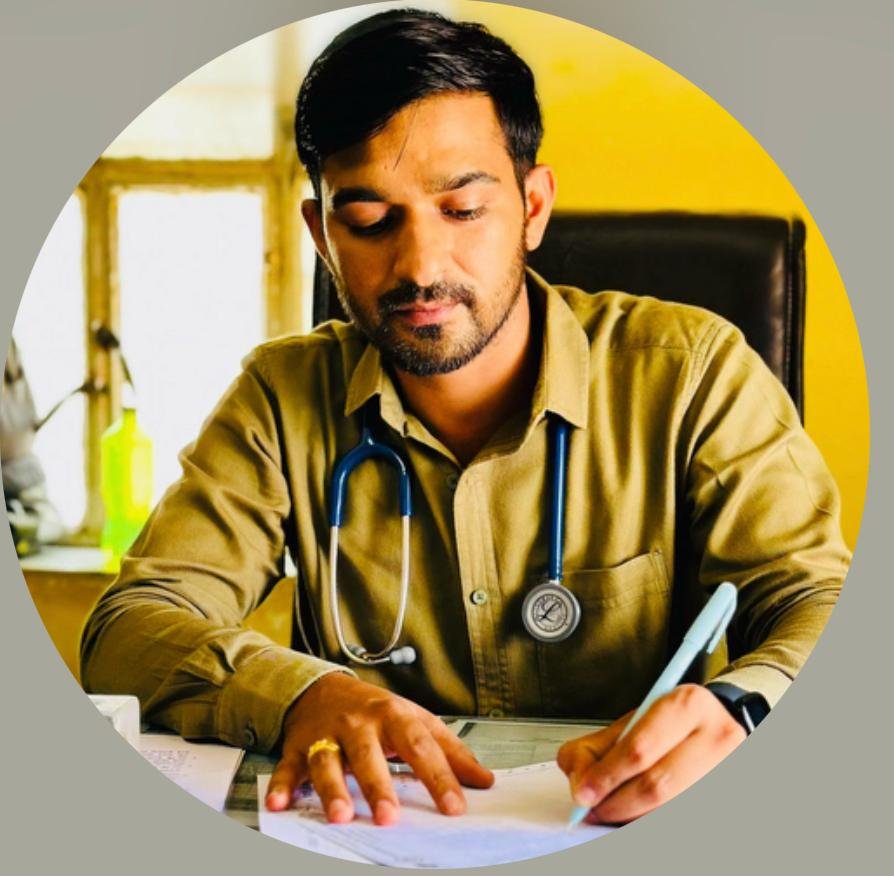
This case study has been reviewed for clinical accuracy and is intended for educational purposes. It does not represent a real patient and should not replace professional medical advice, diagnosis, or treatment.
Table of Contents
Case Summary
Related Services in Patna
Need Home Care in Patna?
Speak with our care coordinator to discuss your specific needs. We serve all areas of Patna, Bihar.
+91-9229 662730A-212, P C Colony Road, Kankarbagh, Bankman Colony, Patna 800020
Near Bankman Colony Main Road & Kankarbagh Main Market
Patient Background
Mr. Aditya Kumar was a 29-year-old unmarried male resident of Patna, Bihar, who worked as a computer-based freelance professional. He lived with his mother, Mrs. Shobha Kumar, who served as his primary caregiver, and his younger brother, Mr. Amit Kumar, who provided secondary caregiving support. Aditya had been living with Pfeiffer syndrome — a rare genetic condition belonging to the craniosynostosis spectrum — since birth.
Pfeiffer syndrome is characterised by the premature fusion of certain skull bones (craniosynostosis), leading to characteristic differences in skull shape, facial development, and skeletal features. The condition frequently involves broad or deviated thumbs and great toes, and may be associated with hearing difficulties, visual problems, dental anomalies, airway concerns, and varying degrees of musculoskeletal limitation. The severity of these features varies considerably among affected individuals.
Aditya had undergone corrective craniofacial procedures during childhood and adolescence. These surgeries addressed the primary cranial and facial structural differences associated with his condition. However, as is common in adults with Pfeiffer syndrome who received surgical correction in earlier years, he continued to experience a range of musculoskeletal and functional limitations that affected his daily life.
Patient Profile Summary
Baseline Functional Status Before the Fall
Prior to the accidental slip that led to his hospitalisation, Aditya’s functional status reflected the typical pattern seen in adults with Pfeiffer syndrome who have received childhood surgical correction. He was able to walk independently within his home environment, though he required additional support for longer distances and on uneven outdoor surfaces. His walking endurance was limited, and he reported foot discomfort related to the structural differences in his feet — a well-recognised feature of Pfeiffer syndrome.
His computer-based work required prolonged sitting, which contributed to the development of a forward-head posture with mild rounded-shoulder positioning. Cervical stiffness was a recurring complaint, particularly after extended work sessions. He managed his basic activities of daily living — feeding, grooming, dressing, and basic household tasks — independently. However, he required assistance with heavy household chores, long-distance shopping, carrying heavy objects, and some outdoor mobility tasks.
His mild hearing difficulty was managed with hearing support in noisy environments, and he consistently preferred face-to-face communication. This communication preference was an important consideration in planning his home care, as all therapeutic instructions and medical discussions needed to account for his hearing needs.
Clinical Diagnosis
Primary Diagnosis: Pfeiffer Syndrome
Pfeiffer syndrome is classified as a rare genetic craniosynostosis disorder. It is caused by mutations in the FGFR1 or FGFR2 genes and is inherited in an autosomal dominant pattern, although many cases arise as new (de novo) mutations. The condition is clinically defined by premature fusion of the coronal sutures and sometimes additional sutures, resulting in characteristic skull and facial features. Three clinical subtypes are recognised (Types I, II, and III), with Type I generally being the less severe form associated with normal intelligence and better survival.
While the craniofacial features often receive the most clinical attention during childhood, the musculoskeletal manifestations — including syndactyly, broad thumbs and great toes, elbow limitations, and spinal abnormalities — can have a significant and lasting impact on adult function. Aditya’s case illustrates how adults who received appropriate childhood surgical management may still face substantial functional challenges related to their underlying skeletal differences.
Presenting Complaint After the Fall
Aditya’s hospital presentation was triggered by an accidental slip that occurred while he was walking from his bedroom to the bathroom at home. He developed acute lower-back discomfort, a significant increase in his baseline neck stiffness, difficulty walking, and a pronounced fear of falling again. This fear of re-injury is a clinically significant factor in post-fall rehabilitation, as it can lead to activity avoidance, deconditioning, and a self-reinforcing cycle of reduced mobility and increased fall risk.
Postural Misalignment
Forward-head posture with mild rounded-shoulder positioning during prolonged sitting. Reduced thoracic extension and mild pelvic asymmetry during standing.
Cervical Stiffness
Recurring stiffness after extended computer use, significantly worsened following the fall. Reduced cervical range of motion documented on assessment.
Foot Discomfort
Structural foot differences associated with Pfeiffer syndrome contributed to difficulty with certain footwear and discomfort during prolonged standing.
Hearing Difficulty
Mild hearing difficulty requiring support in noisy environments. Preferred face-to-face communication with adequate lighting.
Clinical Assessment at First Home Visit
During the first home assessment following hospital discharge, Aditya was alert, oriented, and medically stable. His vital signs were within normal limits. He reported ongoing neck stiffness, mild lower-back discomfort, a notable fear of walking independently outdoors, reduced walking distance compared to his pre-fall baseline, difficulty maintaining good posture while working at his computer, and foot discomfort after prolonged standing. He remained independent with basic feeding and communication.
| Clinical Parameter | Finding | Reference Range |
|---|---|---|
| Blood Pressure | 116/72 mmHg | 120/80 mmHg (normal) |
| Heart Rate | 78 beats/min | 60–100 beats/min |
| Respiratory Rate | 17/min | 12–20 breaths/min |
| Temperature | 98.2°F | 97.8–99.1°F |
| Oxygen Saturation | 98% on room air | 95–100% |
| General Condition | Stable | — |
Hospital Treatment
Following his accidental slip at home, Aditya was taken to the hospital for evaluation. The clinical concern was to rule out any acute fracture, spinal injury, or neurological deficit resulting from the fall — particularly important given his pre-existing craniosynostosis history and musculoskeletal differences.
In patients with known skeletal abnormalities such as Pfeiffer syndrome, any fall with subsequent mobility restriction warrants thorough imaging evaluation. The structural differences in bone architecture may alter typical fracture patterns, and pre-existing spinal or joint abnormalities can make clinical assessment of new injuries more challenging. The hospital team appropriately prioritised ruling out acute structural injury before proceeding with conservative management.
Hospital Course
Aditya was hospitalised for a total of four days. During this period, imaging studies were performed — these did not identify a major fracture or acute neurological injury. The absence of fracture was a reassuring finding, but the clinical picture of significant musculoskeletal pain, increased stiffness, and reduced mobility still required structured management.
Conservative management was initiated during the hospital stay, which included pain management, rest, and early gentle mobilisation as tolerated. The treating team also addressed his post-fall anxiety, recognising that fear of falling can be as functionally limiting as the physical injury itself in patients with pre-existing mobility challenges.
Discharge Status
Aditya was discharged in a medically stable condition with the following key recommendations: conservative pain management as prescribed, gradual functional rehabilitation, postural alignment support, and a referral for home healthcare services to support his recovery in a familiar and safe environment. The decision to recommend home healthcare services rather than extended hospitalisation or outpatient-only follow-up was clinically appropriate for several reasons that are explained in the following section.
Why Home Healthcare Was Needed
The decision to arrange home healthcare for Aditya was driven by multiple clinical, functional, and practical considerations. Each of these factors contributed to the assessment that home-based care was the most appropriate and safe pathway for his post-discharge recovery.
1. Safe Recovery Environment
Aditya’s fall occurred at home — specifically while walking from his bedroom to the bathroom. Transitioning him back to the same environment without professional supervision would have exposed him to repeat fall risk. Fall prevention at home required immediate assessment of the exact location and circumstances of the fall, modification of the home environment, and supervised mobility during the early recovery phase.
2. Graded Rehabilitation in a Familiar Setting
Rehabilitation after a fall is most effective when it occurs in the environment where the patient actually functions. Physiotherapy at home allowed the rehabilitation team to work with Aditya in his actual living space, practising transfers, walking on his actual floor surfaces, navigating his bathroom, and using his own furniture — all of which improves the functional relevance and carryover of rehabilitation exercises.
3. Post-Fall Anxiety Management
Aditya had developed a significant fear of falling again. This psychological response to a fall is well-documented in the literature and is known as post-fall syndrome or fear of falling (FOF). Managing this effectively requires consistent, reassuring, supervised mobility practice in the exact environment where the fall occurred — something that cannot be replicated in an outpatient clinic setting.
4. Monitoring for Late Deterioration
Patients discharged after a fall with negative imaging can still develop delayed symptoms. The patient care services at home ensured that a trained professional was monitoring Aditya daily for any new or worsening symptoms — including new weakness, worsening gait, increasing neck pain, or new neurological signs — that might require urgent medical re-evaluation. This is a critical safety net during the high-risk post-discharge period.
5. Continuity of His Occupation
As a freelance computer-based professional, Aditya’s livelihood depended on his ability to work from home. Home healthcare allowed him to continue his work (with appropriate modifications and breaks) while simultaneously receiving rehabilitation — an approach that would not have been possible with extended hospitalisation or frequent hospital-based outpatient visits.
6. Rare Disease Considerations
Pfeiffer syndrome is a rare condition, and many general healthcare providers may have limited experience managing its adult musculoskeletal manifestations. A structured home care programme ensured that the rehabilitation approach was specifically tailored to the known functional patterns associated with this condition, rather than applying a generic post-fall rehabilitation protocol.
Home Care Plan by AtHomeCare
The home care plan for Aditya was designed as an integrated, multidisciplinary programme addressing his medical monitoring needs, functional rehabilitation goals, safety requirements, communication adaptations, and family education. Each component was selected based on the specific clinical findings from his assessment and the known functional challenges associated with adult Pfeiffer syndrome.
The home nursing component focused on systematic clinical monitoring during the critical post-discharge period. The nurse’s role was not primarily procedural but observational — ensuring that any subtle change in Aditya’s condition was detected early and communicated appropriately.
Patient Attendant
The patient attendant provided the practical daily support that Aditya needed during his recovery, particularly for tasks that were unsafe or impractical for him to perform alone during the early rehabilitation phase. The attendant was specifically instructed to provide assistance rather than substitution — meaning they helped Aditya do things for himself wherever safely possible, rather than doing things on his behalf. This distinction is critical in maintaining and rebuilding functional independence.
Physiotherapy was the central intervention in Aditya’s home care plan because his primary post-fall deficits were functional rather than structural. Without fracture or acute neurological injury, the goal was to restore and optimise his movement patterns, address the postural compensations that had developed over years of prolonged sitting with his skeletal differences, rebuild his confidence in walking, and establish a sustainable exercise programme he could continue independently. Physiotherapy through movement was the evidence-based pathway to achieving these goals.
Treatment Goals
Treatment Components
Controlled range-of-motion exercises for the cervical spine to address post-fall stiffness. Performed within pain-free ranges. No forceful manipulation was attempted.
Gentle thoracic extension and rotation movements to counteract the reduced thoracic extension noted on postural assessment, improving overall spinal mobility and reducing compensatory strain on the cervical spine.
Targeted exercises to strengthen the scapular retractors and stabilisers, addressing the rounded-shoulder posture and providing better support for sustained computer work.
Gentle core activation exercises to improve trunk stability during sitting and standing, providing a more stable base for functional movements and reducing the strain on his lower back.
Progressive strengthening exercises for the lower limbs, adapted to accommodate any joint limitations related to his underlying condition. Focus on functional movements relevant to walking and transfers.
Static and dynamic balance training to address the increased fall risk, progressing from stable surface standing balance to more challenging positions as confidence and ability improved.
Functional transfer training focusing on safe and efficient sit-to-stand mechanics, which is a fundamental movement pattern affected by lower-limb weakness and post-fall deconditioning.
A structured, progressive walking programme starting with short indoor walks and gradually increasing distance, complexity of terrain, and level of supervision required. See the Recovery Timeline for the weekly progression details.
Postural Alignment Programme
Given that Aditya’s primary occupational activity involved prolonged computer work — and that his postural assessment demonstrated a clear pattern of forward-head posture with rounded shoulders — a dedicated postural alignment programme was integrated into his daily routine. The rehabilitation team explicitly focused on comfortable functional alignment rather than attempting to force structural correction of postural patterns that were partially related to his underlying skeletal differences.
Workstation Modifications
Aditya was taught to divide his prolonged computer work into shorter sessions with scheduled position changes every 30–45 minutes. He was encouraged to stand, stretch, walk briefly, and then resume work in a consciously reset posture. This approach of regular position change rather than perfect static posture is supported by evidence suggesting that dynamic sitting is more sustainable and protective than attempting to maintain any single “ideal” posture for extended periods.
Footwear Support
Because foot structure is commonly affected in Pfeiffer syndrome, Aditya’s footwear was reviewed as part of the home care assessment. He was guided towards comfortable footwear with adequate toe space, non-slip soles, and appropriate arch support. Persistent pain or significant gait changes were to be referred to a specialist.
Hearing & Communication
The family was educated on communication adaptations: speak face-to-face, reduce background noise, ensure adequate lighting, confirm important instructions, and use written information when necessary. This was particularly important during physiotherapy sessions and medical visits.
Equipment Used in Home Setup
Ergonomic Work Chair
Bathroom Grab Bars
Non-Slip Bath Mat
Supportive Footwear
Walking Stick (selective)
Digital Thermometer
Blood Pressure Monitor
Improved Lighting
Medical equipment for home care can be arranged through medical equipment rental services in Patna.
Structured Daily Care Plan
Medication if prescribed → Personal care and hygiene → Breakfast → Gentle mobility exercises (cervical, thoracic, scapular) → Short supervised indoor walk with posture monitoring
Computer work (with 30–45 minute posture break reminders) → Lunch → Rest period → Physiotherapy session (strengthening, balance, walking practice) → Functional activity practice
Light household activity (within safe limits) → Short walk → Dinner → Relaxation exercises → Review of pain and fatigue levels with nurse
Comfortable sleeping position established → Any persistent pain documented → Evening medication confirmed → Sleep environment optimised (temperature, lighting, safety)
Risks Actively Monitored Throughout Care
Escalation Criteria: New neurological symptoms, severe pain after any fall, sudden inability to walk, or rapidly worsening function required prompt medical evaluation. The family was educated on these red flags and instructed to seek immediate hospital attention if any occurred.
Family Education
Family education was a structured component of the care plan. Mrs. Shobha Kumar and Mr. Amit Kumar were taught specific principles to support Aditya’s recovery without inadvertently creating dependence. The education sessions were conducted face-to-face with written supplementary materials provided, accommodating Aditya’s hearing preferences.
Recovery Timeline
The following timeline documents Aditya’s clinical progression through the 12-week home rehabilitation programme. Each milestone reflects the combined observations of the nursing team, physiotherapist, and family caregivers.
Short Indoor Walks with Close Supervision
Clinical Progress
Post-fall stiffness was at its peak during this period. Aditya reported significant morning stiffness and lower-back discomfort. Pain levels were monitored daily. Walking was restricted to short indoor distances with continuous supervision.
Interventions & Response
Gentle cervical and thoracic mobility exercises initiated. Postural awareness education began. Family educated on fall prevention and communication adaptations. Aditya was anxious but cooperative with the programme.
Longer Indoor Walks and First Short Outdoor Walks
Clinical Progress
At 4 weeks: Aditya reported reduced morning stiffness and increased confidence during indoor walking. He resumed most household activities. Lower-back discomfort had decreased. Post-fall anxiety remained present but was noticeably reduced compared to the initial weeks.
Interventions & Response
Walking distance progressively increased. First supervised outdoor walks initiated on predictable, flat surfaces. Scapular strengthening and core stabilisation exercises added to the physiotherapy programme. Workstation modifications implemented.
Progressive Community Walking on Safe Surfaces
Clinical Progress
At 6 weeks: Aditya began short outdoor walks with supervision. He was managing most household activities independently. At 8 weeks: Walking tolerance had increased to approximately 180 metres. He was able to maintain improved posture during computer work with regular scheduled breaks.
Interventions & Response
Community walking on predictable, safe surfaces introduced. Balance exercises progressed to include dynamic challenges. Lower-limb strengthening continued with progressive resistance. Walking stick made available for selected outdoor situations but use was not mandatory.
Walking Integrated into Routine Activities
Clinical Progress
At 12 weeks: Walking tolerance increased to approximately 250 metres — a 150% improvement from the initial 100-metre baseline. Postural endurance improved measurably. Neck stiffness decreased. He resumed independent basic household mobility. No new fall-related injury was reported throughout the programme.
Interventions & Response
Functional walking was now incorporated into routine activities: visiting nearby shops, walking around the home compound, attending appointments, and light recreational activity. Aditya required less assistance for community activities. Family reported greater confidence in supporting his mobility without unnecessary dependence.
Clinical Evidence — Functional Progression
The following tables document the measurable changes observed during Aditya’s 12-week home rehabilitation programme. All values are derived from the clinical assessments documented by the home care team.
| Assessment Point | Walking Tolerance | Change from Baseline |
|---|---|---|
| Week 0 (Baseline) | ~100 metres | — |
| Week 4 | ~120 metres | +20% |
| Week 8 | ~180 metres | +80% |
| Week 12 | ~250 metres | +150% |
Walking Tolerance — Visual Progression
| Functional Domain | Week 0 | Week 4 | Week 8 | Week 12 |
|---|---|---|---|---|
| Indoor Walking | Independent (limited) | Independent (improved) | Independent | Independent |
| Outdoor Walking | Required supervision | Supervised (short) | Supervised (longer) | Minimal supervision |
| Neck Stiffness | Significant | Reduced | Mild | Minimal |
| Postural Endurance | Poor | Improving | Moderate | Improved |
| Fall Incidents | — (post-fall) | None | None | None |
| Post-Fall Anxiety | High | Moderate | Low-moderate | Low |
| Computer Work Posture | Poor (no breaks) | Improving (with reminders) | Good (scheduled breaks) | Good (self-managed) |
| ADL Independence | Basic ADL independent | Most ADL independent | Most ADL independent | Fully independent (basic) |
| Postural Parameter | Initial Finding |
|---|---|
| Head Position | Mild forward-head posture |
| Shoulder Position | Rounded shoulders |
| Thoracic Spine | Reduced extension |
| Pelvic Alignment | Mild asymmetry during standing |
| Postural Endurance | Reduced — unable to maintain corrected position for extended periods |
Recovery Outcome at 12 Weeks
Pfeiffer syndrome is a lifelong genetic condition. The goal of rehabilitation in this case was functional optimisation — not correction of the underlying genetic disorder. The outcomes reported below represent improvement relative to Aditya’s post-fall state and should be understood within the context of his pre-existing baseline limitations.
Mobility Outcome
Walking tolerance improved from approximately 100 metres to approximately 250 metres — a 150% increase. Indoor walking remained fully independent. Outdoor walking progressed from requiring supervision to requiring only minimal supervision on familiar, predictable surfaces.
Pain & Stiffness Outcome
Neck stiffness decreased from significant to minimal levels. Lower-back discomfort resolved. Morning stiffness reduced compared to the initial post-discharge period. No new pain complaints were reported during the programme.
Postural Outcome
Postural endurance improved — Aditya was able to maintain better alignment during computer work when using scheduled breaks. The forward-head and rounded-shoulder patterns were not structurally corrected (as expected) but his awareness and ability to self-correct improved.
Safety Outcome
No new fall-related injury was reported during the entire 12-week programme. Post-fall anxiety reduced from high to low levels. Aditya demonstrated consistent use of scheduled posture and activity breaks, indicating good self-management awareness.
Independence Outcome
He resumed independent basic household mobility. He required less assistance for community activities compared to the start of the programme. His computer work continued with appropriate modifications throughout the recovery period.
Family Feedback
The family reported greater confidence in supporting Aditya’s mobility without creating unnecessary dependence. They expressed satisfaction with the structured programme and felt better equipped to manage his ongoing needs independently.
Remaining Challenges and Long-Term Considerations
The structural skeletal differences associated with Pfeiffer syndrome remain permanent. Aditya’s foot structure, postural tendencies, and joint range limitations will continue to be part of his daily experience. The rehabilitation programme established a foundation of self-management, but ongoing maintenance is necessary.
Long-term considerations include: continued adherence to regular position changes during computer work, maintaining the exercise programme independently, annual or periodic physiotherapy review, appropriate footwear as a permanent lifestyle adaptation, monitoring for any change in hearing status, and prompt medical attention for any new neurological symptoms or significant functional decline.
The family was counselled that the improvements achieved during the 12-week programme represent functional optimisation within the context of a lifelong condition, and that sustaining these gains requires continued effort and awareness. They were provided with a written home exercise programme and clear guidance on when to seek further medical or rehabilitation input.
Key Clinical Learnings
1. Adult Pfeiffer Syndrome Requires Lifelong Functional Management
This case illustrates that adults who received appropriate childhood craniofacial surgical correction for Pfeiffer syndrome may still face substantial musculoskeletal and functional challenges. The focus of adult management shifts from surgical correction to functional optimisation, and this requires a different clinical skillset and approach.
2. Postural Assessment Identifies Modifiable Contributors to Discomfort
While the structural postural differences in Pfeiffer syndrome cannot be fully corrected, systematic postural assessment can identify components that are modifiable — such as poor ergonomic setup, lack of position changes, and weak stabilising muscles. Addressing these modifiable factors can meaningfully reduce discomfort and improve endurance, even when the underlying skeletal structure remains unchanged.
3. Rehabilitation Must Respect Structural Limitations
The physiotherapy approach in this case deliberately avoided attempting to force structural correction. Instead, it focused on improving comfortable functional alignment, maintaining available joint range, strengthening within safe limits, and building functional endurance. This principle — of working with the patient’s structural reality rather than against it — is essential in rehabilitation for genetic musculoskeletal conditions.
4. Post-Fall Anxiety Is a Legitimate Clinical Target
Aditya’s fear of falling was a significant functional barrier, potentially more limiting than his physical deconditioning. The graded walking programme, conducted in his actual home environment with progressive challenge, was specifically designed to address this anxiety through repeated successful mobility experiences. Ignoring the psychological component of post-fall recovery would have significantly reduced the effectiveness of the physical rehabilitation.
5. Home-Based Rehabilitation Offers Functional Advantages Over Clinic-Based Care
Conducting rehabilitation in Aditya’s actual living environment allowed the team to assess and address real-world functional challenges — the specific floor surface where he fell, the actual bathroom he needed to navigate, the actual workstation where he spent hours. This environmental specificity is a well-recognised advantage of home-based physiotherapy that cannot be replicated in a clinic setting.
6. Communication Adaptations Are Part of Clinical Care
Aditya’s mild hearing difficulty was not the primary reason for home care, but it was a factor that influenced every interaction. Ensuring face-to-face communication, reducing background noise, using written instructions, and confirming understanding were not optional courtesies — they were essential components of safe and effective clinical care. This principle applies broadly to any patient with sensory impairment.
7. Family Education Must Distinguish Assistance From Substitution
A critical component of family education in this case was teaching the difference between providing assistance (helping the patient do something) and substitution (doing something for the patient). Well-intentioned family members can inadvertently create dependence by over-assisting. The family’s eventual report of “greater confidence in supporting mobility without unnecessary dependence” suggests this educational goal was achieved.
8. Footwear Review Should Be Routine in Craniosynostosis Syndromes
The characteristic foot abnormalities seen in Pfeiffer syndrome (broad, deviated great toes) can make standard footwear uncomfortable and may contribute to gait abnormalities and reduced walking tolerance. Routine footwear review and guidance should be a standard component of adult follow-up for patients with Pfeiffer syndrome, even when foot complaints are not the primary presenting concern. Persistent foot pain or gait changes warrant specialist referral.
Frequently Asked Questions
Medical Disclaimer
This case study is entirely fictional and created solely for educational purposes. It does not represent a real patient. Any resemblance to actual individuals is purely coincidental. The information provided is intended for education only and should not be used as a substitute for professional medical advice, diagnosis, or treatment.
Escalation Advice: If you or a family member experiences new neurological symptoms, severe pain after a fall, sudden inability to walk, or rapidly worsening function, seek immediate medical evaluation at the nearest hospital. Do not delay seeking medical attention based on information in this educational document.