When a Patient Keeps Returning to the Hospital in Patna: How Home Monitoring, Medication Review and Early Warning Signs Can Change the Care Plan
Many families in Patna experience a painful cycle: hospital admission, discharge, recovery at home, sudden worsening, emergency visit, and another admission. This guide explains why this cycle happens, which warning signs families should watch for between hospital visits, how medication review at home helps, and when structured home monitoring can make a real difference in breaking this pattern.
The Cycle of Repeated Hospital Admissions: What Families in Patna Experience
Many families go through a repeating pattern: hospital admission, discharge, a few days of improvement at home, then a sudden worsening of symptoms that leads to an emergency visit and another admission. This cycle is common, exhausting, and often partly preventable through better monitoring between hospital visits.
For a family in Patna, watching a parent or spouse get admitted to a hospital on Kankarbagh Road, then PMCH, then a private facility on Boring Road, and then back again within weeks or months creates emotional and financial stress that is hard to describe. The family assumes the disease is simply getting worse. Sometimes that is true. But often, the real problem lies in the gaps between hospital visits.
Consider a typical situation. An elderly man with heart failure and diabetes is discharged after a week in the hospital. He goes home with six different medicines. His daughter, who works in an office, tries to manage his care in the mornings and evenings. On day five, he starts eating less. On day eight, his legs swell more. On day ten, he is breathless while lying down. The family rushes him to the emergency at midnight. He is admitted again for heart failure exacerbation.
What happened between discharge and the emergency? Nobody was tracking his daily weight, his medicine was not reviewed after the dose change at discharge, his reduced food intake was not recognised as a warning sign, and the swelling was noticed only when it became severe. These are not rare situations. They happen in homes across Patna every week.
This article is written to help families understand why this cycle happens, which specific changes to watch for at home, how medication review can prevent problems, and when structured home monitoring from a service like AtHomeCare can genuinely help. It does not promise that every readmission can be prevented. Some admissions are medically necessary and unavoidable. But recognising the difference matters.
Why Patients Keep Returning to the Hospital: 9 Real Reasons Families Miss
Repeated hospital admissions usually stem from a combination of medication issues, missed warning signs, declining physical function, poor nutrition, and delayed follow-up care. These factors compound each other, and without someone actively monitoring the patient at home, small problems become big emergencies.
When a patient is readmitted within 30 days of discharge, doctors often find that the underlying condition was not the only problem. Something in the home care plan broke down. Based on what we see in Patna homes through our nursing and monitoring services, here are the nine most common reasons patients return to the hospital.
| Reason | What Happens at Home | How It Leads to Readmission |
|---|---|---|
| Medication errors after discharge | Wrong doses, missed medicines, duplicate prescriptions, or stopping medicines without asking the doctor | Condition worsens silently; blood pressure, sugar, or heart function goes out of control |
| Declining mobility | Patient stays in bed more each day, refuses to walk, muscles weaken rapidly | Bed sores, blood clots in legs, chest infection from lying flat, falls when trying to get up |
| Reduced food and fluid intake | Eating less than half of meals, drinking very little water, refusing food due to weakness or low mood | Dehydration, low blood pressure, kidney problems, confusion, weakness leading to falls |
| Worsening breathlessness | Gradually increasing shortness of breath, needing more pillows to sleep, unable to walk to the bathroom without stopping | Heart failure or lung condition exacerbation reaches emergency level |
| Confusion or behaviour change | Patient becomes forgetful, agitated, disoriented, or unusually sleepy | May indicate infection, electrolyte imbalance, stroke, or medication side effect |
| Recurrent fever | Low-grade fever that comes and goes, or sudden spike in temperature | Urinary infection, chest infection, wound infection, or other serious infection |
| Wound or device problems | Surgical wound becomes red or leaks, catheter blocks, Ryle’s tube displaces, tracheostomy needs suctioning | Infection spreads, device failure causes breathing or feeding emergency |
| Missed follow-up appointments | Family delays or skips the scheduled hospital visit due to travel difficulty, queues, or feeling the patient is “fine” | Doctor cannot adjust treatment, new problems go undetected until they become emergencies |
| Caregiver exhaustion | Family member managing care alone becomes sleep-deprived, stressed, and unable to keep up with medicines, feeding, and observation | Medicine doses are missed, warning signs are not noticed, help is called too late |
None of these reasons are unusual. They are all common in homes where a patient is recovering without professional support. The important thing to understand is that most of these problems develop over days, not minutes. If someone is checking the patient regularly, many can be caught early and managed with a phone call to the doctor, a medicine adjustment, or a simple home visit instead of an emergency admission.
Medication Changes After Discharge: The Hidden Risk Factor
When a patient leaves the hospital, their medicine list often changes significantly. New medicines are added, old doses are adjusted, and some medicines are stopped. If these changes are not clearly understood and followed at home, the patient’s condition can deteriorate within days, leading to readmission.
This is one of the most underappreciated causes of repeated admissions. In our experience working with families in Patna, medication-related problems account for a large share of preventable readmissions. Here is why this happens and what families can do about it.
What Changes After Discharge
When a patient is admitted to a hospital, the treating doctor often changes the existing medicine plan. Some common scenarios include:
- A diabetes patient who was taking two oral medicines is now also prescribed insulin after blood sugar was found to be very high during admission
- A heart failure patient’s diuretic dose is increased, and a new potassium supplement is added
- A patient with a lung infection is sent home with a new antibiotic that must be taken three times a day for seven days, in addition to all their regular medicines
- A patient who was on a blood thinner in the hospital is now switched to a different one with a different dosing schedule
- Pain medicines that were given intravenously in the hospital are now changed to tablets with specific timing instructions
Why Families Struggle With These Changes
The discharge summary in many Patna hospitals lists the medicines, but it does not always explain them in a way that a non-medical family member can easily follow. Common problems we see include:
- The patient or family does not understand that a new medicine must be taken in addition to, not instead of, an existing one
- A medicine that was supposed to be stopped is continued, causing side effects or dangerous interactions
- The timing of medicines is confused — for example, a blood pressure medicine that should be taken at night is taken in the morning, or two similar medicines are taken too close together
- The patient stops a medicine on their own because they feel better, or because they read something on WhatsApp about side effects
- Doses are split, doubled, or skipped because the handwriting on the prescription is unclear or the pharmacy gave a different strength than what was prescribed
Warning: Polypharmacy Risk in Elderly Patients
Elderly patients in Patna often take between 5 and 12 medicines simultaneously. Each additional medicine increases the risk of a drug interaction, a dosing error, or a side effect that mimics a new illness. A medication review by a qualified professional after discharge can identify and resolve these risks before they cause harm.
What a Proper Medication Review at Home Looks Like
A medication review is not just reading the prescription aloud. It is a structured process that a doctor or trained nurse can do during a doctor visit at home. Here is what it involves:
- Laying out all medicines — Every tablet, capsule, syrup, injection, and supplement the patient has at home is placed on a table. This includes medicines from before the hospital stay, new medicines from the discharge summary, and any ayurvedic or over-the-counter products the patient takes.
- Comparing with the discharge summary — Each medicine is checked against what the hospital prescribed. Anything extra is flagged. Anything missing is noted.
- Checking for duplicates — Sometimes two different doctors prescribe the same medicine under different brand names. The review catches this.
- Checking for interactions — Some medicines should not be taken together, or should be taken at specific intervals. The review adjusts the timing.
- Explaining each medicine to the family — What it is for, when to take it, whether to take it before or after food, what side effects to watch for, and what to do if a dose is missed.
- Creating a simplified medicine chart — A visual chart that shows exactly what to take at 6 AM, 8 AM, 12 PM, 6 PM, and 9 PM (or whatever the schedule is). This chart is stuck on the wall near the patient’s bed.
- Planning refills — Checking how many days of stock remain for each medicine and arranging refills before they run out.
Practical Tip for Families in Patna
When you receive the discharge summary, do not just file it away. Sit with the attending doctor before leaving the hospital and ask three questions: Which medicines are new? Which old medicines have been stopped? Which doses have changed? Write the answers down yourself, even if the summary already has them. This simple step prevents many medication errors at home.
Declining Mobility: The Silent Deterioration That Leads Back to Hospital
Even a few days in a hospital bed causes significant muscle loss, especially in elderly patients. If this weakness is not addressed through guided movement and physiotherapy after discharge, the patient gradually becomes more bedbound, which leads to bed sores, blood clots, chest infections, and falls that often result in readmission.
Mobility decline is one of the most overlooked warning signs in home care. Families often interpret the patient’s reluctance to move as “tiredness” or “needing rest after hospital.” While some rest is necessary, prolonged immobility is dangerous.
How Quickly Muscle Loss Happens
| Time in Bed | What Happens to the Body | Risk if Not Addressed |
|---|---|---|
| 3 to 5 days | Muscle strength drops by 10 to 15 percent. Balance worsens. | Patient feels unsteady when first trying to stand. |
| 7 to 10 days | Muscle mass begins to decrease visibly. Joints become stiff. | Patient needs help to get up from bed. Risk of fall increases sharply. |
| 2 to 3 weeks | Significant muscle wasting. Walking becomes difficult or impossible without support. | Patient may become dependent on others for all movement. Bed sores begin forming. |
| 4+ weeks | Severe deconditioning. Recovery requires weeks of intensive physiotherapy. | Chest infection risk from shallow breathing. Blood clot risk in legs. Depression. |
Signs of Mobility Decline to Watch For
- Patient who was walking to the bathroom before hospital now needs a commode next to the bed
- Patient takes longer to stand up from a chair, or needs to push with their hands
- Patient holds furniture or walls while walking inside the house
- Patient’s steps become shorter and shuffling
- Patient refuses to get out of bed, saying they have no energy or their legs feel heavy
- Patient’s walking distance has reduced compared to before the hospital stay
How Home Physiotherapy Helps
A physiotherapist visiting at home can assess the patient’s current strength, identify specific weaknesses, and create a graded movement plan. This is not about making the patient exercise vigorously. It is about doing safe, supervised movements that prevent further muscle loss and gradually rebuild strength. For patients in Patna who cannot travel to a physiotherapy clinic due to weakness or distance, home visits are often the only practical option.
AtHomeCare Patna: How We Handle Mobility Recovery
Our physiotherapists in Patna begin with a bedside assessment within 24 to 48 hours of discharge. They check joint range, muscle power, balance, and the patient’s ability to sit, stand, and walk safely. A daily movement plan is created and supervised by the home nurse between physiotherapy sessions. Progress is documented and shared with the treating doctor.
Reduced Food and Fluid Intake: When “Not Eating Enough” Becomes Dangerous
When a patient eats and drinks significantly less after discharge, it is not just a matter of weakness or low appetite. Reduced intake leads to dehydration, electrolyte imbalances, low blood pressure, kidney problems, delayed wound healing, and confusion — any of which can trigger a hospital readmission within days.
Families often accept reduced eating as normal after a hospital stay. “He is weak, so he is eating less” is a common explanation. While some reduction in appetite is expected, a persistent drop in food and fluid intake is a clinical warning sign that needs attention.
Why Patients Eat Less After Discharge
- Medicine side effects: Many medicines cause nausea, altered taste, dry mouth, or stomach upset. Antibiotics, pain medicines, and heart medicines are common culprits.
- Physical weakness: The patient cannot sit up long enough to finish a meal, or cannot feed themselves without help.
- Mental state: Depression, anxiety, or mild confusion after hospitalization reduces the desire to eat.
- Dietary restrictions: The hospital may have prescribed a restricted diet (low salt, low sugar, soft diet) that the family finds difficult to prepare or that the patient dislikes.
- Swallowing difficulty: Some patients develop swallowing problems after a stroke, brain injury, or prolonged intubation, which may not be obvious at discharge.
Daily Intake Monitoring: What to Track
| Parameter | Normal Range at Home | Warning Level | Action Needed |
|---|---|---|---|
| Total fluid intake | 1500 to 2000 ml per day (unless fluid-restricted by doctor) | Below 800 ml per day for 2 consecutive days | Inform doctor; increase oral fluids or discuss IV support |
| Meal completion | At least 75 percent of each meal | Less than 50 percent for 2 or more meals per day for 3 days | Dietary review; check for swallowing issues; consider supplements |
| Urine output | At least 4 to 5 voids per day, light yellow colour | Less than 3 voids per day, or dark-coloured urine | Sign of dehydration; increase fluids immediately; call doctor |
| Weight | Stable or gradual increase during recovery | More than 1 kg loss in a week | Significant concern; needs medical assessment |
For Patients on Feeding Tubes
If the patient has a Ryle’s tube or PEG tube at home, reduced intake takes a different form. The feeding schedule may not be followed properly, the tube may get blocked or displaced, or the feed amount may be insufficient. Ryle’s tube feeding at home requires trained handling to prevent aspiration and ensure adequate nutrition. Our nurses in Patna manage tube feeding, monitor intake volumes, and watch for signs of aspiration or tube displacement.
Worsening Breathlessness: The Sign That Should Never Be Ignored
Increasing shortness of breath is one of the clearest warning signs that a patient’s condition is deteriorating. Whether the patient has heart failure, COPD, asthma, or a post-COVID lung condition, worsening breathlessness that was not present at discharge usually means the treatment plan needs adjustment, and delaying action often leads to emergency admission.
Breathlessness is subjective. The patient may not always report it clearly, especially if they are elderly or have become used to being short of breath. Families need to observe specific changes rather than just asking “Are you okay?”
How to Monitor Breathlessness at Home
- Pillow count: How many pillows does the patient need to sleep? If it was one pillow at discharge and now it is three, that is a significant change indicating fluid buildup in the lungs.
- Speaking ability: Can the patient speak full sentences without stopping to breathe? If they can now only say a few words before gasping, the breathlessness has worsened considerably.
- Walking distance: How far can the patient walk before needing to stop? Track this daily. A noticeable reduction over 2 to 3 days is a warning.
- Breathing at rest: Is the patient breathing faster even while sitting still? Normal resting breathing rate is 12 to 20 breaths per minute. Above 24 at rest is concerning.
- Oxygen levels: If the patient has a pulse oximeter at home (which we strongly recommend), a drop below 93 percent at rest on room air needs a doctor call.
- Chest sounds: Wheezing, gurgling, or a whistling sound while breathing that was not present before.
- Lip or nail colour: Bluish tint to lips, nail beds, or earlobes indicates low oxygen and needs immediate medical attention.
Immediate Emergency: Call for Help Now
If the patient cannot breathe well enough to speak, has blue lips or fingertips, is gasping with chest retractions (the skin between ribs pulls inward during breathing), or has oxygen levels below 90 percent on a pulse oximeter, call an ambulance or take the patient to the nearest hospital emergency immediately. Do not wait for a home visit. In Patna, call 108 for government ambulance services.
For patients with chronic lung conditions who need ongoing respiratory support, respiratory therapy at home including nebulization, chest physiotherapy, and oxygen therapy can help manage breathlessness between hospital visits. Our nurses in Patna are trained to use BiPAP machines, suction apparatus, and oxygen concentrators as prescribed by the treating doctor.
Confusion or Unusual Behaviour: When the Patient Is “Not Themselves”
Sudden confusion, disorientation, unusual sleepiness, agitation, or personality changes in a patient who was mentally clear at discharge can indicate a serious underlying problem such as infection, dehydration, medication side effect, stroke, or electrolyte imbalance. This is never just “old age” and always warrants prompt medical evaluation.
Families sometimes dismiss confusion in elderly patients as normal ageing or as a side effect of being in the hospital. While post-hospital delirium is real and usually temporary, new or worsening confusion after discharge must be taken seriously. We have covered this topic in detail in our guide on post-ICU delirium, but here are the specific changes that should trigger a doctor call.
Specific Behavioural Changes to Watch For
| Change | Possible Cause | Urgency |
|---|---|---|
| Suddenly does not recognise family members or forgets where they are | Delirium, stroke, severe infection | Emergency — call doctor or go to hospital immediately |
| Becomes unusually sleepy, difficult to wake up, or unresponsive | Medication overdose, low blood sugar, brain event | Emergency — call doctor or go to hospital immediately |
| New agitation, restlessness, pulling at tubes or dressings | Pain, infection, delirium, medication side effect | Urgent — call doctor within 1 to 2 hours |
| Speaking in a confused manner, saying things that do not make sense | Delirium, UTI, dehydration, electrolyte imbalance | Urgent — call doctor within 1 to 2 hours |
| Sudden mood change — becomes withdrawn, tearful, or refuses to cooperate with care | Depression, pain, fatigue, medication effect | Schedule doctor visit within 24 hours |
| Mild memory lapses — forgetting what day it is, repeating questions | May be post-hospital fatigue, but monitor closely | Call doctor if it persists beyond 48 hours or worsens |
Important: Urinary Infection and Confusion
In elderly patients, especially women, a urinary tract infection often presents with confusion rather than the typical burning sensation or fever. If an elderly patient in your home suddenly becomes confused without any other obvious cause, a urine test should be done promptly. This single test can prevent an unnecessary hospital admission if the infection is caught and treated early with oral antibiotics at home.
Recurrent Fever and Infection Signs: Catching Problems Before They Spread
Fever after hospital discharge is never normal. Even a low-grade fever (above 99.5°F or 37.5°C) that appears more than 48 hours after coming home can signal an infection that, if untreated, can become septic and life-threatening. Tracking temperature daily and recognising other infection signs is essential for preventing readmission.
Infections are among the top three reasons for readmission after hospital discharge. They can develop at the surgical site, in the urinary tract (especially with a catheter), in the lungs (from bed rest and shallow breathing), or at the site of any medical device like a Ryle’s tube or IV line.
Daily Temperature Monitoring Guide
- Check temperature at the same time twice daily — morning and evening
- Use a digital thermometer for accuracy; note the exact reading in a notebook or phone
- Normal range after discharge: 97.5°F to 99°F (36.4°C to 37.2°C)
- Low-grade fever: 99.5°F to 100.4°F (37.5°C to 38°C) — call the doctor the same day
- Moderate fever: 100.5°F to 101.5°F (38.1°C to 38.6°C) — call the doctor immediately
- High fever: Above 101.5°F (38.6°C) — seek medical attention urgently
Other Infection Signs Besides Fever
- Wound site: Increasing redness, warmth, swelling, pus-like discharge, or the wound edges opening up
- Urinary signs: Cloudy or foul-smelling urine, burning during urination, increased frequency, or blood in urine (especially with a catheter in place)
- Lung signs: New cough, increase in sputum, change in sputum colour to yellow or green, chest pain while breathing deeply
- Mouth signs: White patches in the mouth (oral thrush), especially if the patient is on antibiotics or steroids
- Skin signs: Red, warm, tender areas on the skin, especially in skin folds or under medical devices
- General signs: Shivering or chills, unexplained fatigue, loss of appetite, rapid heart rate
For patients with diabetic foot ulcers or surgical wounds, our nurses in Patna provide daily wound assessment, dressing changes using sterile technique, and photo documentation that can be shared with the treating doctor. This level of wound monitoring at home can catch infections days before they would otherwise be noticed.
Wound and Medical Device Problems: What Can Go Wrong at Home
Patients discharged with surgical wounds, catheters, Ryle’s tubes, tracheostomy tubes, or IV lines need specific care at home that goes beyond what a family member can safely provide without training. Problems with these devices — blockages, dislodgement, infection — are a common cause of emergency readmission that professional home nursing can prevent.
The range of medical devices that patients go home with has increased significantly. What used to be managed only in hospitals is now commonly managed at home. This is good for the patient’s comfort and recovery, but it requires trained supervision.
| Device | Common Home Problems | What Our Nurses Do |
|---|---|---|
| Foley catheter | Blockage, dislodgement, urine leakage around the tube, infection | Sterile catheter care, bag emptying, output monitoring, infection checks, timely replacement |
| Ryle’s tube (NG tube) | Tube displacement, blockage, feeding errors, aspiration risk | Tube position verification, flushing, feeding administration, aspiration precautions |
| Tracheostomy tube | Tube blockage with secretions, dislodgement, infection around stoma | Routine suctioning, inner tube cleaning, stoma care, humidification, emergency tube change readiness |
| Surgical wound | Infection, wound dehiscence (edges opening), seroma or hematoma formation | Sterile dressing changes, wound assessment, photo documentation, doctor reporting |
| IV line or PICC line | Phlebitis, blockage, dislodgement, infection at entry site | Sterile site care, line flushing, injection administration, infection monitoring |
| BiPAP/CPAP machine | Mask leak, improper pressure settings, skin breakdown from mask, patient non-compliance | Mask fitting, pressure verification, skin protection, compliance monitoring |
For Families Managing Devices at Home
If your family member has any medical device at home, ask the hospital to provide a written care protocol before discharge. This should include: how to clean the device, how often to check it, what problems to watch for, and when to call for help. If the hospital does not provide this, a home nurse can create one based on the discharge summary and doctor’s instructions.
Missed Follow-Up Appointments: The Gap Between Hospital and Home
Skipping or delaying follow-up appointments after discharge removes the doctor’s opportunity to check if the treatment is working, adjust medicines, and catch new problems early. In Patna, where hospital visits involve travel, long waiting times, and sometimes difficulty getting appointments, families often skip follow-ups — and this directly contributes to preventable readmissions.
The follow-up appointment is not a formality. It is a critical checkpoint in the recovery process. Here is what typically happens at a follow-up that cannot happen at home without a doctor:
- Blood tests are reviewed to check if kidney function, liver function, blood sugar, or electrolytes have changed since discharge
- X-rays or scans are compared with hospital images to check healing or disease progression
- Medicines are adjusted based on how the patient has responded over the past week
- Wounds or surgical sites are examined by the surgeon
- Physical examination may reveal findings that were not present at discharge (new murmur, fluid in lungs, enlarged liver)
Why Families in Patna Skip Follow-Ups
- Long distance to the hospital, especially for patients in areas like Danapur, Phulwari Sharif, or Hajipur who were treated at a hospital in the main city
- Difficulty arranging transport for a weak or bedridden patient
- Long waiting times at OPD, sometimes 3 to 5 hours, which is exhausting for a recovering patient
- Feeling that the patient is “fine” at home, so the visit seems unnecessary
- Work commitments of family members who cannot take a half-day off for a hospital visit
How Home-Based Follow-Up Can Help
For stable patients who do not need scans or lab tests that require hospital infrastructure, a doctor visit at home in Patna can serve as an interim follow-up. The doctor can check vitals, examine the patient, review the medicine chart, assess wound healing, and order lab tests through a home sample collection service. If anything needs hospital-level attention, the doctor can refer the patient directly. This does not replace every hospital follow-up, but it can fill the gap for routine check-ins and reduce the burden on the family.
AtHomeCare Patna: Laboratory Coordination
We coordinate home blood sample collection through our integrated pharmacy and lab network. Test results are shared with the treating doctor and the home care team, so medicine adjustments can be made without the family having to carry reports back and forth. This is especially useful for patients who need regular monitoring of kidney function, blood sugar, electrolytes, or blood counts.
Caregiver Exhaustion: The Overlooked Factor in Readmissions
When one family member carries the full burden of post-discharge care without support, they eventually become exhausted. Sleep deprivation, stress, and physical fatigue lead to missed medicines, skipped meals for the patient, delayed recognition of warning signs, and slower emergency response. Caregiver burnout is a medical risk factor, not just an emotional one.
We see this pattern repeatedly in Patna. A daughter or daughter-in-law who works during the day manages all morning and evening care — medicines, feeding, cleaning, doctor coordination — single-handedly. For the first few days, she manages well. By day five or six, she is sleeping four hours a night. By day ten, she is making mistakes with medicine timing. By day fourteen, she is so tired that she does not notice the patient’s swelling until it is severe.
Signs of Caregiver Burnout
- Sleeping less than 5 hours per night for more than 3 consecutive nights
- Feeling irritable, angry, or resentful toward the patient or other family members
- Skipping own meals, neglecting personal health, or not taking prescribed medicines
- Unable to concentrate on tasks, making mistakes with medicine doses or timing
- Withdrawing from social contact, not answering phone calls from relatives
- Feeling that there is no end to the situation and no one is helping
- Physical symptoms like headaches, body aches, or frequent minor illnesses
How to Prevent Caregiver Burnout
- Share the responsibility: Even if one person is the primary caregiver, other family members must take specific tasks — one handles medicines, another handles food, another handles doctor appointments.
- Take night shifts in rotation: No single person should be awake every night. If the patient needs night supervision, arrange for at least two people to alternate.
- Use professional support: Even a few hours of patient care at home each day gives the family caregiver time to rest, eat properly, and attend to personal needs.
- Accept help when offered: When relatives or neighbours offer to sit with the patient for an hour, accept it. Use that time to rest, not to do more chores.
- Set realistic expectations: You cannot do everything perfectly. The goal is safe, adequate care, not perfect care.
Respite Care in Patna
AtHomeCare offers short-term respite care where a trained attendant or nurse manages the patient for a few hours or a few days, giving the family caregiver a break. This is not a luxury — it is a practical step that prevents the caregiver from breaking down, which indirectly prevents the patient from being readmitted due to care gaps caused by exhaustion.
Home Monitoring After Hospitalization: What It Actually Involves
Home monitoring after hospitalization means systematically tracking the patient’s vital signs, symptoms, food and fluid intake, medicine compliance, and physical function every day, and acting on any changes before they become emergencies. It is not just “keeping an eye” on the patient — it is a structured process with specific measurements and thresholds.
There is a big difference between a family member occasionally checking on the patient and a structured home monitoring program. The first is reactive — you notice something is wrong when it becomes obvious. The second is proactive — you catch changes early because you are tracking specific numbers every day.
What a Home Monitoring Plan Includes
Daily Vitals Checklist
| Parameter | Tool Needed | When to Check | Normal Range (General) |
|---|---|---|---|
| Blood pressure | Digital BP monitor | Morning and evening | 120/80 mmHg (doctor may set a different target) |
| Oxygen saturation (SpO2) | Pulse oximeter | Morning, evening, and when breathless | Above 95% on room air |
| Heart rate | Pulse oximeter or wrist monitor | Morning and evening | 60 to 100 beats per minute |
| Temperature | Digital thermometer | Morning and evening | 97.5°F to 99°F |
| Blood sugar | Glucometer | As prescribed (fasting and/or post-meal) | Doctor-set targets; typically 80-130 fasting |
| Weight | Digital weighing scale | Every morning, after toilet, before eating | Same or gradual increase; sudden gain is a warning |
| Urine output | Measuring jug (if catheter) or observation | Every 8 hours or daily total | Above 800 ml per day (unless restricted) |
Who Should Get Home Monitoring After Discharge
Not every patient who leaves the hospital needs professional home monitoring. A young, otherwise healthy person who was admitted for a simple procedure may recover fine with family support alone. But home monitoring is strongly recommended for:
- Patients aged 65 and above discharged after any hospital stay of 3 or more days
- Patients with heart failure, chronic kidney disease, COPD, or diabetes with complications
- Patients discharged from ICU or with a step-down care need
- Post-surgical patients, especially orthopaedic, cardiac, or abdominal surgery
- Patients with more than 5 medicines (polypharmacy)
- Patients going home with medical devices (catheter, Ryle’s tube, tracheostomy, oxygen)
- Patients who live alone or whose primary caregiver works full-time
- Patients who have been readmitted within the past 6 months
AtHomeCare Patna: Home Monitoring Workflow
When a patient is enrolled for post-discharge monitoring in Patna, our nurse arrives at the home within the agreed time window (typically within 2 to 4 hours of service confirmation). Vitals are checked and recorded in a digital log. The nurse follows a condition-specific monitoring protocol — for example, heart failure patients get daily weight and edema checks in addition to standard vitals. Any reading outside the doctor-defined threshold triggers an immediate alert to our medical coordinator, who contacts the treating doctor. The family receives a daily summary by WhatsApp. For high-risk patients, we deploy a multipara monitor that provides continuous real-time tracking.
Medication Review at Home: Why It Matters More Than Families Think
A medication review at home involves a doctor or qualified nurse examining every medicine the patient is taking, checking it against the discharge plan, removing duplicates and harmful combinations, simplifying the schedule, and educating the family. This single exercise, done within the first 48 hours after discharge, can prevent a significant number of medication-related readmissions.
We have already discussed medication problems in detail earlier in this article. Here, we want to focus on what a proper medication review looks like as a service and how families in Patna can access it.
The Medication Review Process at AtHomeCare Patna
Step 1: Medicine Collection
Our nurse asks the family to place every single medicine, supplement, and ayurvedic product the patient has at home on a table. Nothing is left out.
Step 2: Discharge Summary Comparison
Each medicine is checked against the discharge summary. Medicines not on the discharge list are flagged. Medicines on the discharge list but not found at home are noted as missing.
Step 3: Doctor Consultation
The nurse shares the complete medicine list with our medical coordinator or the visiting doctor. The doctor reviews for duplicates, interactions, dose appropriateness, and simplification opportunities.
Step 4: Family Education
The nurse explains each medicine to the family — what it is for, when to take it, what to do if a dose is missed, and which side effects to watch for. Questions are encouraged.
Step 5: Medicine Chart Creation
A colour-coded, time-based medicine chart is created and stuck on the wall near the patient’s bed. Each time slot shows exactly which medicines to give.
Step 6: Refill Planning
Stock is counted for each medicine. Refills are arranged through our integrated pharmacy support before any medicine runs out.
Step 7: Ongoing Compliance Monitoring
During each nursing shift, the nurse verifies that medicines were given on time and in the correct dose. Any missed doses are documented and reported.
Early Warning Signs Checklist: What Families Should Check Every Day
An early warning signs checklist is a simple daily tool that helps families systematically check for changes in the patient’s condition. By running through this checklist every morning and evening, families can catch problems early enough to take action before an emergency develops.
This checklist is designed for family caregivers. It does not replace medical advice, but it gives you a structured way to observe and report changes to the doctor. Print this or save it on your phone.
Daily Early Warning Signs Checklist
| Check | What to Observe | Warning Sign | Action |
|---|---|---|---|
| Breathing | Is breathing effort the same as yesterday? | Faster breathing, more pillows needed, cannot finish a sentence without stopping | Call doctor same day |
| Oxygen level | Pulse oximeter reading at rest | Below 93% (or below doctor-set threshold) | Call doctor immediately |
| Swelling | Check ankles, feet, lower legs, and face | New or increasing swelling, indentations when pressing skin | Call doctor same day |
| Weight | Morning weight on same scale, same clothing | Gain of more than 1 kg in a day or 2 kg in a week | Call doctor same day (especially for heart failure patients) |
| Temperature | Morning and evening reading | Above 99.5°F (37.5°C) | Call doctor same day |
| Urine | Amount, colour, frequency | Significantly less output, dark colour, burning, or foul smell | Call doctor same day |
| Food intake | Percentage of each meal eaten | Less than half of meals for 2 or more days | Call doctor within 24 hours |
| Fluid intake | Approximate total fluids consumed | Below 800 ml per day (unless fluid-restricted) | Increase fluids; call doctor if persists |
| Wound / device | Visual check of wound and all devices | Redness, discharge, loose device, blocked tube | Call doctor or nurse same day |
| Mental state | Is the patient alert and oriented? | New confusion, excessive sleepiness, agitation | Call doctor immediately |
| Mobility | Can the patient do what they did yesterday? | Cannot stand, walk, or sit up as well as previous day | Call doctor within 24 hours |
| Pain level | Ask the patient to rate pain from 0 to 10 | New pain or pain that has increased by 3 or more points | Call doctor same day |
How to Use This Checklist
Do not try to do all checks at once. Spread them through the day. Check temperature, weight, and oxygen in the morning. Check food and fluid intake at meal times. Check swelling, wounds, and mental state in the evening. Keep a small notebook or use a phone app to log readings. Share the log with the doctor at each follow-up.
Routine Monitoring vs Genuine Emergency: Knowing the Difference
Routine monitoring means checking vitals and symptoms at scheduled times and reporting changes to the doctor for adjustment. A genuine emergency means the patient’s life or organ function is in immediate danger and they need to go to a hospital right now. Confusing the two can be dangerous — either over-reacting to normal variations or under-reacting to real emergencies.
One of the challenges families face is deciding when a change is “worrying but not urgent” versus “this needs an ambulance.” This distinction matters, especially at night when the doctor may not be immediately available.
| Situation | Category | What to Do |
|---|---|---|
| Blood pressure slightly above target (e.g., 150/90 instead of 130/80) but patient feels fine | Routine — report to doctor | Note it down. Call the doctor during working hours. Do not give extra medicine on your own. |
| Blood sugar slightly high (200 fasting instead of target 130) but no symptoms | Routine — report to doctor | Note it down. Review with doctor at next follow-up or call if it stays high for 2+ days. |
| Mild swelling in ankles by evening, gone by morning | Routine — monitor | Note it. Check if it is increasing each day. Report if it does not go down by morning. |
| Patient ate 60 percent of lunch instead of usual 80 percent | Routine — monitor | Note it. Check dinner intake. If the trend continues for 2+ days, call doctor. |
| Sudden severe chest pain or heaviness | EMERGENCY | Call 108 or go to nearest hospital emergency immediately. Give aspirin if available and no allergy. |
| Sudden weakness or numbness on one side of face or body, slurred speech | EMERGENCY | Call 108 immediately. Note the exact time symptoms started. Do not give food or water. |
| Severe breathlessness at rest, unable to speak, lips turning blue | EMERGENCY | Call 108. Sit patient upright. Give oxygen if available at home. Do not lay flat. |
| Loss of consciousness or unresponsiveness | EMERGENCY | Call 108. Check breathing. If not breathing, start CPR if trained. Place in recovery position. |
| Seizure or convulsion | EMERGENCY | Call 108. Do not put anything in the mouth. Turn to side to prevent choking. Note duration. |
| Heavy bleeding from wound, catheter site, or any body opening | EMERGENCY | Apply firm pressure with clean cloth. Call 108. Do not remove existing dressings. |
Decision Tree: When to Call the Doctor, Nurse, or Ambulance
When you notice a change in the patient’s condition at home, you need to decide quickly: Should I wait and watch? Call the home nurse? Call the doctor? Or call an ambulance? This simple decision framework helps you make that choice without panic.
Patient Shows a Change — What Do I Do?
The First 72 Hours After Discharge: The Most Dangerous Period
The first 72 hours after bringing a patient home from the hospital carry the highest risk of complications and readmission. This is when medication errors are most likely, when the patient is weakest, and when the family is still figuring out the care routine. Structured support during these three days can make a significant difference in the entire recovery trajectory.
Research consistently shows that the highest concentration of preventable readmissions happens in the first three days after discharge. Here is a hour-by-hour guide for what families in Patna should focus on.
First 2 Hours at Home
Set up the patient’s room: bed at correct height, medicines organised, water and food within reach, call bell or phone nearby. Check that all equipment (oxygen, BiPAP, suction machine) is working. Take the first set of vitals at home and compare with the last hospital reading. Give the first dose of medicines on schedule.
First 6 Hours
Ensure the patient eats something and drinks water. Observe for any immediate change from hospital condition — breathing, alertness, pain level. Verify the medicine chart against the discharge summary one more time. Confirm the follow-up appointment date and how to get there.
First 24 Hours
Complete two full rounds of vitals (morning and evening). Check that all medicines for the day were given correctly. Observe urine output and food intake. Check wound and device sites. Note any difference from the hospital condition. If a home nurse is starting, use this time for a thorough handover of the care plan.
Hours 24 to 48
Establish the daily routine: vitals, medicines, meals, mobility, hygiene. The patient should attempt to sit up, stand with support, or walk a few steps if the doctor has allowed it. Watch for any new symptoms. If a home physiotherapist is coming, the first assessment should happen in this window.
Hours 48 to 72
By now, the daily routine should be settling. Compare today’s vitals with yesterday’s. Any trend — rising temperature, dropping oxygen, increasing swelling, decreasing intake — should be reported to the doctor. This is also when medication side effects may first appear, so watch for nausea, dizziness, rash, or unusual behaviour.
End of Day 3
Do a full review: Are vitals stable or improving? Is the patient eating and drinking adequately? Are all medicines being given correctly? Is the patient’s mobility the same or better than at discharge? If the answer to all of these is yes, the highest-risk period has passed, but monitoring must continue. If any answer is no, call the doctor.
Why the First 72 Hours Are Critical in Patna
Many families in Patna travel long distances to bring the patient home from the hospital. By the time they reach home, they are tired, the patient is exhausted, and it may be late in the evening. This is exactly when medicine errors happen — someone is too tired to read the prescription carefully, or the pharmacy has closed and a medicine is missing. Planning the discharge timing and arriving home with enough time to set up before nightfall can prevent many first-night problems.
How AtHomeCare Patna Helps Break the Readmission Cycle
AtHomeCare Patna provides an integrated set of services — home nursing, doctor visits, medication management, vitals monitoring, laboratory coordination, physiotherapy, medical equipment, and pharmacy support — that work together to fill the gaps between hospital visits. The goal is not to replace the hospital, but to provide the monitoring and care at home that prevents unnecessary emergencies.
Serving patients across PATNA through our regional care network, our approach is operational rather than promotional. Here is how our systems actually work when a patient is enrolled for post-discharge care.
Our Operational Workflow
Recruitment and Verification
Every nurse and attendant deployed by AtHomeCare Patna goes through a verification process that includes identity verification, nursing registration check, reference verification, and a skills assessment. We do not deploy anyone who has not demonstrated clinical competence in the specific procedures the patient needs.
Training and Assignment Matching
Nurses are assigned based on the patient’s specific needs. A patient with a tracheostomy gets a nurse trained in airway management. A post-surgical patient gets a nurse experienced in wound care. A patient on a ventilator at home gets an ICU-trained nurse. We do not send a general-duty nurse for a critical care assignment.
Shift Handovers
For 24-hour care assignments, our nurses complete a structured handover at each shift change. This includes vitals trends, medicines given, pending tasks, patient complaints, and any changes noticed. The handover is documented and accessible to the family and our medical coordinator.
Supervision and Quality Monitoring
Our nursing supervisors in Patna conduct periodic visits to the patient’s home to observe care quality, check documentation, and address any concerns. The family can also call our operations team at any time to report issues.
Infection Prevention
All nursing procedures follow standard infection prevention protocols: hand hygiene before and after patient contact, sterile technique for wound dressing and catheter care, proper waste disposal, and use of personal protective equipment when needed.
Emergency Escalation
Every patient on our monitoring plan has a defined escalation pathway. If vitals cross a threshold, the nurse contacts our medical coordinator immediately. The coordinator contacts the treating doctor. If the doctor is unreachable, the coordinator advises the family on whether to go to the hospital. For emergency situations, the family is advised to call 108 or go to the nearest hospital without delay.
Equipment Logistics
When a patient needs medical equipment at home — hospital bed, air mattress, oxygen concentrator, BiPAP machine, suction apparatus, or multipara monitor — our team delivers, installs, and demonstrates the equipment. We ensure the family or nurse knows how to operate it, troubleshoot common issues, and when to call for maintenance. For home ICU setups, the deployment includes a full check of all equipment before the patient arrives home.
Integrated Pharmacy Support
Medicines are sourced, verified, and delivered to the patient’s home. Our pharmacy team cross-checks each medicine against the prescription to ensure correct brand, strength, and quantity. Refill reminders are sent before medicines run out.
Services That Directly Support Readmission Prevention
| Service | How It Helps Prevent Readmission |
|---|---|
| Home Nursing | Daily vitals monitoring, medicine administration, wound care, device management, and early warning sign detection |
| Doctor Visit at Home | Medication review, physical examination, treatment adjustment, and lab test ordering without hospital travel |
| Physiotherapy at Home | Mobility recovery, fall prevention, chest physiotherapy, and rehabilitation exercises |
| Medical Equipment on Rent | Oxygen concentrators, BiPAP machines, monitors, hospital beds, and suction machines available at home |
| Pharmacy Support | Correct medicines delivered on time, refills managed, dosing errors prevented |
| Compounder Support | Medication management, injection administration, and medicine chart maintenance |
| Home Injection Services | Sterile administration of injections and IV drips prescribed by the doctor at home |
| Patient Care Services | ADL support, feeding assistance, companionship, and basic monitoring for stable patients |
Cost Comparison: Home Monitoring vs Repeated Hospital Admissions in Patna
A single hospital admission in Patna typically costs between ₹15,000 and ₹80,000 or more, depending on the hospital, the condition, and the length of stay. In contrast, a month of structured home monitoring with nursing support usually costs significantly less than one readmission, making it a financially protective investment for families.
We present this comparison not to make claims about savings, but to give families a realistic frame of reference when deciding whether to invest in home care support.
| Scenario | Estimated Cost Range (Patna) | What the Family Gets |
|---|---|---|
| Single hospital admission (3 to 7 days, general ward) | ₹15,000 to ₹50,000 | Hospital bed, medicines, tests, doctor fees |
| Single hospital admission (3 to 7 days, private/ICU) | ₹40,000 to ₹2,00,000+ | ICU bed, specialist fees, procedures, equipment |
| One month of home nursing (12-hour shifts) | ₹18,000 to ₹30,000 | Daily vitals, medicine administration, wound care, monitoring |
| One month of home nursing (24-hour shifts) | ₹30,000 to ₹50,000 | Round-the-clock nursing care, continuous monitoring |
| Doctor visit at home (per visit) | ₹600 to ₹1,500 | Examination, medication review, prescription |
| Physiotherapy at home (per session) | ₹400 to ₹800 | Mobility assessment, exercises, rehabilitation |
| Oxygen concentrator on rent (per month) | ₹5,000 to ₹8,000 | Continuous oxygen supply at home |
| Home ICU setup with nurse (per month) | ₹60,000 to ₹1,20,000 | Ventilator/BiPAP, monitor, ICU-trained nurse, equipment |
Understanding the True Cost
The financial cost of readmission is only part of the picture. Each admission also means: lost work days for family members, travel costs to and from the hospital, emotional stress on the patient and family, disruption to the patient’s recovery momentum, and exposure to hospital-acquired infections. When you add these, the value of preventing even one readmission becomes much clearer than the medicine and nursing fees alone would suggest.
When Should You Start Home Care? A Guide for Patna Families
The best time to arrange home care support is before the patient leaves the hospital, not after a crisis at home. Planning ahead — even by just 24 to 48 hours — allows equipment to be set up, a nurse to be assigned, and the family to receive a proper handover, all of which make the critical first 72 hours at home significantly safer.
Many families in Patna contact us after an emergency has already happened — after a midnight rush to the hospital, after a fall, after a medicine error. While we can still help at that point, the situation would have been less dangerous and less expensive if support had been in place earlier.
Ideal Timing for Different Services
| Service | Best Time to Arrange | Why |
|---|---|---|
| Home nursing | 24 to 48 hours before discharge | Nurse is assigned, briefed, and ready to arrive when the patient reaches home |
| Medical equipment | 48 hours before discharge | Equipment is delivered, installed, and tested before the patient needs it |
| Doctor visit at home | Schedule for day 2 or 3 after discharge | Gives the doctor a chance to assess the patient’s response to the discharge plan early |
| Physiotherapy | Schedule for day 2 or 3 after discharge | Early mobility assessment prevents rapid muscle loss |
| Medication review | Within 24 hours of reaching home | Catches medication errors before they cause harm |
| Pharmacy support | Before discharge if possible, or on the day of discharge | Ensures all medicines are available at home from day one |
How to Get Started with AtHomeCare Patna
- Call our Patna office: +91-9229662730. Share the discharge summary and the doctor’s home care instructions.
- Our team will assess the needs: Based on the patient’s condition, medicines, devices, and mobility level, we will recommend which services are needed.
- We assign the right staff: A nurse (or nurses for 24-hour care) with relevant experience is assigned. Equipment is arranged if needed.
- Handover at home: When the patient arrives home, our nurse is ready to receive them, take the first vitals, set up the medicine chart, and begin monitoring.
- Ongoing coordination: Our medical coordinator stays in touch with the treating doctor. The family receives daily updates. Any concern is escalated immediately.
For NRI Families with Parents in Patna
If you live outside Patna or outside India and your parent is being discharged from a hospital in Patna, you can coordinate the entire home care setup remotely. Call us, share the discharge summary by WhatsApp or email, and we will handle the rest — staff deployment, equipment setup, daily reporting to you, and doctor coordination. You do not need to be physically present to ensure your parent gets proper post-discharge care. We have extensive experience supporting NRI families managing parents’ care from a distance.
Frequently Asked Questions
Why does my family member keep going back to the hospital after discharge in Patna?
Can home monitoring actually prevent hospital readmission in Patna?
What are the most common early warning signs after hospital discharge?
How soon after discharge is the risk of readmission highest?
What is a medication review and why is it needed after discharge?
How does AtHomeCare Patna help prevent repeated hospital admissions?
What is the difference between routine monitoring and an emergency at home?
How can caregiver burnout lead to hospital readmission?
Can a missed follow-up appointment cause readmission?
What role does nutrition play in preventing readmission?
How does mobility decline after hospitalization lead to readmission?
What is post-discharge monitoring and who needs it?
Can a doctor visit at home in Patna replace hospital follow-up?
What devices are useful for home monitoring after discharge?
How does AtHomeCare coordinate with hospitals in Patna for discharge planning?
What should families do in the first 24 hours after bringing a patient home from the hospital?
How does polypharmacy increase readmission risk in elderly patients?
Can wound problems at home lead to readmission?
What is the cost comparison between home monitoring and repeated hospital admissions in Patna?
How do I know if my parent in Patna needs home nursing or just a family attendant?
Medically Reviewed By
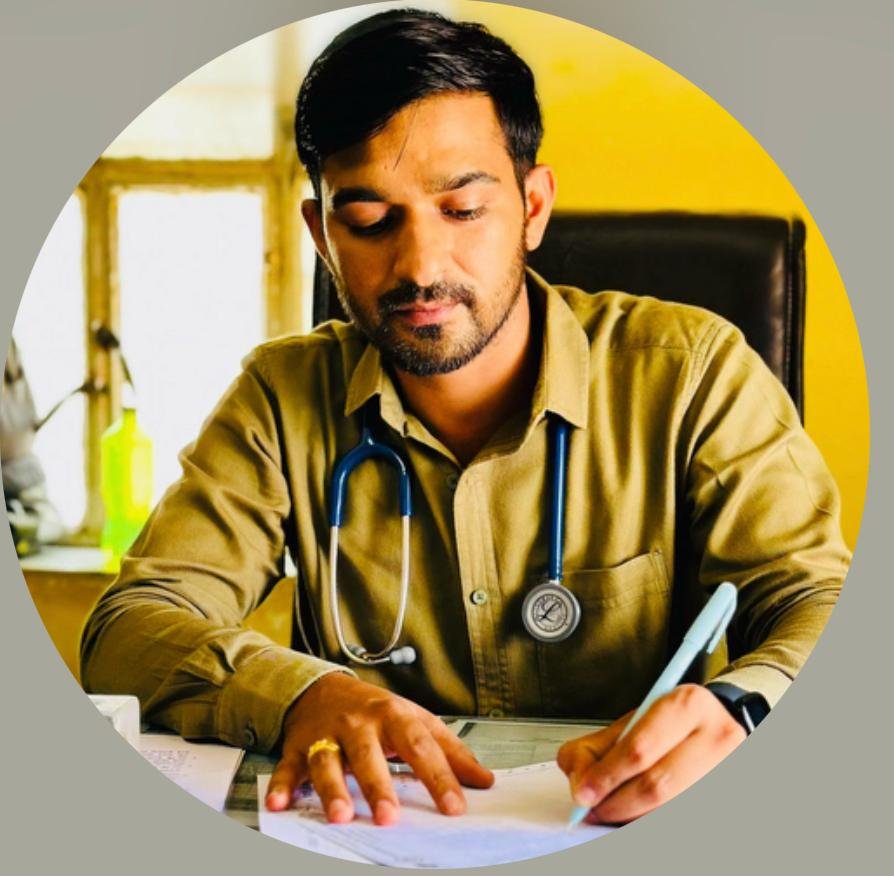
This article has been reviewed for medical accuracy by Dr. Anil Kumar. The information provided is intended for educational purposes to help families understand the factors that contribute to repeated hospital admissions and how structured home monitoring can help. It does not replace professional medical advice. Families should always consult the treating doctor for decisions about their specific situation.
Dr. Anil Kumar
Registration Number: RMC-79836
Years of Experience: 7
Break the Cycle of Repeated Hospital Admissions
If your family member in Patna has been admitted to the hospital more than once in the past few months, structured home monitoring and medication review can help identify the gaps in care that are leading to readmissions. Talk to our team to understand what support your family needs.
Call Patna Office: 9229662730Corporate Office: 9910823218