PURA Syndrome: A Home Care Case Study in Patna
A structured, 12-week home-based supportive care plan for an 18-year-old male with PURA syndrome — focusing on safe mealtimes, consistent daily routines, communication support, caregiver education and clear medical escalation. Documented in a clinical case-study format for families and healthcare readers in Patna, Bihar.
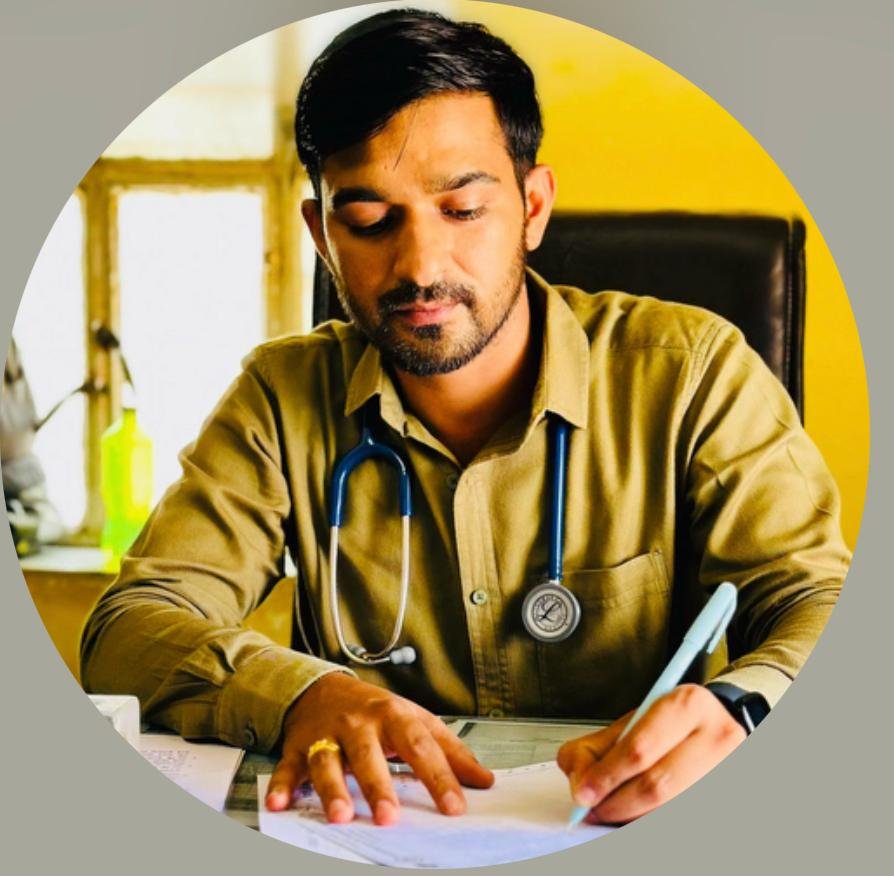
Dr. Anil Kumar
This case study was written and clinically reviewed under the supervision of Dr. Anil Kumar to ensure medical accuracy, appropriate scope of home care, and correct escalation guidance.
Registration No. RMC-79836Case Overview
A concise clinical summary before the detailed documentation.
Mr. Ishaan Verma (a fictional patient) is an 18-year-old male from Patna, Bihar, living with PURA syndrome — a rare genetic neurodevelopmental disorder associated with a disease-causing variant of the PURA gene. His presentation, as documented in this illustrative case, included developmental delays, reduced muscle tone, difficulties with certain feeding activities, and limited independence with personal care.
After specialist evaluation — including genetic testing, developmental assessment, a feeding and swallowing assessment, nutritional review and neurological evaluation — his family returned home with written recommendations for continued specialist follow-up and supportive therapies. Recognising that day-to-day implementation is where long-term conditions succeed or fail, the family requested structured home-based support to:
- Make mealtimes safer and more consistent, following the prescribed feeding plan exactly.
- Maintain a predictable daily routine suited to his abilities.
- Support communication through his familiar methods.
- Encourage participation in personal care rather than passive care delivery.
- Reduce the caregiver strain on his mother, the primary caregiver.
Over 12 weeks, the documented outcome was not a “cure” — that is medically impossible for a genetic condition — but a meaningful, realistic improvement in care organisation, mealtime consistency, warning-sign recognition and caregiver confidence, with the family holding a clearer process for recording concerns and communicating with his treating team.
In lifelong neurodevelopmental conditions, the clinical value of home care lies in consistency: the same mealtime precautions every day, the same communication methods, the same routines across every caregiver. Specialist assessments create the plan; disciplined daily execution protects the patient.
— Case documentation perspective, reviewed by Dr. Anil Kumar (RMC-79836)Patient Background
Who the patient is, his baseline function, and why the family sought structured support.
| Detail | Documentation |
|---|---|
| Patient name | Mr. Ishaan Verma (fictional) |
| Age / Gender | 18 years / Male |
| Location | Patna, Bihar |
| Occupation | Student in a specialised educational programme |
| Marital status | Unmarried |
| Primary caregiver | Mother |
| Secondary caregiver | Father |
| Primary diagnosis | PURA syndrome |
| Care setting | Home-based supportive care following specialist assessment |
Baseline function before home care
At the beginning of home care, Ishaan could communicate some basic preferences using his established communication methods. However, he needed support with several daily activities and benefited strongly from familiar routines and clear, simple instructions. Specific documented observations included:
- Mealtimes: Meals required additional time and supervision. The family reported that some meals took longer than expected, making the schedule difficult to sustain.
- Personal care: He needed help with dressing, organising personal items, bathing and grooming.
- Mobility: Motor difficulties associated with low muscle tone required assistance with safe movement during some activities.
- Communication: He used familiar words, gestures and other established methods, and needed adequate response time.
Family situation
Ishaan’s mother was managing the majority of his daily care. She wanted practical assistance to make mealtimes more manageable, to support his independence where appropriate, and — importantly — to reduce her own caregiver strain. His father shared secondary caregiving responsibilities. Families in this situation often describe the same pattern: the medical plan is clear, but a single caregiver cannot reliably execute it every day. For context on this common challenge, see our guide to recognising caregiver burnout in family dynamics and practical caregiver stress management.
When one person carries nearly all daily care, three risks quietly grow: inconsistent execution of feeding precautions, delayed recognition of warning signs due to fatigue, and caregiver exhaustion itself. Structuring care across more than one trained pair of hands is a clinical safety measure — not a luxury.
Understanding the Diagnosis: PURA Syndrome
What the condition is, and what it meant for this specific patient.
PURA syndrome is a rare genetic neurodevelopmental disorder caused by disease-associated changes (variants) in the PURA gene. The PURA protein plays an important role in regulating gene expression during nervous system development. Because of this, the condition can affect neurological development and may be associated with:
- Developmental delays and learning difficulties
- Low muscle tone (hypotonia) and motor delays
- Speech and communication difficulties
- Feeding challenges — and, in some individuals, swallowing difficulties
- Seizures in some affected individuals
- Sleep or behavioural difficulties in certain cases
- Need for assistance with personal care and daily living activities
Not every individual experiences every feature. The severity and combination of symptoms vary considerably from person to person. Some individuals need substantial support with everyday activities; others can perform selected tasks with varying degrees of independence.
In Ishaan’s case
His documented presentation included developmental delays, reduced muscle tone, difficulties with certain feeding activities, and limited independence with personal care. His support plan was therefore built strictly around his assessment findings and his family’s reported needs — not around a generic checklist for the condition.
Confirming a disease-associated PURA gene variant does three things: it gives the family a clear diagnostic explanation, it allows the specialist team to anticipate the range of possible associated features to monitor (feeding, tone, seizures, sleep), and it anchors every future decision to an individualised plan rather than trial-and-error. It does not predict the exact course for any one person — which is precisely why ongoing reassessment matters.
Hospital Evaluation and Treatment History
What happened before home care began — and what was deliberately not documented.
Ishaan had previously received specialist evaluation because of developmental concerns, delayed acquisition of daily living skills, and difficulties during mealtimes. The treating team reviewed his developmental history, feeding concerns, nutritional status and neurological presentation. Appropriate investigations and referrals were arranged according to his individual symptoms.
Assessments arranged by the treating team
| Assessment | Purpose | Documentation in this case |
|---|---|---|
| Genetic testing | Identify or confirm a genetic basis for the developmental presentation | Disease-associated PURA gene variant identified |
| Developmental assessment | Review communication, learning, motor skills and adaptive functioning | Developmental delays and support needs identified; guided the individualised plan |
| Feeding and swallowing assessment | Evaluate reported feeding difficulties with a qualified professional | Recommendations issued for food/fluid handling, positioning and mealtime supervision (specific protocol held by the treating team) |
| Nutritional assessment | Review dietary intake, growth history, hydration and nutritional requirements | Requirements established for adequate intake and hydration |
| Neurological evaluation | Assess muscle tone, movement and symptoms suggestive of seizures | Low muscle tone documented; ongoing observation advised |
Note on completeness: Not every person with PURA syndrome requires all of these assessments. Additionally, specific laboratory values, medication names and detailed test scores were not part of this case’s documentation and are therefore deliberately not presented here. Any medication prescribed for associated conditions was — and remained — managed solely by the treating clinician.
Discharge instructions received by the family
- Continue specialist follow-up as scheduled.
- Follow the feeding and swallowing recommendations exactly as issued.
- Continue supportive therapies as recommended by the treating team.
- Seek prompt medical review if feeding, mobility or general health changes.
After returning home, the family requested additional assistance with daily activities and with implementing the care instructions provided by the clinical team — the precise gap that structured home care is designed to fill.
Why Home Healthcare Was Clinically Appropriate
The medical reasoning — not convenience, but continuity.
For a lifelong neurodevelopmental condition, the clinical question after specialist assessment is never “what is the diagnosis?” — it is “how does the plan get executed consistently, every single day, by everyone involved?” In this case, five specific reasons made home healthcare the clinically appropriate choice:
1. Mealtime safety depends on repetition
Feeding precautions only prevent problems when applied to every meal — including the tired evenings and rushed mornings. Trained support made the prescribed feeding plan a constant, not an aspiration.
2. Routine is therapeutic in itself
Individuals with developmental needs frequently function better within predictable structure. A stable daily rhythm reduces distress and makes participation in activities more achievable.
3. Communication needs consistency
Familiar words, gestures and pictures work only when everyone uses them the same way. Multiple trained caregivers reduced miscommunication and preserved his established methods.
4. A single caregiver cannot safely carry it alone
Shared caregiving with documented handovers protects both patient safety and the primary caregiver’s wellbeing — a recognised clinical concern, not merely a practical one.
5. The home is where the plan lives
His educational programme, meals, rest and family life all happen at home. Supporting the plan inside the real environment — rather than only in clinics — is where daily function is actually built and maintained.
6. Early recognition prevents emergencies
Trained eyes watching for coughing, choking, dehydration or unusual episodes convert small warning signs into timely clinical review — instead of late-night emergencies.
Home care in this case supported daily functioning and implemented the specialist team’s written instructions. It did not diagnose, alter prescriptions, change food textures, or replace specialist follow-up. Every concern about feeding, hydration or neurological symptoms was referred back to the treating clinicians through a documented escalation pathway. This is the medically correct division of responsibility.
Clinical and Disease-Specific Assessment at Home
What the home care team reviewed before delivering a single intervention.
Home care assessment focus
The initial home assessment concentrated on Ishaan’s daily functioning, feeding arrangements, safety, and the family’s support needs. The care team reviewed:
- His existing feeding and swallowing recommendations issued by the treating team.
- The level of assistance required during meals.
- His ability to communicate discomfort or request help.
- His participation in dressing, bathing and other personal activities.
- His mobility and muscle tone-related functional limitations.
- The family’s understanding of the prescribed care plan.
- Any history of seizures or other symptoms requiring an established emergency plan.
Professional scope limits — documented in the care record
- Home care staff did not independently diagnose swallowing disorders.
- Home care staff did not change food consistency, textures or thickening.
- Home care staff did not determine whether a new neurological symptom represented disease progression — such concerns were referred to the relevant healthcare professional.
- No unapproved feeding positions, food textures, thickening agents or swallowing exercises were introduced at any point.
Disease-specific considerations built into the plan
Because feeding difficulties and developmental needs vary considerably in PURA syndrome, the plan emphasised individualised support built around six principles:
- Follow the feeding and swallowing recommendations provided by the clinical team — verbatim.
- Allow adequate time for meals without rushing.
- Support communication through his familiar words, gestures, pictures or other established methods.
- Provide clear, simple instructions suited to his abilities.
- Maintain a predictable daily routine.
- Observe for changes in feeding tolerance, hydration, alertness or movement, and follow any prescribed seizure-management plan if relevant.
For families who want a deeper explanation of the reasoning behind mealtime precautions, our guides on understanding swallowing difficulties and feeding support, post-feeding aspiration watch and feeding without choking — positioning principles explain why these precautions exist and how trained carers apply them.
Functional Assessment
Baseline observations and the support each functional area required at the start of care.
| Functional Area | Initial Observation | Support Required |
|---|---|---|
| Communication | Expressed some basic needs using familiar methods | Consistent communication support |
| Feeding | Needed additional time and supervision | Support according to the prescribed feeding plan |
| Swallowing safety | Required adherence to professional recommendations | Monitoring for concerns and referral when needed |
| Mobility | Had motor difficulties associated with low muscle tone | Assistance appropriate to assessed abilities |
| Dressing | Needed help with selected steps | Step-by-step assistance |
| Bathing | Required support with personal care | Safe setup and supervision |
| Daily routine | Benefited from familiar schedules | Predictable activities and reminders |
| Family care | Mother handled most daily responsibilities | Shared caregiving and practical guidance |
The guiding philosophy behind this table is assistance with dignity: support each task at the level the person needs, encourage participation in every step he can manage, and protect privacy and choice throughout. The ethical framework for this — dignity, privacy and consent in home care — is documented in our article on ethical nursing standards in home care, and the daily methods are expanded in ADL support for restricted movement and personal care and hygiene assistance.
Home Care Plan Delivered in Patna
Every intervention, and the clinical reasoning behind it.
A. Home Nursing Support
Nursing support was arranged according to Ishaan’s assessed needs and the clinical instructions provided to his family. Responsibilities included:
- Supporting the established care routine exactly as instructed by the treating team.
- Documenting relevant observations — feeding tolerance, hydration habits, participation, mood and any concerning episodes.
- Helping the family follow prescribed instructions without improvisation.
- Escalating concerns about feeding, hydration or other symptoms to the treating clinicians through a defined pathway.
Any clinical monitoring or medication support was provided only when prescribed and within the professional’s scope of practice. The principles behind this supervised model are described in our guides on specialised nursing services in Patna and safe medication monitoring and management at home.
B. Patient Attendant Support
A trained patient attendant helped with selected personal care activities, daily routines and supervision during activities requiring assistance. The attendant actively encouraged Ishaan to participate in tasks he could manage while maintaining dignity, privacy and safety — assistance designed to build capability, not replace it. Families comparing options can read why trained attendants matter and the role of 24×7 attendants; our own service framework is outlined at Patient Care Services in Patna.
C. Feeding and Swallowing Support
Feeding support followed the recommendations of the treating clinician and the qualified feeding or swallowing professional. The plan explicitly included:
- Following the prescribed food and fluid consistency — no exceptions, no improvisation.
- Using the recommended mealtime position and supervision level.
- Allowing adequate time for meals — an unhurried mealtime window was protected in the schedule.
- Avoiding unapproved feeding techniques of any kind.
- Reporting coughing, choking, wet-sounding breathing or voice, or other concerning feeding symptoms to the clinical team.
- Seeking urgent medical help for serious choking or breathing difficulty.
Related reading for families: navigating assisted feeding at home and why recurrent aspiration requires structured care.
Texture and fluid consistency changes are medical prescriptions, not preferences. An incorrect texture can turn a manageable swallow into an aspiration event — food or fluid entering the airway — which may cause choking or pneumonia. That is why the care record explicitly prohibited texture modification by non-prescribing staff, and routed every doubt back to the feeding professional.
D. Developmental and Communication Support
Depending on assessment findings, support from speech and language therapy, occupational therapy, physiotherapy, or developmental specialists could be included. Activities were adapted to Ishaan’s abilities and professional recommendations rather than following a generic programme. Home care’s role here was carryover: making sure therapist-directed strategies were used consistently between therapy sessions. Movement-based therapy principles are explained in why physiotherapy promotes healing through movement, and structured home rehabilitation in customised rehabilitation programmes.
E. Family Caregiver Support
The family received help organising care responsibilities, keeping medical instructions accessible, and establishing routines that could be maintained consistently by more than one caregiver. This included written handover notes between shifts, a shared folder of the treating team’s instructions, and simple documentation habits. The caregiver-role framework is detailed in understanding who caregivers are and what they do, with our integrated care philosophy described in our circle of care model.
F. Nutrition and Hydration Oversight
Nutritional requirements had been established by the treating team’s assessment. Home care’s contribution was monitoring and escalation: tracking fluid intake habits, watching for signs of dehydration, and referring any weight or appetite concerns for clinical review. Families can study the monitoring logic in hydration monitoring for dependent patients, home nutrition monitoring and nutrition and hydration in home care.
The Daily Care Plan
How the 12-week plan translated into an ordinary day at home in Patna.
🌅 Morning
- Follow the established morning routine.
- Assist with personal hygiene and dressing.
- Provide breakfast according to the prescribed feeding plan.
- Support communication and participation in simple daily tasks.
☀️ Afternoon
- Assist with lunch, following feeding recommendations.
- Encourage suitable educational, recreational or developmental activities.
- Provide rest breaks when needed.
- Record relevant changes in feeding tolerance or daily functioning.
🌆 Evening
- Support personal care and familiar family activities.
- Provide dinner according to the established care plan.
- Organise materials and instructions needed for the following day.
- Discuss any significant concerns with the family.
🌙 Night
- Follow the prescribed bedtime routine.
- Keep the environment safe and comfortable.
- Follow any specific overnight monitoring or seizure instructions provided by the treating team.
- Seek appropriate medical assistance if serious or unexpected symptoms occur.
Throughout the day, the plan preserved three constants: predictability (same order of events), choice (suitable options offered within the routine), and rest (breaks when activities became tiring or overwhelming). Home-environment safety principles that supported safe movement are covered in practical home safety design and daily care assistance.
Risks Monitored Throughout the Care Period
Safety monitoring is the backbone of home care for complex needs.
⚠️ Mealtime safety
- Coughing or choking during meals
- Wet-sounding voice or breathing after swallowing
- Markedly prolonged meal duration or new refusal patterns
⚠️ Hydration and nutrition
- Reduced fluid intake or signs of dehydration
- Unexplained weight changes or concerns about nutritional intake
⚠️ Function and mobility
- Increasing difficulty with previously manageable activities
- Falls or mobility-related injuries during transfers and movement
⚠️ Neurological observation
- Seizures or unusual episodes, if relevant to his history and any prescribed plan
- Significant changes in alertness, breathing or general condition
🚨 Urgent warning — act immediately
Serious choking, breathing difficulty, prolonged or repeated seizures, loss of consciousness, or another severe acute symptom requires urgent medical attention. The family followed the individual’s emergency plan and contacted emergency services when indicated. Preparedness steps for households are described in family emergency preparedness at home and night-time emergency signs during home recovery.
Warning signs only save lives when every person in the home can recognise them — at any hour, during any shift. That is why the family education programme treated the escalation list not as paperwork but as a core clinical skill, rehearsed until recognition was automatic.
12-Week Care Timeline
Milestones below reflect the phased care-process goals and reported observations in this illustrative case. Individual experiences vary; no clinical outcome here should be read as guaranteed for any patient.
-
Day 1
Home intake assessment
The care team visited the family home, reviewed the specialist team’s written recommendations, observed the existing routine, assessed the mealtime environment, and opened a structured documentation folder.
Why: A written baseline prevents drift — every later observation is compared against a defined starting point, not memory.
-
Day 3
Feeding routine established
The attendant was oriented to the prescribed mealtime steps: consistency rules, recommended positioning, unhurried pacing and supervision level. Meal duration and observations began being recorded.
Why: Feeding safety is a repetition skill. Starting precise habits on day 3 — not “eventually” — is what makes them durable.
-
Week 1
Routine mapping and first family education session
Morning and evening personal care routines were mapped step-by-step; Ishaan’s familiar communication methods were inventoried so all caregivers used identical approaches; hydration reminders were integrated into the daily rhythm.
Why: Consistency across caregivers — not just from one caregiver — is the defining feature of safe long-term home care.
-
Week 2
Participation and handover notes
Step-by-step dressing participation was encouraged within his ability; suitable choices were offered inside the routine; structured handover notes between family and staff shifts began; the escalation pathway was clarified in writing.
Why: Written handovers close the gap where details are lost between people — a common source of preventable problems in home care.
-
Week 4
One-month review point
The care supervisor reviewed feeding observations and routine adherence with the family. Feeding summaries were prepared for the family to share with the treating team; any adjustments were made only via specialist guidance.
Why: Scheduled reviews keep home care accountable and keep the specialist team informed — home staff never “adjust the plan” themselves.
-
Week 8 · Month 2
Consolidation
Routine consistency held across more than one caregiver; the documentation habit was firmly established; the monitoring checklist was in daily use. The family reported that mealtimes had become noticeably less stressful to organise.
Why: Around the two-month mark, sustainable systems either solidify or unravel — this phase deliberately focused on consolidation over novelty.
-
Week 12 · Month 3
Outcome review and long-term planning
The 12-week review documented organised routines, consistent mealtimes, caregiver confidence in warning-sign recognition, and a clearer process for recording concerns and communicating with the healthcare team. Ongoing specialist follow-up and a long-term support plan were confirmed.
Why: The goal of the 12-week block was a system the family could sustain — because in lifelong conditions, care does not end; it continues under specialist direction.
Clinical Evidence and Documentation
Structured tables built only from the documented material of this illustrative case.
Supporting clinical documents referenced in this case
The case documentation referenced the following categories of records (specific contents are not reproduced, in keeping with the educational-fictional nature of this case):
- Genetic report confirming the disease-associated PURA variant
- Developmental assessment summary
- Feeding and swallowing assessment recommendations
- Nutritional assessment plan
- Specialist review notes and follow-up instructions
12-week status — qualitative outcomes
| Area | 12-Week Status | Nature of Outcome |
|---|---|---|
| Mealtimes | More consistent schedule; prescribed feeding recommendations followed by caregivers | Care organisation |
| Warning-sign recognition | Family familiar with the symptoms that require medical review | Caregiver capability |
| Participation | Continued participation in selected personal care and communication activities with assistance suited to his abilities | Supported function |
| Documentation & communication | Clearer process established for recording concerns and communicating with the healthcare team | Systems & safety |
| Specialist care | Ongoing specialist follow-up continues; home care supports but does not replace medical assessment or specialist therapy | Continuity of care |
Honesty in reporting: No laboratory values, medication names, weight measurements or numeric clinical metrics were documented in this case, and none are fabricated here. The outcomes reported are organisational and caregiver-capability outcomes — which, in lifelong supportive care, are exactly the outcomes home care is clinically positioned to influence.
✔ Documented 12-week goals — how they were addressed
- Support safer, more organised mealtimes → fixed mealtime windows, prescribed consistency and positioning, unhurried pacing.
- Follow the prescribed feeding and swallowing recommendations consistently → no unapproved techniques; every doubt routed to the treating team.
- Encourage participation in personal care and daily activities → step-by-step assistance preserving his role in each task.
- Maintain a predictable routine → same sequence of activities daily, with rest breaks when needed.
- Support communication using familiar methods → identical words, gestures and cues across all caregivers.
- Help caregivers recognise changes requiring clinical review → education and a rehearsed escalation list.
- Improve coordination between the family and healthcare professionals → written summaries and a clear recording process.
Clinical Outcome After 12 Weeks
What improved, what did not, and what remains — stated without exaggeration.
Fictional follow-up outcome: After 12 weeks, Ishaan’s family reported that daily routines had become more organised. Mealtimes followed a more consistent schedule, and caregivers were more familiar with the prescribed feeding recommendations and the symptoms that required medical review.
Ishaan continued participating in selected personal care and communication activities with assistance suited to his abilities. His family also established a clearer process for recording concerns and communicating with his healthcare team.
Daily living
Personal care and dressing participation continued at his ability level, within a predictable routine that multiple caregivers could now execute consistently.
Nutrition & feeding
Mealtimes became structured and calmer; prescribed feeding recommendations were followed reliably; intake and hydration observations were tracked and escalated when concerns arose.
Medical stability
Ongoing monitoring continued as planned, and any new concerns were routed to the treating team through the established escalation process. Specialist follow-up remained active.
Family feedback
Reported improvements in routine organisation, mealtime consistency and confidence in recognising warning signs — the family no longer felt they were improvising.
Remaining challenges
PURA syndrome is lifelong. Support needs persisted; consistency depended on continued trained staffing; and specialist assessments remained essential for any plan adjustment.
Long-term care direction
Continued specialist reviews, therapist-directed strategies carried into daily routines, periodic re-assessment, and a home care plan that flexes as his needs evolve.
⚠️ Read this carefully
These outcomes represent improvements in care organisation and caregiver confidence — not a cure, and not a guaranteed developmental improvement. PURA syndrome requires lifelong individualised assessment and management by qualified healthcare professionals. Ongoing specialist follow-up and individualised support remained necessary throughout and after this care period.
Key Clinical Learnings
Transferable insights for families and professionals supporting similar needs.
- PURA syndrome is a rare genetic neurodevelopmental disorder associated with variants in the PURA gene. Developmental, motor, communication and feeding needs vary among affected individuals — which is why plans must be individualised, never templated.
- Feeding difficulties require professional assessment. Swallowing safety is a medical question. Qualified assessment determines textures, positions and supervision; home carers execute these recommendations and monitor — they never redesign them. Background reading: swallowing difficulty and feeding support.
- Consistency is the intervention. In developmental care, the same precautions applied the same way by every caregiver — at every meal, every day — is itself a therapeutic act. Inconsistency is the primary failure mode of home care plans.
- Documentation is a safety system. A simple written record of meals, observations and concerns converts scattered impressions into information the treating team can act on at the next review.
- Caregiver capacity is a clinical variable. Sharing care across trained hands protects the patient’s routine and the primary caregiver’s health. Ignoring caregiver exhaustion eventually compromises the patient — see caregiver stress signs not to ignore.
- New or worsening feeding or neurological symptoms must always be assessed by qualified healthcare professionals. Home care’s role is early recognition and fast referral — the escalation pathway is as important as any daily task.
- Home care complements, never replaces, specialist care. The most effective model documented here was a triangle: specialist team defines, home care implements and observes, family sustains — with information flowing in all directions.
Frequently Asked Questions
Medically reviewed answers for families in Patna and beyond.
1. What is PURA syndrome?
PURA syndrome is a rare genetic neurodevelopmental condition caused by disease-associated variants in the PURA gene. It can affect development, muscle tone, communication, feeding and other functions. Its presentation and severity vary considerably between individuals.
2. Can a person with PURA syndrome receive home healthcare?
Yes. Depending on individual needs, home care may assist with personal care, daily routines, implementation of the prescribed feeding plan, mobility support and family caregiver education. Home care supports the treating team’s recommendations; it does not replace specialist medical care.
3. Why might feeding support be necessary in PURA syndrome?
Some individuals with PURA syndrome experience feeding or swallowing difficulties. A qualified healthcare professional should assess these difficulties and recommend suitable feeding methods, food or fluid consistencies, positioning and supervision precautions. Home carers follow these recommendations; they do not create them.
4. Can home attendants independently change food consistency?
No. Changes to food texture, fluid consistency or swallowing strategies must follow recommendations from the treating clinician or a qualified feeding and swallowing professional. Unapproved thickening agents, textures, positions or exercises can increase the risk of choking or aspiration.
5. Does every person with PURA syndrome experience seizures?
No. Seizures may occur in some individuals with PURA syndrome, but clinical features vary between individuals. Any suspected seizure or unusual episode should be assessed by an appropriate healthcare professional, and any prescribed seizure-management plan must be followed exactly.
6. Can home healthcare cure PURA syndrome?
No. PURA syndrome is a genetic condition. Home healthcare can support daily functioning, safety, nutrition, routines and caregiver needs, but it does not cure the underlying genetic condition. Ongoing specialist follow-up remains essential.
7. How is PURA syndrome diagnosed?
Diagnosis is typically confirmed through genetic testing that identifies a disease-associated variant in the PURA gene, alongside clinical and developmental assessment by qualified specialists. In the illustrative case described on this page, genetic testing identified a disease-associated PURA gene variant.
8. What role do therapies play in PURA syndrome care?
Depending on individual assessment, speech and language therapy, occupational therapy, physiotherapy and developmental specialists may contribute to the care plan. Activities are adapted to the person’s abilities and professional recommendations rather than following a generic programme. Home care staff help families carry these recommendations into daily routines.
9. Which mealtime warning signs require medical review?
Coughing or choking during meals, a wet-sounding voice or breathing after swallowing, increasing meal duration, food or fluid refusal, reduced fluid intake, and signs of dehydration should be reported to the clinical team. Serious choking, breathing difficulty, prolonged or repeated seizures, or loss of consciousness require emergency medical attention.
10. How can families in Patna arrange supportive home care?
Families can contact a home healthcare provider for an initial assessment. In this illustrative case, care began with a home intake visit that reviewed the specialist team’s written recommendations, mapped the daily routine, set up documentation, and established a clear escalation pathway to the treating clinicians. Families may find our Patna guides helpful: how to choose home care in Patna and ensuring patient safety at home in Patna.
Supportive Services Relevant to This Type of Care
An informational overview of the services that typically support plans like this one. Every service listed is delivered under professional instructions and individual assessment.
- Home Healthcare Services in Patna — coordinated, assessment-led care at home.
- Patient Care Services (Trained Attendants) — personal care, routine support and supervised activities.
- Doctor Home Visits in Patna — clinical review without stressful hospital travel when advised by the treating team.
- Physiotherapy at Home — therapist-directed movement and mobility programmes.
- Dietitian Consultation — nutrition planning aligned with the treating team’s recommendations.
- Laboratory Services at Home — sample collection when investigations are clinically advised.
- 24×7 Pharmacy Support — medication availability and refill coordination.
Related reading from our care library
Feeding & nutrition
- Understanding swallowing difficulties — a guide to feeding support
- Post-feeding aspiration watch — a practical guide
- Feeding without choking — positioning principles
- Navigating assisted feeding at home
- Essential guide to home nutrition monitoring
- When not eating becomes an emergency — warning signs
Caregiver support
- Understanding the caregiver role
- Managing caregiver stress — prioritising your wellbeing
- How to recognise when a loved one needs full-time care
Safety & escalation
- Emergency preparedness for families at home
- Night-time emergency signs during home recovery
- Safe home healthcare — the role of trained professionals
Integrated & Patna-specific guides
Serve Area & Contact — AtHomeCare Patna
Home healthcare support across Patna, Bihar. Every care engagement begins with an individual assessment and coordination with the treating medical team.
📍 Office Address
A-212, P C Colony Road, Kankarbagh,
Bankman Colony, Patna, Bihar 800020
Nearby landmarks: close to Bankman Colony Main Road & Kankarbagh Main Market.
Medical Disclaimer
This case study is fictional and intended for educational and informational purposes only. It does not describe an actual patient or provide an individual treatment recommendation. PURA syndrome requires individualised assessment and management by qualified healthcare professionals. Feeding support, rehabilitation, medication management and monitoring must follow the treating team’s recommendations.
Home healthcare does not replace specialist care or emergency medical services. If serious choking, breathing difficulty, prolonged or repeated seizures, loss of consciousness or another severe acute symptom occurs, contact emergency services immediately and follow the individual’s emergency plan.
Clinical accountability: This article was written and reviewed by Dr. Anil Kumar (Registration No. RMC-79836), January 2026. Patient and family details, including the name used, are illustrative. No confidential patient information is disclosed.